Corsican Verbena
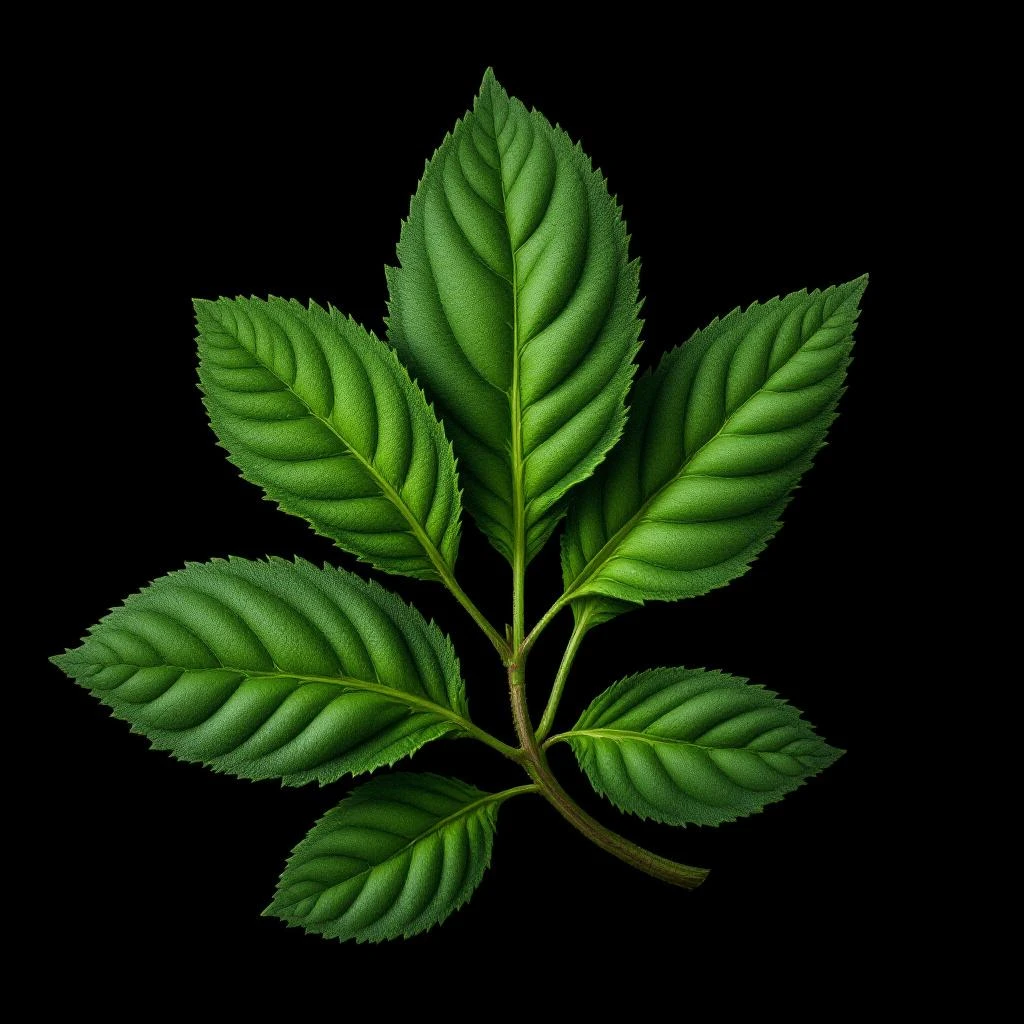
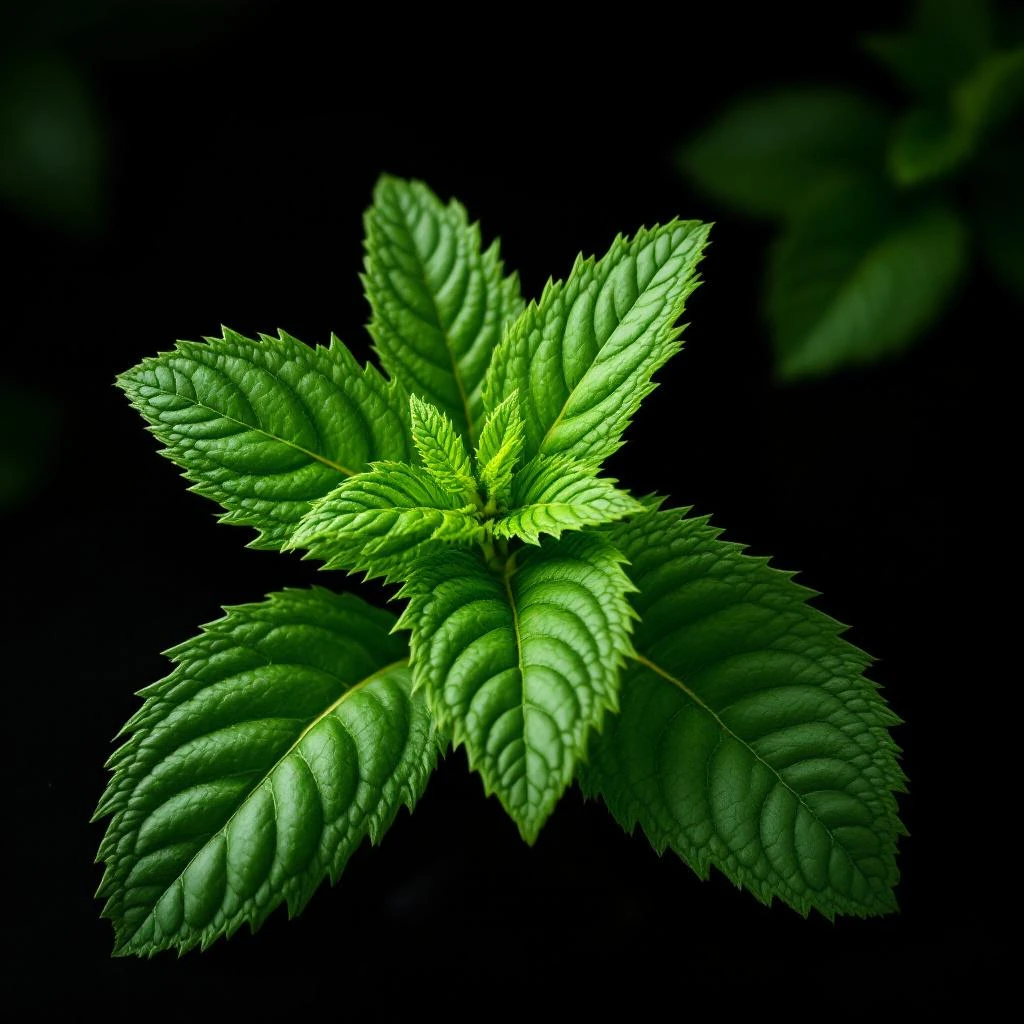
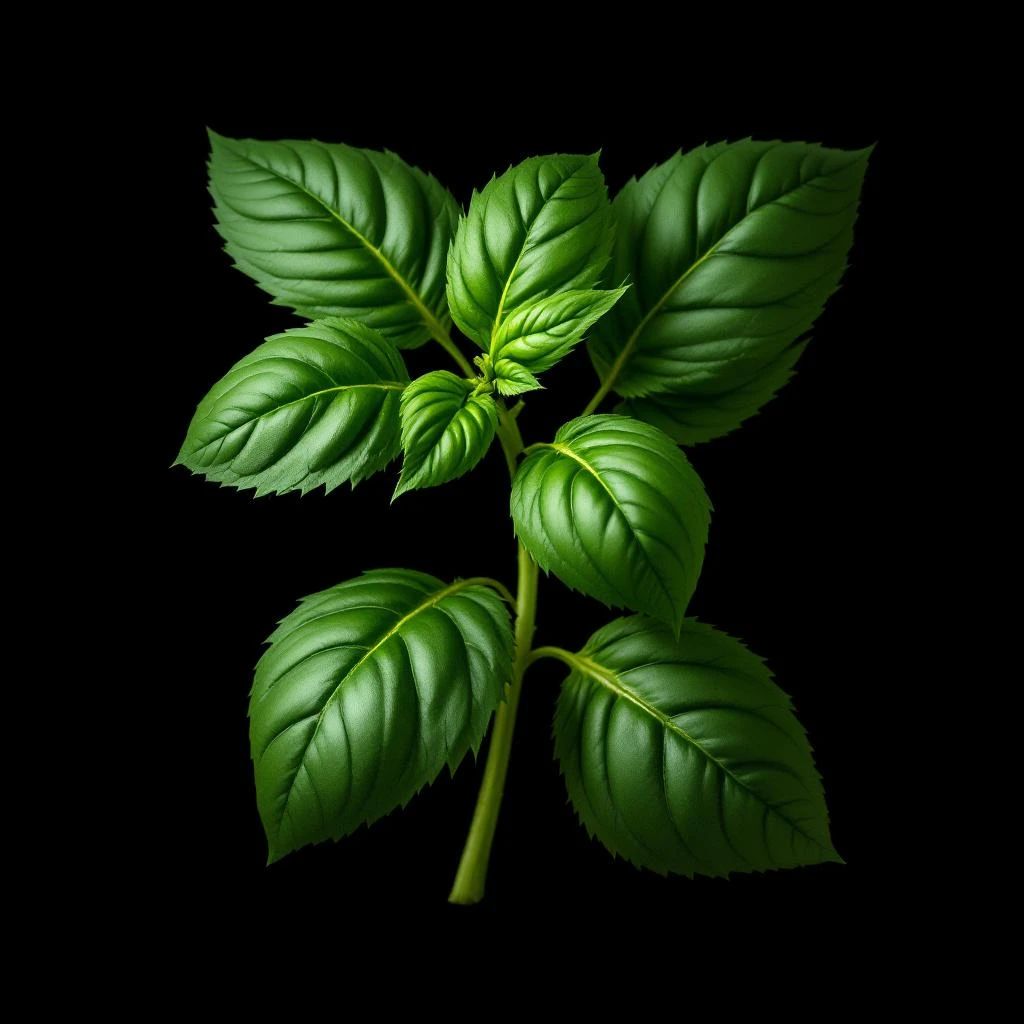
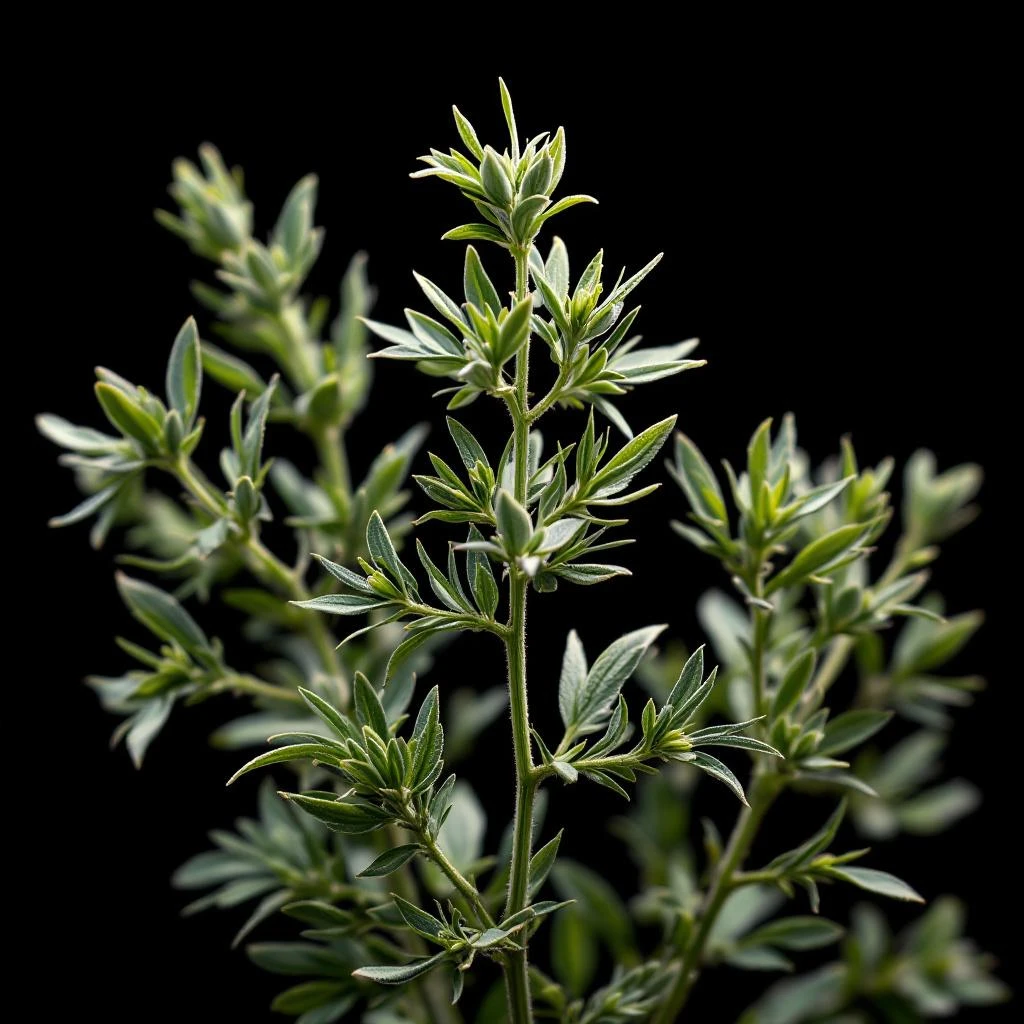
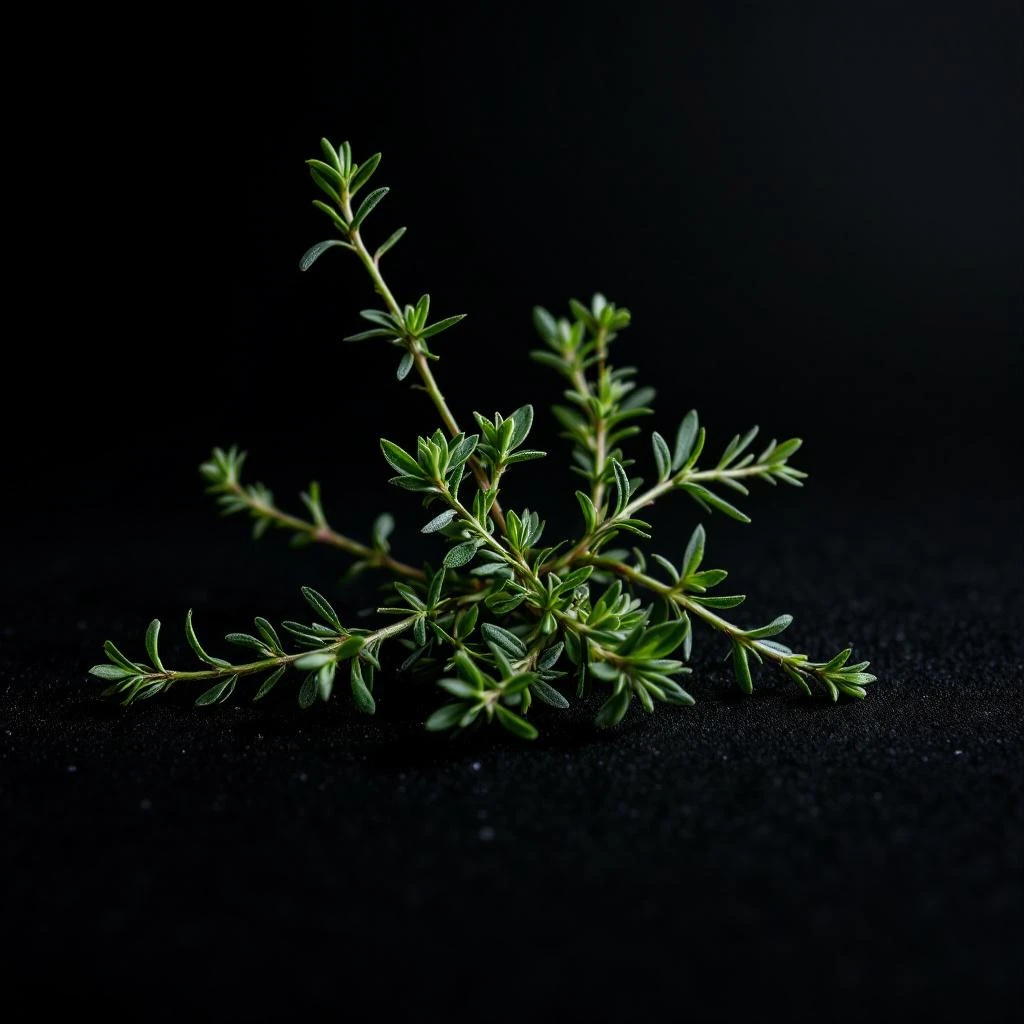
Corsican Verbena brings the sun-drenched hillsides of the Mediterranean to your skin. This aromatic herb, cultivated on the rocky slopes of Corsica, delivers a crisp citrus-green character that perfumers prize for its freshness and versatility in modern compositions.
Character
How it smells
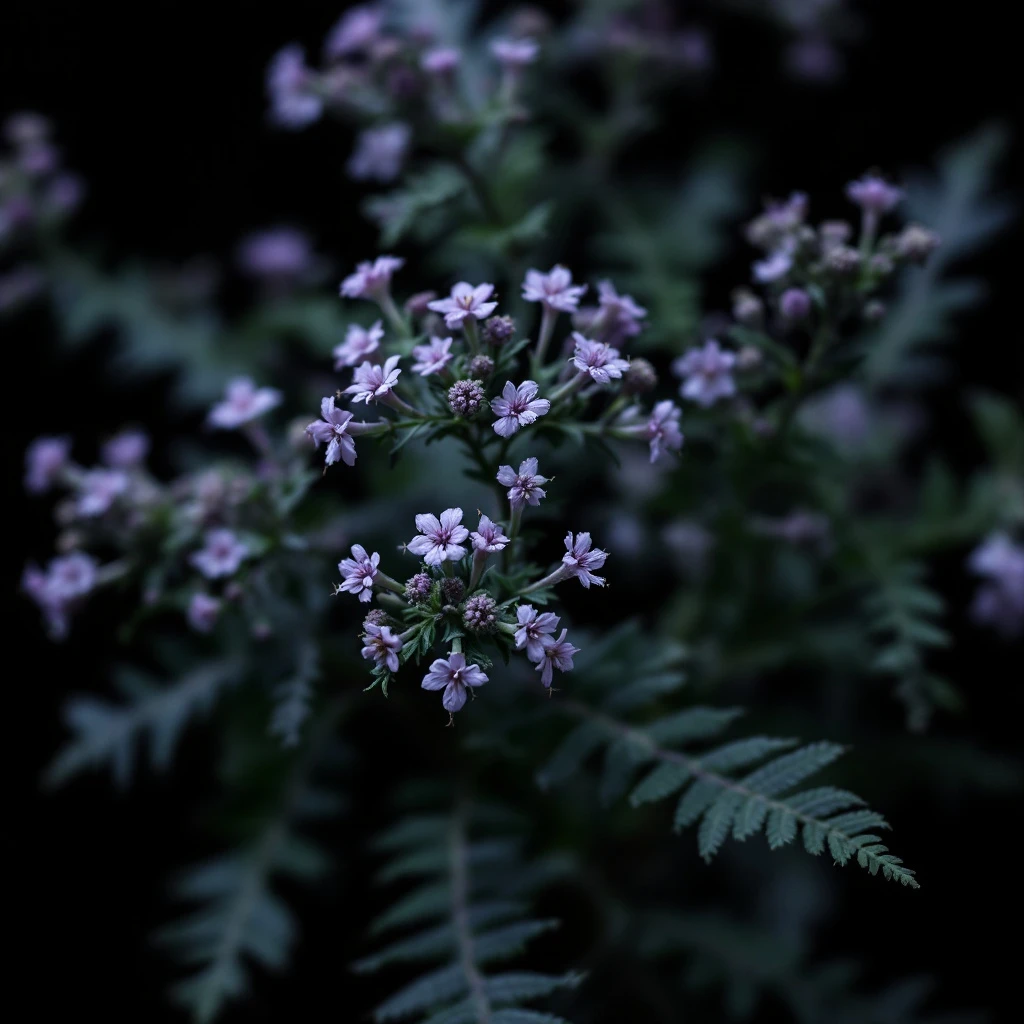
Mediterranean sunshine captured in every leaf.
Corsican verbena grows wild across the island's maquis scrubland, where the Mediterranean climate concentrates its aromatic oils to exceptional intensity.
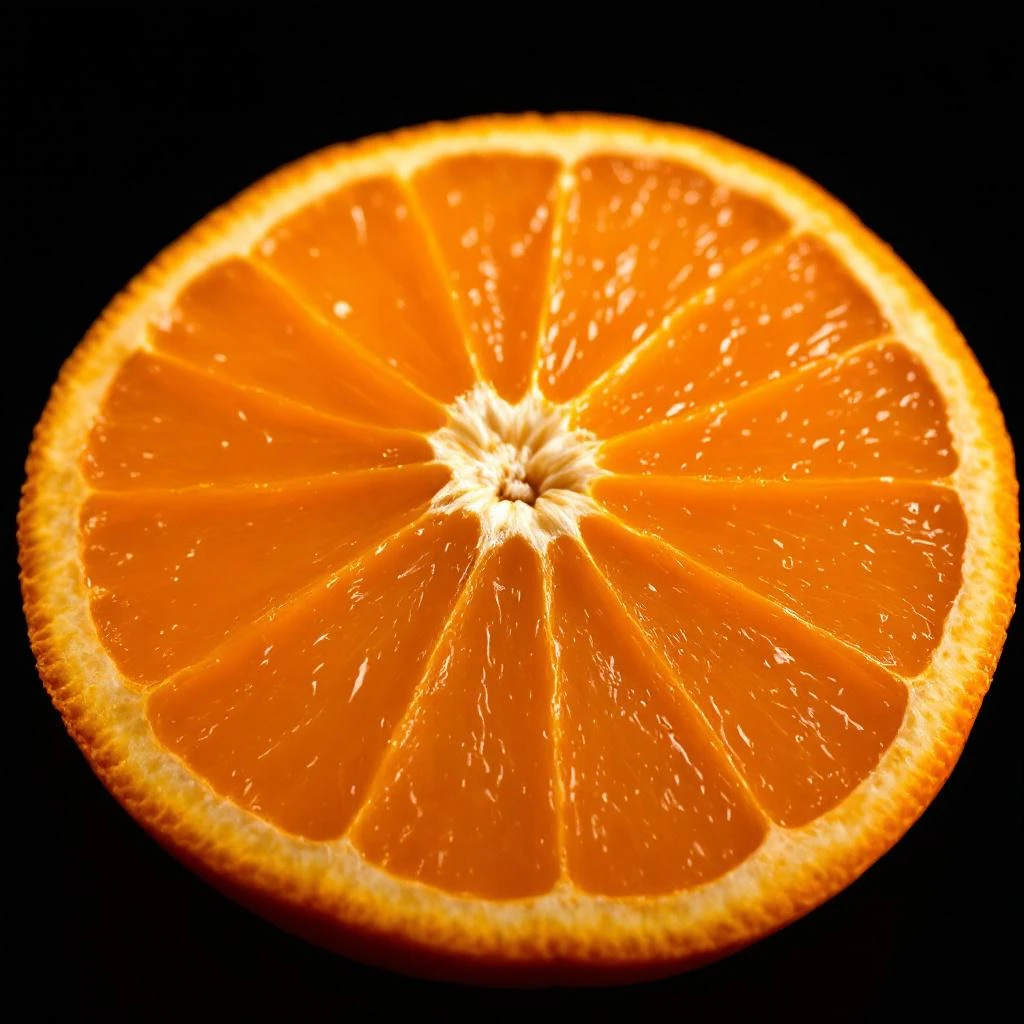
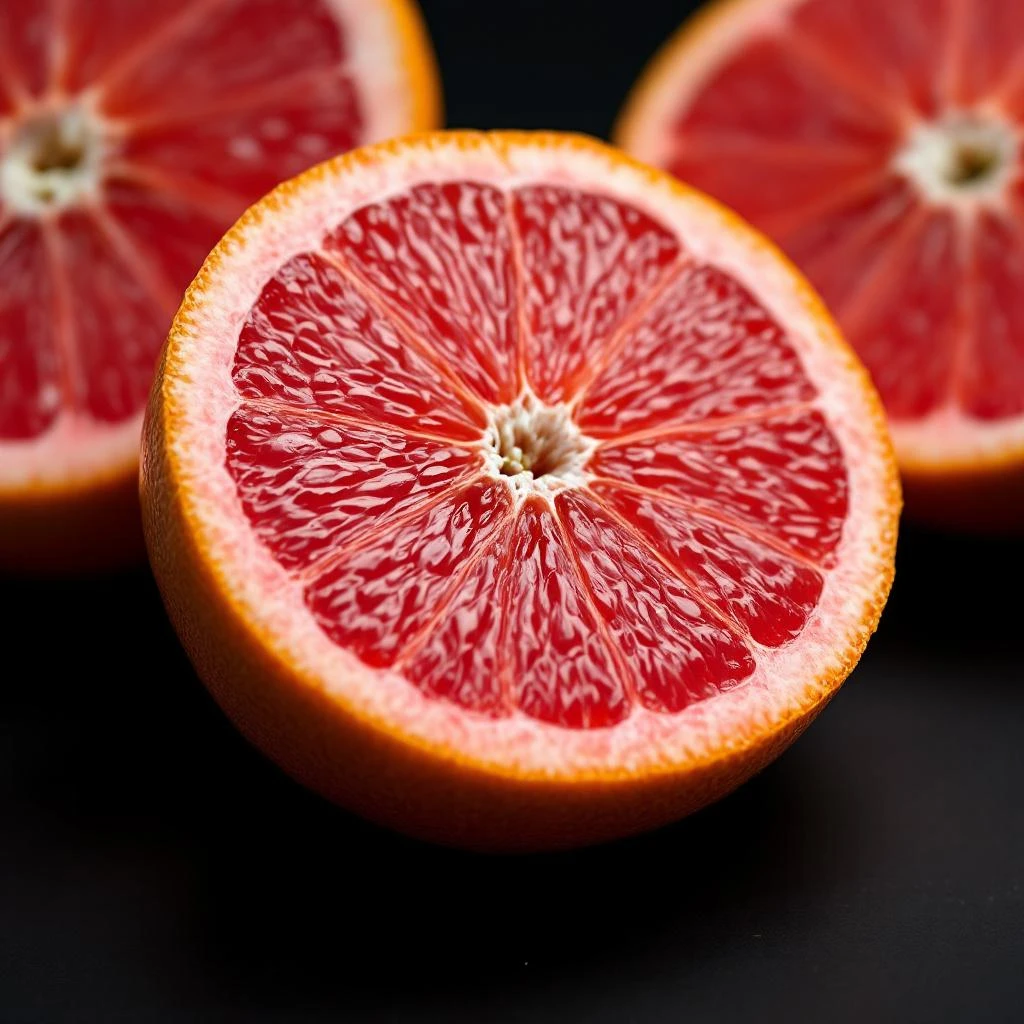
Pairs beautifully with

Origin
France
Verbena has ancient roots in Mediterranean cultures. The Romans considered it sacred, using it to purify temples and ritual spaces.
Corsica's unique position in the Mediterranean made it a natural habitat for this aromatic herb, which thrived in the island's rocky terrain and abundant sunshine. French perfumers began systematically cultivating Corsican verbena in the 19th century, drawn to its intensely aromatic character.
The plant grows wild across the island's maquis, adapting over centuries to Corsica's specific soil composition and climate. While lemon verbena arrived from South America in the late 1700s, Corsican verbena represents the indigenous European species that perfumers have valued since antiquity for its clean, green, citrusy brightness.
Wears it best
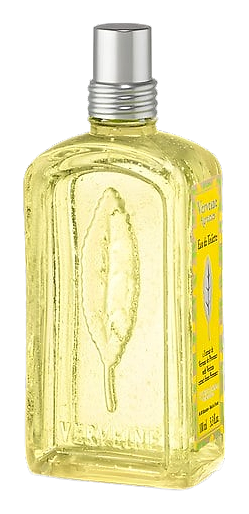
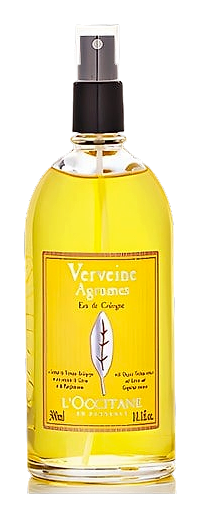
Fragrances featuring Corsican Verbena
Brands
Brands known for Corsican Verbena
Good to know
Questions, answered
The essentials on Corsican Verbena in perfumery: how it smells, where it comes from, and how it behaves on skin.
What does Corsican verbena smell like?
Corsican verbena opens with sharp, zesty citrus notes reminiscent of lemon zest, settling into a green, herbaceous heart. The scent is clean, fresh, and slightly bitter, like crushed leaves on a Mediterranean hillside. It reads as both fruity and leafy at once.
Is verbena native to Corsica?
Yes, verbena grows wild across Corsica's maquis scrubland. The island's Mediterranean climate and rocky terrain create ideal growing conditions, producing a verbena with particularly concentrated aromatic oils compared to other growing regions.
How is Corsican verbena oil extracted?
Steam distillation extracts the essential oil from freshly harvested leaves. Perfumers pick leaves at dawn, just before full bloom when oil content peaks. The modest yield of roughly 0.2% means small-batch production remains essential to maintaining quality.
What fragrance families pair well with verbena?
Verbena bridges citrus and green families, pairing naturally with lemon, bergamot, and grapefruit in citrus compositions. It also complements herbal notes like lavender and rosemary, plus crisp green accords in modern fragrances.
Does Corsican verbena differ from lemon verbena?
Corsican verbena (Verbena officinalis) is the indigenous European species, while lemon verbena (Aloysia citrodora) comes from South America. They share citrusy, green characters but differ in subtle aromatic nuances and chemical composition.
When is verbena harvested for perfumery?
Harvest occurs just before the plant reaches full bloom, typically late summer. This timing matters because volatile oil concentration peaks then, delivering maximum aromatic intensity in the distilled oil.
Is verbena oil expensive?
The low yield of approximately 0.2% makes verbena oil relatively costly. A typical harvest of 100 kilograms yields only 200 grams of essential oil, contributing to its premium positioning in perfumery.
What role does Corsican verbena play in modern perfumery?
Perfumers value verbena for its freshness and versatility in citrus and green compositions. It provides natural fixative properties while delivering bright, clean top notes that modern fragrance consumers consistently prefer.