Corsican Mint
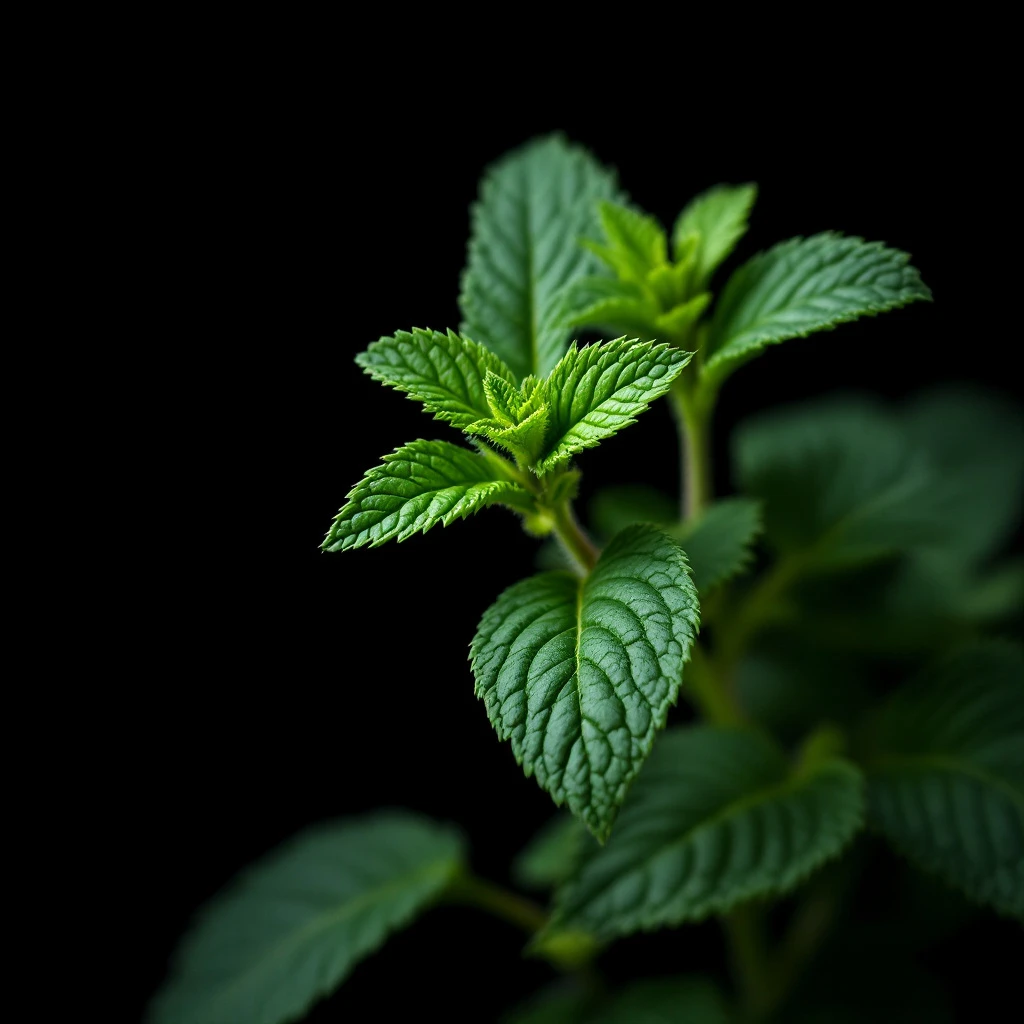
Corsican Mint (Mentha requienii) is a rare, wild-growing mint native to the rocky highlands of Corsica. Its tiny leaves pack an intensely pure, almost crystalline mint aroma that perfumers prize for its clarity and freshness in fine fragrance.
Character
How it smells
Wild mint from Corsican granite, distilled to perfection.
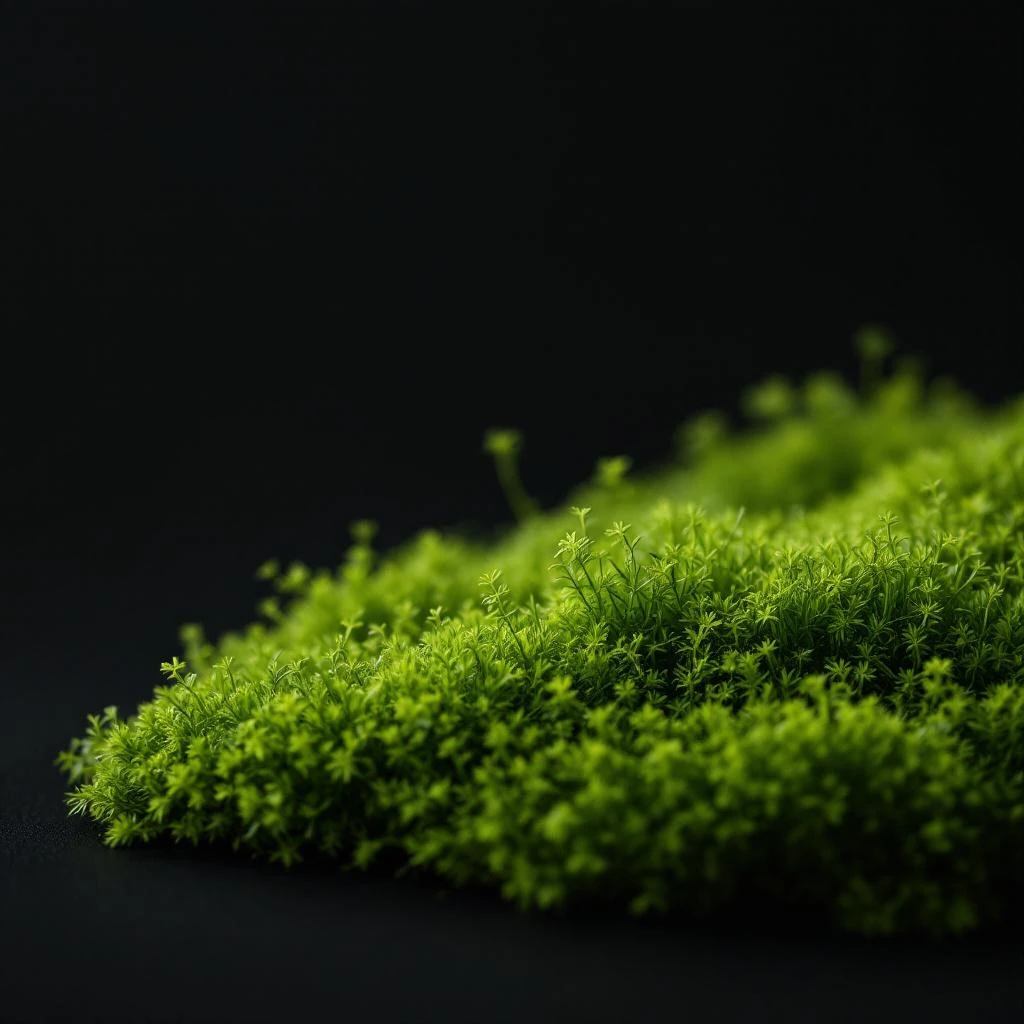
Mentha requienii is one of the smallest mint species in the world, with leaves barely reaching 6mm in length, yet it produces some of the most concentrated mint essence available.
Origin
France
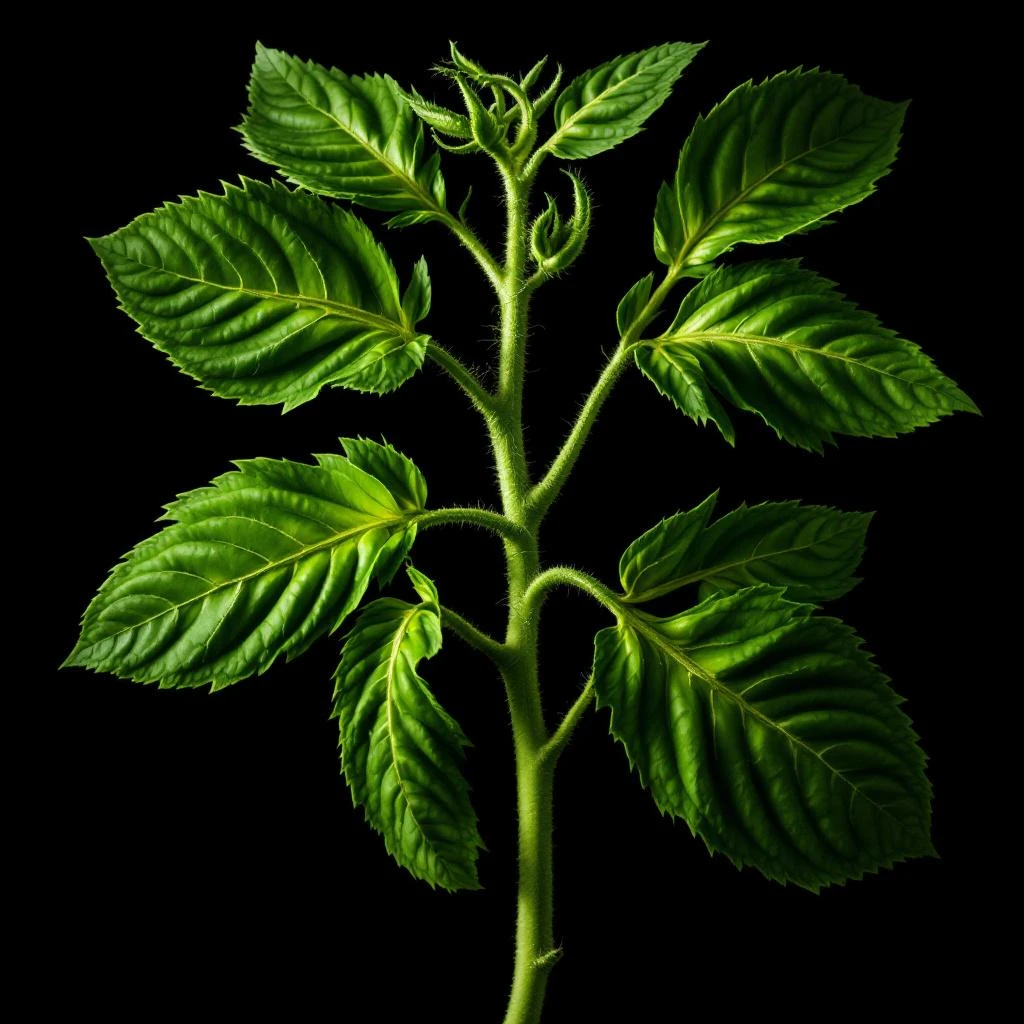
Mentha requienii takes its name from the 19th-century botanist and chemist Augustin Pyramus de Candolle, who formally classified the species in honor of his colleague Esprit Requien. The plant has deep roots in Corsican folk tradition, where locals used it to flavor liqueurs and herbal teas long before it caught the attention of professional perfumers. Corsican perfumers began incorporating the oil in the mid-20th century as a natural way to introduce bright, green mint top notes without relying on synthetic menthol.
The island's rugged interior, where humidity collects between granite boulders, provides the exact microclimate this delicate species requires to thrive. Today, the plant remains a marker of Corsican botanical identity, featured in only a handful of luxury fragrances each year.
Wears it best
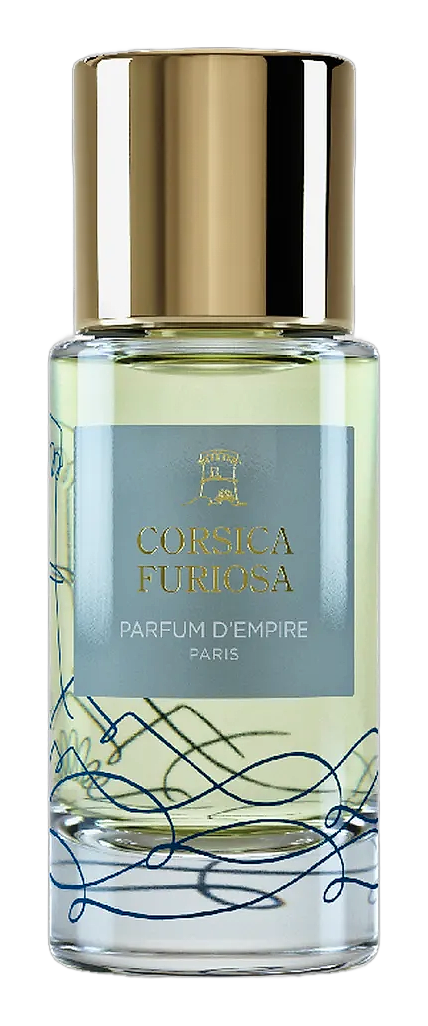
Fragrances featuring Corsican Mint
Brands
Brands known for Corsican Mint
Good to know
Questions, answered
The essentials on Corsican Mint in perfumery: how it smells, where it comes from, and how it behaves on skin.
What does Corsican Mint smell like?
Corsican Mint delivers a clean, intensely sharp mint aroma with a cool, almost metallic edge. Its profile is more piercing and less sweet than peppermint, with a green, herbal finish that reads as remarkably pure in a fragrance composition.
Is Corsican Mint used in luxury perfumery?
Yes. Its high menthol content and rare origin make it a valued top-note ingredient in niche and luxury fragrances, where it adds crispness and natural authenticity that synthetic mint cannot replicate.
How is Corsican Mint oil different from peppermint oil?
Corsican Mint oil contains significantly higher menthol concentration, often above 70%, compared to standard peppermint which typically ranges from 35 to 55%. This makes it sharper and more solvent-like in character.
Where does Corsican Mint grow?
Mentha requienii grows exclusively on Corsica, Sardinia, and Montecristo Island. On Corsica, it thrives in damp, shaded crevices of granite rock formations in the island's interior highlands at elevations between 300 and 1,500 meters.
Is Corsican Mint harvested sustainably?
Wild populations are limited and subject to conservation protocols. Hand-collection is standard practice, and harvests are restricted to ensure the plant's long-term viability on an island that relies on it as a botanical emblem.
What fragrance families use Corsican Mint?
It appears most often in fresh, citrus, and aromatic fragrances as a top-note to add immediate brightness and coolness. It also shows up in chypre and fougère compositions to cut through heavier base notes.
When was Corsican Mint first used in perfumery?
Professional use in perfumery began in the mid-20th century as Corsican artisans sought local botanical alternatives to imported mint oils. Before that, the plant served primarily as a culinary and folk medicinal herb.
What extraction method produces Corsican Mint essential oil?
Steam distillation is the standard method. Fresh aerial parts are distilled shortly after harvest to preserve the volatile menthol compounds, which degrade quickly once the plant material begins to dry.