Cornflower Water
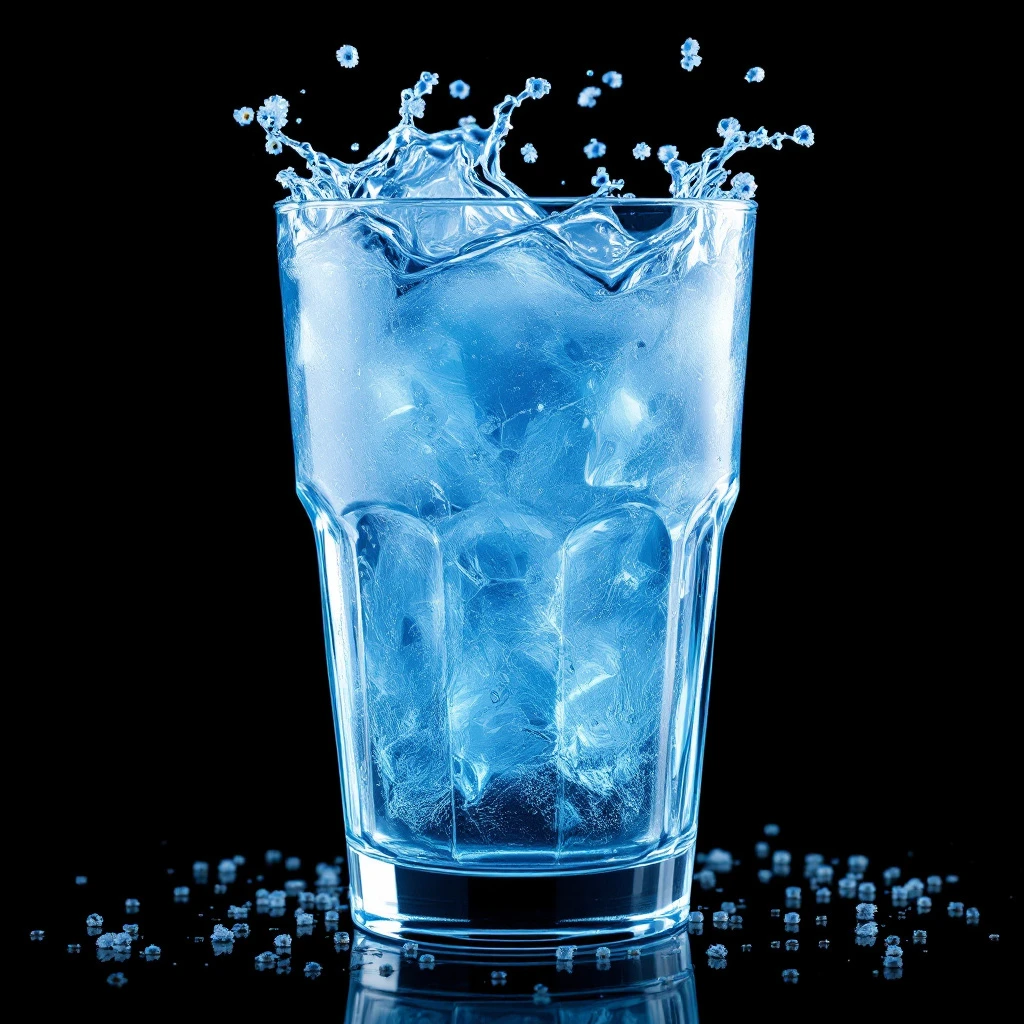
Cornflower water is a delicate hydrosol obtained through steam distillation of Centaurea cyanus petals. Its subtle, fresh-green floral character adds a refined softness to fragrance compositions, particularly in modern airy and aromatic chypre structures.
Character
How it smells
A heritage hydrosol with a quiet, blue-floral grace.
The cornflower's vivid blue comes from protocyanin, a pigment also responsible for its historical use as a natural fabric dye in Europe.
Pairs beautifully with


Origin
France
Cornflower (Centaurea cyanus) has long grown wild across European fields and was once considered a agricultural weed before becoming a beloved ornamental and folk remedy plant. Its association with fragrance began in earnest during the 18th century, when European perfumers started exploring hydrosols as substitutes for costly floral absolutes. Cornflower water found its niche in gentle fragrance applications and cosmetic preparations, prized for its mildness and fresh scent profile.
By the late 19th century, the rise of synthetic fragrance materials shifted focus away from traditional botanical waters in fine perfumery, though cornflower water never disappeared entirely. Today it endures as a niche ingredient, valued by natural perfumers seeking to build airy, green-floral heart notes with authenticity and subtlety.
Wears it best
Fragrances featuring Cornflower Water
Brands
Brands known for Cornflower Water
Good to know
Questions, answered
The essentials on Cornflower Water in perfumery: how it smells, where it comes from, and how it behaves on skin.
What is cornflower water in perfumery?
Cornflower water is a hydrosol obtained during steam distillation of cornflower petals. It carries water-soluble aromatic compounds that lend a light, green-floral softness to fragrance compositions, typically used in modest concentrations to support top and heart notes.
What does cornflower water smell like?
It carries a clean, subtle scent with mild green and herbaceous undertones alongside delicate floral sweetness. The overall impression is fresh and airy rather than rich or deeply floral.
Is cornflower water an essential oil or a hydrosol?
It is a hydrosol, meaning the aromatic water collected during steam distillation. Essential oil from cornflower is produced in very small quantities and is rarely used in fine perfumery due to its subtle intensity.
Why is cornflower water used in perfumery?
Perfumers use it to add a natural, soft-green floral quality to compositions without overwhelming the blend. It works particularly well in airy chypres, modern florals, and aromatics where a quiet botanical accent is desired.
Where does cornflower water originate?
France and Central Europe are primary regions for cornflower cultivation and distillation. The flower thrives in temperate climates and is often harvested from cultivated plots in the French countryside during the summer bloom period.
Has cornflower water always been used in perfumery?
It became more common in the 18th century when perfumers began exploring hydrosols as accessible alternatives to costly absolutes. Its use expanded into cosmetics and folk remedies before establishing a modest place in fragrance.
Does cornflower water have other uses beyond fragrance?
Yes, it is widely used in cosmetics and skincare for its soothing properties, particularly in toners and gentle skincare formulations. This crossover use predates its fragrance applications in many European traditions.
Is cornflower water considered rare or scarce?
It is not critically scarce, but production volumes are modest because cornflower is not a high-yield crop for aromatic extraction. Quality hydrosol depends on fresh, timely harvest and careful distillation.





