Columbine
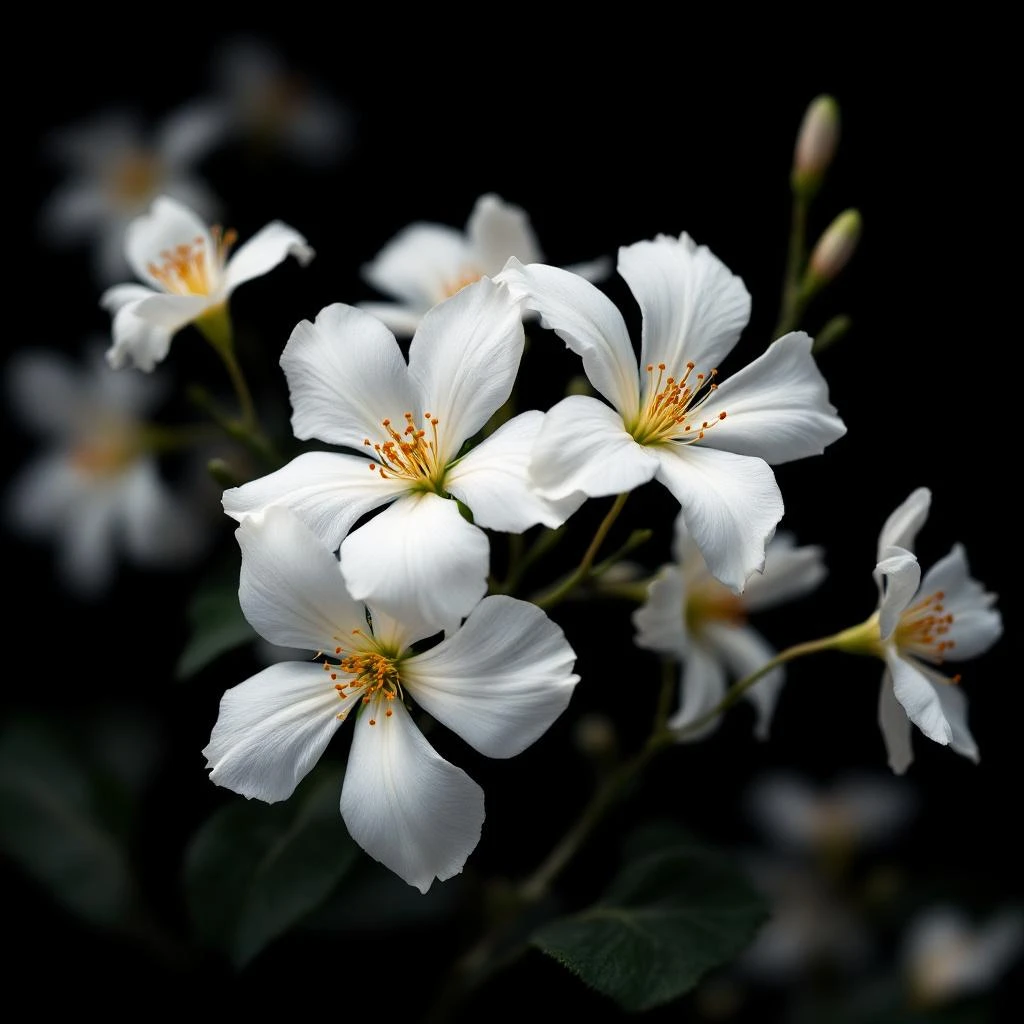
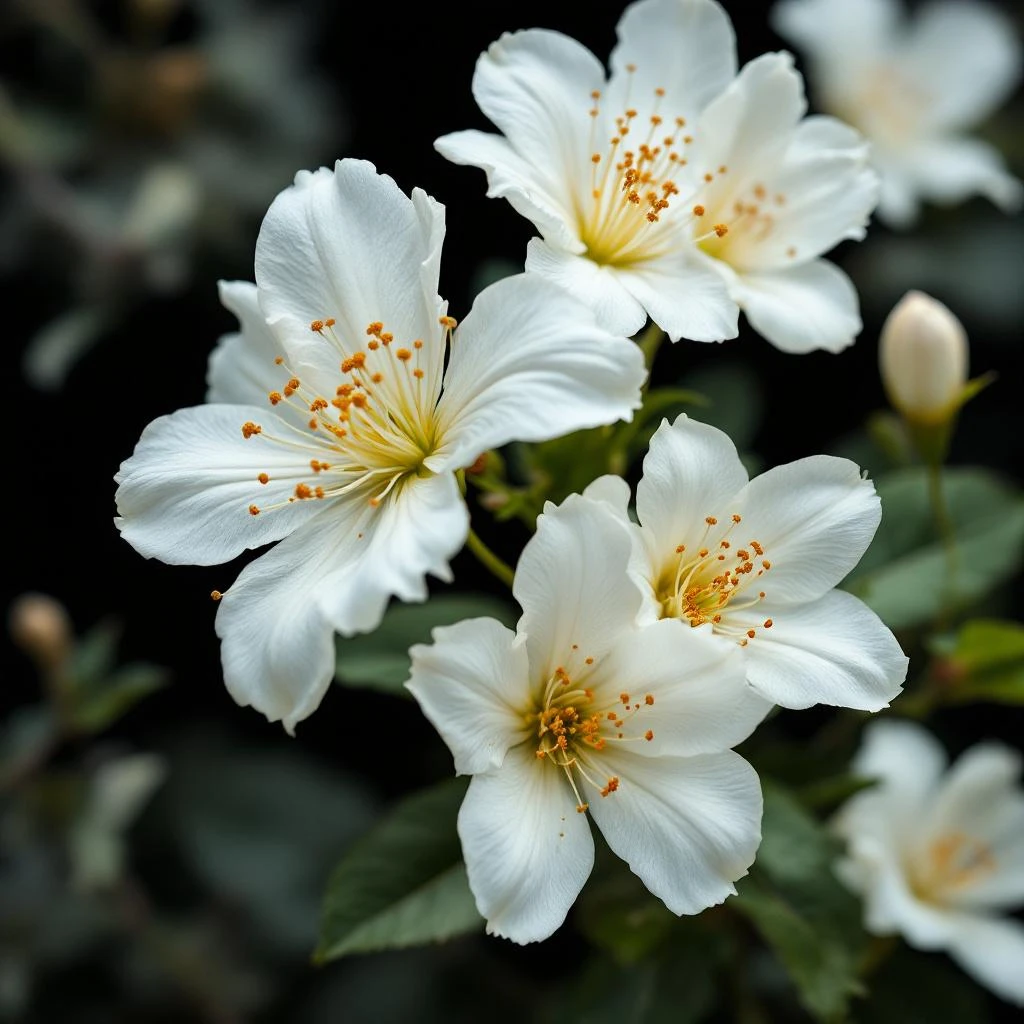
Columbine brings a quiet floral character to fragrance, with delicate petals, soft green facets, and a subtle powdery warmth shaped by its botanical origin.
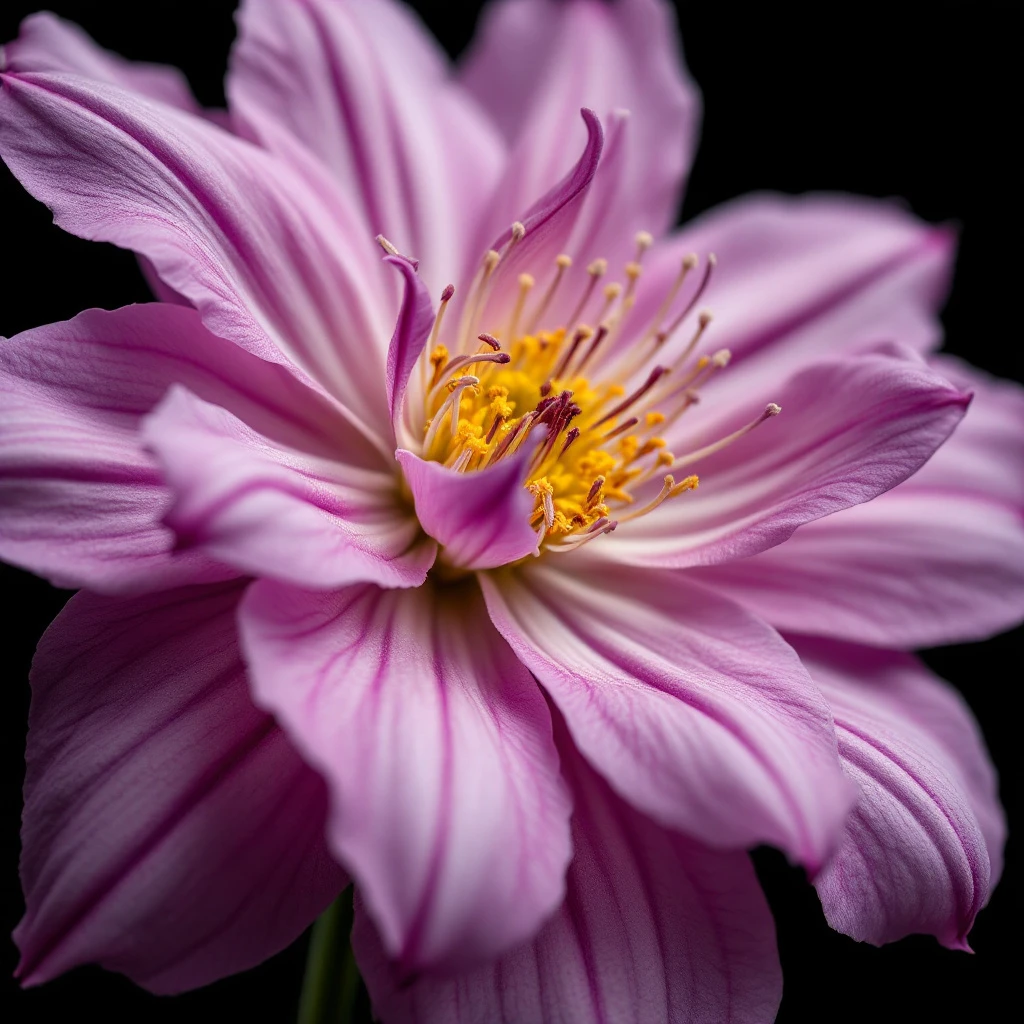
Character
How it smells
A soft, green floral note with a quiet powdery edge.
The name columbine comes from the Latin columba, meaning dove, an association linked to the flower’s pendulous shape.
Pairs beautifully with
Origin
Germany
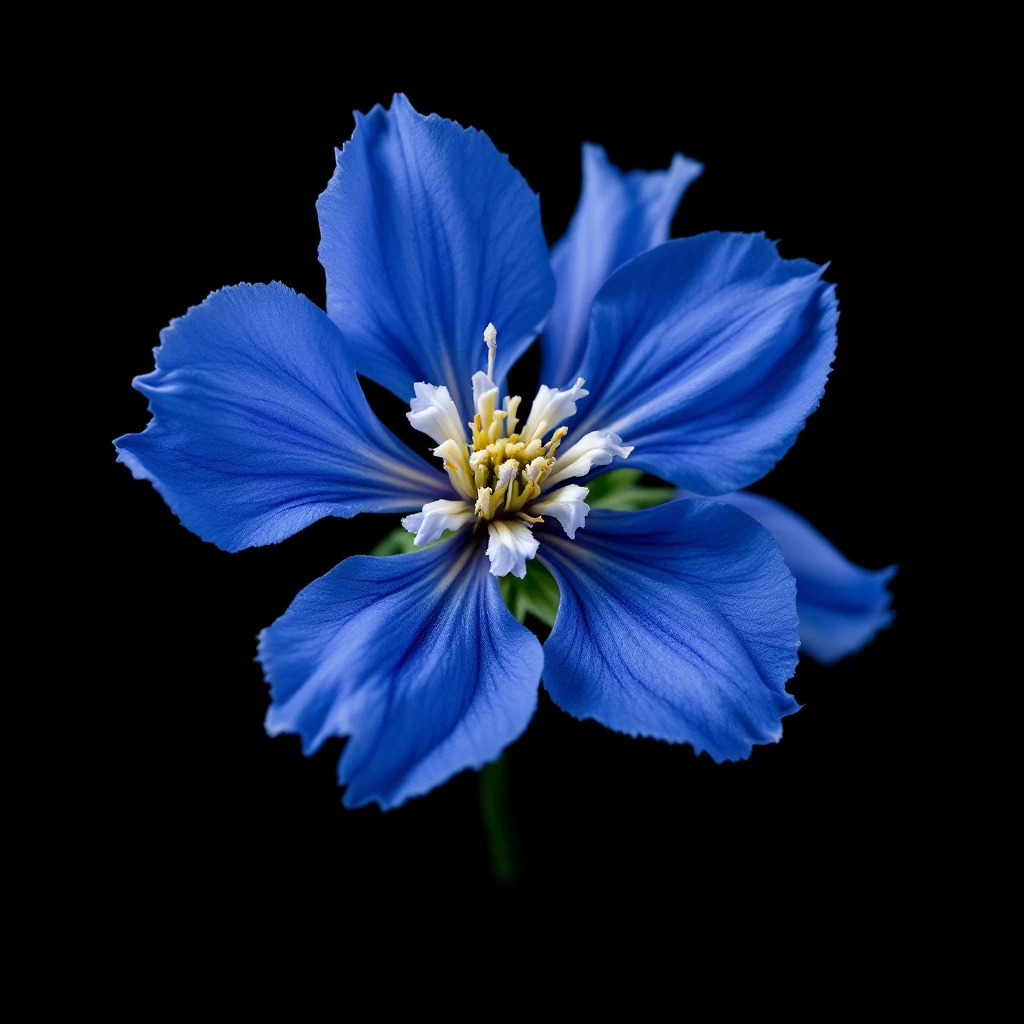
Columbine has a long history as an ornamental garden flower rather than a major perfumery ingredient. Its distinctive, spurred blooms have appeared in European herbals and cultivated gardens from at least the medieval period, and the plant was valued for its unusual shape and ornamental appeal. Early modern herbals documented columbine under names connected with the Latin columba, or dove, although the flower was not a principal source of commercial fragrance oil.
Modern perfumers can draw on the fresh, slightly green scent associated with its petals and stems, but that impression is often constructed from a blend of natural floral materials and aroma chemicals. Its place in fragrance history is therefore less about a celebrated historic extraction and more about the broader development of botanical scent making, where rare or fragile flowers inspired composed representations of nature.
Wears it best
Fragrances featuring Columbine
Brands
Brands known for Columbine
Good to know
Questions, answered
The essentials on Columbine in perfumery: how it smells, where it comes from, and how it behaves on skin.
What does columbine smell like in perfume?
Columbine usually reads as a soft, delicate floral with green, watery, and lightly powdery facets. The effect is often airy rather than dense, making it suited to romantic floral compositions.
Is columbine used as a natural perfume ingredient?
It can be, but natural columbine materials are uncommon because the flowers yield little aromatic oil. Most commercial columbine effects are built from related floral absolutes and aroma chemicals.
What part of the columbine plant is used for fragrance?
The flowers are the main part associated with fragrance, especially their delicate petals and green floral character. Stems and leaves may also inform the visual scent profile, but they are not the primary extraction material.
Is columbine the same as cologne?
No. Columbine is the flower Aquilegia, also known as aquilegia, while cologne is a family of fresh, citrus-based fragrances that became widely used in Europe from the 18th century.
Why is columbine called a queen of the garden?
The name reflects the plant’s elegant, ornamental appearance and its historic association with cultivated flower gardens. The term is descriptive and traditional rather than a statement about its use in perfumery.
Does columbine have a strong natural scent?
The flower has a restrained floral presence with fresh green qualities, but it is not strongly fragrant in the way rose or jasmine can be. Perfumery representations often amplify its delicate character.
Where does columbine naturally grow?
Aquilegia vulgaris is native to much of central and southern Europe and is widely cultivated beyond its natural range. It prefers cool, temperate conditions and often appears in woodland edges and traditional cottage gardens.
How is columbine fragrance material produced?
When natural material is made from flowers, solvent extraction is the most practical method because the blossoms contain little recoverable essential oil. Composed versions may combine natural floral extracts with synthesized green and powdery accords.