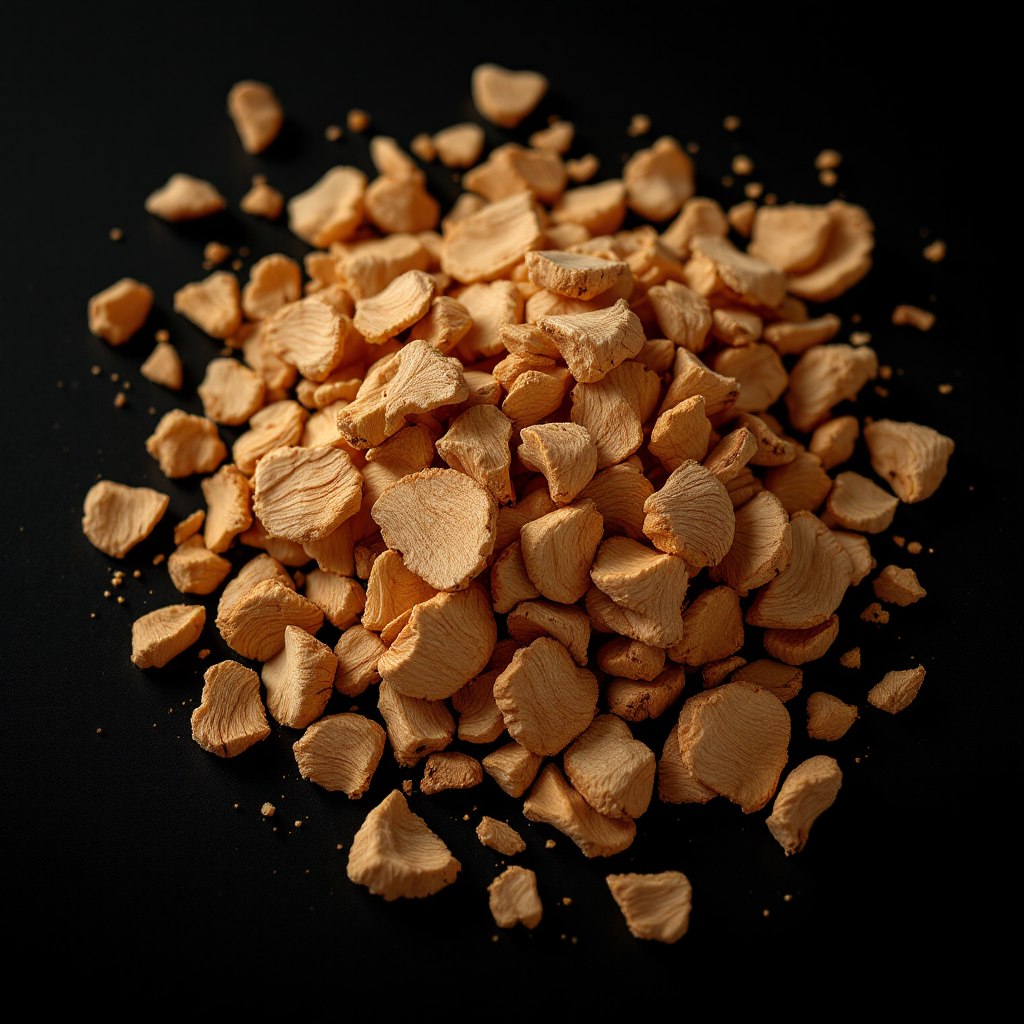
Coffeewood
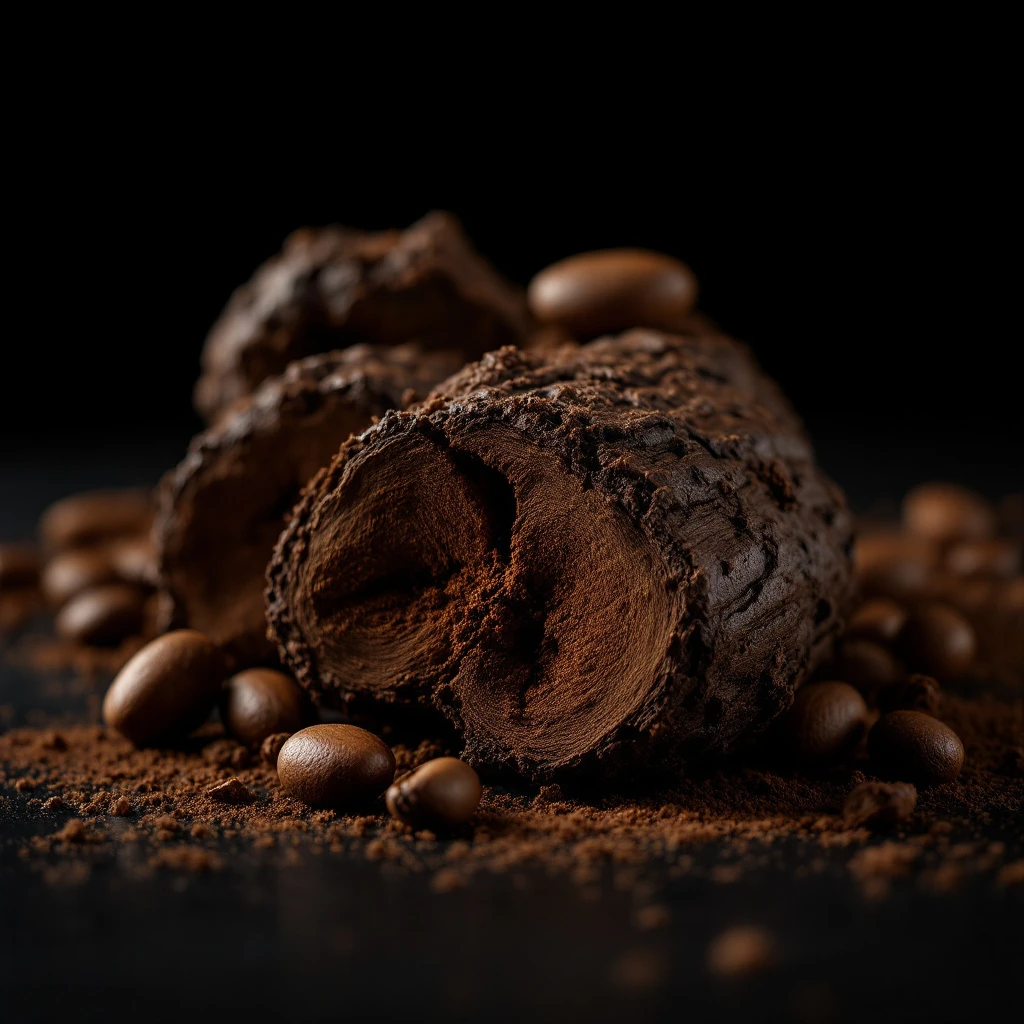
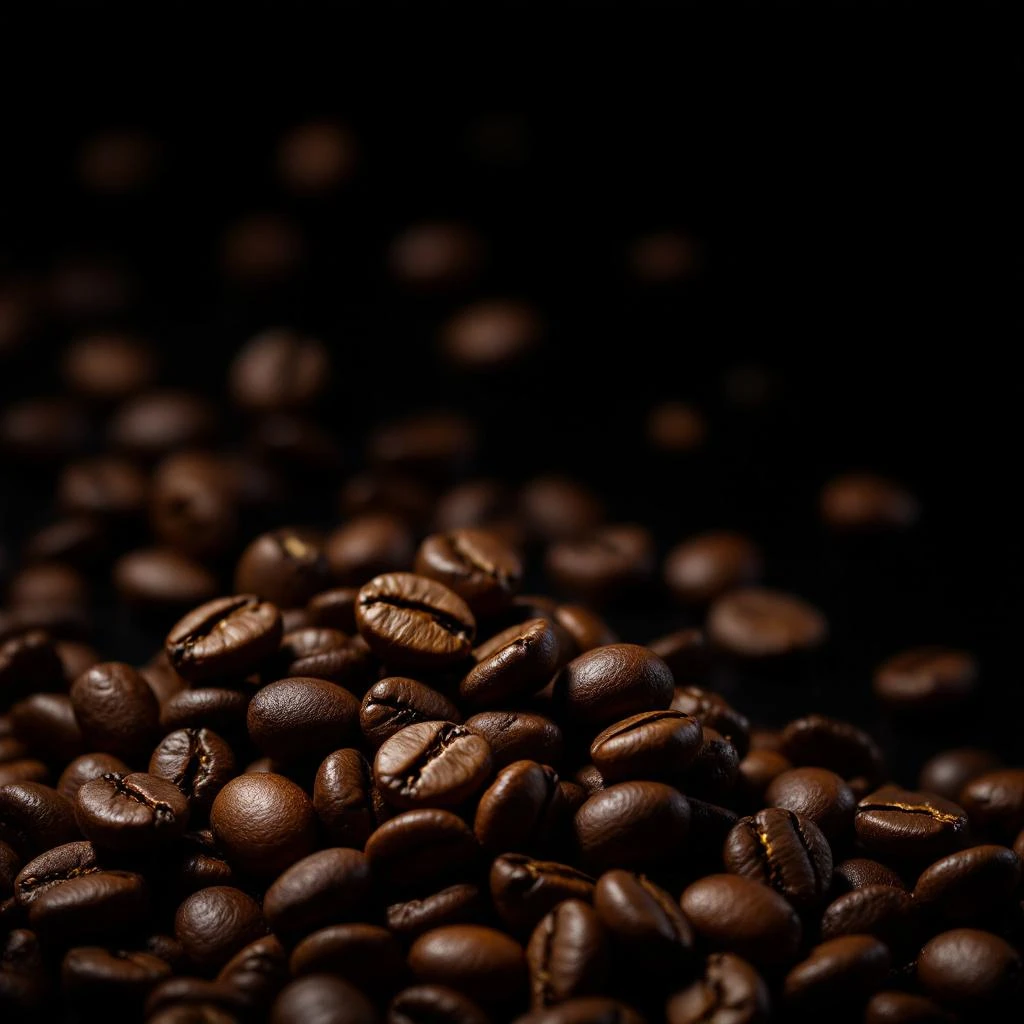
Coffee absolute brings the rich, roasted depth of freshly brewed espresso into fine fragrance. Captured through precision extraction, it delivers a dark, sophisticated warmth that grounds lighter notes and adds unexpected complexity.
Character
How it smells
The dark warmth of roasted espresso in liquid form.
Coffee aroma compounds register at parts per billion, making it one of the most potent natural ingredients in perfumery.
Pairs beautifully with

Origin
Ethiopia
Coffee originated in Ethiopia, where the plant grew wild in the highlands. Ethiopian shepherds first noticed goats becoming energetic after eating coffee berries.
Monks in Yemen began roasting and brewing the beans, discovering their stimulating properties. Coffee houses opened in Mecca by the 15th century, becoming centers for conversation and commerce.
European traders encountered coffee in the 17th century and brought it to the continent, sparking the café culture that endures today. Coffee absolute entered perfumery later, valued for its warm, complex aroma that evokes comfort and sophistication.
Wears it best
Fragrances featuring Coffeewood

Brands
Brands known for Coffeewood
Good to know
Questions, answered
The essentials on Coffeewood in perfumery: how it smells, where it comes from, and how it behaves on skin.
What is Coffeewood absolute?
Coffeewood absolute is a specialty aromatic ingredient derived from roasted coffee beans. It captures the rich, dark character of coffee through supercritical CO2 extraction, producing a concentrated material used in fine perfumery.
What does Coffeewood smell like?
Coffee absolute has a characteristic roasted espresso aroma with notes of chocolate, cocoa, and smoke. It delivers a dark, warm, and slightly bitter profile that brings depth and sophistication to fragrance compositions.
How is Coffeewood absolute produced?
The production uses supercritical carbon dioxide as a solvent. Under high pressure, CO2 extracts aromatic compounds from roasted beans. The pressure is then released, causing CO2 to evaporate and leaving behind a dark, viscous absolute.
Where does Coffeewood originate?
Coffee originates from Ethiopia, considered the birthplace of the coffee plant. Major production regions include Brazil, Colombia, and Ethiopia. The plant thrives in tropical highlands with consistent rainfall and shaded conditions.
What are the key aroma compounds in Coffeewood?
Furfuryl mercaptan contributes the characteristic coffee note. Various pyrazines add roasted, nutty qualities. These compounds together create the distinctive dark, roasted profile valued in perfumery.
What concentration is Coffeewood typically used at?
Coffee absolute is used at low concentrations, typically between 0.1% and 2% of the fragrance formula. Its potent aroma means even small amounts deliver significant impact in the final composition.
What fragrance families use Coffeewood?
Coffee absolute appears in oriental, woody, and ambery fragrance constructions. It pairs naturally with vanilla, tonka, sandalwood, and incense notes, adding warmth and complexity to luxury fragrances.
What materials blend well with Coffeewood?
Coffee absolute complements warm, rich materials including vanilla, benzoin, labdanum, and smoky woods. It works in ambery bases and adds an unexpected twist to floral compositions seeking depth and sophistication.