Coconut Macaroon
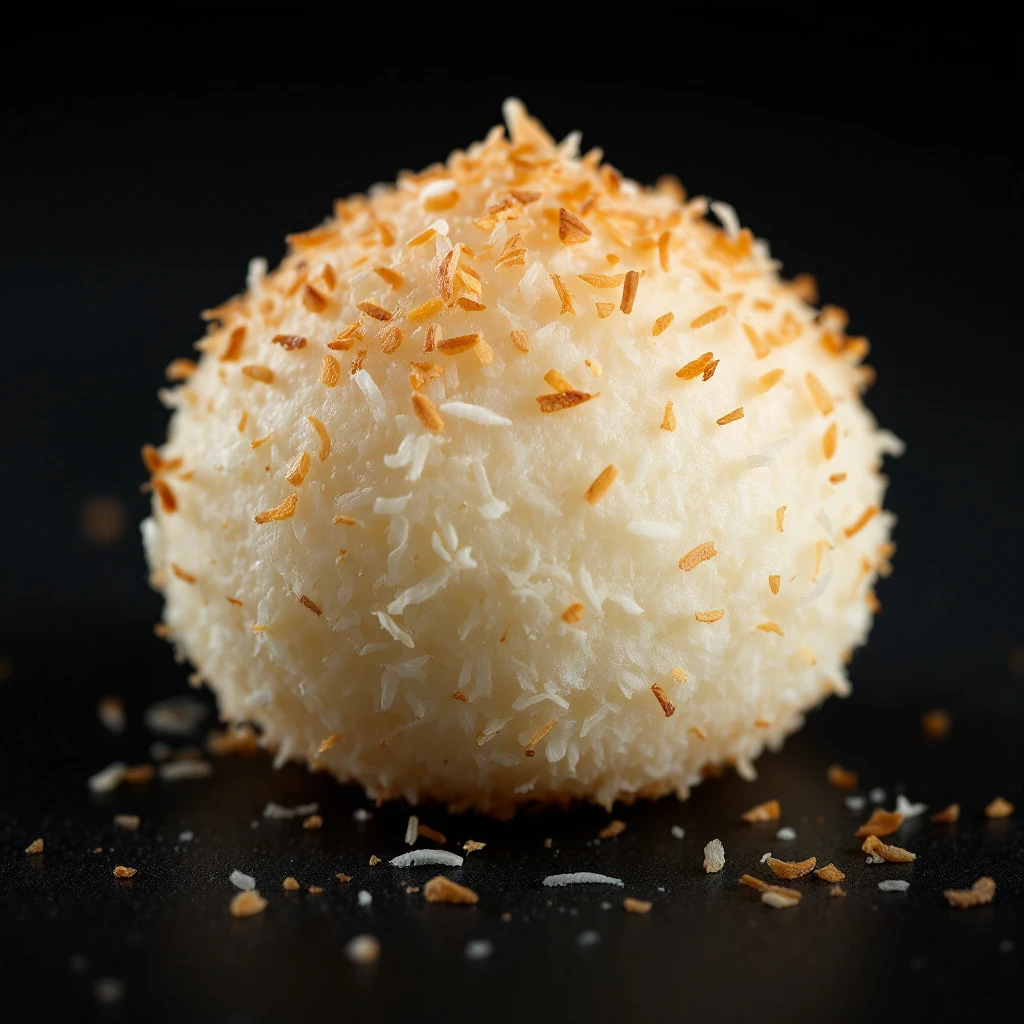
Coconut Macaroon captures the warm sweetness of toasted coconut flakes bound with vanilla and sugar. It adds a gourmand richness to fragrances, evoking baked indulgence and nostalgic comfort in every whiff.
Character
How it smells
Toasted coconut warmth with vanilla-laced sweetness
The word macaroon traces back to the Italian maccarrone, meaning fine paste, long before shredded coconut entered the recipe in the 1890s.
Pairs beautifully with

Origin
France (modern accord origin)
Macaroons trace their roots to ninth-century Sicily, where Arab invaders arrived from what is now Tunisia and introduced almond-based confections made with egg whites and sugar. The Italian word maccarrone, meaning fine paste, gave these treats their name, and by the Renaissance they had spread across European monasteries. Coconut macaroons as we recognize them today emerged in the 1890s when a French company developed a method for shredding dried coconut, making the ingredient widely available beyond tropical regions.
This technological shift transformed the macaroon from an almond confection into the sweet coconut nugget familiar in bakeries across France, Italy, and Jewish communities worldwide, particularly during Passover. The combination of sweetened coconut, vanilla, and egg whites became the defining formula. As gourmand perfumery rose in the late twentieth century, perfumers turned to these baked goods as inspiration, deconstructing their sensory profile into lactones, vanillin, and toasted sugar notes.
Today, the coconut macaroon accord channels centuries of confectionery history into a single wearable impression.
Wears it best
Fragrances featuring Coconut Macaroon
Brands
Brands known for Coconut Macaroon
Good to know
Questions, answered
The essentials on Coconut Macaroon in perfumery: how it smells, where it comes from, and how it behaves on skin.
What does Coconut Macaroon smell like in perfumery?
It smells like toasted shredded coconut sweetened with vanilla and brown sugar, carrying warm, lactonic, slightly nutty facets. The accord balances fatty, creamy richness with caramelized sweetness, often evoking baked goods rather than fresh coconut flesh.
Is Coconut Macaroon a natural or synthetic fragrance ingredient?
It is primarily a compounded accord. Natural coconut absolute exists but lacks volatility, so perfumers build the note using gamma-nonalactone, vanillin, and Maillard-derived pyrazines for the toasted character.
Which fragrance families include Coconut Macaroon?
It belongs to the gourmand family, often bridging oriental and sweet compositions. The note pairs especially well with vanilla, tonka, sandalwood, and tropical fruit accords in modern niche perfumery.
Where did coconut macaroons originate?
Macaroons trace to ninth-century Sicily, introduced by Arab troops from Tunisia. The coconut version specifically emerged in the 1890s when a French company commercialized shredded coconut, replacing the original almond paste.
What is the difference between coconut macaroon and coconut milk notes?
Coconut milk is creamy, fatty, and lactonic with milky softness. Coconut macaroon adds toasted, vanillic, and caramelized dimensions, suggesting baked sweetness rather than the fresh-pressed fruit.
Are coconut-derived ingredients sustainable in perfumery?
Coconut production supports millions of smallholder farmers in the Philippines, Indonesia, and India. However, fractionated coconut oil competes with food supply chains, prompting some houses to prefer synthetic lactones.
Which famous fragrances feature Coconut Macaroon accords?
The accord appears in scents such as Lancôme Hypnôse and Tom Ford Soleil Blanc, where toasted coconut sweetness anchors warm floral or solar compositions.
Does Coconut Macaroon work in masculine fragrances?
Yes, when balanced with woody, leathery, or smoky notes. The toasted sweetness softens sharper accords while adding gourmand intrigue without tipping into overtly feminine territory.