Coconut Cake
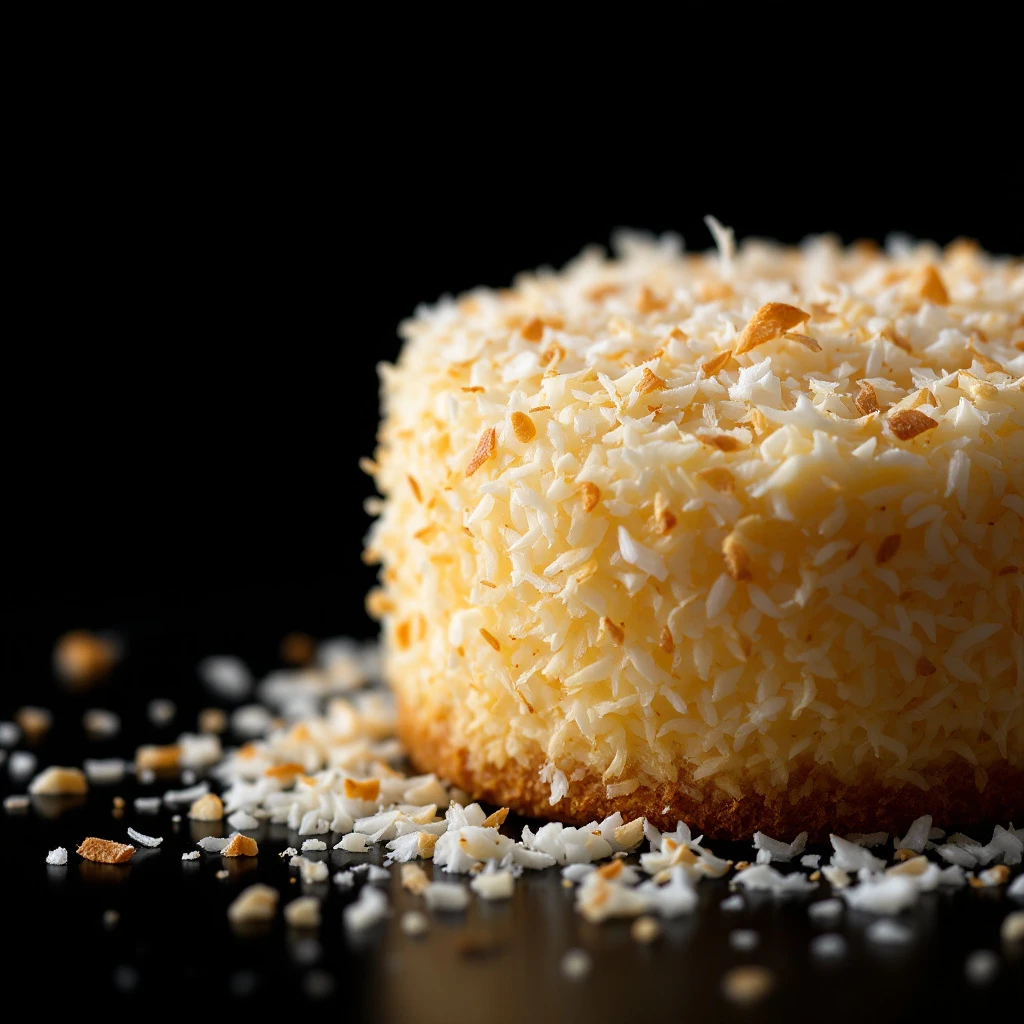
A sun-drenched indulgence: coconut cake blends tropical sweetness with warm bakery warmth, evoking sunlit patios and celebratory desserts. This gourmand accord marries lactonic coconut richness with vanilla-kissed cake batter, creating an instantly recognizable comfort note.
Character
How it smells
Tropical indulgence meets warm bakery comfort.
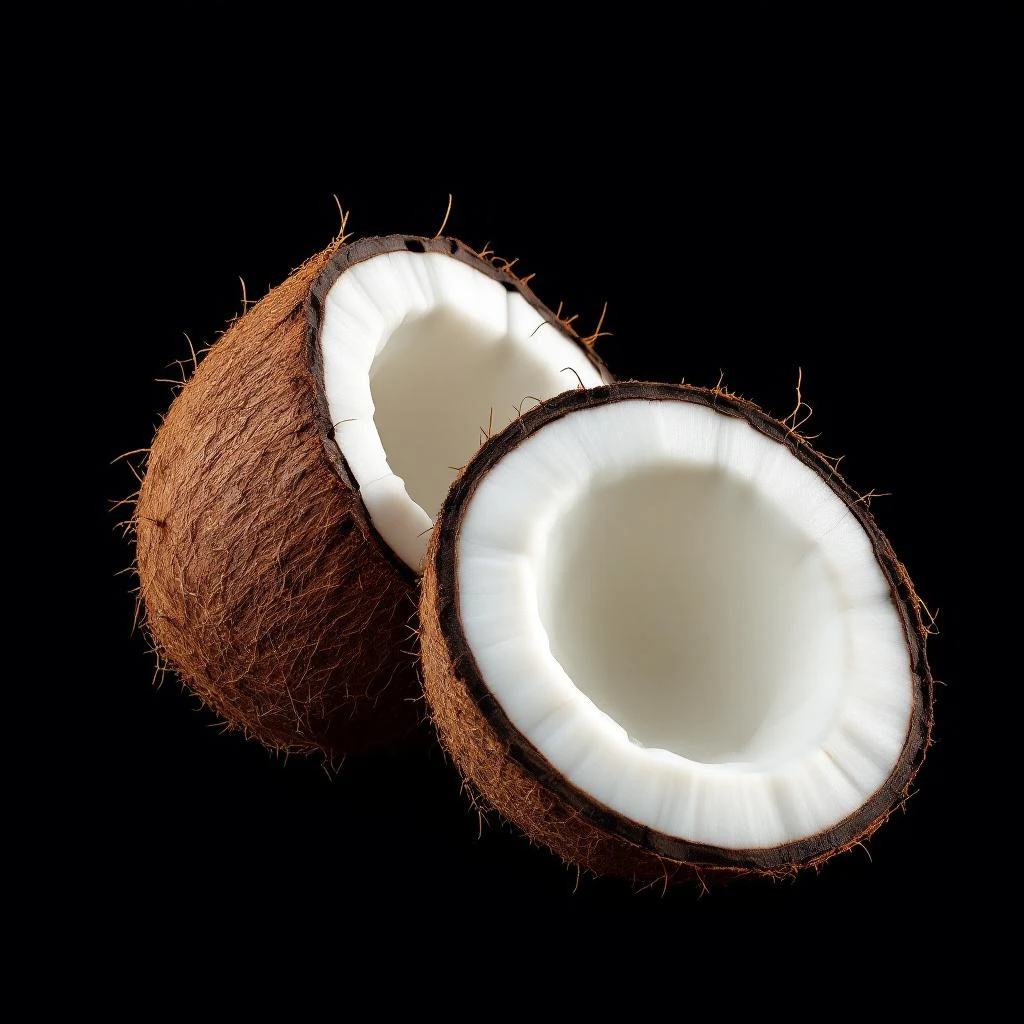
The coconut cake effect in perfumery relies on gamma-nonalactone, a molecule so accurate to fresh coconut that it is used as the standard reference in fragrance laboratories worldwide.
Pairs beautifully with

Origin
France
Before the late 1800s, perfumers attempting coconut notes worked only with coconut absolute, a solvent-extracted material prized for its tropical authenticity. The 1897 synthesis of gamma-nonalactone, now the primary coconut molecule, changed everything. This compound, naturally occurring in peaches and strawberries, gave perfumers a precise tool for coconut reconstruction.
The coconut cake accord itself emerged later, born from twentieth-century gourmand perfumery's fascination with edible notes. By the 1990s, demand for vacation-inspired comfort fragrances propelled coconut cake into countless formulations, transforming it from a simple additive into a signature element of modern scent design.
Wears it best
Fragrances featuring Coconut Cake
Brands
Brands known for Coconut Cake
Good to know
Questions, answered
The essentials on Coconut Cake in perfumery: how it smells, where it comes from, and how it behaves on skin.
What does coconut cake smell like in perfume?
Coconut cake smells like warm coconut cream layered between moist vanilla sponge. It combines creamy, lactonic coconut with bakery warmth, vanilla sweetness, and subtle buttery undertones reminiscent of freshly baked dessert.
Is coconut cake a natural or synthetic ingredient?
Coconut cake note is primarily synthetic. Perfumers build it from gamma-nonalactone, vanillin, and coumarin derivatives. Modern perfumery began synthesizing these molecules in the late nineteenth century, enabling accurate food-like recreations.
How do perfumers create the coconut cake accord?
Perfumers blend gamma-nonalactone for coconut creaminess with vanillin for cake-batter sweetness and coumarin for buttery depth. This combination creates a complete coconut cake impression using isolated natural molecules and synthetic analogues.
Which fragrance families commonly use coconut cake?
Coconut cake appears most in gourmand and tropical fragrance families. It bridges warm vanilla-forward scents with bright coconut themes, creating accessible, comfort-oriented perfumes popular since the 1990s.
What molecules define coconut cake scent?
Gamma-nonalactone is the signature molecule, providing authentic coconut character. Vanillin adds cake-like sweetness while coumarin derivatives supply the buttery, slightly toasted notes that complete the cake impression.
Does coconut cake smell more like dessert or coconut?
Coconut cake balances both elements equally. The coconut reads as the dominant tropical note while vanilla and bakery molecules provide the cake context, creating a cohesive dessert-fruit impression rather than one overpowering the other.
How long does coconut cake last on skin?
Coconut cake note typically lasts 3-5 hours as a heart or base element. Gamma-nonalactone provides moderate longevity while vanillin extends wear, making these accords more persistent than pure citrus but less tenacious than heavy woods.
What notes pair well with coconut cake?
Coconut cake pairs naturally with tropical companions like frangipani, tiare, and sea salt. Warm companions including tonka bean, sandalwood, and amber amplify its dessert character while maintaining coherence.