Cocoa Liquor
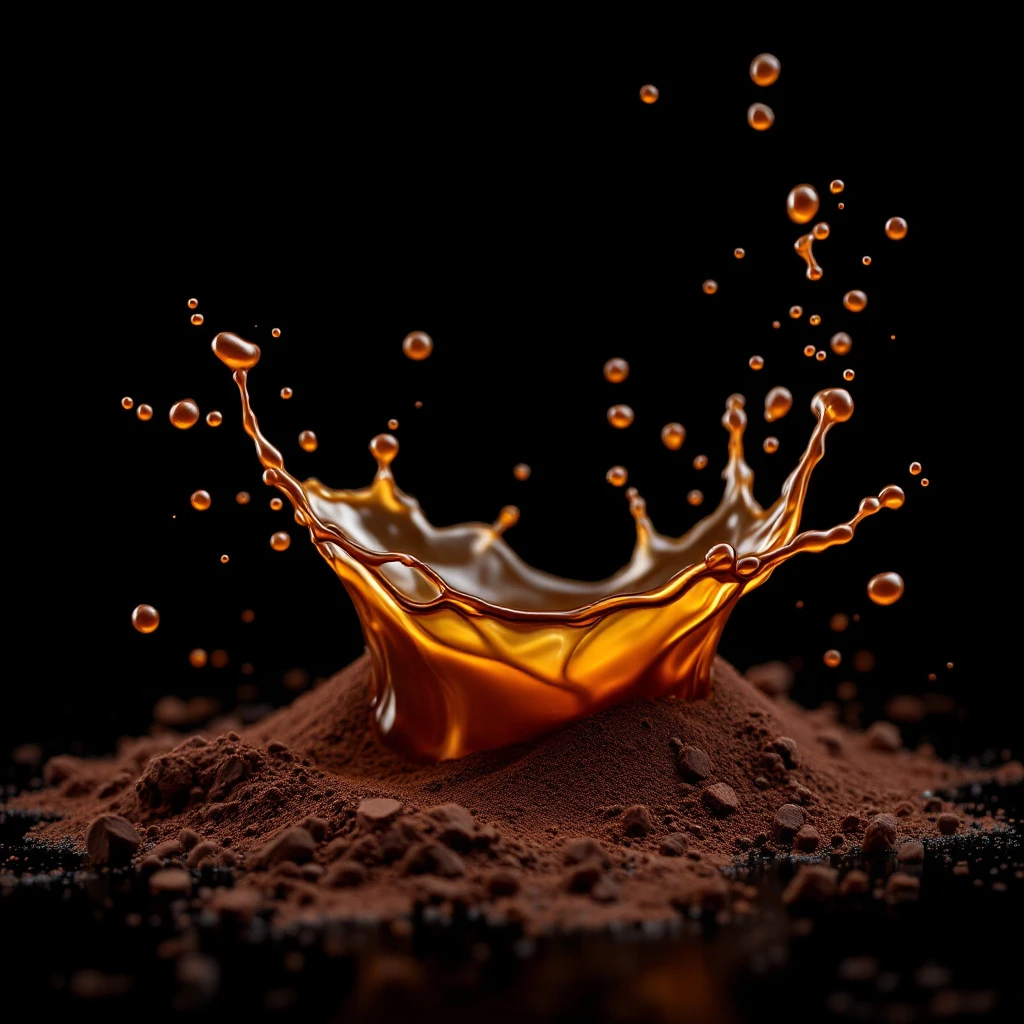
Rich, roasted, and deeply complex. Cocoa liquor brings the full-bodied warmth of dark chocolate to fragrance—fermented, deep, and unmistakably indulgent.
Character
How it smells
The dark seduction of chocolate in a bottle.
Cocoa absolute only entered perfumery in the 19th century when French perfumers began solvent-extracting roasted cacao beans.




Origin
Ivory Coast
Cacao traces its roots to Mesoamerica, where the Maya first cultivated Theobroma cacao around 1000 BCE. They considered it a sacred gift and used cocoa beverages in ritual ceremonies, sometimes burying cacao with royalty. The Aztec Empire later adopted and expanded cacao culture.
Montezuma II reportedly maintained elaborate reserves of cacao and served the bitter drink frothed with vanilla and spices to nobility. The Aztecs also used cacao beans as currency—one slave cost roughly 100 beans. When Spanish conquistadors encountered the drink in the 16th century, they initially rejected it as bitter and strange.
Chocolate only won over European courts after sugar was added, and by the 1800s, French perfumers began experimenting with cocoa absolute. Guerlain's Jicky in 1889 became one of the first perfumes to feature cocoa, opening the door for chocolate notes in modern fragrance. The Ghanaian and Ivorian cocoa trades, developed largely under colonial-era agricultural systems, today supply the bulk of the world's perfumery-grade cacao.
Wears it best
Fragrances featuring Cocoa Liquor
Brands
Brands known for Cocoa Liquor
Good to know
Questions, answered
The essentials on Cocoa Liquor in perfumery: how it smells, where it comes from, and how it behaves on skin.
What is cocoa absolute in perfumery?
Cocoa absolute is a solvent-extracted aromatic material from roasted Theobroma cacao beans. It captures the deep, roasted, fermented character of dark chocolate. Most perfumers work with cocoa absolute rather than raw cocoa liquor for its concentrated, consistent scent profile.
When did perfumers first use cocoa in fragrance?
Cocoa entered Western perfumery in the 19th century when French perfumers began extracting aromatic compounds from roasted cacao beans. One of the earliest documented uses was in Guerlain's Jicky in 1889, which featured cocoa alongside lavender and vanilla.
What does cocoa smell like in a fragrance?
Natural cocoa absolute smells intensely roasted and bitter, with dark chocolate, leathery, and slightly earthy undertones. It lacks the sweetness of confectionery chocolate because no sugar is added during extraction.
Is cocoa absolute the same as cocoa liquor?
Cocoa liquor is the roasted, ground cocoa bean paste used in chocolate making. Cocoa absolute is a further solvent extraction step that captures only the aromatic constituents. Both derive from roasted beans, but absolute is the perfumer's concentrated aromatic material.
Which countries produce the most cocoa for perfumery?
West African nations supply roughly two-thirds of the world's cocoa. The Ivory Coast is the single largest producer, followed by Ghana, Nigeria, and Cameroon. These equatorial regions offer the warm, humid conditions Theobroma cacao requires.
Does fermentation affect cocoa's scent?
Fermentation is essential. Unfermented cocoa beans taste of raw fruit and bitterness. The six-to-seven-day fermentation process breaks down pulp sugars and triggers chemical reactions that generate the pyrazines and aldehydes responsible for chocolate's characteristic aroma.
What fragrance families pair well with cocoa?
Cocoa pairs naturally with vanilla, amber, and tonka bean in oriental compositions. It also works alongside incense, leather, and spices like cinnamon and cardamom for depth. In chypre structures, cocoa adds warmth beneath citrus and bergamot.
Can synthetic materials replicate cocoa in perfume?
Synthetics like vanillin and various pyrazines can approximate aspects of cocoa, but natural cocoa absolute retains a complexity—fermented, smoky, and leathery—that fully synthetic reconstruction struggles to match. Most prestige cocoa fragrances use at least a base of natural material.





