Coca Blossom
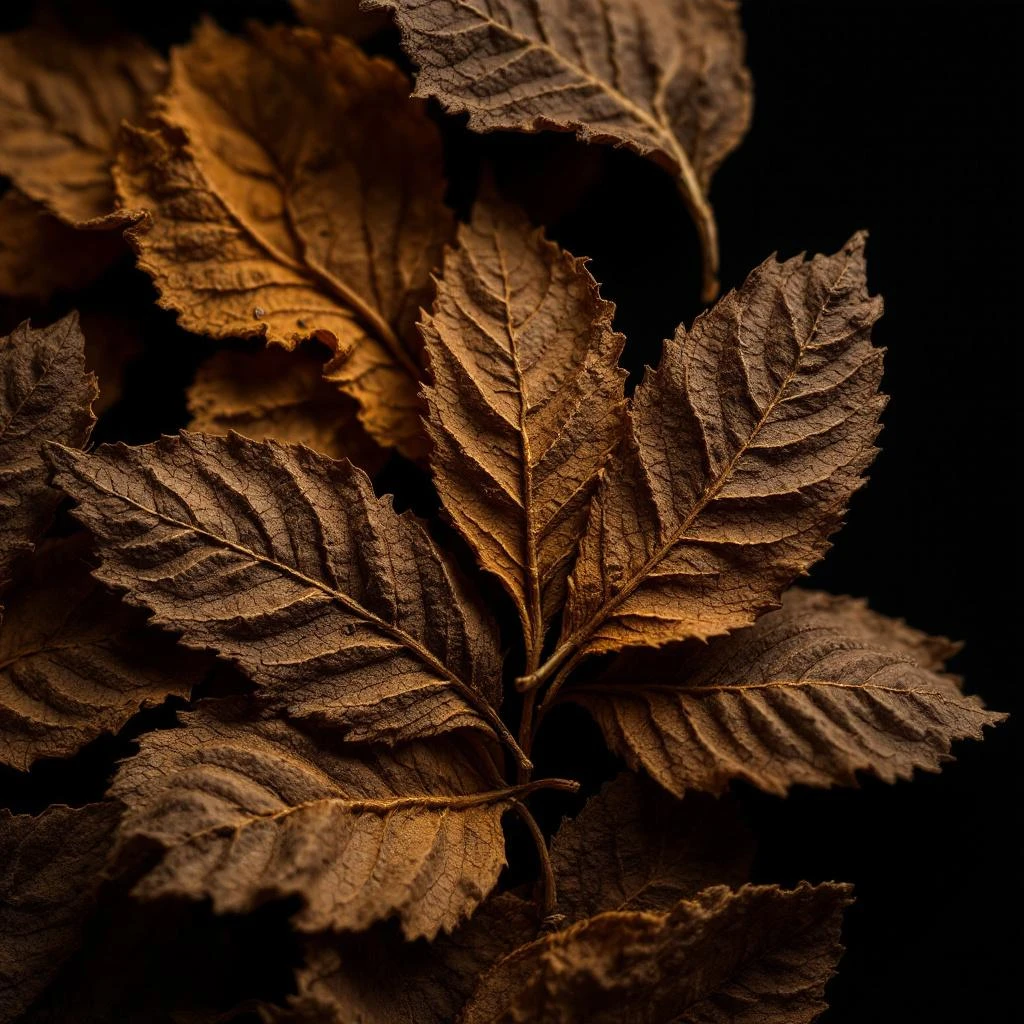
Delicate white blooms from the sacred Andean coca plant reveal a subtle green-floral scent, bridging fresh greenery with tender blossom, rarely captured but unforgettable when encountered.
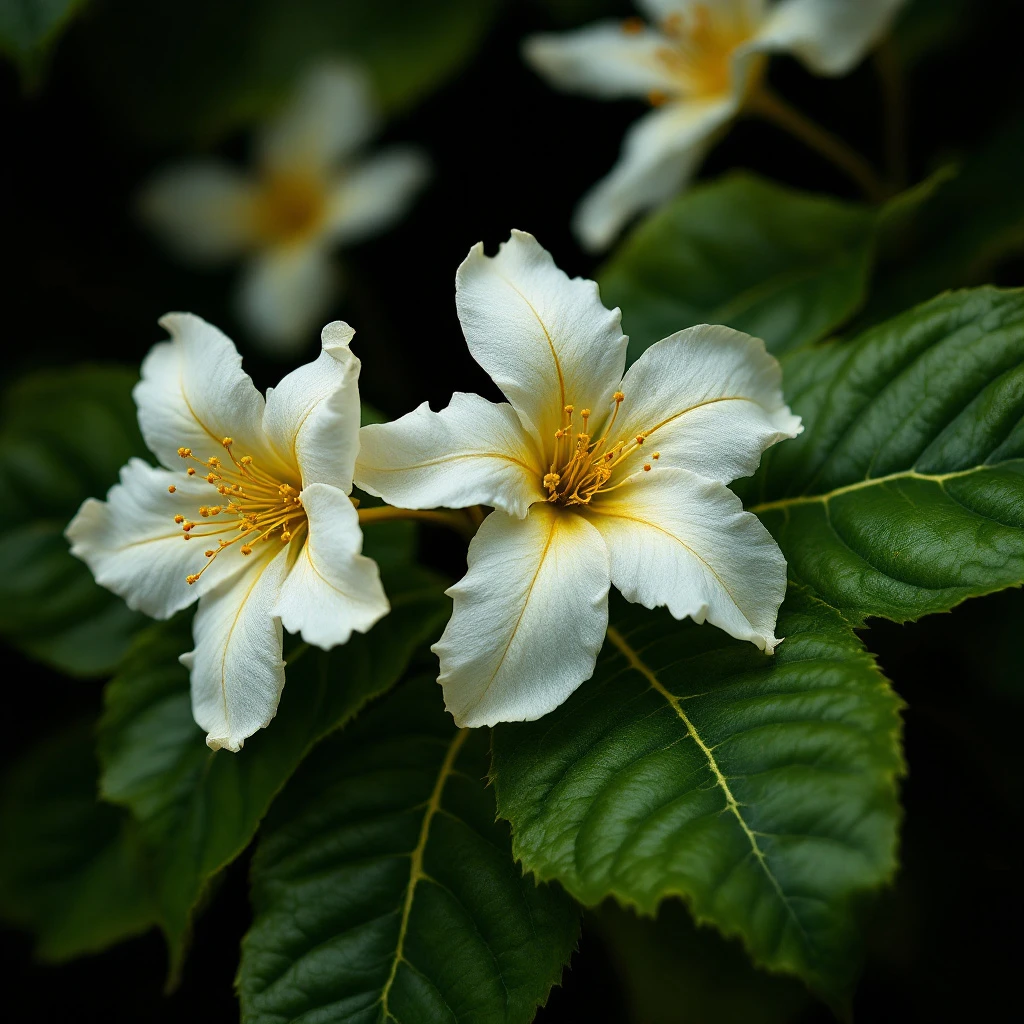
Character
How it smells
Andean florals meet green freshness
Indigenous Andean peoples have cultivated the coca plant for over 3,000 years, yet perfumers rarely work with its blossoms, making this one of the rarest floral materials in modern fragrance.
Pairs beautifully with
Origin
Peru
The coca plant holds profound cultural significance across the Andes, where indigenous peoples have cultivated it since before recorded history. The Moche civilization depicted coca leaves in their ceramics as early as 450 AD, and Inca emperors reserved the finest leaves for ceremonial and medicinal purposes.
Spanish colonizers initially prohibited coca use but later embraced it when they realized indigenous laborers could not work effectively without it. The plant arrived in European consciousness primarily through pharmaceutical的好奇 and later through the global popularity of cola-flavored beverages.
Coca blossom as a perfumery ingredient emerged only in recent decades, largely through the work of independent natural perfumers seeking rare botanicals. Its inclusion in fragrance compositions remains controversial and heavily regulated, with most perfumers relying on synthetic recreations that capture the green-floral character without the legal complexities of natural material.
Wears it best
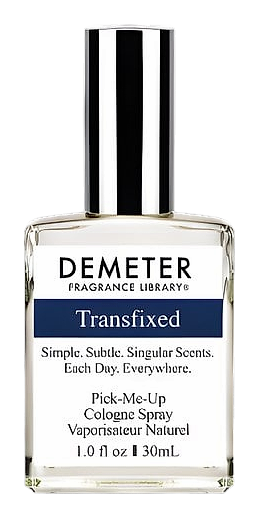
Fragrances featuring Coca Blossom
Brands
Brands known for Coca Blossom
Good to know
Questions, answered
The essentials on Coca Blossom in perfumery: how it smells, where it comes from, and how it behaves on skin.
What does coca blossom smell like?
Coca blossom delivers a subtle green-floral scent combining fresh stem notes with delicate petal sweetness. It reads as greener than jasmine yet softer than hyacinth, with an almost dewy quality reminiscent of morning condensation on petals.
Is natural coca blossom used in mainstream perfumery?
Natural coca blossom appears in fewer than a dozen commercial fragrances worldwide due to regulatory restrictions. Most perfumers rely on synthetic aromachemicals that approximate its green-floral profile.
What parts of the coca plant are used in perfumery?
When used, perfumers work with the blossoms rather than the more well-known leaves. The flowers produce a distinctly different aromatic profile compared to the plant's foliage.
Where does coca blossom originate?
The coca plant thrives in the Andean region spanning Peru, Bolivia, and Colombia at elevations between 500 and 2,000 meters. Peru remains the primary cultivator for legitimate commercial and medicinal uses.
Is coca blossom material legal to use in fragrance?
Legal status varies by country. Peru and Bolivia permit controlled cultivation for traditional and commercial purposes, while most Western nations heavily regulate access to any coca-derived material.
How is coca blossom absolute produced?
Harvested blossoms undergo solvent extraction to produce a concrete, which is then washed with alcohol to yield the absolute. The process requires specialized equipment and regulatory compliance.
Why is coca blossom so rare in perfumery?
The plant's association with restricted substances has deterred most fragrance houses from pursuing natural material development. Additionally, cultivation for perfume would require dedicated agricultural infrastructure separate from medicinal production.
Can synthetic alternatives replicate coca blossom's scent?
Chemistry cannot fully recreate natural coca blossom, but combinations of green notes like cis-3-hexenol with indolic florals come close. These synthetic interpretations form the basis of most commercial fragrances referencing the note.





