Clean Woods
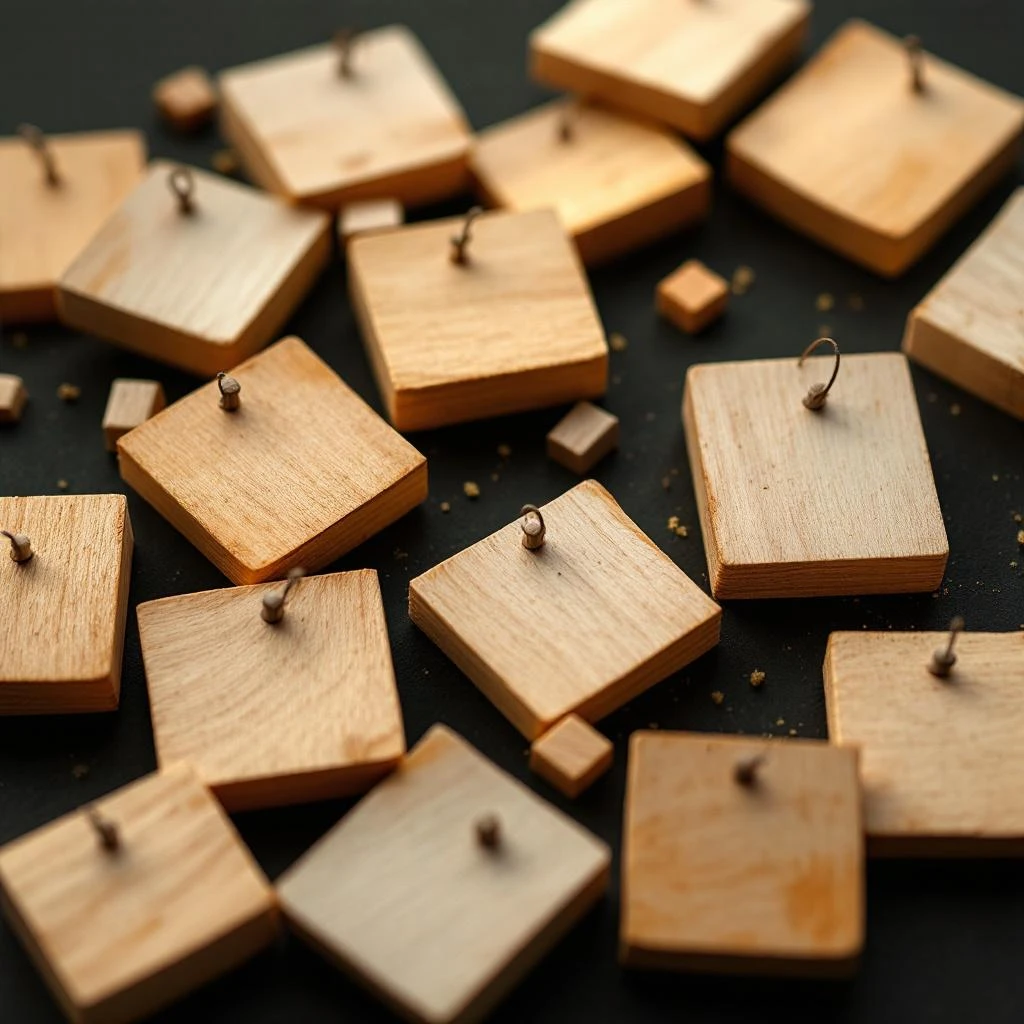
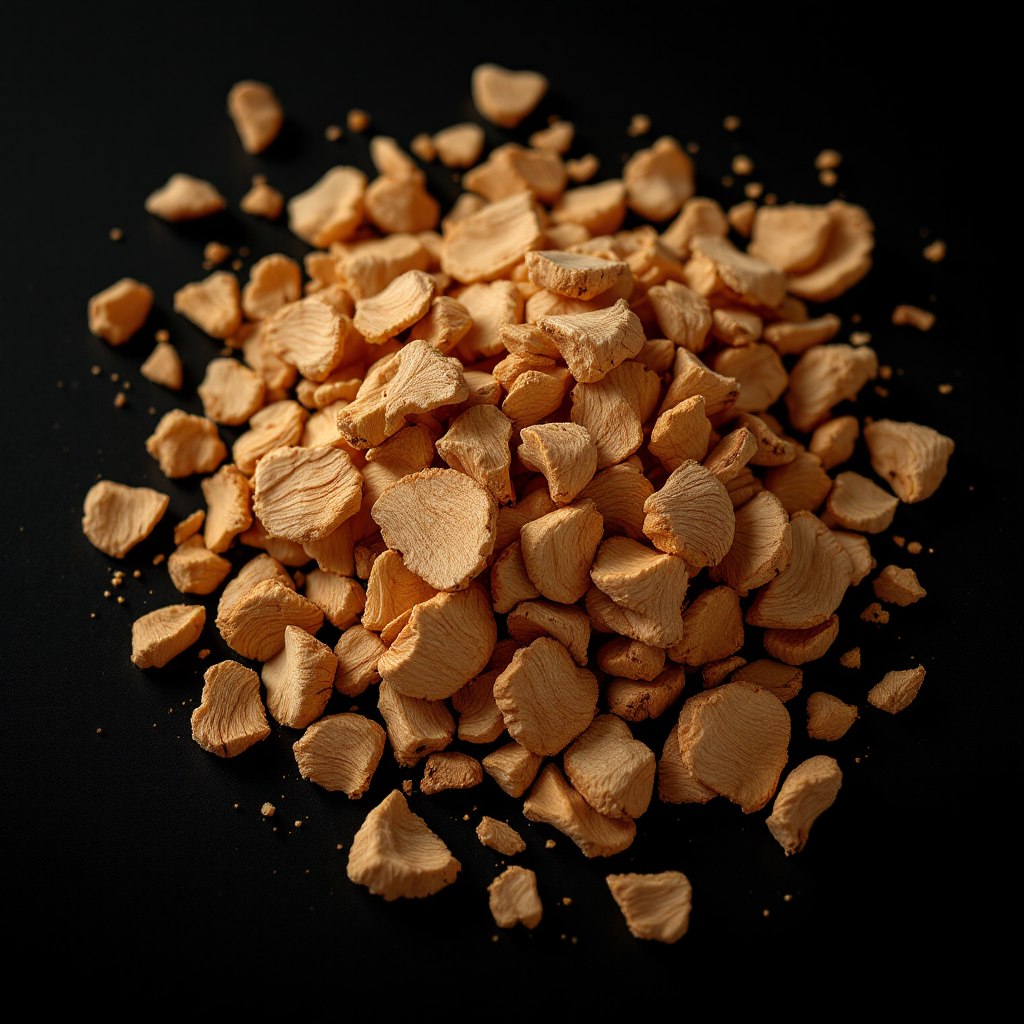
Clean Woods capture the essence of forest without the density of traditional woody notes. These materials offer pure, airy wood characters that modern perfumers rely on for transparent, contemporary compositions.
Character
How it smells
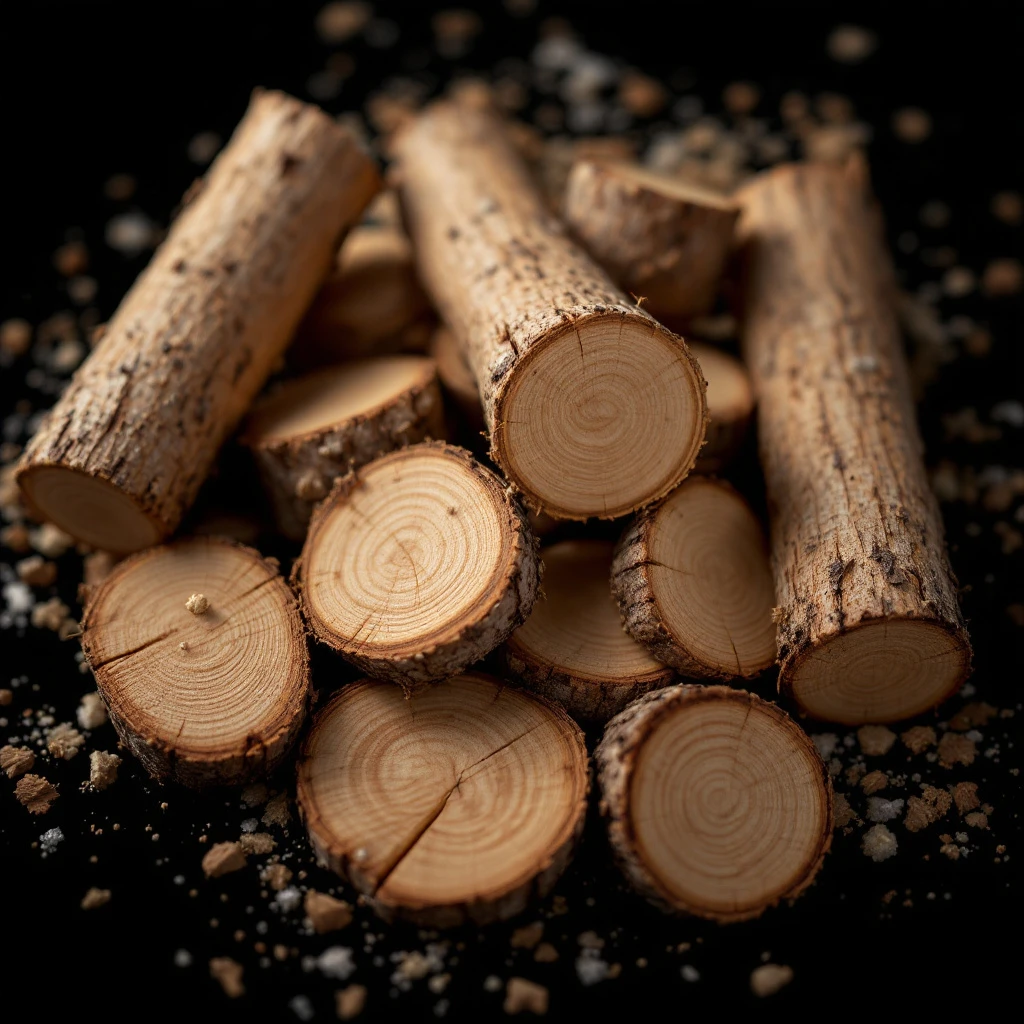
The pristine heart of the forest, captured clean.
Some clean wood molecules took 15 years to develop before perfumers could work with their transparent, almost invisible wood character.
Pairs beautifully with



Origin
Haiti
The pursuit of cleaner, more transparent wood notes accelerated in the 1980s when consumer preferences shifted toward lighter fragrances. Natural Amyris had served as a sandalwood substitute since the 18th century, when it became known as "West Indian sandalwood" in European perfumery.
However, true Clean Woods as a perfumery concept arrived with synthetic chemistry breakthroughs in the 1990s, when molecular design allowed perfumers to isolate and amplify specific wood odor characteristics. These new materials let perfumers build wood bases without the traditional heavy, resinous associations, enabling the fresh, minimalist fragrances that dominated the early 2000s and continue to influence contemporary perfumery.
Wears it best
Fragrances featuring Clean Woods
Brands
Brands known for Clean Woods
Good to know
Questions, answered
The essentials on Clean Woods in perfumery: how it smells, where it comes from, and how it behaves on skin.
What makes Clean Woods different from traditional wood notes?
Clean Woods lack the density and sillage of traditional woody notes. They provide a transparent, almost invisible wood effect that modernizes compositions without announcing itself loudly.
Are Clean Woods natural or synthetic?
Both exist. Natural Clean Woods come from Amyris and similar plants via steam distillation. Synthetic Clean Woods are lab-created molecules engineered specifically for their transparent wood character.
Which fragrances commonly feature Clean Woods?
Clean Woods appear frequently in modern designer and niche fragrances released since 2010, particularly those marketed as fresh, minimalist, or gender-neutral.
How do Clean Woods perform in fragrance composition?
Clean Woods excel as fixatives and base modifiers. They extend fragrance longevity without adding weight, making them valuable in lightweight compositions designed for intimate sillage.
Do Clean Woods smell like sandalwood?
Natural Amyris oil carries sandalwood-like qualities, which is why it historically served as a substitute. Synthetic Clean Woods may echo sandalwood or offer more abstract, pure wood characteristics.
Can Clean Woods replace traditional woody notes entirely?
They complement rather than replace traditional woods. Clean Woods add transparency to compositions where traditional woods would overwhelm, but they cannot replicate the full-bodied character of genuine sandalwood or cedar.
Are Clean Woods sustainable choices?
Synthetic Clean Woods reduce pressure on overharvested species. Biotech production methods also offer lower environmental impact compared to some traditional extraction processes.
How do Clean Woods interact with other fragrance ingredients?
Clean Woods blend seamlessly with citrus, florals, and marine notes. They add structural depth to bright compositions without disrupting their overall lightness.