Civetone
From gland to grand formula: civetone is the key aromatic ketone in civet, lending perfume its unmistakable animal warmth. Now synthesized ethically, this note continues to shape modern fragrance.
Character
How it smells
Animal warmth, ethically reborn.
Synthetic civetone delivers the same warm, musky character as real civet without any animal sourcing, making it a modern perfumery standard.







Origin
Ethiopia
Civet has been prized in perfumery for over two millennia. Ancient Egyptians used it in religious rituals and cosmetics, valuing its intense, persistent warmth.
By the 16th century, European traders were sourcing civet from East Africa and the Horn of Africa, with Ethiopian production becoming particularly organized under Portuguese and later Dutch influence. It became a cornerstone of classic accords, famously appearing in Guerlain's Jicky (1889), one of the first perfumes to successfully bridge natural and synthetic materials.
The development of synthetic civetone in the early 20th century marked a turning point: perfumers could retain the characteristic animalic depth civet lent to a composition while avoiding the ethical controversies and supply instabilities of the natural extract. Today, the synthetic version is the industry standard, preserving a rich olfactory heritage.
Wears it best
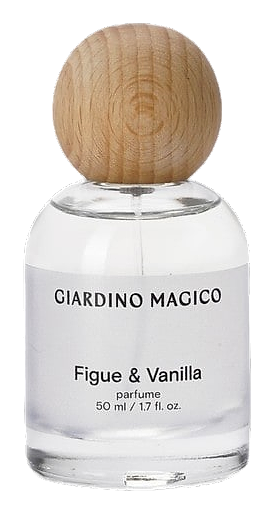
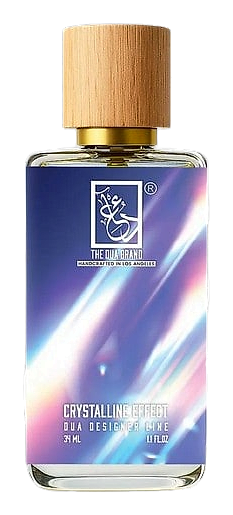
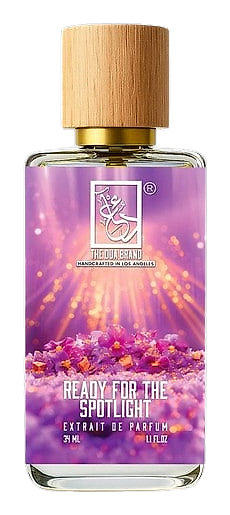
Fragrances featuring Civetone
Brands
Brands known for Civetone
Good to know
Questions, answered
The essentials on Civetone in perfumery: how it smells, where it comes from, and how it behaves on skin.
What is civetone in perfumery?
Civetone is the primary aromatic ketone found in civet, the glandular secretion of the African civet. It provides a warm, animalic, slightly fecal note that gives perfumes depth and sensuality.
Does civetone smell like real civet?
Yes, synthetic civetone replicates the characteristic warm, musky, animalic scent of natural civet. It carries notes often described as fecal, leathery, and sweet with a lingering warmth.
Is natural civet still used in perfume today?
Natural civet is rare and heavily regulated under CITES due to animal welfare concerns. Most modern perfumery relies on synthetic civetone, which offers identical olfactory properties without ethical concerns.
What type of fragrance uses civetone?
Civetone appears primarily in oriental and chypre fragrances where its animalic warmth anchors base notes. It adds persistence, sensuality, and a natural depth that synthetic musks often lack.
When was synthetic civetone developed?
Organic chemistry advances in the early-to-mid 20th century enabled the synthesis of civetone. The chemical structure is a 17-carbon macrocyclic ketone, reproduced reliably in laboratories since the 1920s.
What animal produces civetone?
Civetone occurs naturally in the perineal glands of the African civet (Civettictis civetta), a nocturnal mammal found across sub-Saharan Africa. Both males and females produce the secretion.
Is civetone safe to use in cosmetics and perfumes?
IFRA regulations permit synthetic civetone in fine fragrance and cosmetics at controlled concentrations. It is considered safe when produced and used according to international standards.
How does civetone compare to other animal notes like musk?
Musk provides a clean, powdery warmth, while civetone delivers a richer, earthier animalic character with fecal and leathery facets. Perfumers often layer both to build complex, lasting base notes.