Bourbon Vanilla (residual)
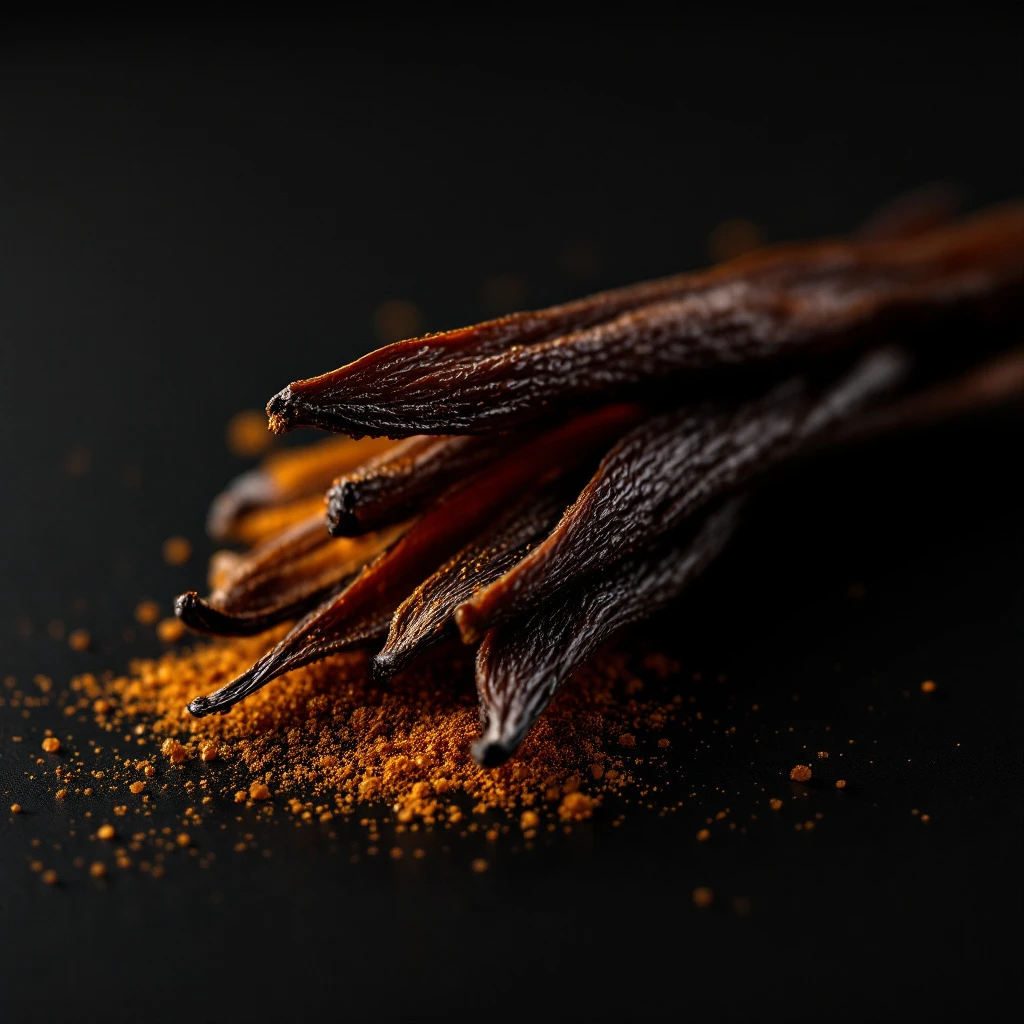
Deep, warm vanilla from the Bourbon Islands. Madagascar and Réunion produce the world's most coveted vanilla, distinguished by creamy sweetness, floral grace, and woody depth. A perfumery treasure.
Character
How it smells
The world's most aromatic vanilla bean.
Vanilla comes from an orchid, one of roughly 11,000 species. It is the only edible fruit-bearing member of the orchid family.
Pairs beautifully with



Origin
Madagascar
Vanilla traces to Mesoamerica, where Aztecs and Totonacs flavored theirxicolatl drink. Spanish conquistadors brought it to Europe in the 1500s.
For centuries it remained rare and costly. In 1841, on Réunion Island, a 12-year-old enslaved botanist named Edmond Albius discovered hand-pollination.
This method spread across French colonies, making commercial cultivation possible. Madagascar and Réunion became the world's leading producers, and 'Bourbon vanilla' became a recognized classification tied to origin and cultivar.
Wears it best
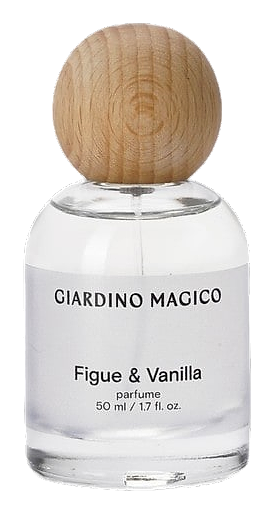
Fragrances featuring Bourbon Vanilla (residual)
Good to know
Questions, answered
The essentials on Bourbon Vanilla (residual) in perfumery: how it smells, where it comes from, and how it behaves on skin.
What makes Bourbon vanilla distinct from other vanilla?
Bourbon vanilla refers to Vanilla planifolia grown in Madagascar and Réunion. The volcanic soil, tropical humidity, and island climate produce a rich, complex aroma combining creamy sweetness with floral and woody notes, setting it apart from vanilla grown elsewhere.
Why is Edmond Albius important to vanilla history?
In 1841, Albius, a 12-year-old on Réunion Island, invented hand-pollination for vanilla orchids. This was critical because vanilla relies on specific bees native only to Mexico for natural pollination. His discovery enabled commercial vanilla cultivation outside its native range.
Is Bourbon vanilla aged in bourbon barrels?
No. 'Bourbon' refers to the historical colonial name for Réunion Island and the vanilla cultivar it produces. Some producers do age vanilla pods in bourbon barrels to add smoky, woody notes, but standard Bourbon vanilla undergoes curing without barrel contact.
What does 'residual' mean for vanilla in perfumery?
Residual vanilla comes from pods already used for primary extraction, or from secondary extractions capturing compounds remaining after initial processing. It retains vanilla's aromatic character with lower vanillin content but distinct persistence and nuance valued in fragrance blending.
What aromatic compounds give Bourbon vanilla its scent?
Vanillin is the primary aromatic compound, but natural Bourbon vanilla contains over 200 additional compounds including phenols, aldehydes, and esters. This complexity creates the rich, multifaceted aroma that synthetic vanillin alone cannot reproduce.
What is barrel-aged vanilla in perfumery?
Vanilla pods or extracts are sometimes stored in used bourbon or whiskey barrels to absorb smoky, woody notes. This technique adds an extra dimension to vanilla's natural sweetness, creating accords that evoke aged spirits in fragrance.
Why is natural vanilla more expensive than synthetic alternatives?
Vanilla requires three years from planting to harvest, hand-pollination of every flower, and months of curing. Synthetic vanillin is chemically identical but lacks the full spectrum of compounds in natural vanilla. Most mass-market perfumes use synthetic vanillin; natural vanilla appears primarily in premium and niche fragrances.
How does residual vanilla perform in perfumery?
Residual vanilla offers a more economical option with lower vanillin content but distinctive aromatic persistence. It adds warmth, depth, and tenacity to fragrance bases, making it valuable for dry-down phases where its character lingers after top notes fade.





