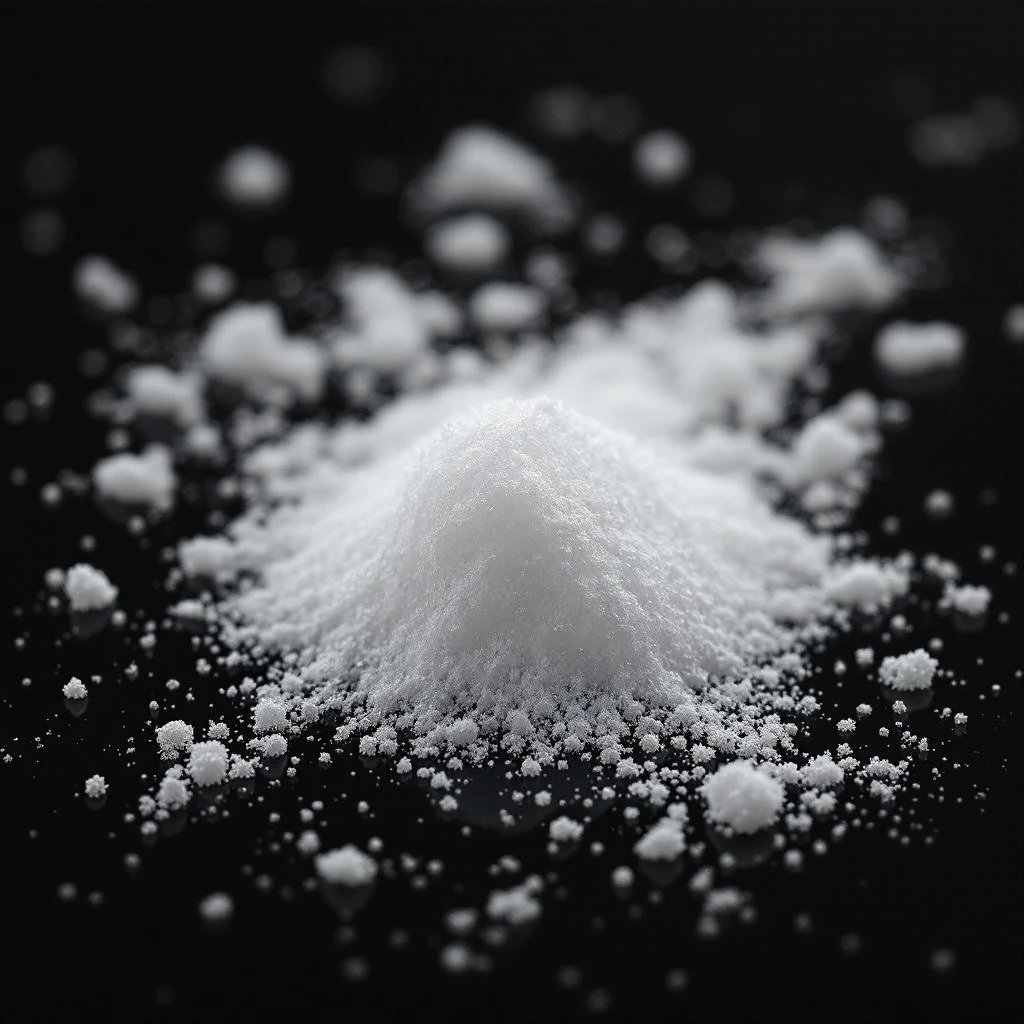
Citrus Sorbet
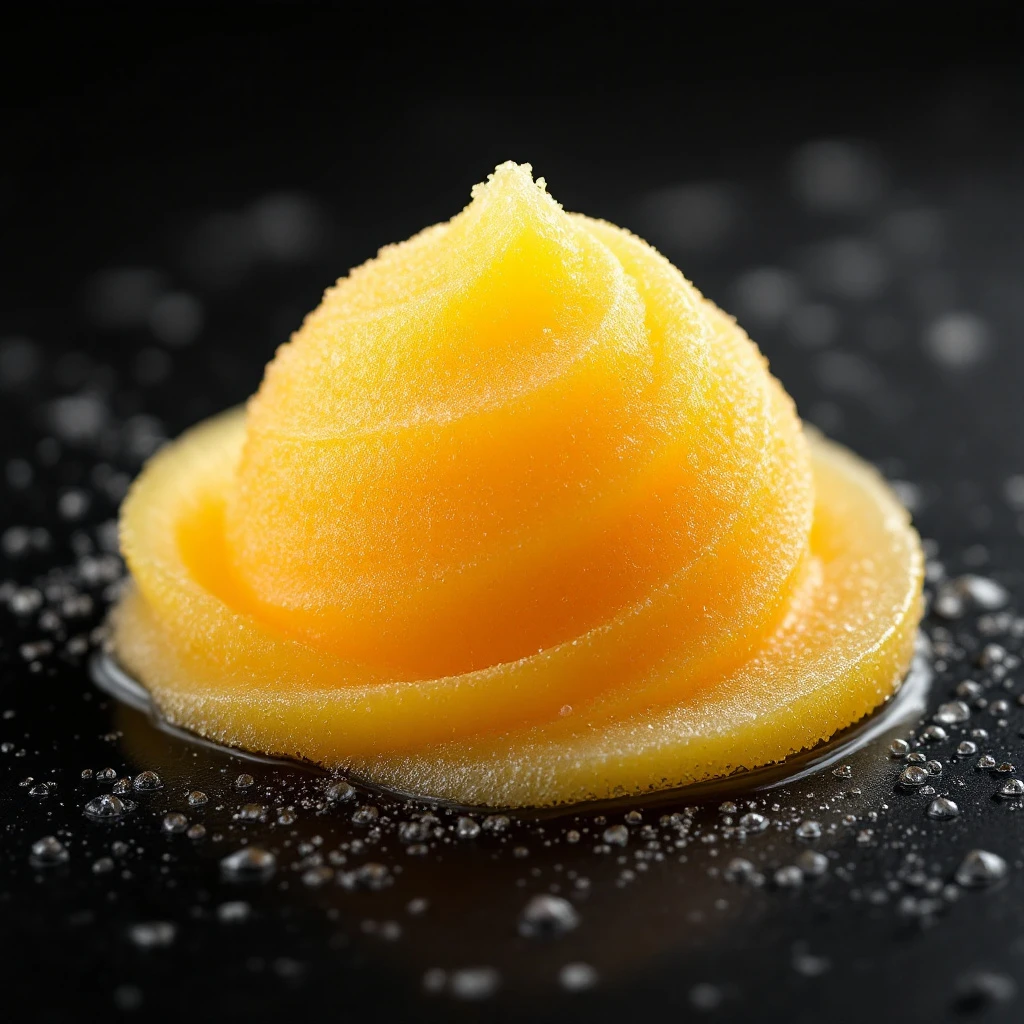
Citrus sorbet captures the frozen, effervescent sweetness of shaved ice drenched in fresh citrus oils. It smells sharp, sugary, and crystalline, like biting into a chilled lemon-lime granita on a hot afternoon.
Character
How it smells
Iced citrus, crystallized sunshine.
Sorbet is an accord, not a raw ingredient: perfumers combine citrus aldehydes like citral and decanal with cooling agents such as WS-23 to mimic the brain-freeze sensation of frozen fruit.
Pairs beautifully with

Origin
Italy
Sorbet as a perfumery concept is a 21st-century invention, born from a tradition that stretches back centuries. Citrus itself is among the oldest fragrance families used by humans: a Babylonian perfumer named Tapputi, recorded on a cuneiform tablet around 1200 BCE, is considered one of the earliest chemists, and her recipes featured aromatics pressed from plant materials.
By the 18th century in Europe, citrus-based compositions were so dominant that the word Eau de Cologne came to mean any fresh, citrus-forward fragrance, and Italian growers in Calabria were still hand-scraping bergamot zest using the scorze a mano technique to collect the finest oils. The frozen-dessert accord itself emerged in mainstream perfumery only after cooling synthetic molecules became widely available to formulators in the late 1990s and early 2000s.
Perfumers began pairing these compounds with traditional citrus oils to evoke icy drinks, shaved ices, and chilled fruit cups. Today the sorbet accord signals freshness in an era when consumers associate sharp, cool scents with cleanliness and energy, making it a modern staple in summer and unisex launches.
Wears it best
Fragrances featuring Citrus Sorbet
Brands
Brands known for Citrus Sorbet
Good to know
Questions, answered
The essentials on Citrus Sorbet in perfumery: how it smells, where it comes from, and how it behaves on skin.
What does citrus sorbet smell like in perfume?
It smells like freshly squeezed citrus oils blended with a pharmaceutical cooling sensation, similar to biting into lemon or lime granita. The accord balances sharp zest, sugary fruitiness, and a frozen, menthol-like freshness on the skin.
Is citrus sorbet a natural ingredient?
No. Citrus sorbet is an accord built from both natural cold-pressed peel oils and synthetic cooling molecules such as WS-23 or menthyl lactate. There is no single plant source for the note.
What gives citrus sorbet its cold, icy character?
The icy quality comes from synthetic cooling agents like WS-3 and WS-23 that activate the same trigeminal nerve receptors as menthol. Without these compounds, the accord would simply read as sweet citrus juice.
Which citrus oils are used to build a sorbet accord?
Perfumers most often combine cold-pressed bergamot from Calabria, Italian lemon, and grapefruit peel oils. These provide the bright aldehydic zest that defines the frozen-fruit illusion.
When was citrus sorbet first used in perfumery?
The sorbet accord appeared in commercial perfumery in the late 1990s, after modern synthetic cooling agents became widely available to formulators. It built on a citrus tradition dating to 18th-century colognes.
How long does the citrus sorbet note last on skin?
Most sorbet accords last between 15 and 45 minutes as a dominant note, since citrus oils evaporate quickly. Formulators anchor them with light musks or Iso E Super to extend the chilled effect.
Is citrus sorbet safe for sensitive skin?
Citrus oils contain photosensitizing compounds like bergapten, and some cooling molecules can irritate reactive skin. Always check the specific formula and avoid sun exposure after applying bergamot-rich blends.
What perfume types feature citrus sorbet most?
Sorbet accords appear most often in summer flankers, aquatic fragrances, and unisex citrus colognes. They function as an attention-grabbing top note before warmer woods or ambers develop.