Chinese Pink Peony
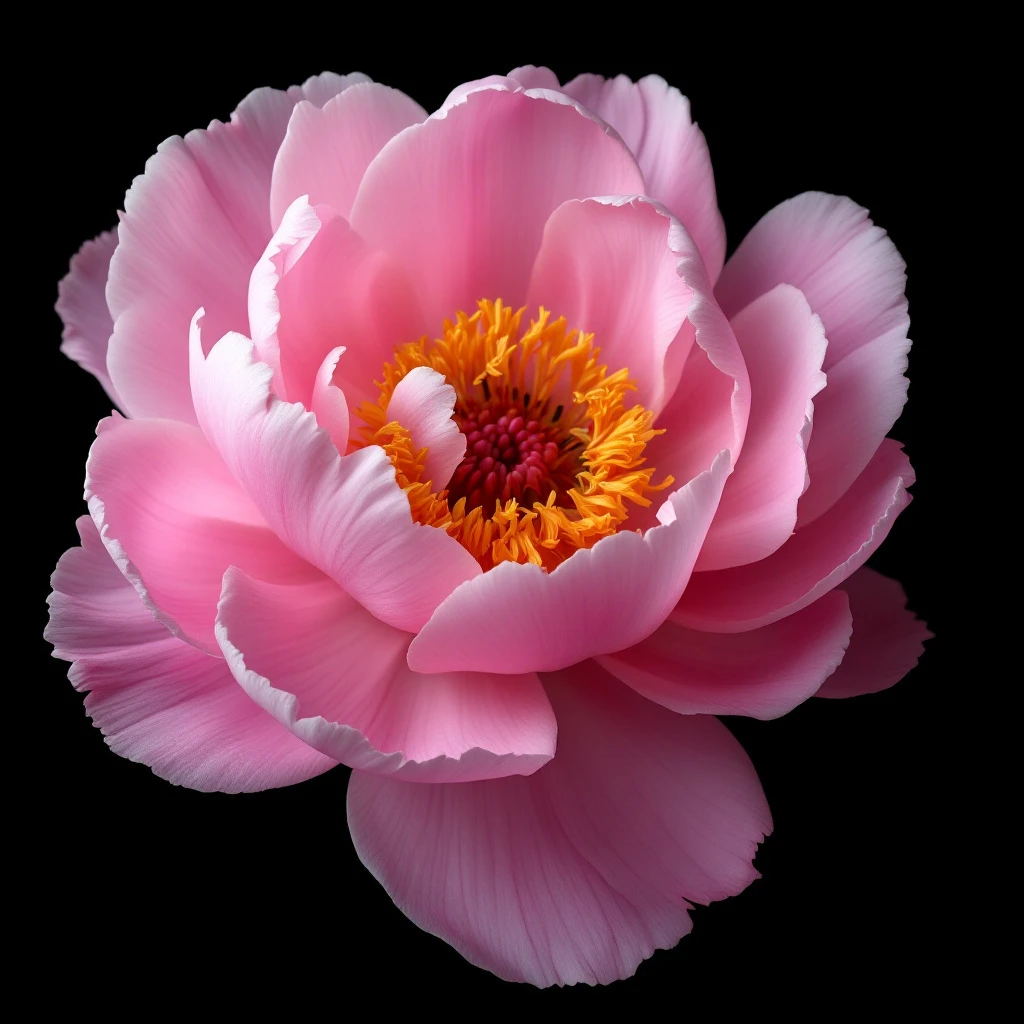
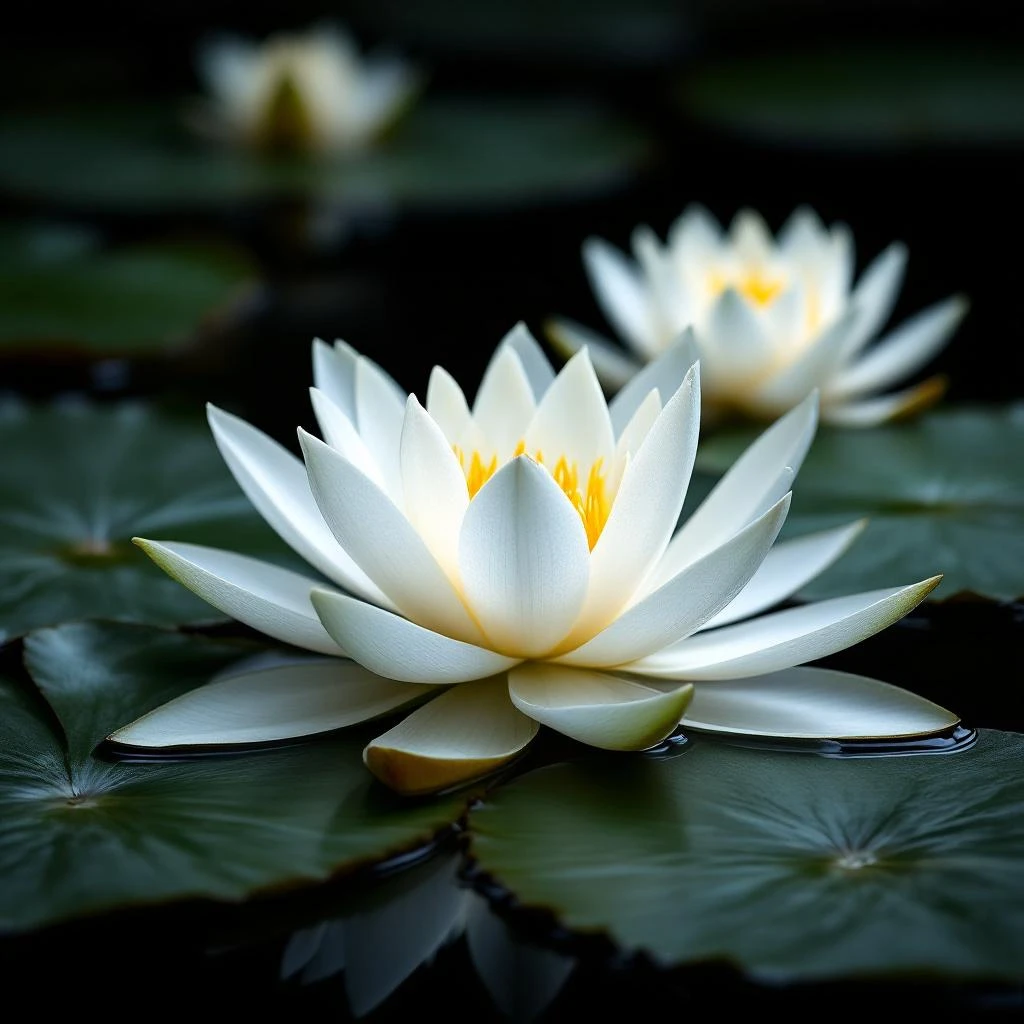
Chinese Pink Peony is a synthetic fragrance accord recreating the lush, romantic scent of the garden peony. A mute flower, the peony yields no extractable essence, so perfumers compose its character from carefully balanced aroma molecules.
Character
How it smells
The mute flower that perfumery had to invent.
No peony essential oil exists. Every peony note in every fragrance is an artistic reconstruction built from other scent molecules.


Origin
China
Peonies have been cultivated in China for over a thousand years, prized originally for their medicinal properties rather than their beauty. In Traditional Chinese Medicine, peony root was used to treat night sweats, liver stagnation, and various women's health concerns. The flowers themselves were grown in imperial gardens and featured prominently in poetry and classical art.
The peony holds significant cultural meaning in Chinese tradition. It symbolizes wealth, honor, and prosperity, earning titles like "King of Flowers" in classical literature. The flower appears throughout Chinese visual arts, textile patterns, and ceremonial contexts.
The specific Chinese Pink Peony variety contributes a lush, romantic character to perfumery that aligns with this heritage of beauty and grace. While the flower's mute nature prevented perfumers from working with its actual essence for centuries, modern aromatic chemistry finally made this cherished bloom accessible to the fragrance world, allowing perfumers to compose its ephemeral garden scent for use in fine perfumes.
Wears it best
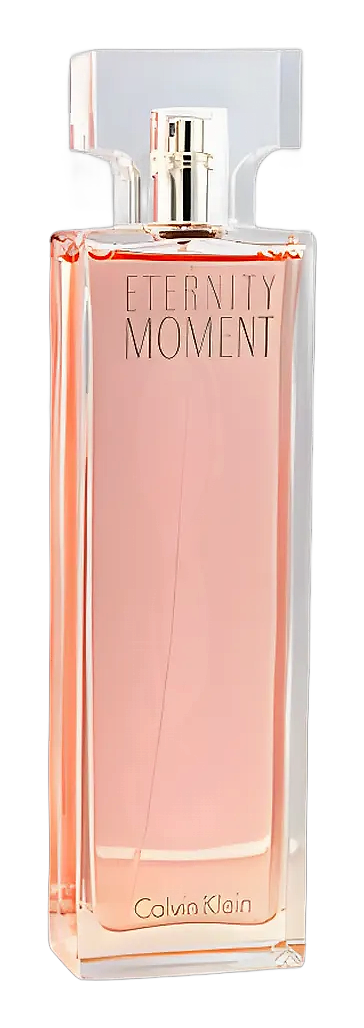
Fragrances featuring Chinese Pink Peony
Brands
Brands known for Chinese Pink Peony
Good to know
Questions, answered
The essentials on Chinese Pink Peony in perfumery: how it smells, where it comes from, and how it behaves on skin.
What is Chinese Pink Peony in perfumery?
Chinese Pink Peony is a synthetic fragrance accord that recreates the scent of the pink garden peony. Because peonies are mute flowers, no natural extract exists, so perfumers construct the note from aromatic molecules like phenethylol, damascenone, and rose oxide to capture the flower's delicate, romantic character.
Why is peony called a mute flower?
Peony is classified as a mute flower because its scent compounds cannot be extracted through any known method. The molecules responsible for its recognizable aroma evaporate or degrade during steam distillation, solvent extraction, or other extraction processes, making natural peony essence impossible to obtain.
What does Chinese Pink Peony smell like?
Chinese Pink Peony has a lush, romantic floral character combining rosy sweetness, soft fruity notes reminiscent of ripe pear or strawberry, powdery violet undertones, and fresh green accents. The overall impression evokes a sunlit garden filled with blooming peonies in early summer.
How is the peony note created in fragrance?
Perfumers build the peony accord from multiple aromatic molecules blended in specific ratios. Phenethylol and phenylethyl alcohol provide the rosy base, damascenone adds fruity depth, beta-ionone contributes powdery violet character, rose oxide delivers the distinctive peony facet, and green notes like cis-3-hexenol add freshness and botanical authenticity.
What is the history of peony in Traditional Chinese Medicine?
Peony has been used in Chinese medicine for over a thousand years. Peony root was historically prescribed for conditions including menstrual discomfort, fever reduction, liver support, and stomach complaints. The flowers were cultivated in imperial gardens for their beauty and symbolic significance alongside their medicinal applications.
Is there a natural peony essential oil?
No natural peony essential oil or absolute exists in perfumery. The flower's mute nature means its scent compounds cannot survive extraction. All peony notes found in commercial fragrances are synthetic accords composed of carefully selected aroma chemicals that together recreate the peony's characteristic scent profile.
How does Chinese Pink Peony differ from other peony varieties in perfume?
Chinese Pink Peony is known for a particularly romantic, powdery character with rosy-fruity notes and green undertones. Other peony varieties may emphasize different facets, such as spicier or more citrus-forward expressions, but the Chinese Pink type generally conveys lush, feminine floral beauty that works especially well in spring and summer fragrances.
What are the key aroma chemicals used to recreate peony scent?
Peony accords typically combine several fragrance ingredients rather than relying on a single molecule. Core materials include phenethylol for rose-like sweetness, damascenone for fruity depth, beta-ionone for powdery floral character, rose oxide for the signature peony note, and supporting materials like linalool, geraniol, and light aldehydes to add brightness and complexity.