Carrot Cake
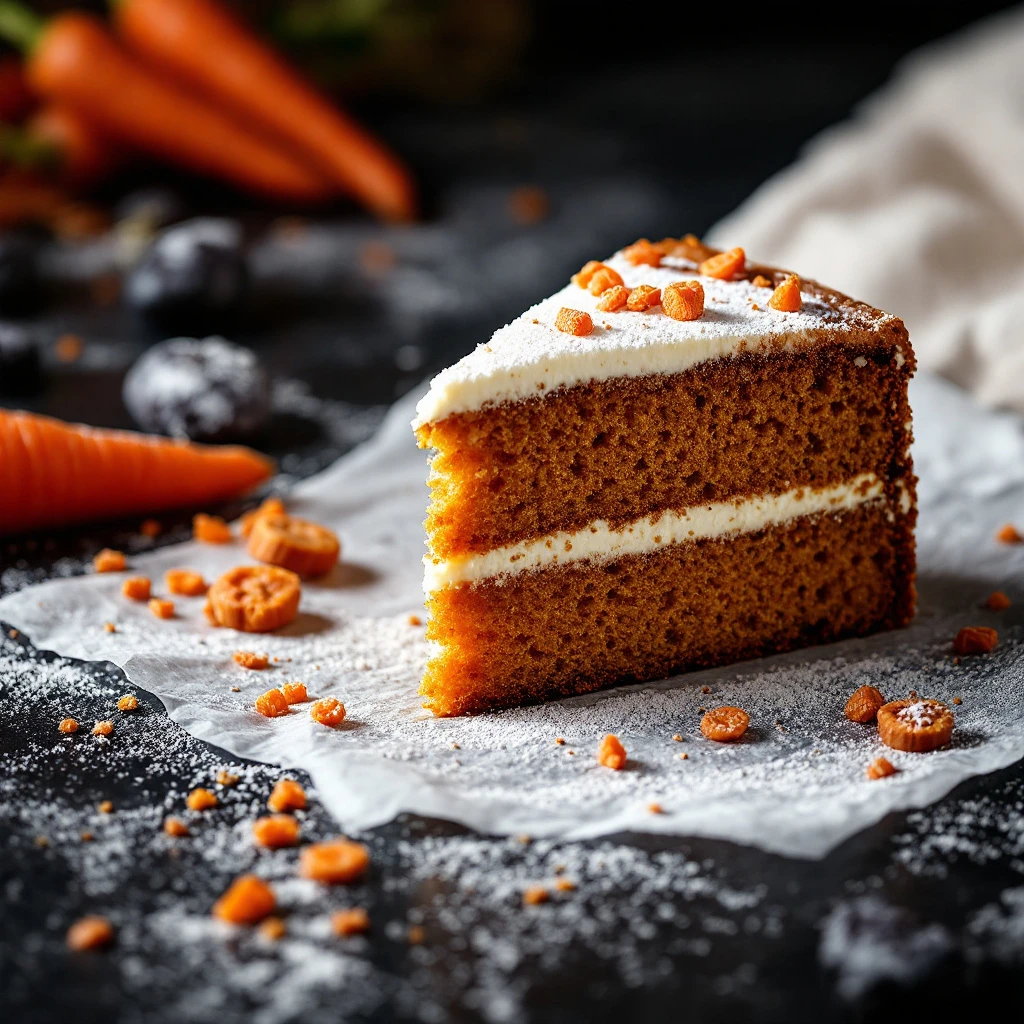
A warm, spiced gourmand accord that captures the cozy indulgence of freshly baked carrot cake: powdery carrot seed oil meets cinnamon, clove, and sweet vanilla warmth.
Character
How it smells
Warm. Spiced. Unexpectedly elegant.
Carrot seed oil was a medieval perfumer's secret: its powdery, slightly woody warmth predates modern gourmand perfumery by centuries.



Origin
France
Carrots earned their place in baking through necessity. Before sugar became affordable in the 15th century, cooks relied on naturally sweet vegetables like carrots to add moisture and sweetness to cakes and puddings.
Medieval palace kitchens prepared steamed carrot puddings low and slow to concentrate the root's sugars. The first American reference to carrot cake appeared in The Neighborhood Cook Book published by the Council of Jewish Women in Portland, Oregon (1912), though the tradition traced through Jewish-Italian communities dates to 17th-century Italy.
In perfumery, vegetable seed notes gained serious attention in the 1990s as sustainable alternatives to expensive naturals like ambrette seed. The carrot cake accord emerged as a distinct creative category in the early 2000s, part of the broader gourmand movement that reframed comfort food memories as wearable luxury.
Wears it best
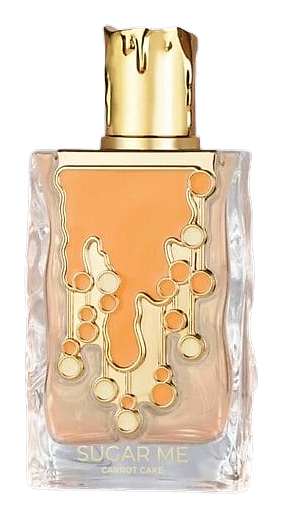
Fragrances featuring Carrot Cake
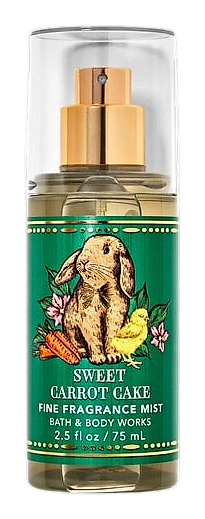
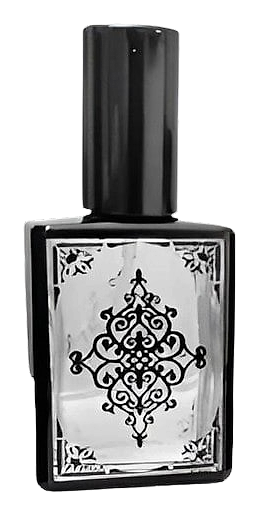
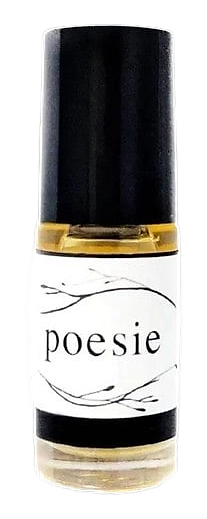
Brands
Brands known for Carrot Cake
Good to know
Questions, answered
The essentials on Carrot Cake in perfumery: how it smells, where it comes from, and how it behaves on skin.
What is carrot cake accord in perfumery?
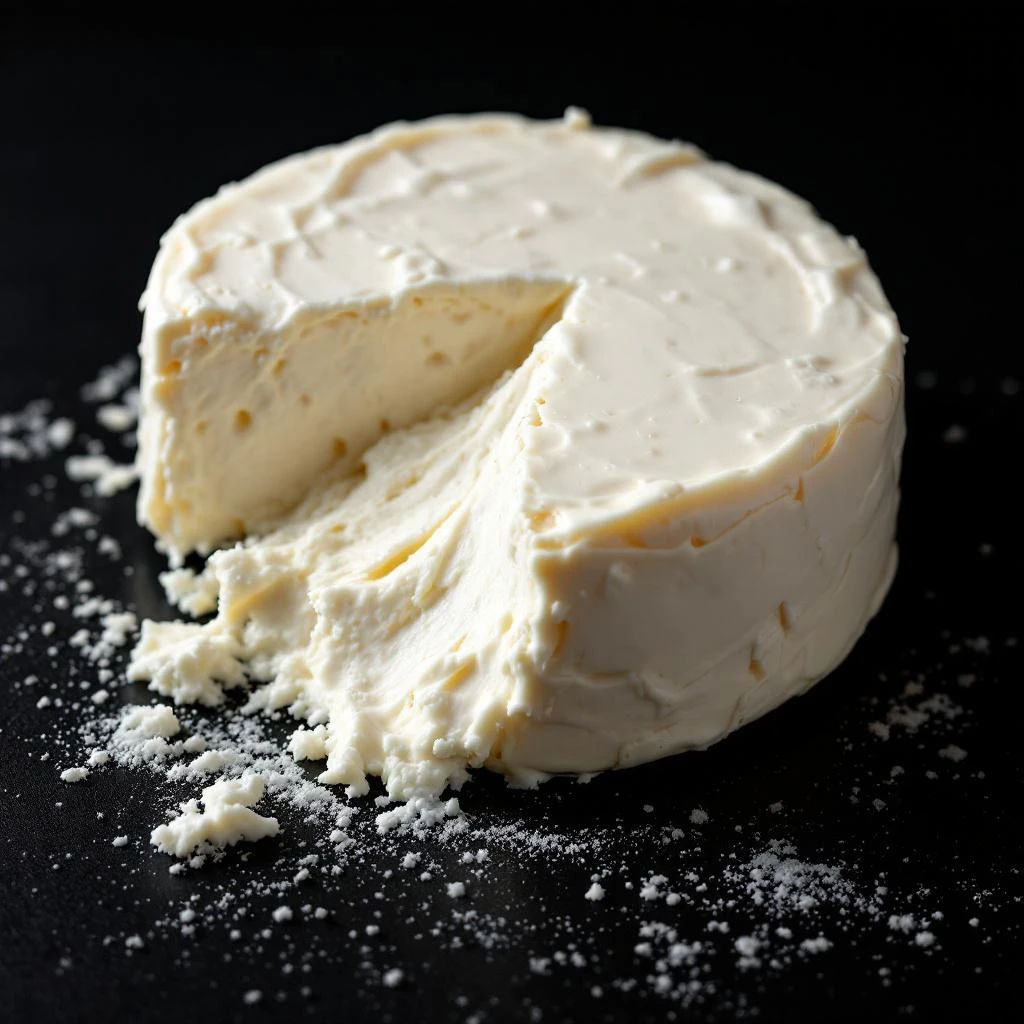
Carrot cake accord is a constructed fragrance note combining carrot seed oil with warm spice compounds (cinnamon, clove) and sweet elements (vanilla, coumarin) to evoke warm, spiced carrot cake. Perfumers build this composite note rather than extracting it from an actual cake.
Does perfumery use real carrot to make this note?
No. The cake element is purely imaginative, built from carrot seed oil and aromatic materials. Carrot seed oil itself smells earthy, slightly woody, and distinctly vegetal, not like cake. The warm spiced-cake character comes from spice and sweet raw materials layered with it.
Is carrot seed oil used in real perfumery?
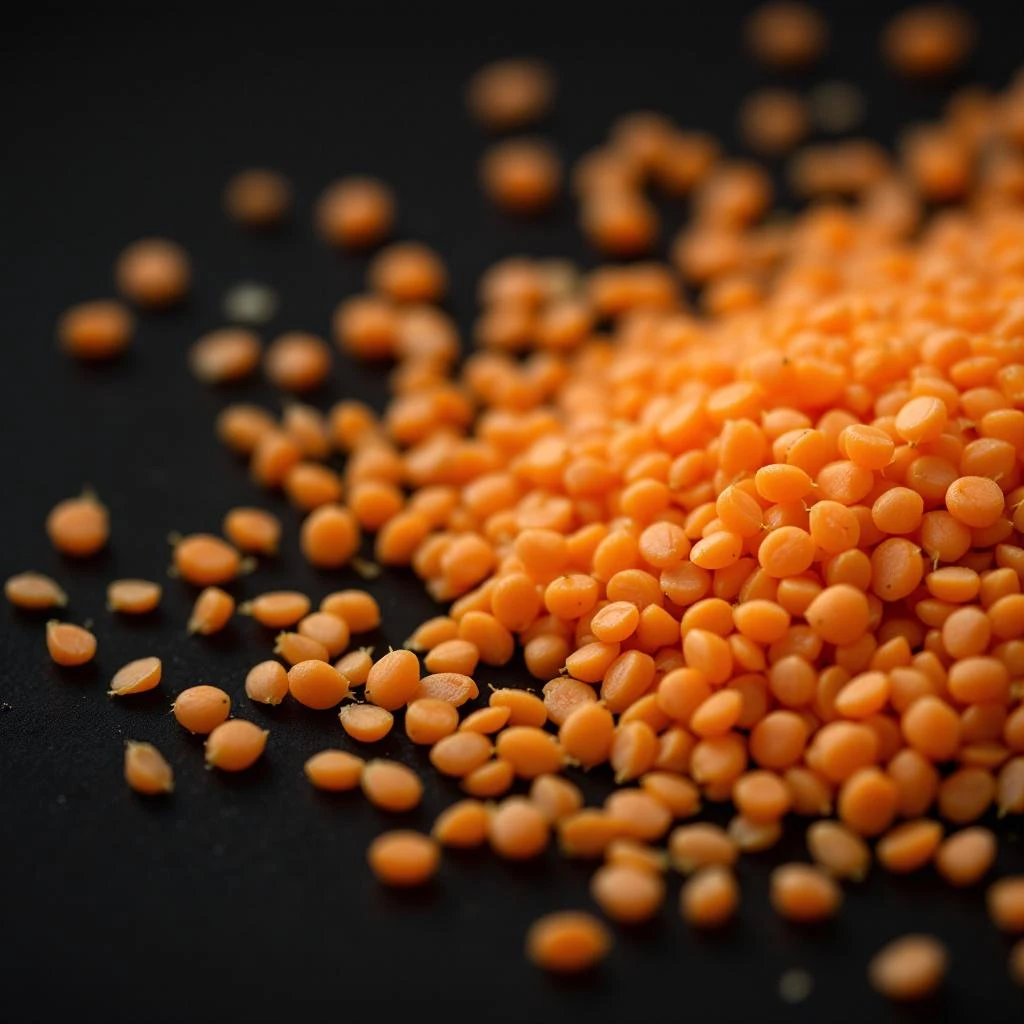
Yes. Carrot seed oil (Daucus carota) has been used in fragrance since the early 20th century. It serves as a bridge between green and woody fragrance families, valued for its warm, powdery, slightly hay-like character that works especially well in autumn and winter perfumes.
What does carrot seed oil smell like on its own?
Carrot seed oil has a warm, powdery, slightly woody aroma with a subtle earthy quality. Think dried hay and carrot-root earthiness rather than fresh carrot. It carries a natural sweetness that makes it an unexpected perfumery ingredient.
Which fragrance families use carrot cake notes?
Gourmand and oriental fragrances most commonly feature carrot cake accords. It also appears in warm chypre and amber compositions where the vegetable-seed quality adds unexpected depth beneath sweeter base notes.
When did carrot cake notes first appear in commercial perfumes?
The carrot cake accord as a named concept in perfumery emerged in the early 2000s, building on the broader gourmand trend that began in the late 1980s with edible-inspired fragrances. Earlier carrot seed use was primarily in niche botanical perfumery.
What raw materials compose a carrot cake accord?
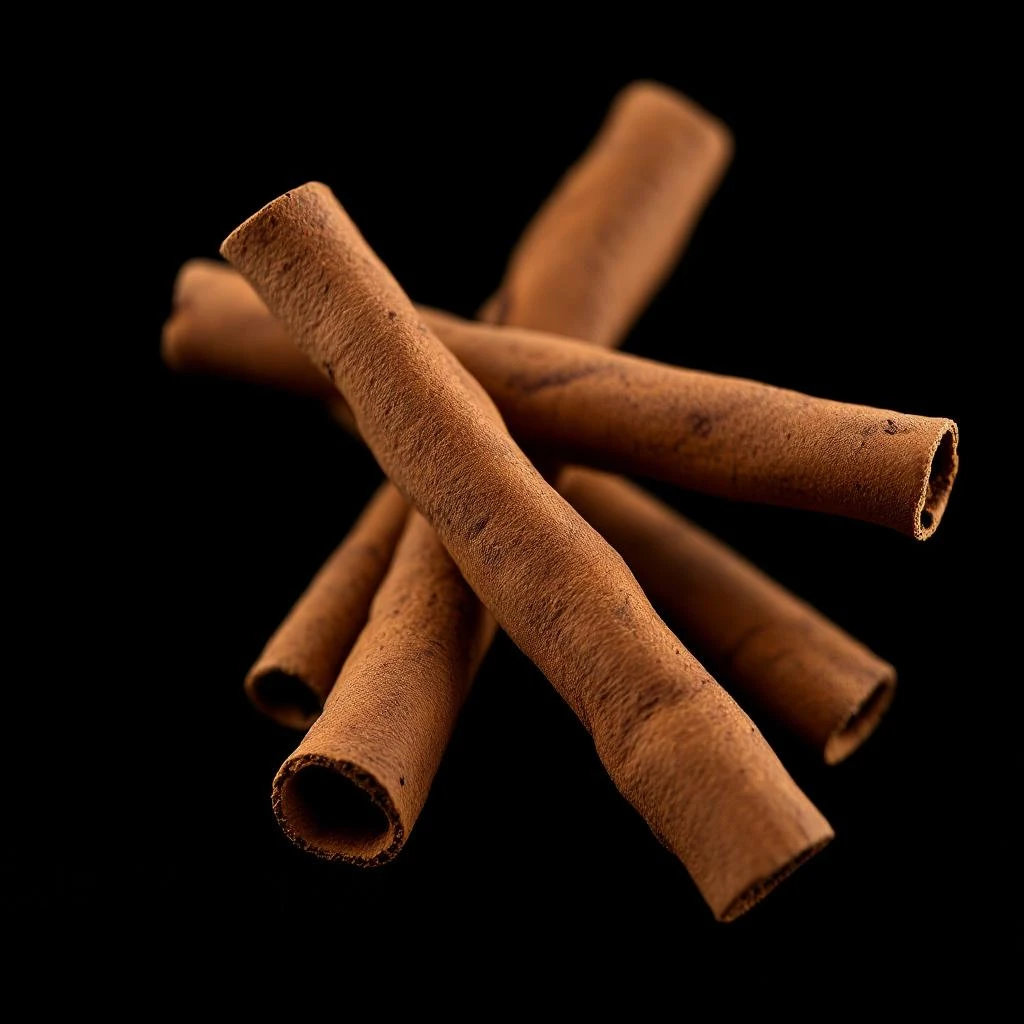
A typical carrot cake accord combines carrot seed oil (steam-distilled from seeds), cinnamaldehyde or cinnamic derivatives for cinnamon warmth, eugenol or clove-type materials for spice, and vanillin or bourbon ketone for sweet cake-like depth.
Which perfume notes pair well with carrot cake accords?
Warm woods (sandalwood, cedarwood), amber, tonka bean, and spices like cardamom pair naturally with carrot cake accords. These complementary notes reinforce the cozy, spiced character and help the accord last longer on skin.