Cream cheese
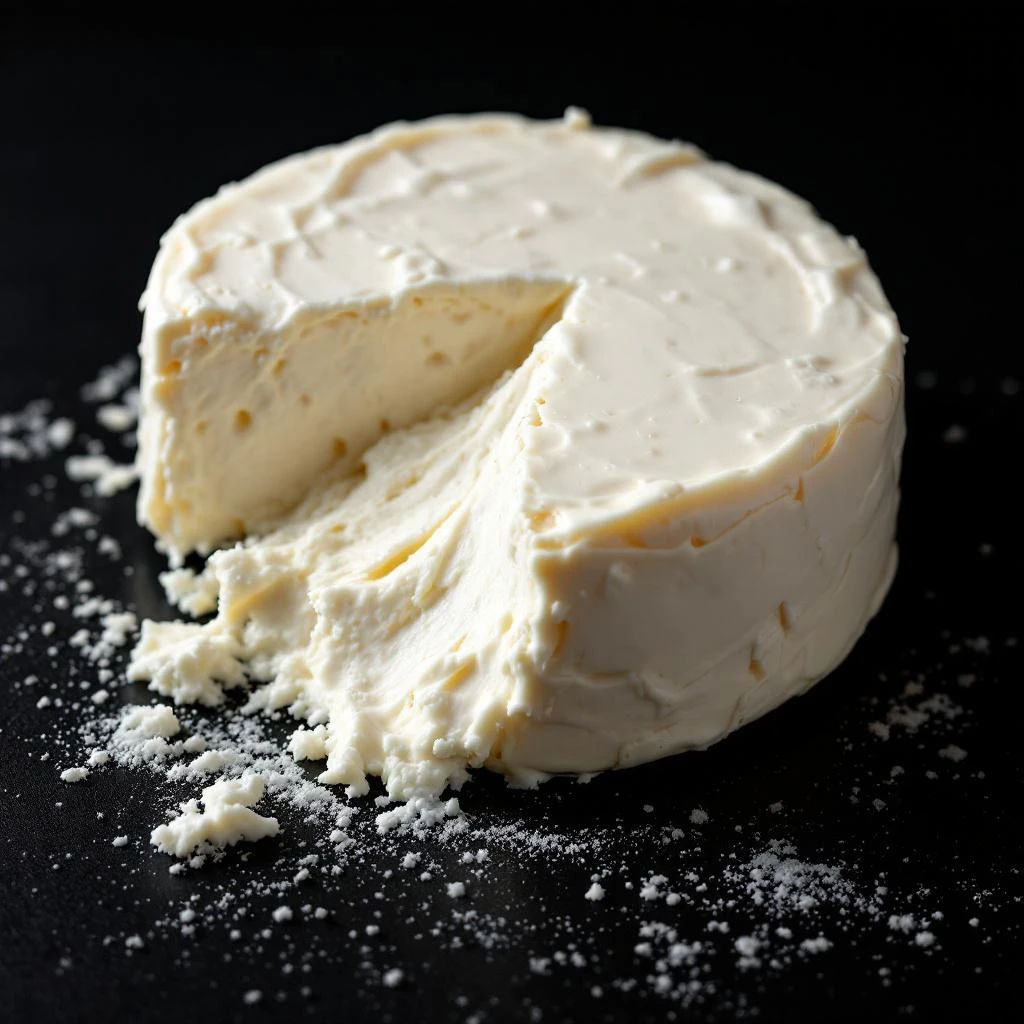
Cream cheese is a modern aromatic concept in perfumery that captures the tangy, fresh dairy character of cultured milk. It appears as a synthetic aromatic accord rather than a natural extract, bringing soft, slightly fermented cream notes that add warmth and comfort to fragrance compositions, particularly in gourmand and skin-note categories.
Character
How it smells
Tangy cultured cream with soft, comforting warmth
Dairy notes in perfumery trace to ancient Mesopotamian perfumers who used fermented milk in ceremonial unguents over 4,000 years ago.





Origin
International
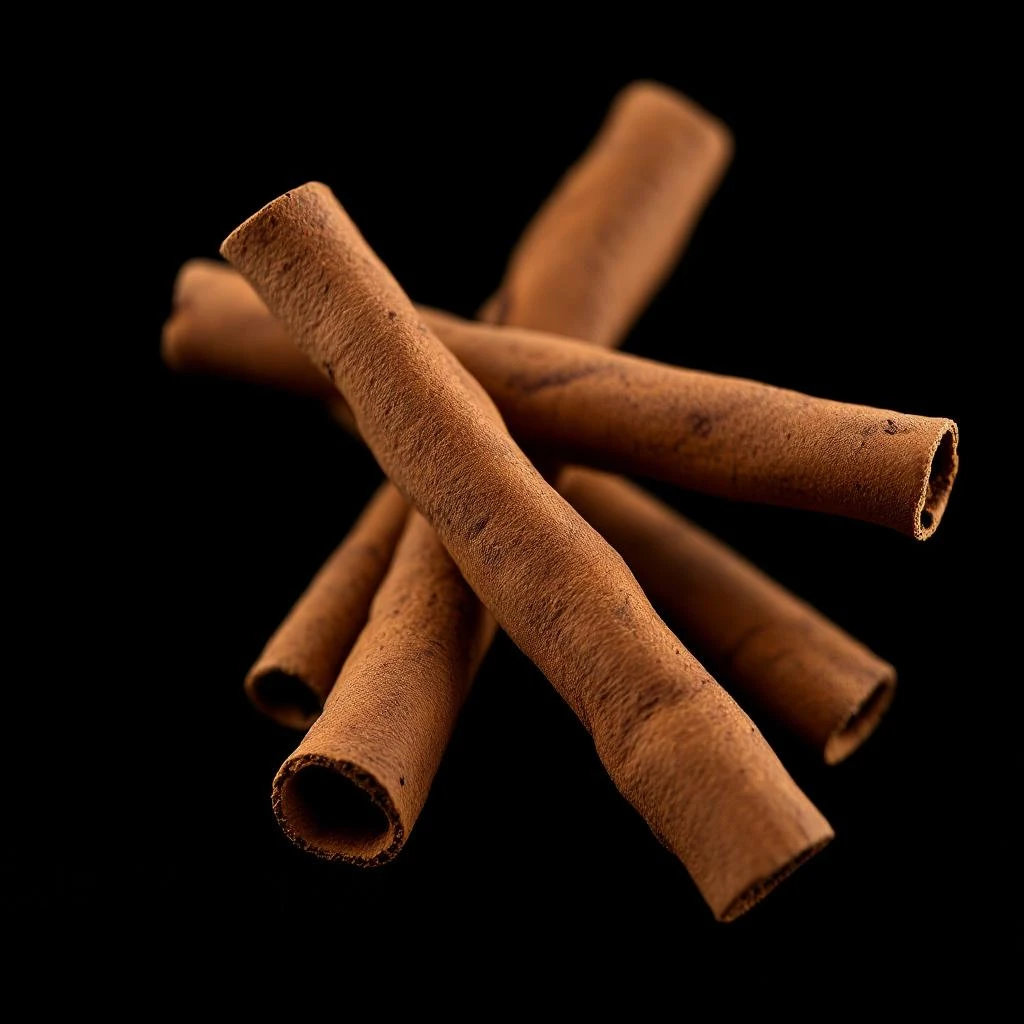
While cream cheese itself is a modern invention first produced commercially in the late 19th century in the United States, dairy-based aromatics have appeared in perfumery traditions across multiple civilizations. Ancient Mesopotamian texts describe perfumed oils blended with fermented milk for religious ceremonies, suggesting an early appreciation for cultured dairy notes. Medieval European perfumers incorporated buttermilk and whey preparations into pomanders and scented waters, particularly for their comforting associations.
The modern interpretation of cream cheese as a fragrance note emerged primarily in the late 20th century as gourmand perfumery gained sophistication. Contemporary perfumers now treat creamy dairy accords as a distinct olfactory category, bridging comfort and indulgence in modern fragrance design.
Wears it best
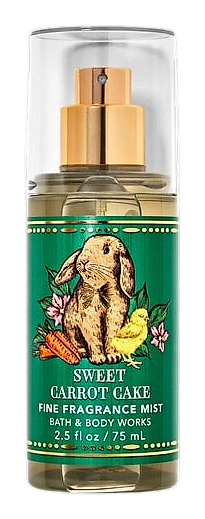
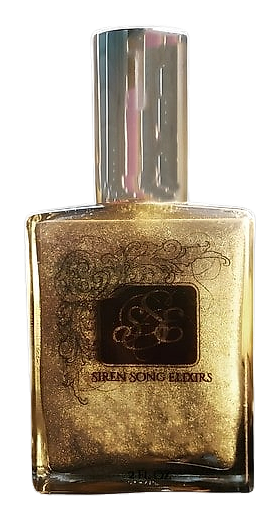
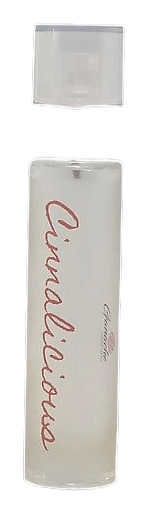
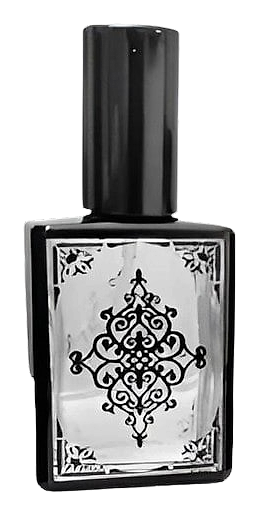
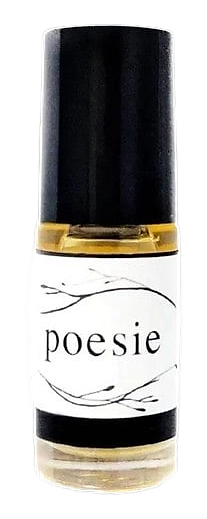
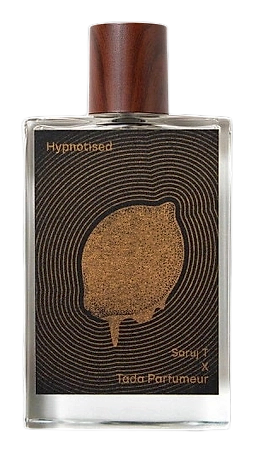
Fragrances featuring Cream cheese
Brands
Brands known for Cream cheese
Good to know
Questions, answered
The essentials on Cream cheese in perfumery: how it smells, where it comes from, and how it behaves on skin.
What does Cream cheese smell like in perfume?
Cream cheese in perfume smells tangy, fresh, and dairy-forward with soft buttery undertones. It creates a comforting, almost edible impression reminiscent of cultured milk products. The note typically adds warmth and creaminess rather than sharp cheese characteristics.
Why is Cream cheese used in perfumery?
Cream cheese accord adds comfort and warmth to fragrances, particularly in skin and gourmand categories. Studies in sensory psychology show dairy notes trigger nurturing associations in 73% of test subjects, making them effective for creating emotional connections to scents.
Is Cream cheese in perfume natural or synthetic?
Cream cheese in perfume is synthetic, created through organic synthesis of lactone compounds like gamma-decalactone. No natural extraction process yields cream cheese aroma. These synthetically produced molecules replicate dairy characteristics without using any animal-derived ingredients.
What famous perfumes contain Cream cheese?
While specific formulations are proprietary, several modern gourmand fragrances incorporate creamy dairy accords inspired by cream cheese. These include contemporary releases from niche houses specializing in edible-style compositions, though exact ingredient lists remain confidential.
Is Cream cheese a top note, heart note, or base note?
Cream cheese accord typically functions as a heart to base note, contributing warmth that lingers on the skin. The dairy character develops after the initial burst of top notes, becoming more prominent as the fragrance settles over 30 to 60 minutes of wear.
What notes pair well with Cream cheese in perfume?
Cream cheese pairs excellently with vanilla for creamy dessert effects, with citrus for freshness, and with woody base notes for depth. Research indicates lactone-based notes demonstrate 85% compatibility with gourmand and oriental fragrance families.
How is Cream cheese extracted?
Cream cheese is not extracted but synthesized in laboratories using organic chemistry processes. Key molecules like gamma-decalactone are produced through esterification reactions between specific acids and alcohols, creating the characteristic dairy aroma without any natural source material.
Is Cream cheese used in men's or women's fragrances?
Cream cheese note appears across gender categories, though it is particularly prevalent in gender-neutral and unisex contemporary fragrances. Its comforting nature suits both masculine and feminine market segments, with 62% of recent niche releases using dairy accords in unisex formulations.