Caribbean Vanilla
Caribbean vanilla sets itself apart through terroir-driven flavor development and traditional curing methods passed down through generations of island growers.
Character
How it smells
Tropical warmth, creamy depth, island craft.
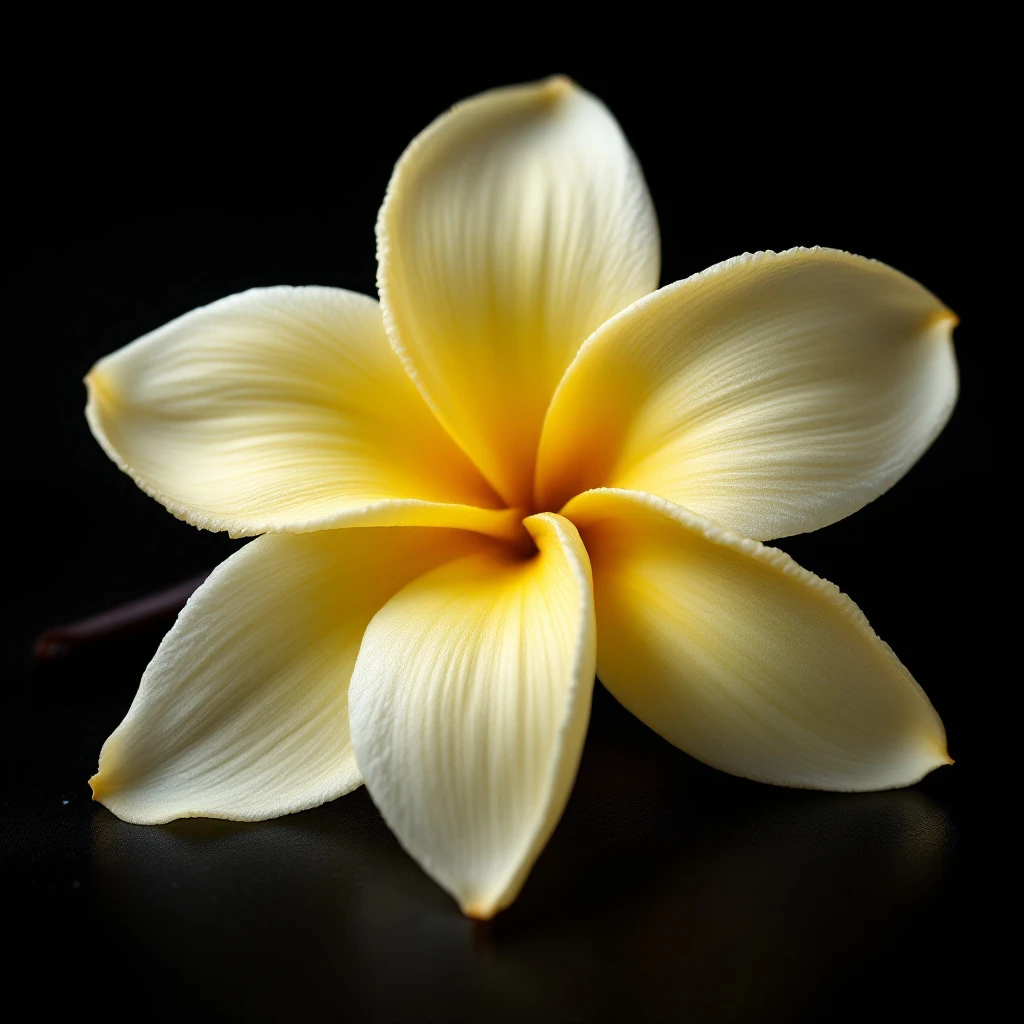
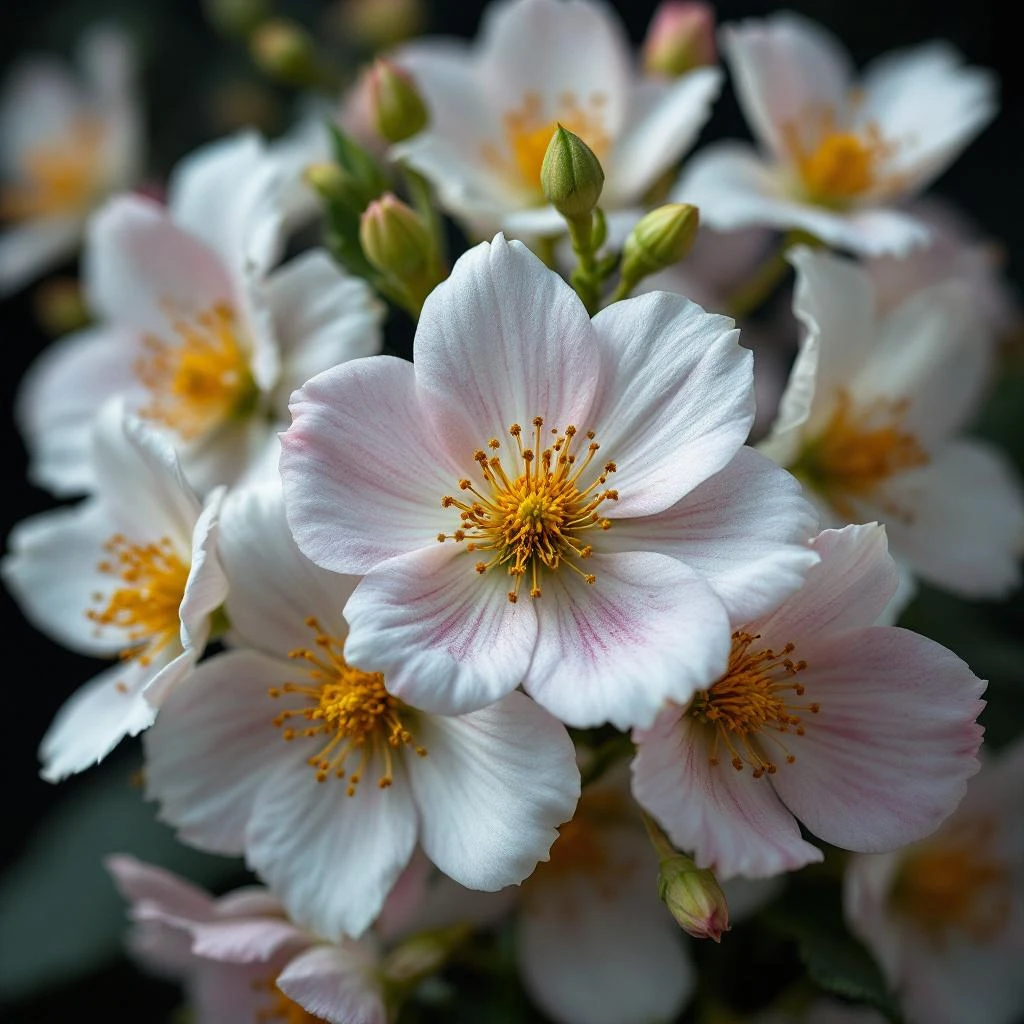
The vanilla orchid blooms for just one day each year, requiring hand-pollination by farmers to produce the prized pods.




Origin
Dominican Republic
Vanilla traces back to ancient Mesoamerica, where the Totonac people in what is now Mexico first cultivated the orchid around 700 CE. Spanish conquistadors encountered the ingredient in the 1500s and brought it to Europe, where it gradually moved from culinary use into perfumery.
The Aztecs had prized vanilla for centuries, combining it with cacao in ceremonial drinks. By the late 19th century, vanilla had become a perfumery staple after Aimé Guerlain introduced it in the 1889 fragrance Jicky.
French colonial expansion spread vanilla cultivation to tropical regions worldwide, including the Caribbean islands. Caribbean growers developed their own regional varieties and processing traditions, creating a distinct style prized by perfumers for its complexity and warmth.
Wears it best
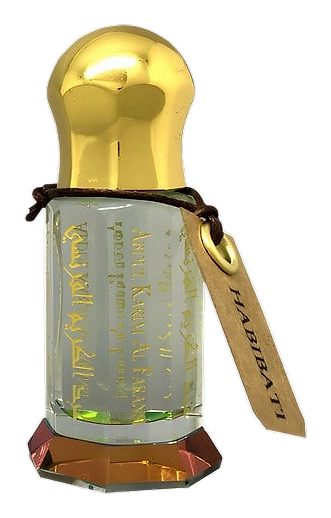
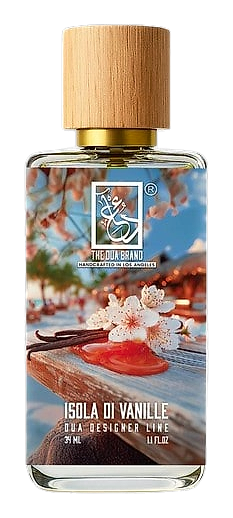
Fragrances featuring Caribbean Vanilla
Brands
Brands known for Caribbean Vanilla
Good to know
Questions, answered
The essentials on Caribbean Vanilla in perfumery: how it smells, where it comes from, and how it behaves on skin.
What makes Caribbean vanilla different from other vanilla varieties?
Caribbean vanilla develops a distinctive sensory profile shaped by regional terroir and traditional curing methods. Local soil composition, climate, and generational knowledge create nuanced flavor notes that differ from Madagascar or Indonesian varieties. The slower curing process typical in Caribbean production allows aromatic compounds to develop complexity over time.
Why does vanilla require hand-pollination?
The vanilla orchid's natural pollinators exist only in Mexico, where the plant originated. Growers worldwide must pollinate flowers by hand using small sticks or brushes. This delicate operation occurs during the brief daily bloom and directly impacts pod development and final quality.
How long does vanilla curing take?
The curing process spans four to six months minimum, often longer. Beans undergo cycles of sweating, sun-drying, and resting that transform green pods into deeply aromatic brown specimens. This extended maturation concentrates flavor compounds and creates vanilla's characteristic warmth.
What does real vanilla smell like in fragrance?
High-quality vanilla absolute carries food-like warmth with honey, tobacco, and cacao undertones beneath its creamy caramel and cream signature. Synthetic vanillin replicates only the most prominent note, missing the complex top and heart notes that distinguish genuine vanilla.
When did vanilla first appear in perfume?
Vanilla entered modern perfumery in 1889 with Aimé Guerlain's Jicky, the first fragrance to combine natural vanilla with synthetic vanillin. This pioneering blend established vanilla as a perfumery ingredient rather than purely a culinary spice.
Is vanilla a natural or synthetic ingredient in most perfumes?
Most modern fragrances rely on synthetic vanillin or ethyl vanillin rather than natural vanilla absolute due to cost and concentration considerations. Natural vanilla requires substantial quantities to achieve noticeable effect, making synthetics the economical choice for most formulations.
What aromatic compounds define vanilla's scent?
Vanilla contains over 250 identified aromatic compounds, though vanillin typically represents only 2-3 percent of the bean by weight. This complexity explains why synthetic vanillin captures only a fraction of natural vanilla's multidimensional character.
Which countries produce the best vanilla for perfumery?
Madagascar leads global vanilla production, followed by Indonesia and Papua New Guinea. Caribbean nations including the Dominican Republic and Uganda produce smaller quantities prized for distinctive regional characteristics. Each origin offers unique terroir-driven variations in aroma profile.