Caribbean Sugar Cane
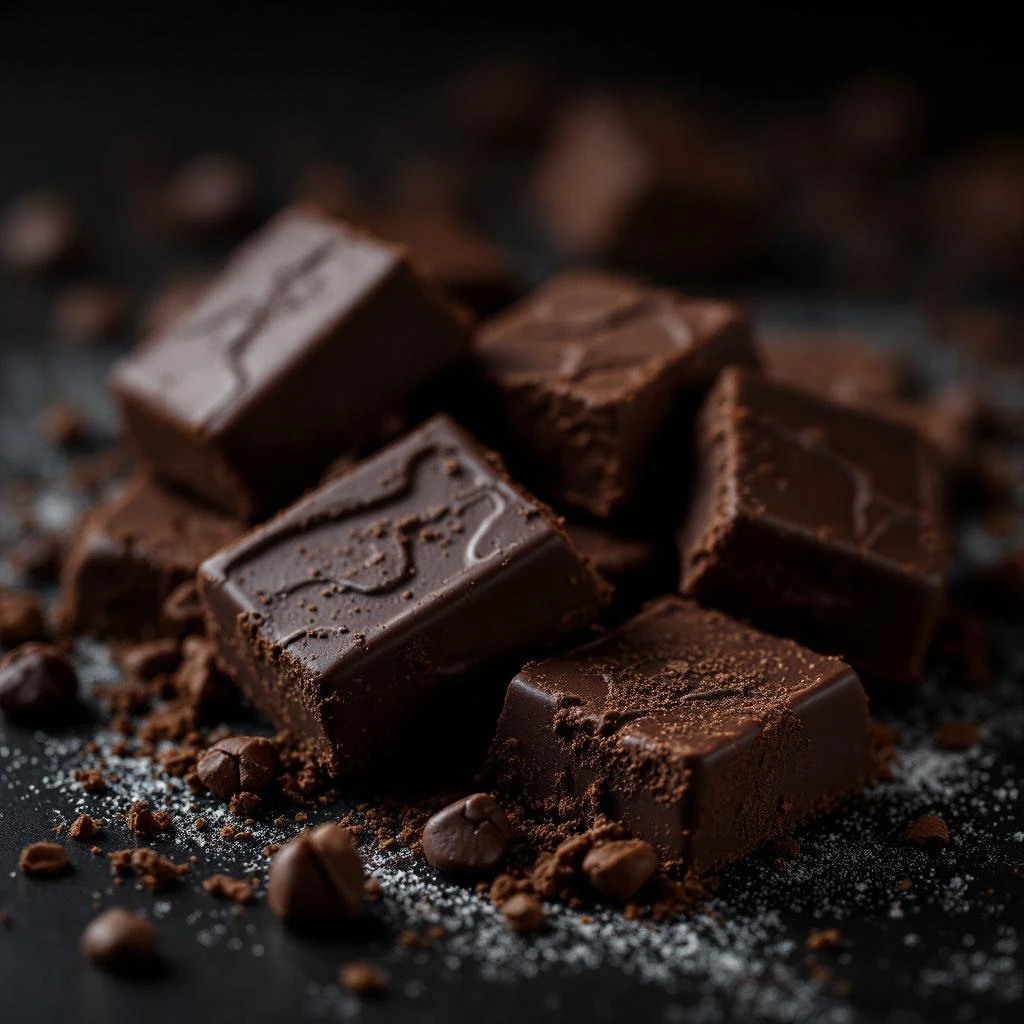
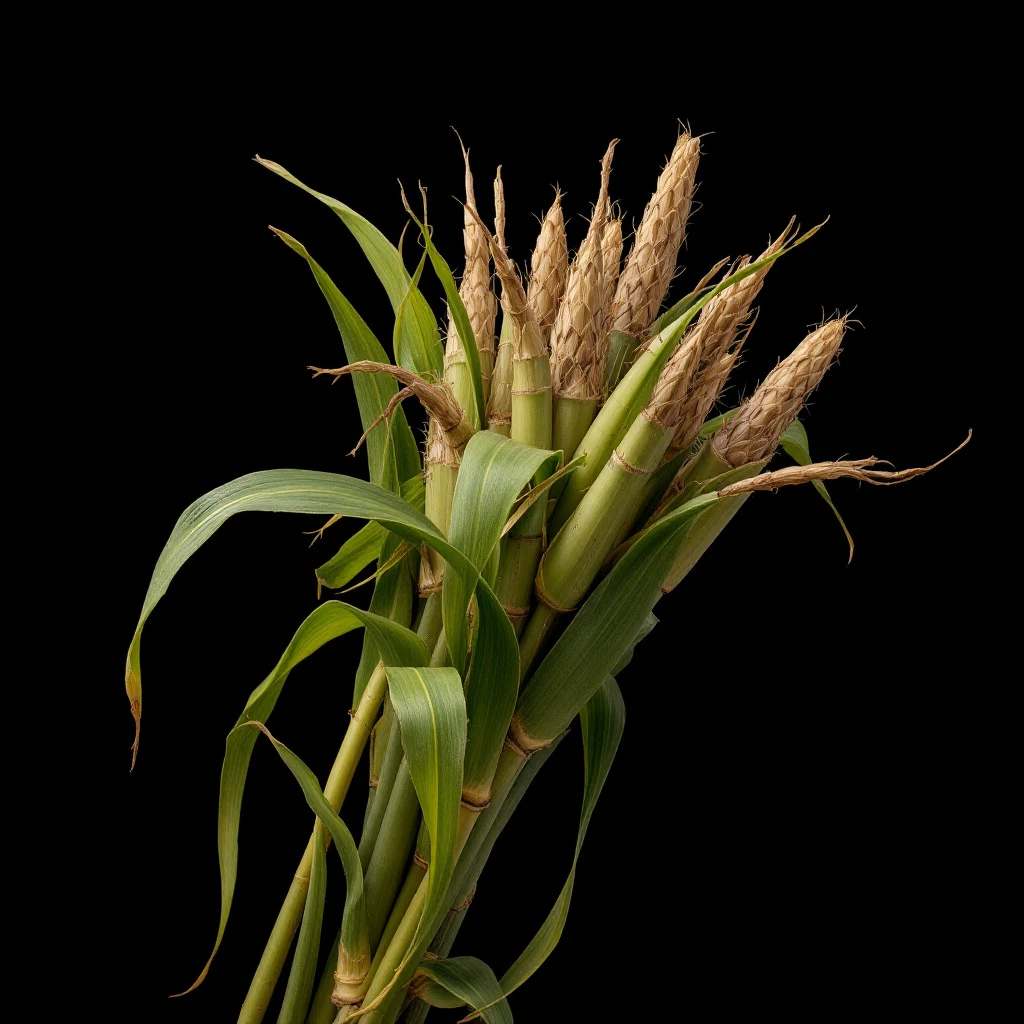
Caribbean Sugar Cane captures the sun-drenched sweetness of tropical fields. Its warm, honeyed facets evoke golden stalks swaying in island breezes, bringing an irresistible natural sweetness to fragrances.
Character
How it smells
Golden stalks, golden sweetness.
Christopher Columbus brought sugar cane to the Caribbean in 1493. Within 200 years, the region became the world's primary sugar supplier, reshaping global trade.
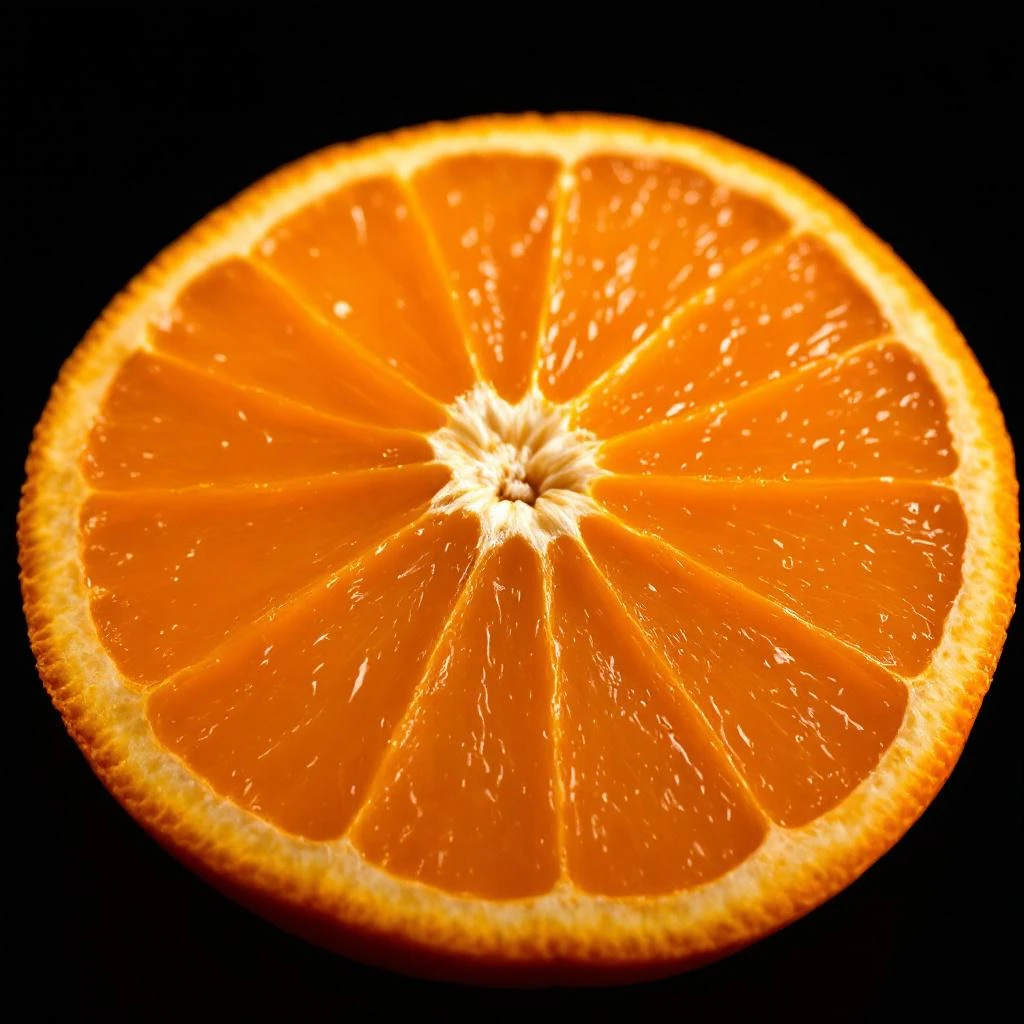
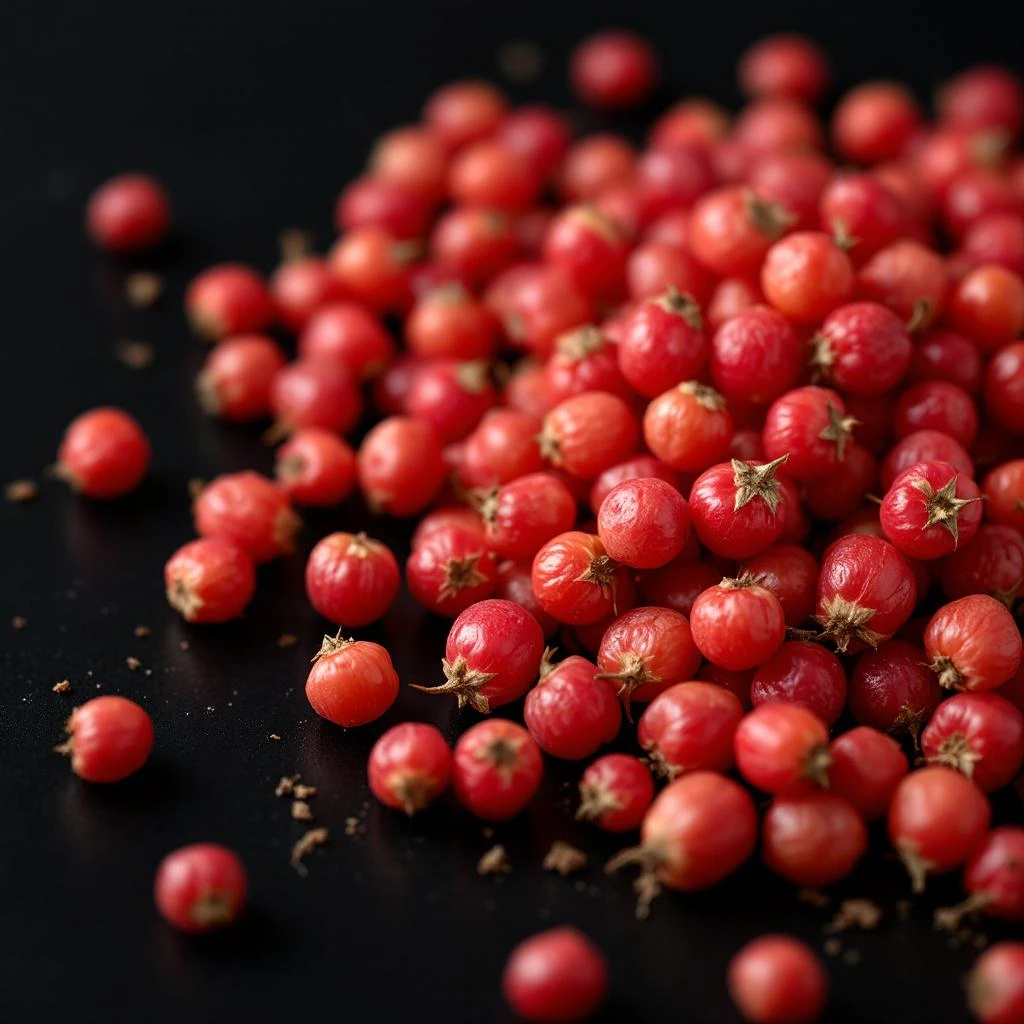
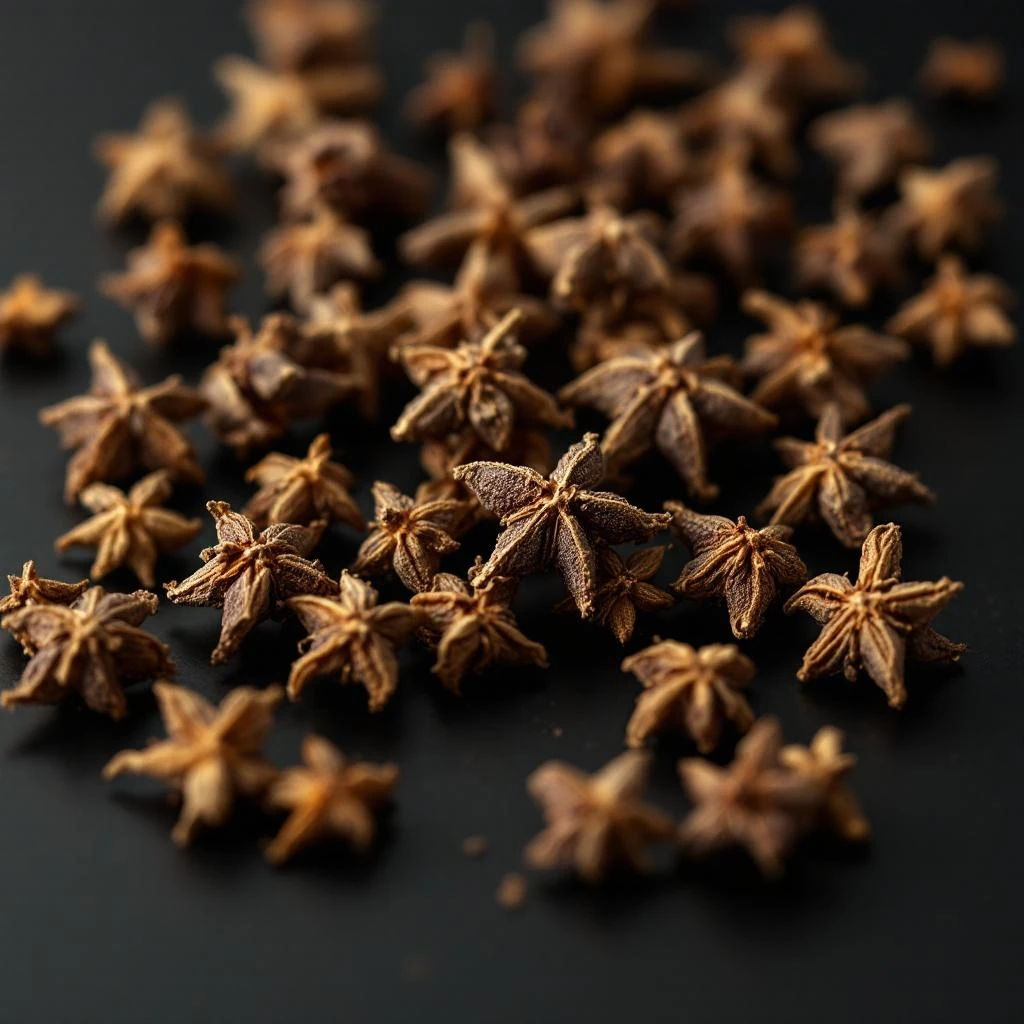
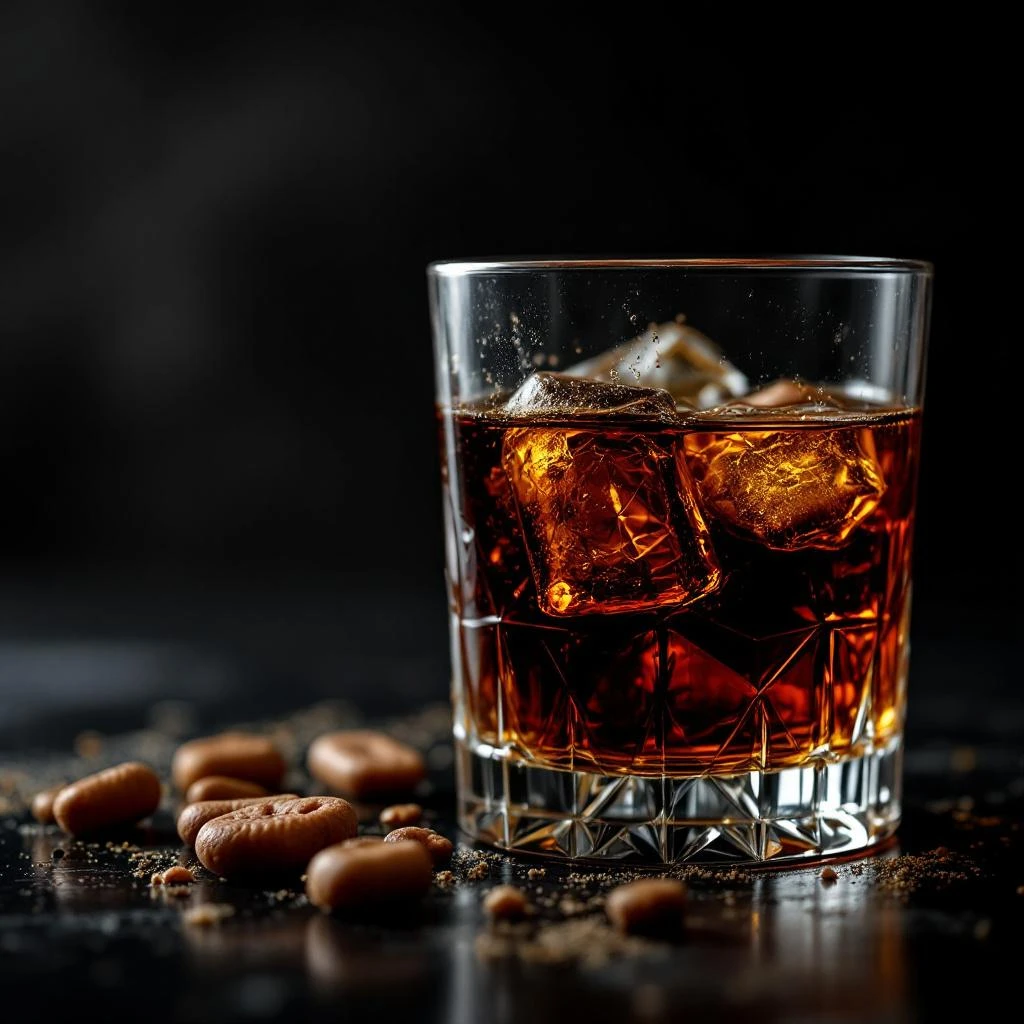
Pairs beautifully with
Origin
Jamaica
Sugarcane originated in eastern Asia and traveled westward through India, where Alexander the Great encountered it in 327 BC. The plant eventually reached the Mediterranean, but it was Christopher Columbus who brought it to the Caribbean in 1493 on his second voyage.
Within a century, Caribbean islands had become the world's sugar powerhouse. The shift historians call the Sugar Revolution began in the 17th century when colonists realized the islands' climate and soil produced cane with exceptional sugar content. By the 1700s, Antigua alone supported over 200 sugar plantations, and Jamaica, Barbados, and other islands followed suit.
The industry left a complicated legacy. Vast plantation operations required enormous labor, leading to the forced migration and exploitation of millions of enslaved Africans. Sugar plantations reshaped Caribbean societies, economies, and landscapes while creating a commodity that transformed global trade routes and dietary habits worldwide. The memory of this history remains embedded in the region's identity and its relationship with this golden crop.
Wears it best
Fragrances featuring Caribbean Sugar Cane
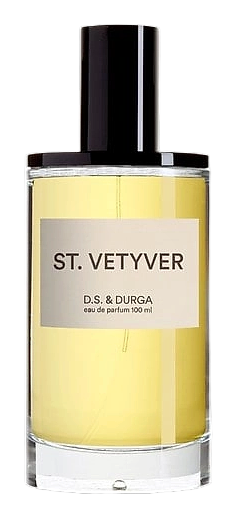
Brands
Brands known for Caribbean Sugar Cane
Good to know
Questions, answered
The essentials on Caribbean Sugar Cane in perfumery: how it smells, where it comes from, and how it behaves on skin.
Is Caribbean Sugar Cane natural or synthetic in perfumery?
Both forms exist. Natural sugarcane extracts come from Caribbean growing regions like Jamaica and Barbados. Synthetic versions replicate the sweet, green profile using lab-created aroma chemicals.
How is sugarcane extracted for fragrance use?
The stems and leaves undergo solvent extraction. The plant material is crushed and treated with solvents to pull out aromatic compounds, preserving sweet notes that steam distillation would destroy.
What does Caribbean Sugar Cane smell like?
It delivers warm honeyed sweetness with grassy green undertones and a subtle floral quality. The scent mirrors standing in a tropical cane field under bright sun.
What fragrances pair well with sugar cane notes?
It combines naturally with coconut, vanilla, tonka bean, and tropical florals like frangipani and ylang-ylang. These pairings create distinctive beach and island-inspired compositions.
Where does most perfumery sugarcane come from?
Major production areas include Jamaica, Barbados, and Trinidad. These islands' warm, humid climate produces cane with particularly rich aromatic qualities.
When did sugarcane arrive in the Caribbean?
Christopher Columbus brought sugarcane to the region in 1493 on his second voyage from Europe.
Is sugarcane used as a top, middle, or base note?
It functions primarily as a base note, providing warm sweetness and body to a composition. However, in lighter tropical fragrances, it can support heart notes as well.
How long has sugar cane been cultivated?
Sugarcane was first cultivated in China over 4,000 years ago. It reached India by 327 BC and arrived in the Caribbean five centuries ago.