Caribbean Lemon
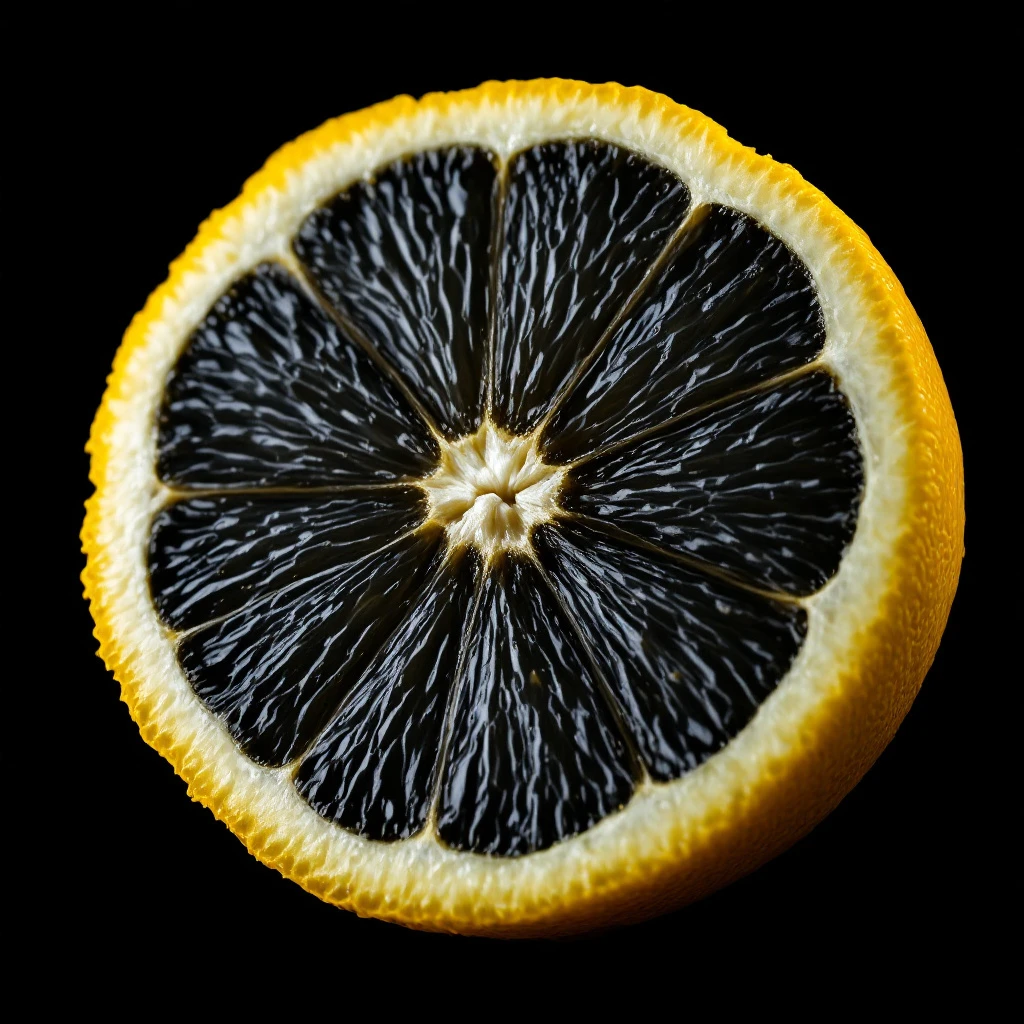
Caribbean Lemon captures sun-soaked citrus with a brighter, sweeter edge than its Mediterranean cousins. Grown across tropical islands, this vibrant note delivers sharp zest balanced by warm, honeyed undertones.
Character
How it smells
Sun-warmed zest from the tropics
Christopher Columbus carried lemon seeds to the West Indies in the 15th century, and Catholic missionaries later spread cultivation across Caribbean islands.
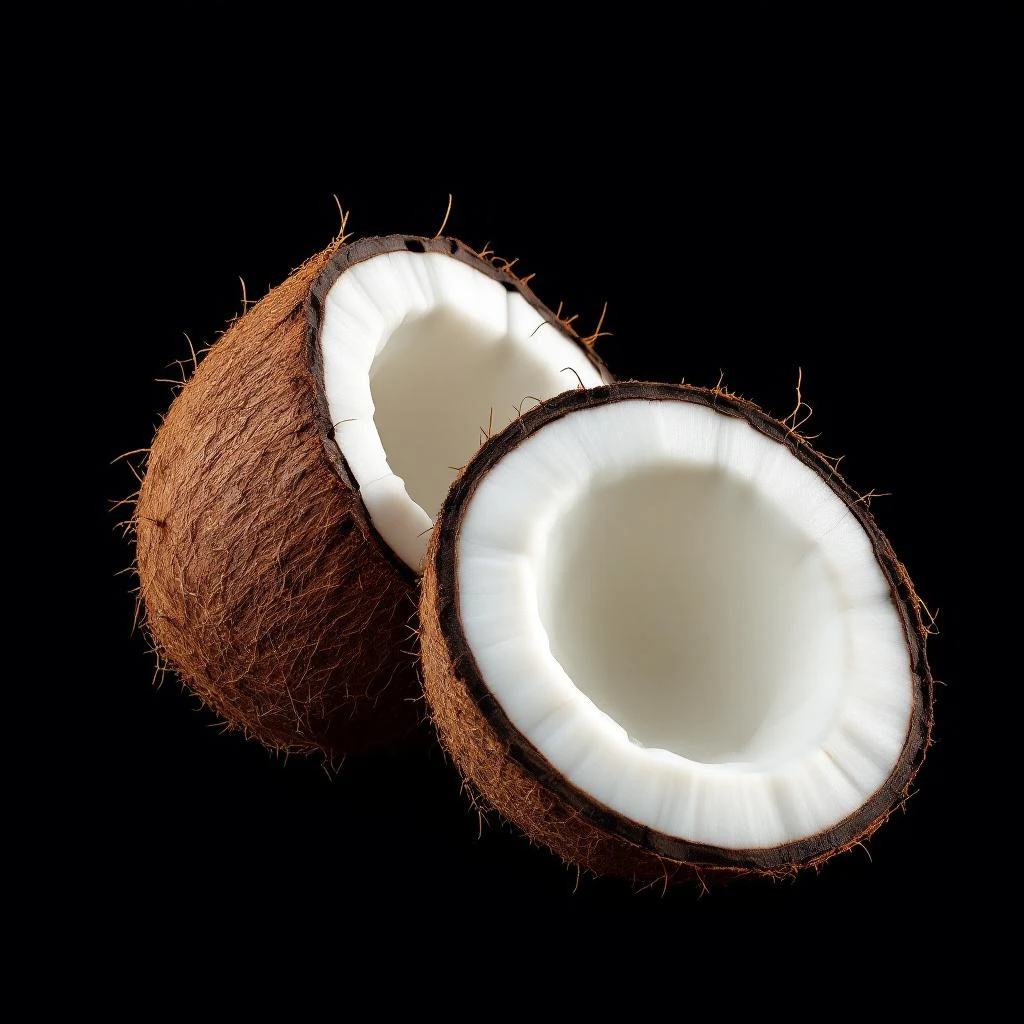
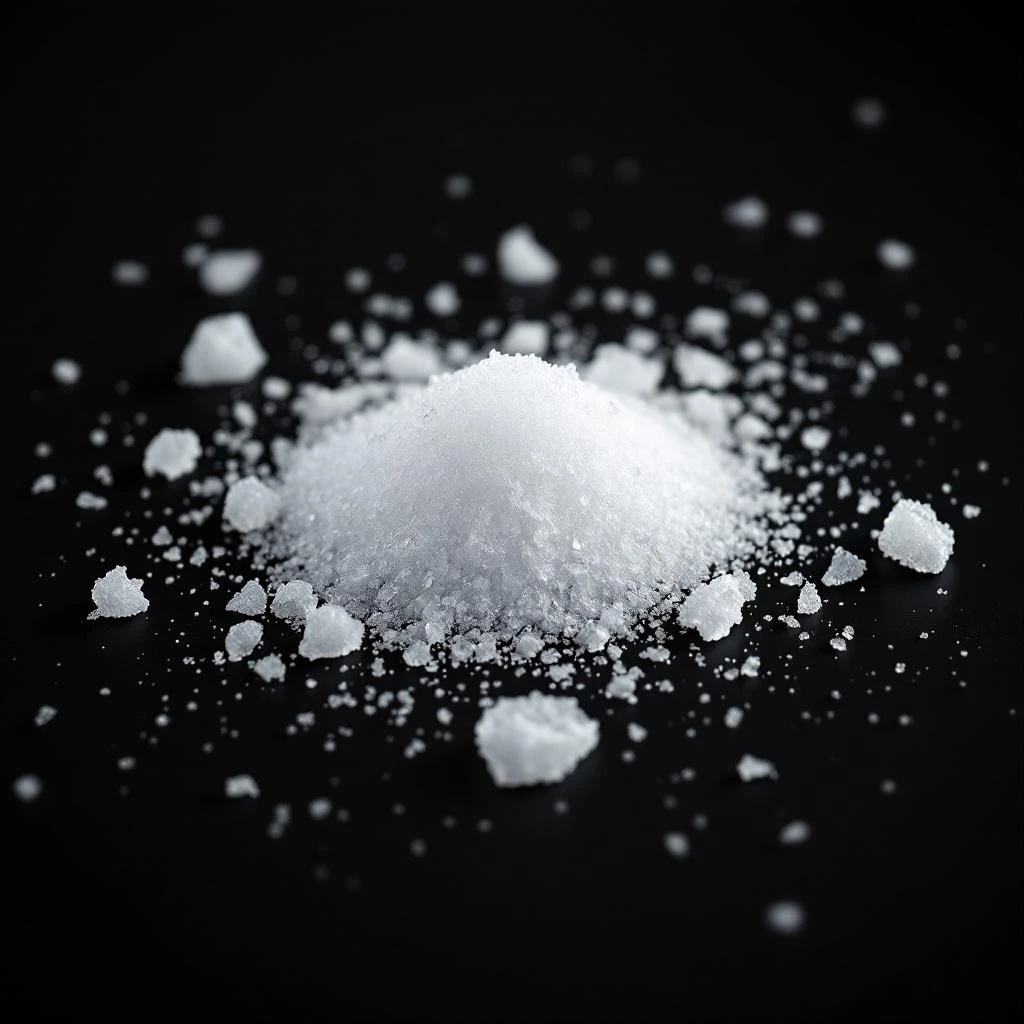
Pairs beautifully with

Origin
Caribbean (Dominica, Jamaica, Hispaniola)
The lemon tree likely originated in the Kashmir region of India over 3,000 years ago, where early cultivators prized its fruit for both culinary and aromatic purposes. Arab traders carried lemons westward through the Mediterranean by the 10th century, where they became staples in perfumery and medicine. Christopher Columbus transported lemon seeds to Hispaniola in 1493 during his second voyage, establishing the first Caribbean orchards.
Spanish Catholic missionaries followed, cultivating citrus across island missions and using the fruit in ritual cleansing oils. By the 17th century, Caribbean lemon groves supplied European perfumers seeking alternatives to costly Mediterranean citrus. The development of cold-press extraction in the early 20th century allowed producers to capture the fruit's full aromatic expression, securing Caribbean Lemon as a distinct perfumery material.
Today, islands including Dominica and Jamaica continue to produce small quantities of artisanal lemon oil prized for its tropical character.
Wears it best
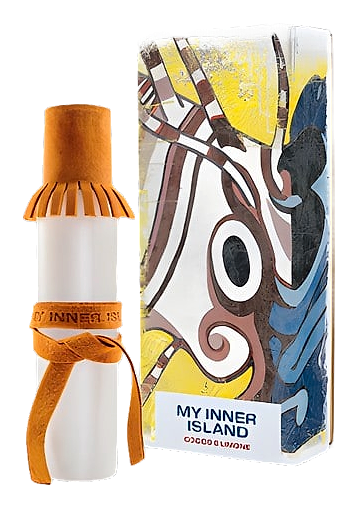
Fragrances featuring Caribbean Lemon
Brands
Brands known for Caribbean Lemon
Good to know
Questions, answered
The essentials on Caribbean Lemon in perfumery: how it smells, where it comes from, and how it behaves on skin.
What does Caribbean Lemon smell like in perfume?
Caribbean Lemon offers a bright, zesty citrus aroma with sweeter, warmer undertones than Mediterranean varieties. The tropical growing conditions produce oils with slightly higher concentrations of fruity esters, giving it a rounder, sun-warmed character.
How is Caribbean Lemon essential oil extracted?
Producers use cold pressing, mechanically puncturing the fruit peel to release oil-rich vesicles. This method preserves volatile compounds like limonene, which can degrade under heat, yielding a fresher, more vibrant oil than steam distillation.
Is Caribbean Lemon different from regular lemon oil?
Yes. Caribbean-grown lemons develop a sweeter, less acidic profile due to consistent tropical sunlight and volcanic soils. While both share high limonene content, Caribbean oil often contains more fruity esters, creating a warmer, less sharp aroma.
When did lemons arrive in the Caribbean?
Christopher Columbus carried lemon seeds to Hispaniola in 1493 during his second voyage to the Americas. Spanish missionaries later spread cultivation across island missions throughout the 16th and 17th centuries.
What perfumes commonly use Caribbean Lemon?
Caribbean Lemon appears primarily in tropical-themed and eau de cologne style fragrances, where its warm citrus character complements coconut, rum, and floral accords. It also features in fresh, summer-driven compositions seeking an exotic citrus edge.
How much lemon fruit is needed to produce essential oil?
Approximately 1,000 lemons yield around one kilogram of cold-pressed essential oil. The flavedo (colored outer peel) holds the highest concentration of aromatic compounds, making efficient peel recovery critical for commercial production.
Where did lemon trees originally come from?
The lemon tree likely originated in the Kashmir region of India, with cultivation evidence dating back over 3,000 years. Arab traders transported lemons westward through the Mediterranean before Columbus introduced them to the Americas.
Is Caribbean Lemon essential oil sustainable?
Small-scale Caribbean production generally supports sustainable agriculture, as lemon trees thrive without heavy pesticide use. However, hurricane vulnerability in the region creates supply inconsistencies, making artisanal oils rarer and more valued.