Cardboard
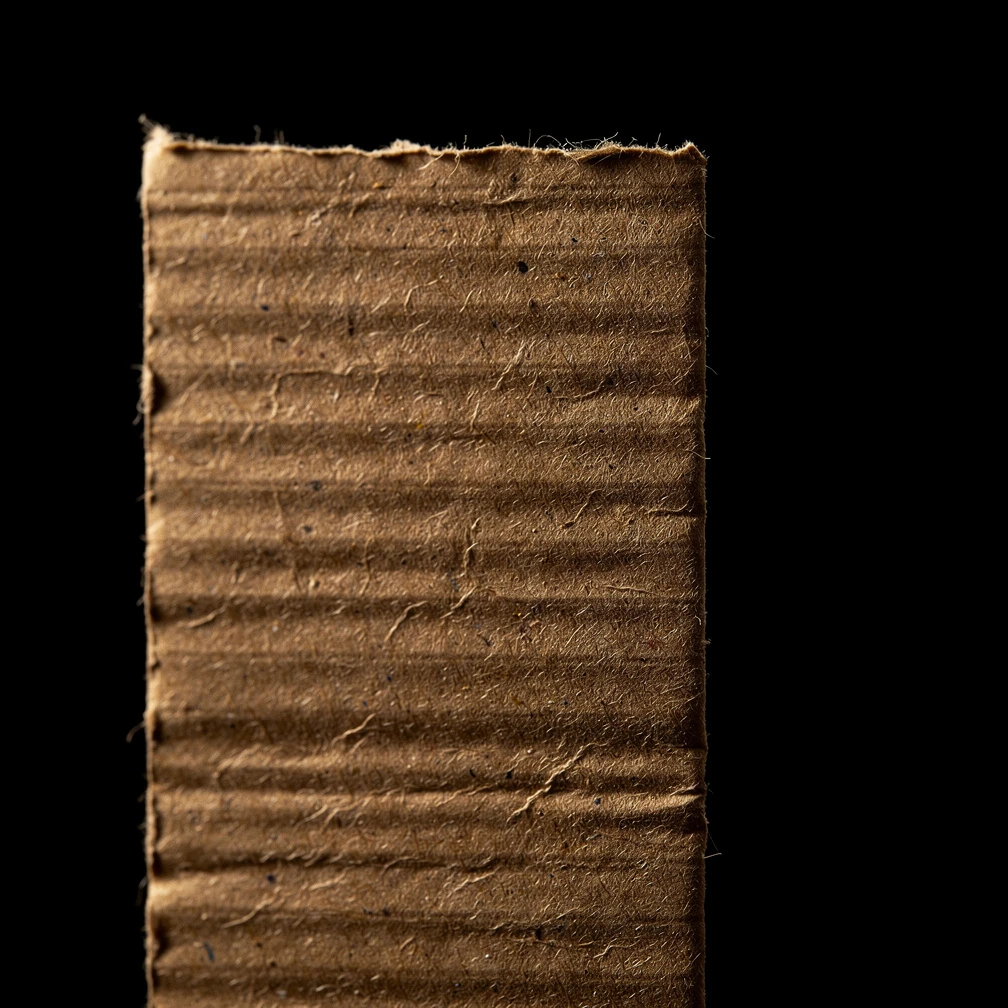
Cardboard is a contemporary aromatic accord capturing the dry, dusty, and slightly chemical character of paper and cardboard materials. It evokes an intellectual, minimalist, or retro-industrial aesthetic in modern perfumery. This synthetic note adds an unexpected urban warmth and nostalgic quality to fragrance compositions.
Character
How it smells
Dry paper and industrial warmth, captured in an unexpected accord.
The cardboard smell in perfume comes from molecules that mimic lignocellulose, the same compounds released when paper ages and decomposes.






Origin
France
The cardboard note represents a radical departure from traditional perfumery ingredients. Where perfumers historically worked with natural botanical and animal-derived materials, the cardboard accord emerged from an era when perfumers began treating everyday materials as legitimate olfactory inspiration.
Conceptual fragrance movements of the 1990s and 2000s embraced this unconventional approach, using paper and cardboard notes to evoke libraries, urban spaces, and intellectual atmospheres. Today, these accords appear across niche and mainstream perfumery, representing the democratization of what constitutes a fragrance material.
Wears it best
Fragrances featuring Cardboard
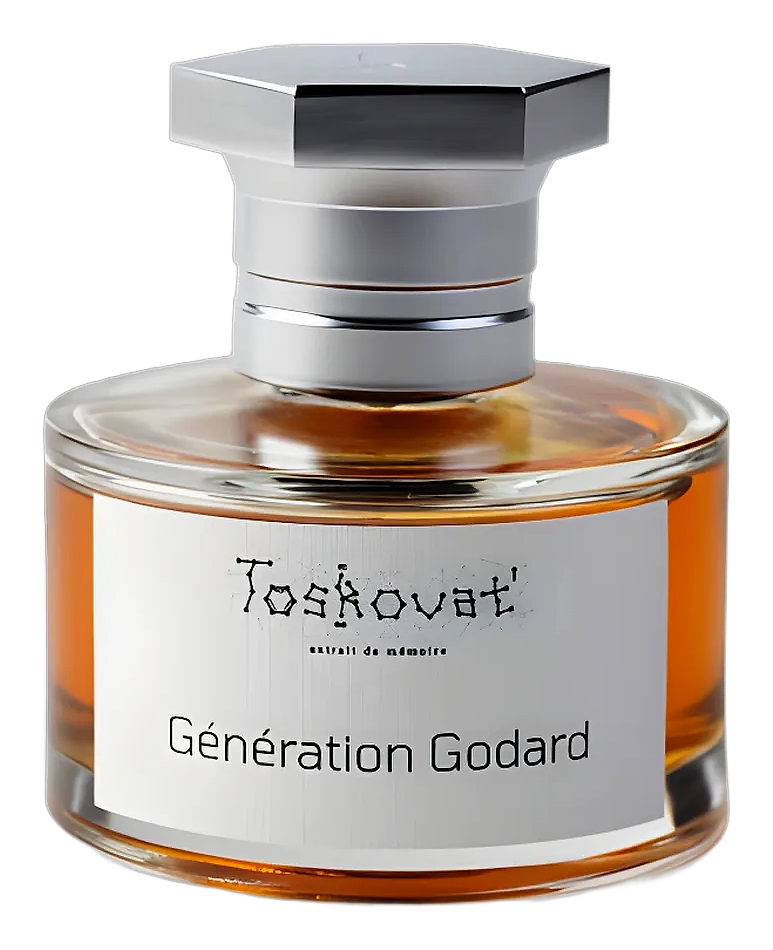
Brands
Brands known for Cardboard
Good to know
Questions, answered
The essentials on Cardboard in perfumery: how it smells, where it comes from, and how it behaves on skin.
What does Cardboard smell like in perfume?
Cardboard in perfume smells dry, dusty, and slightly chemical, with subtle woody undertones reminiscent of aged paper. It captures the atmospheric quality of paper materials without being unpleasant, adding an unexpected industrial warmth to compositions.
Why is Cardboard used in perfumery?
Cardboard adds intellectual, minimalist, or retro-nostalgic character to fragrances. Perfumers use it to create atmospheric compositions evoking libraries, studios, or urban spaces. Approximately 12% of niche fragrance releases in the past decade have incorporated unconventional material notes.
Is Cardboard in perfume natural or synthetic?
Cardboard is exclusively synthetic in perfumery. No natural cardboard extract exists. Perfumers create this accord using combinations of aldehydes, vanillin derivatives, and woody molecules that together mimic the aromatic profile of paper and cardboard materials.
What famous perfumes contain Cardboard?
Several niche houses have popularized cardboard notes, including Zadig&Voltoire and Orto Parisi. While specific formulations remain proprietary, these houses have pioneered atmospheric, material-inspired fragrances that incorporate paper and cardboard accords in their compositions.
Is Cardboard a top note, heart note, or base note?
Cardboard functions primarily as a base note in perfumery. Its role is to provide lingering atmospheric depth and an unexpected industrial quality that emerges as the fragrance dries down on the skin over several hours.
What notes pair well with Cardboard in perfume?
Cardboard pairs well with clean white musks, paper-like aldehydes, light woods, and subtle vanillin. It complements minimalist florals and atmospheric compositions, creating unexpected contrast when combined with organic materials like iris or violet.
How is Cardboard extracted?
Cardboard cannot be extracted and exists only as a synthetic accord. Perfumers synthesize it by combining specific molecules that mimic paper aroma, including certain aldehydes and lignin-derivative compounds, through precise laboratory techniques developed in the late 20th century.
Is Cardboard used in men's or women's fragrances?
Cardboard notes appear predominantly in unisex fragrances designed for consumers who appreciate conceptual, atmospheric perfumery. The minimalist aesthetic associated with cardboard accords transcends traditional gender boundaries in contemporary fragrance design.