Caramel Custard
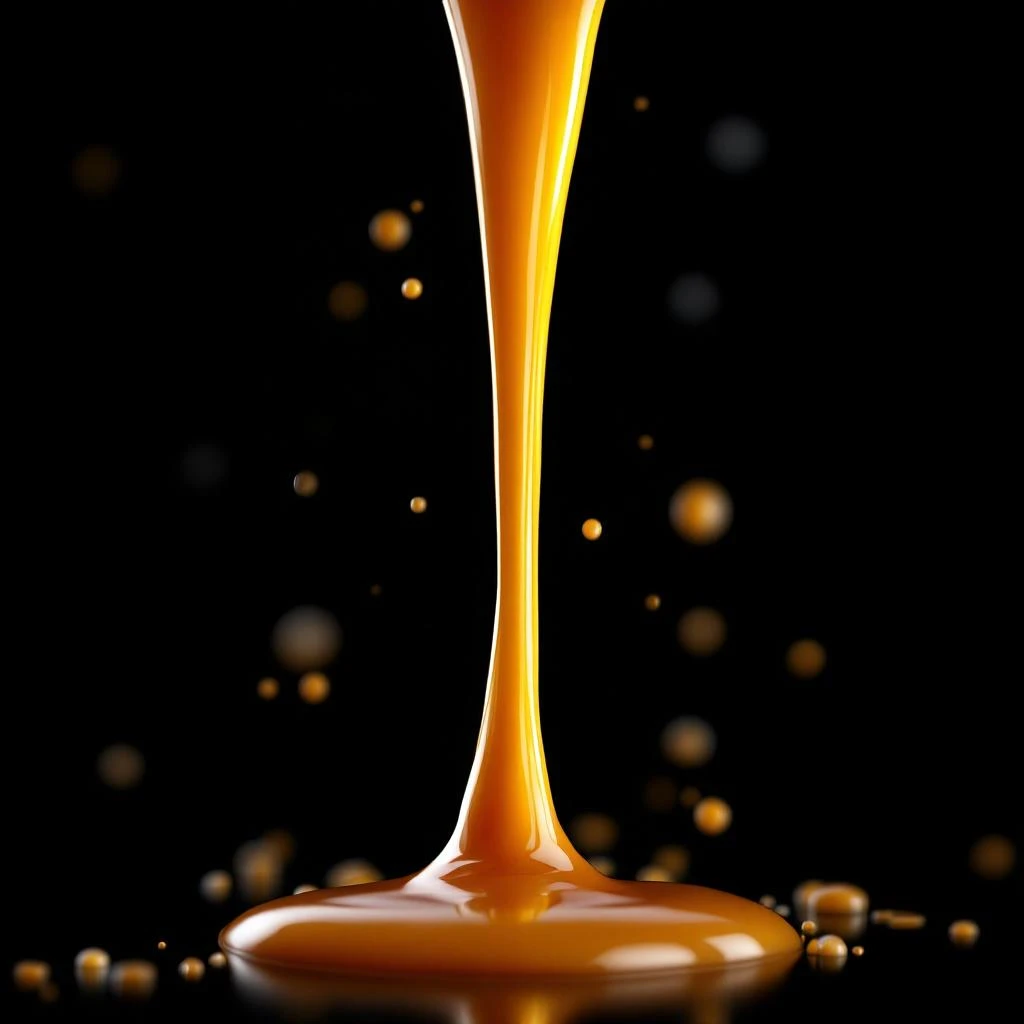
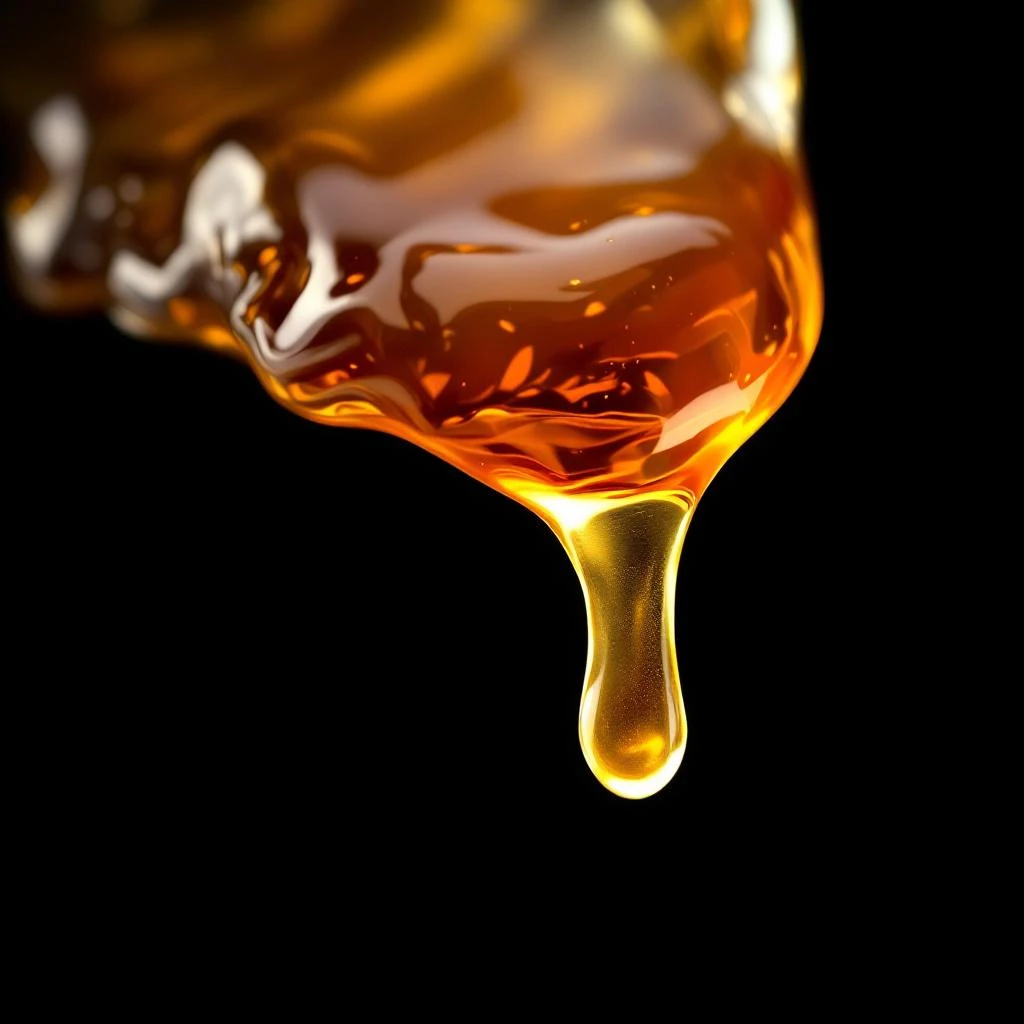
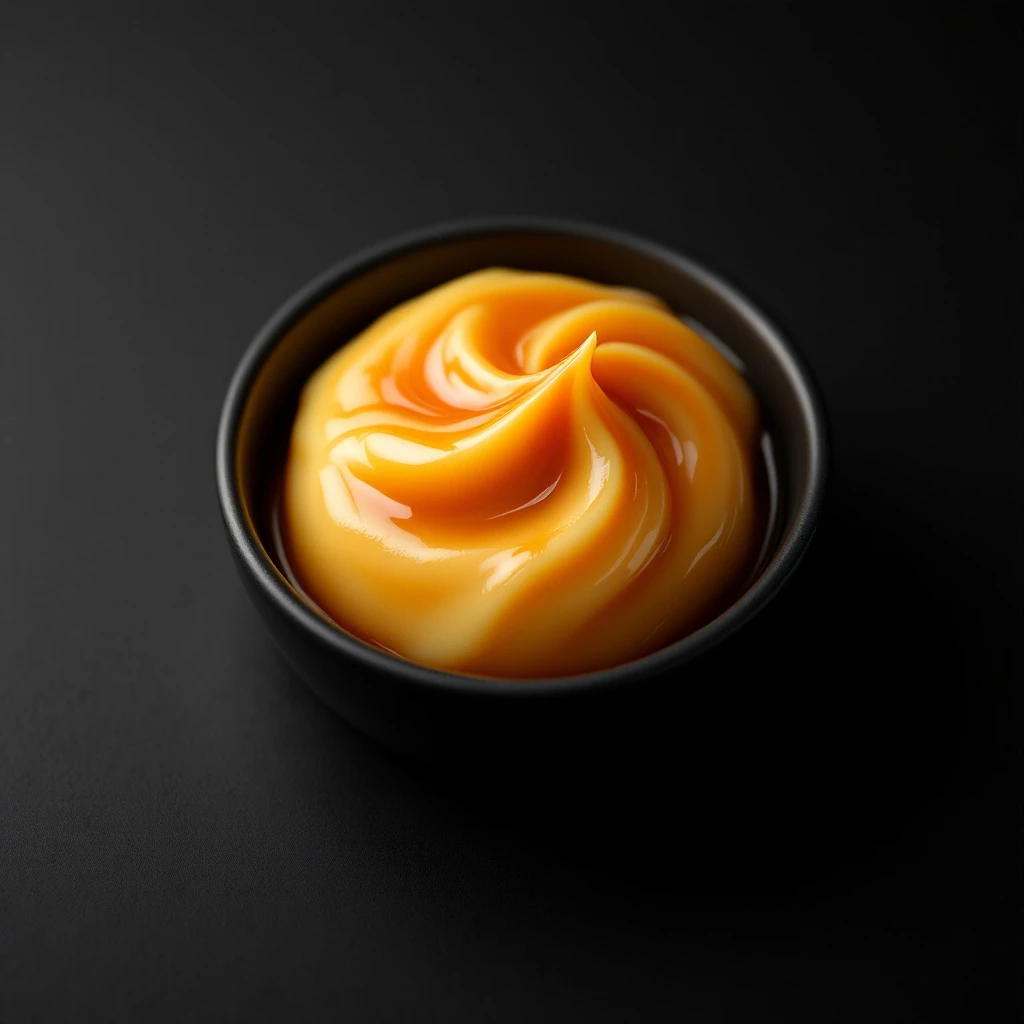
Rich, buttery sweetness with a toasted edge. Discover how this decadent dessert note became a perfumery icon and what makes it entirely synthetic.
Character
How it smells
The dessert note that redefined modern fragrance.
Furaneol, the molecule responsible for caramel's signature aroma, was first isolated from pineapples in 1895 before becoming a fragrance workhorse.



Origin
Germany
The rise of caramel as a perfumery note traces directly to the synthetic fragrance revolution of the late 1800s. When chemists first synthesized vanillin in 1874 and coumarin shortly after, they opened a door to recreating edible aromas that had never been possible from natural ingredients alone. By the early 20th century, perfume houses began experimenting with these new molecules, eventually combining them to approximate caramel's warm, sweet complexity.
The Gourmand fragrance movement of the 1980s and 1990s cemented caramel's place in modern perfumery. Thierry Mugler's Angel in 1992 proved that dessert-like notes could anchor a serious fragrance, and caramel played a central role in that revolution. Today, synthetic caramel materials appear across every price tier and fragrance family, from budget body sprays to high-end niche creations.
The ingredient represents a fundamental shift in how perfumers construct narratives, moving from capturing nature to building imagined sensory experiences from pure chemistry.
Wears it best
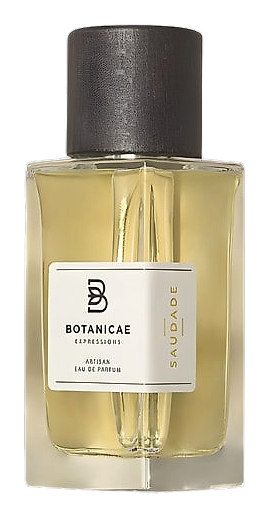
Fragrances featuring Caramel Custard
Brands
Brands known for Caramel Custard
Good to know
Questions, answered
The essentials on Caramel Custard in perfumery: how it smells, where it comes from, and how it behaves on skin.
Is caramel a natural or synthetic ingredient in perfume?
Caramel is entirely synthetic in perfumery. There is no natural extraction process that yields caramel note; perfumers construct it from molecules like furaneol, maltol, and vanillin derivatives.
What does caramel smell like in fragrance?
Caramel delivers a warm, sweet aroma with buttery richness and a slightly burnt, toasted edge. It ranges from light golden syrup to dark toffee depending on the specific synthetic materials used.
When did synthetic caramel enter perfumery?
Caramel as a fragrance note emerged in the early 20th century following the synthetic chemistry breakthroughs of the 1870s-1890s. It became mainstream in the Gourmand fragrance explosion of the 1990s.
Which fragrance families use caramel notes?
Caramel appears primarily in Gourmand fragrances but also features in Oriental, Woody, and even Chypre compositions. It adds warmth and sweetness to both women's and men's fragrances.
What molecules create caramel's aroma in perfume?
Furaneol provides the jammy, caramelized character. Maltol contributes sugary, slightly burnt edges. Vanillin derivatives add creamy vanilla warmth. Perfumers blend these for custom results.
Does caramel note fade quickly in fragrances?
Caramel notes typically have moderate tenacity, lasting 4-6 hours depending on formulation. Heavier caramel materials in base notes can linger longer when combined with fixatives.
Which perfumes feature caramel as a hero note?
Thierry Mugler Angel pioneered caramel as a signature note in 1992. More recent examples include Dior Hypnotic Poison and Kilian Good Girl Gone Bad, which showcase the ingredient's versatility.
Can natural ingredients approximate caramel's scent?
Tonka bean absolute and benzoin resin offer caramel-like warmth but lack the precise sweetness of synthetic caramel materials. Perfumers often combine natural and synthetic elements for balance.