Candied Bitter Orange
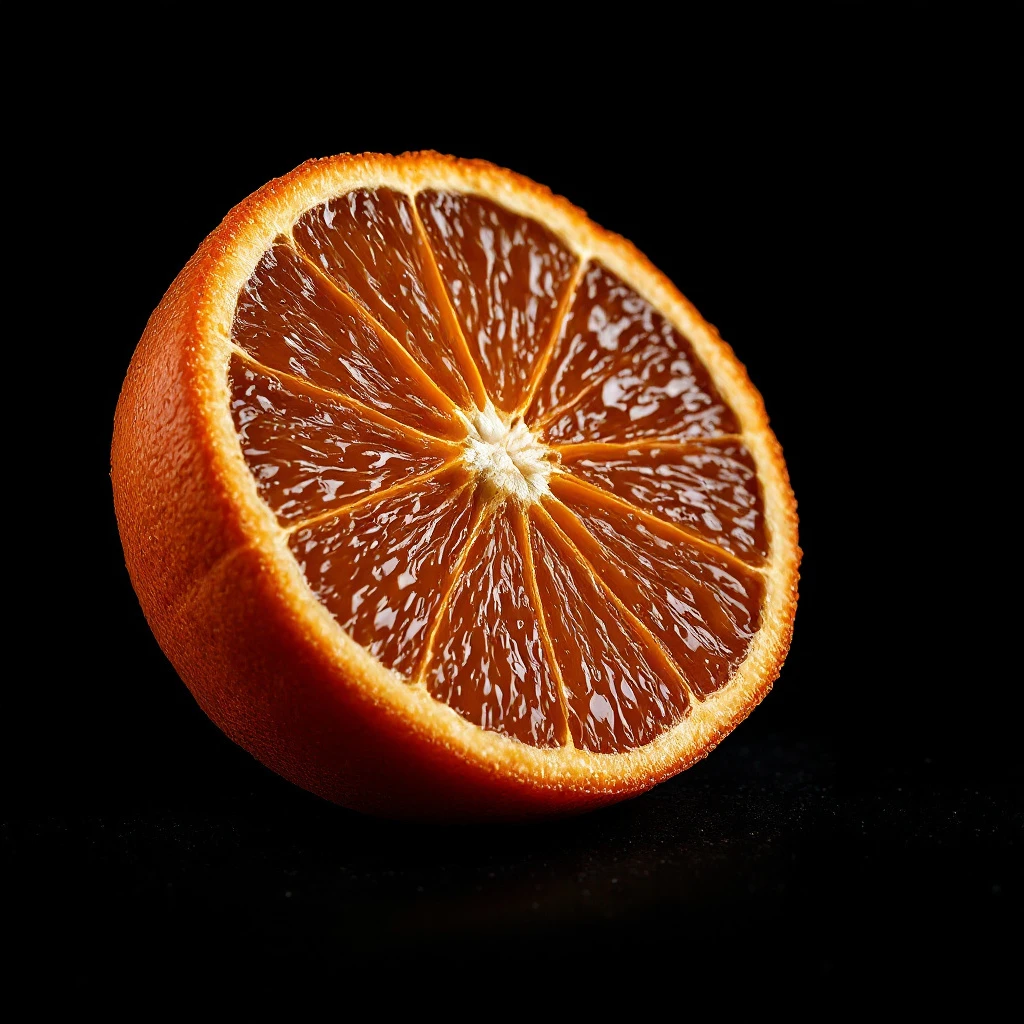
Glossy, jewel-bright peel that carries the tart backbone of bitter orange beneath layers of caramelized sugar. Candied bitter orange bridges the gap between raw citrus and cooked fruit, delivering a jammy, concentrated sweetness that rounds sharper notes into something softer.
Character
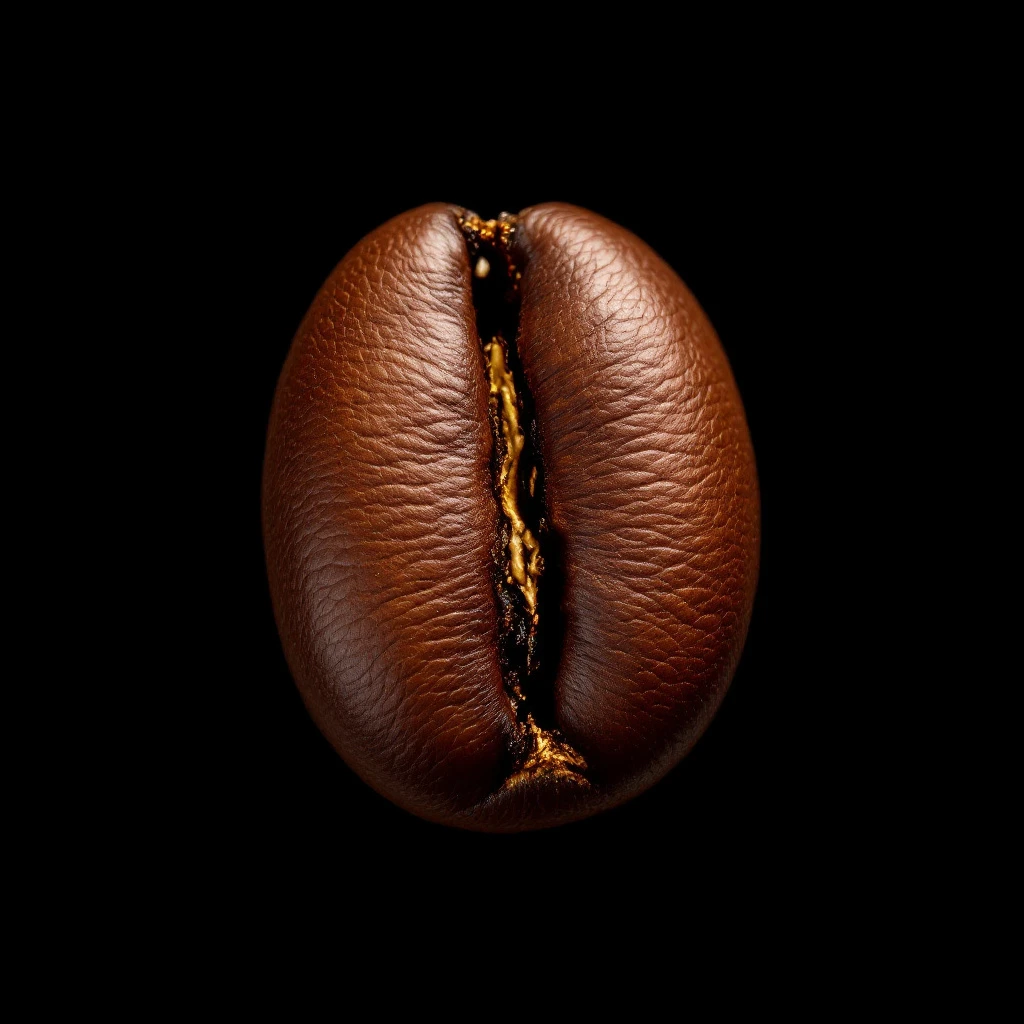
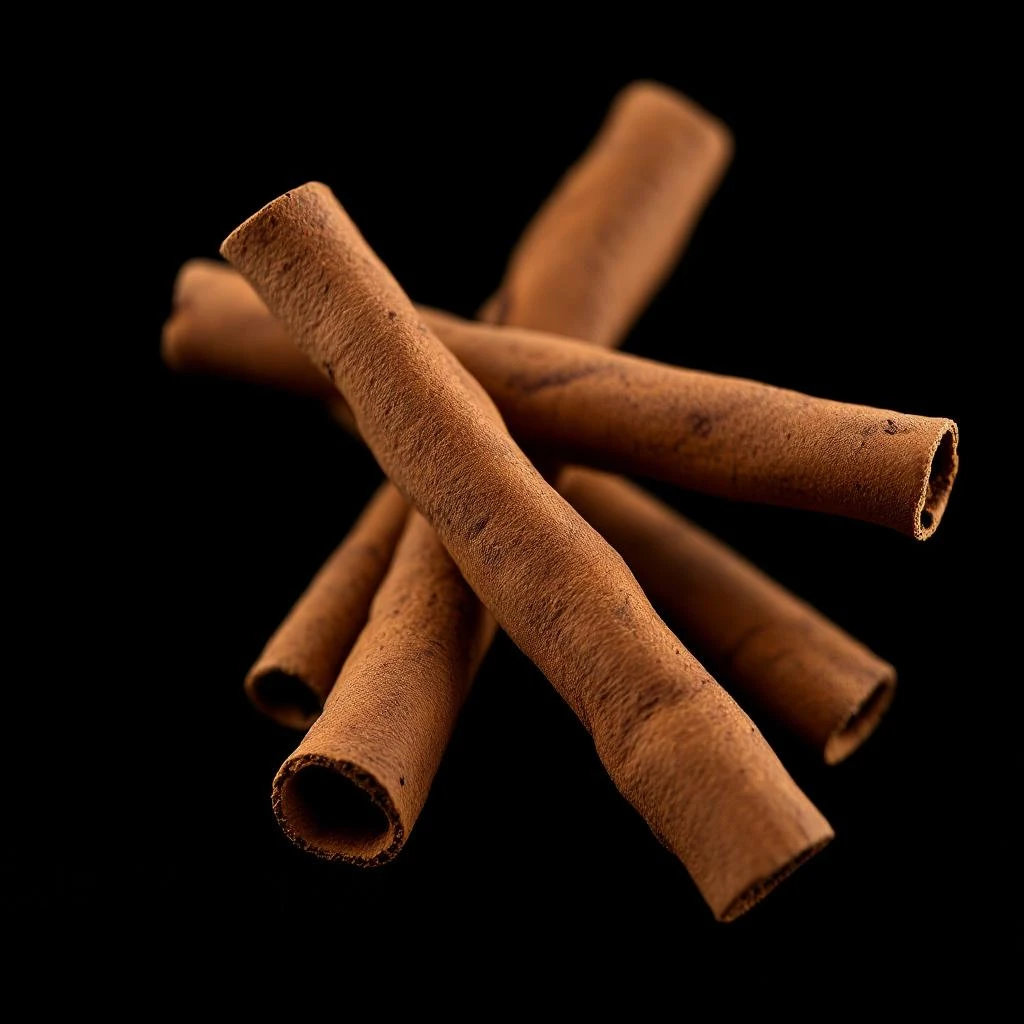
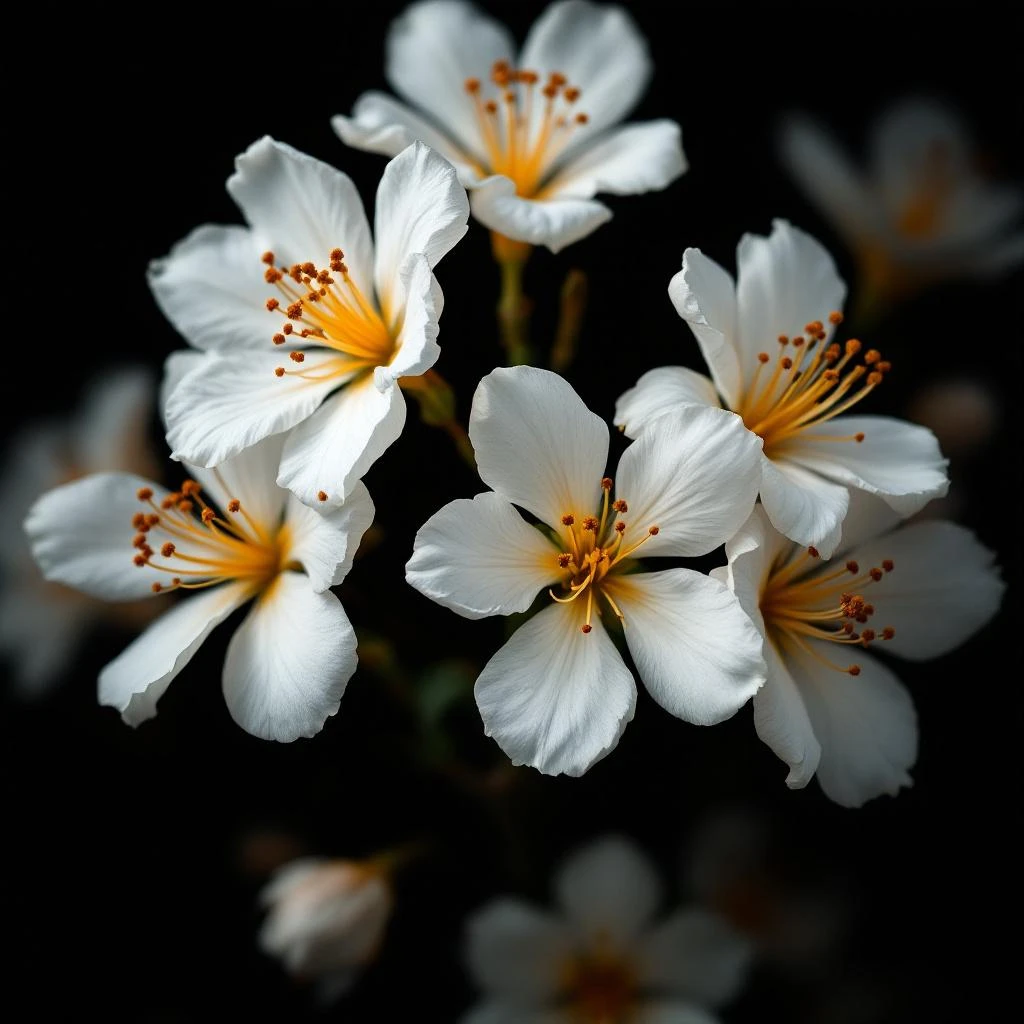
How it smells
Bitter meets sweet at the edge of the pot.
Traditional candied orange peel takes up to three weeks to complete, with the fruit simmered in fresh syrup up to twelve times.


Origin
China
The bitter orange tree traveled east from China to India, Syria and Egypt centuries before it reached European markets. Arab traders introduced the tree to the Mediterranean basin in the ninth century, establishing groves across Spain, Italy and North Africa. Crusaders encountered the fruit during the eleventh and twelfth centuries and carried seeds westward, spreading cultivation along their trade routes.
Seville, Spain emerged as a particularly significant growing region, where bitter oranges became central to local cuisine and eventually to marmalade production in the seventeenth century. The candying technique developed as a preservation method, allowing cooks to capture peak-season fruit for use throughout the year. Today, bitter orange cultivation spans tropical and subtropical regions worldwide, with the Caribbean, Mediterranean and parts of Asia serving as primary production zones.
Each region produces fruit with slightly different acid-to-sugar ratios, influencing the final candied product's character.
Wears it best
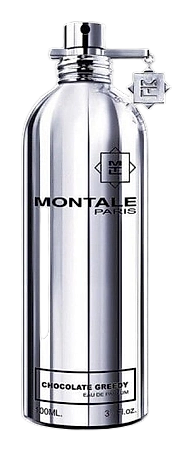
Fragrances featuring Candied Bitter Orange
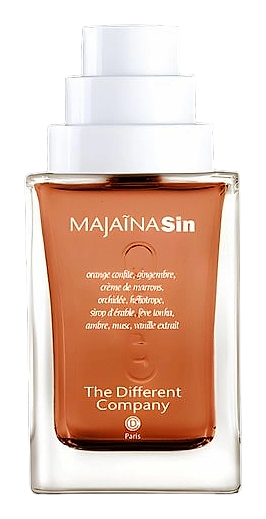
Brands
Brands known for Candied Bitter Orange
Good to know
Questions, answered
The essentials on Candied Bitter Orange in perfumery: how it smells, where it comes from, and how it behaves on skin.
What does candied bitter orange smell like?
Candied bitter orange delivers a sweet-tart aroma with jammy depth. The tart citrus character of the fruit remains present beneath layers of caramelized sugar, producing a cooked-fruit quality similar to marmalade. Caramel notes emerge from the candy-making process itself.
Is candied bitter orange used in both food and fragrance?
Yes. As a food ingredient, candied bitter orange appears in desserts, confectionery and baked goods. In perfumery, the aroma profile inspires accords that capture the same sweet-tart cooked-fruit character using citrus materials and caramel-type aroma chemicals.
How is candied bitter orange different from neroli or petitgrain?
Neroli comes from bitter orange blossoms and carries a floral, slightly animalic quality. Petitgrain derives from leaves and twigs, offering a sharper, more bitter green scent. Candied peel focuses on the cooked fruit character, with caramel and jammy sweetness that the other materials lack.
Where does bitter orange originate?
Bitter orange originates in China, where it appears in records dating back centuries. Arab traders introduced the tree to the Mediterranean basin in the ninth century, and Crusaders later spread cultivation westward across Europe.
What parts of the bitter orange tree are used in perfumery?
Every part of the bitter orange tree yields perfume materials. The fruit provides essential oil and candied peel. Blossoms produce neroli absolute. Leaves and twigs yield petitgrain oil. This makes the tree one of the most versatile botanical sources in fragrance.
Why does candied bitter orange taste bitter if it is candied?
The candying process uses the entire peel, including the white pith, which contains natural bitter compounds. Repeated boiling in sugar syrup gradually draws out these bitter principles while replacing them with sweetness, but a subtle tart backbone remains in the finished product.
How long does traditional candied orange peel take to make?
Traditional candied orange peel requires two to three weeks to complete. The peel simmers in sugar syrup repeatedly, with fresh syrup used each time. This gradual process allows the fruit to absorb sweetness while losing its natural bitterness.
Can synthetic materials replicate candied bitter orange in fragrance?
Fragrance chemists combine citrus materials with caramel-type aroma chemicals to approximate candied peel character. Natural extracts like bitter orange oil provide the tart citrus foundation, while aroma chemicals add the cooked sugar notes that define the candied quality.