Guatemala tonka bean
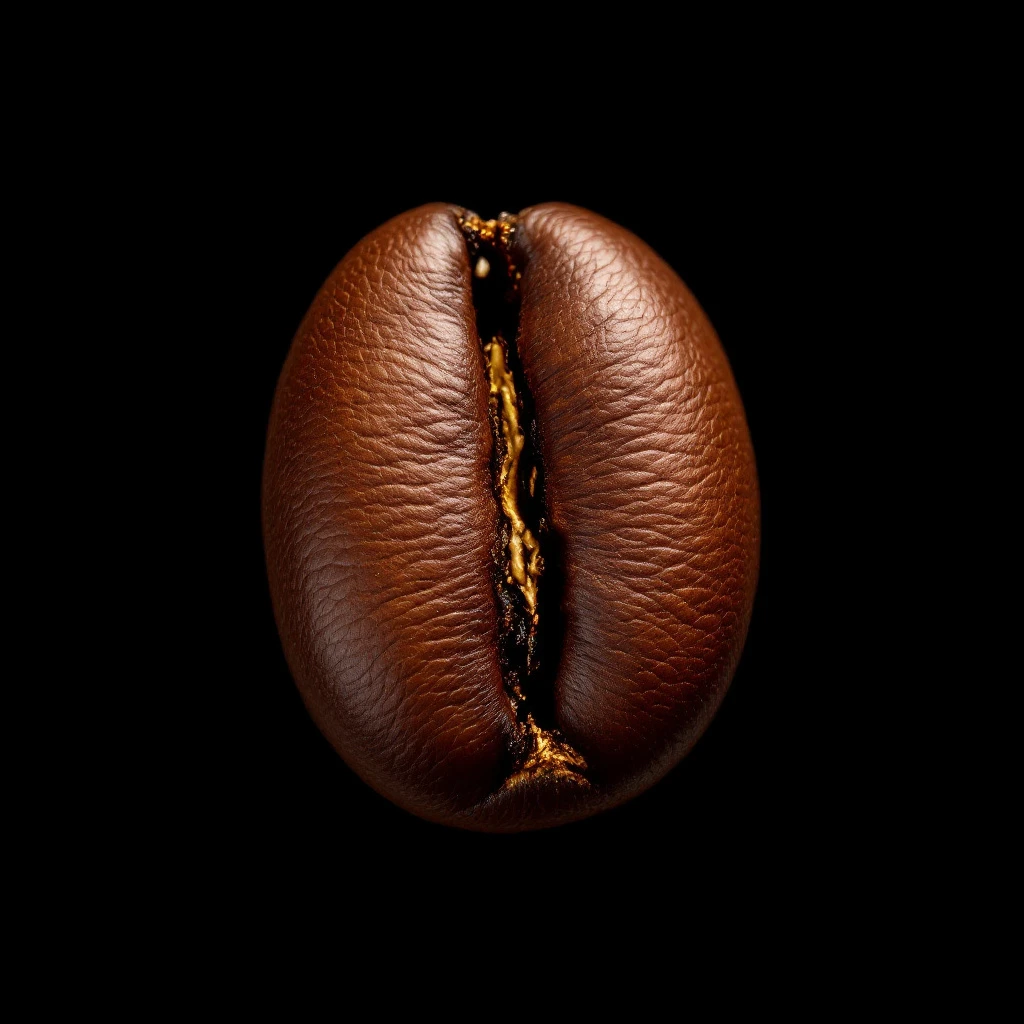
Guatemala tonka bean delivers an intoxicating blend of warm vanilla, toasted almond, and soft tobacco. This cured seed from Central American rainforests has shaped perfumery for over a century.
Character
How it smells
Warm, sweet, and addictively comforting
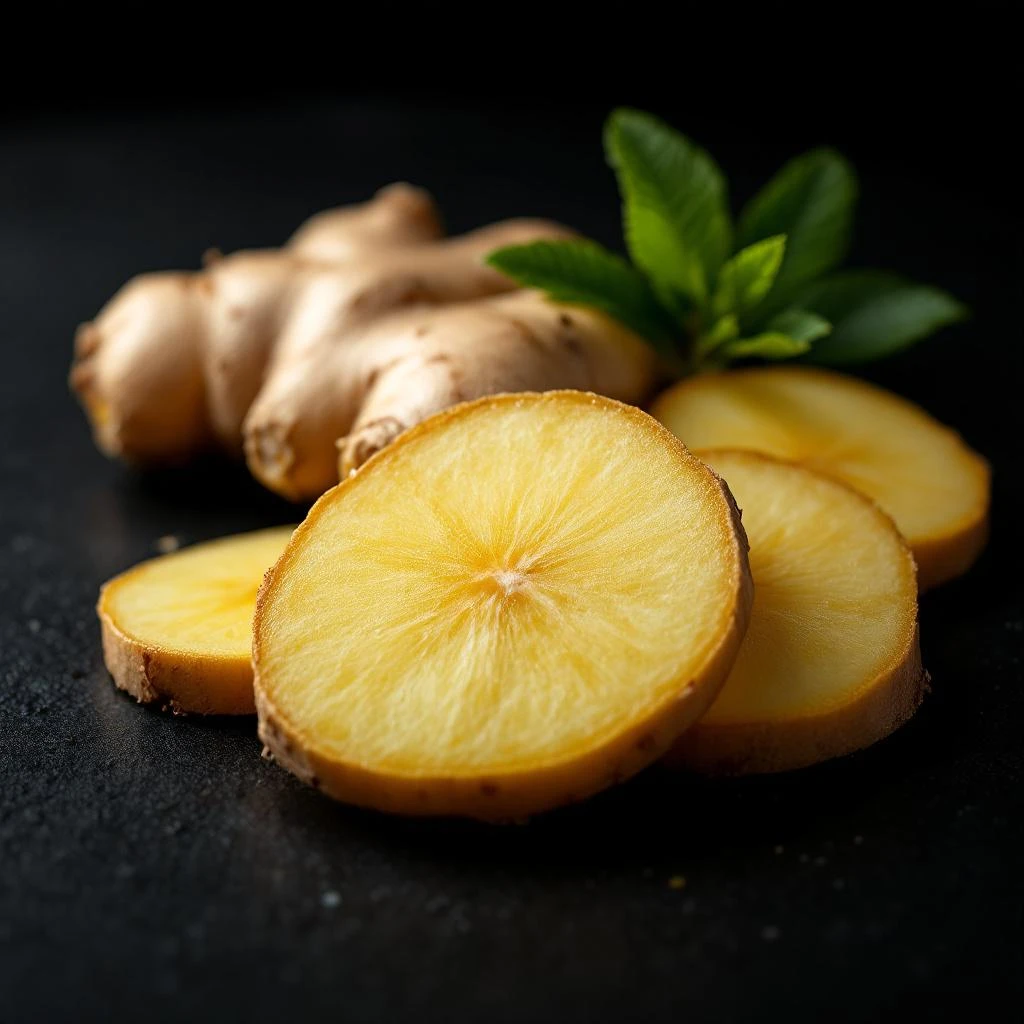
Guatemalan farmers cure these beans in rum for months, developing crystalline coumarin that gives tonka its signature sweet aroma.


Origin
Guatemala
The tonka bean story begins in the rainforests of Central America, where the Coumarou tree has grown for millennia. Indigenous peoples first discovered the beans' remarkable scent and crushed them into powder for perfuming homes. When European traders encountered the beans in the 18th century, they quickly recognized their commercial value.
By the 1820s, extraction processes emerged, and the tobacco industry adopted tonka powder for its blends. Perfumery adoption accelerated by the early 1900s, particularly after the synthesis of coumarin in 1868. Guatemala became a prized origin, with its humid climate and traditional curing methods producing beans prized for their complexity.
Today, tonka appears in roughly 30 percent of all commercial fragrances, supporting approximately 15,000 people in the supply chain. Despite its ban as a food ingredient in the United States due to coumarin content, tonka remains indispensable to fine fragrance.
Wears it best
Fragrances featuring Guatemala tonka bean
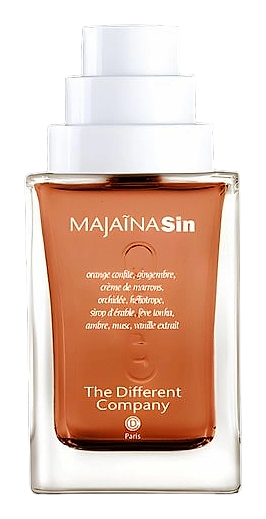
Brands
Brands known for Guatemala tonka bean
Good to know
Questions, answered
The essentials on Guatemala tonka bean in perfumery: how it smells, where it comes from, and how it behaves on skin.
What does Guatemala tonka bean smell like?
Guatemalan tonka combines warm vanilla, sweet almond, and soft tobacco. Its rum-curing process adds depth that synthetic coumarin cannot replicate.
Why is tonka bean banned as food in the US?
The FDA prohibits tonka bean as food due to coumarin, a compound linked to liver toxicity at high doses. Perfume use remains unregulated and safe.
How does the rum-curing process work?
Harvesters soak dried beans in rum for several months. The alcohol draws out moisture and triggers coumarin crystallization, intensifying the scent.
What fragrance families feature tonka bean?
Tonka anchors fougère, oriental, and gourmand families. It provides warmth and sweetness to men's fragrances and adds depth to unisex compositions.
Is coumarin natural or synthetic in perfumes?
Both exist. Natural tonka absolute contains coumarin alongside hundreds of companion molecules, while synthetic coumarin offers a cleaner, simpler aroma.
How much tonka do perfumers use?
Perfumery concentrations range from 0.1 to 2 percent. The material is potent, and overuse produces an overly sweet, almost medicinal character.
What makes Guatemalan tonka distinct?
Guatemala's tropical climate and traditional curing methods produce beans with high coumarin content and complex aromatic profiles prized by perfumers.
When did tonka enter perfumery?
Commercial extraction began in the 1820s, but tonka became widespread in fragrance by the early 1900s, notably in the fougère family.