California Cedar
California Cedar delivers a dry, pencil-shaving warmth with subtle resinous undertones. This native woody material anchors fragrances with quiet confidence, drawing its character from the aromatic heartwood of Calocedrus decurrens.
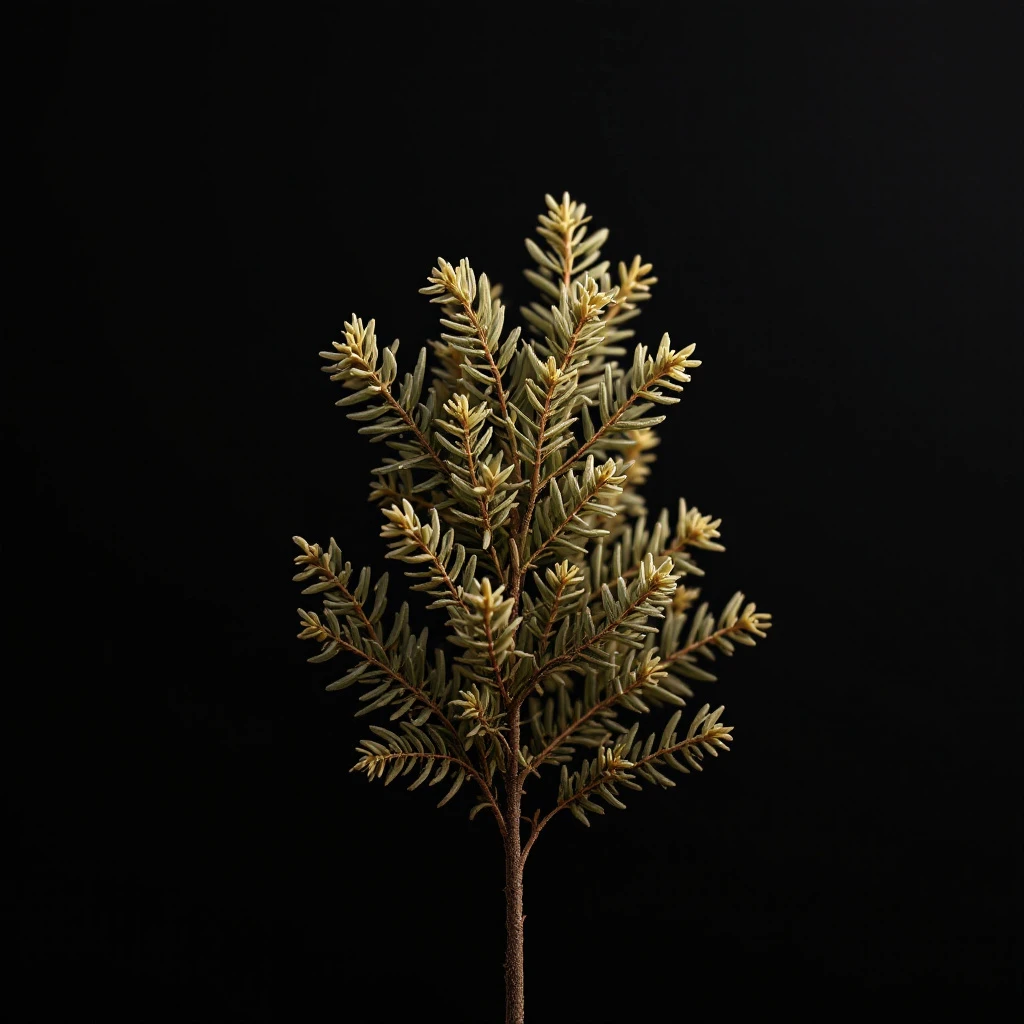
Character
How it smells
The quiet backbone of the wild forest.
Native Americans used California cedarwood to craft ceremonial shamanic drums, recognizing its aromatic properties centuries before perfumery existed.



Origin
United States
For thousands of years, North American indigenous peoples held California cedar in high regard for both spiritual and practical purposes. They crafted the wood into drums, ceremonial objects, and incense, recognizing its aromatic resonance in sacred contexts.
When European settlers arrived, they found the same tree already woven into local traditions. Perfumery adopted this material relatively late compared to its Mediterranean cedar relatives, but by the mid-twentieth century, California cedarwood had established itself as a sustainable domestic alternative to older cedar sources.
Today, sustainable harvesting practices ensure continued supply while maintaining the ecological integrity of western forest ecosystems. The ingredient represents a convergence of indigenous knowledge and modern aromatic science, carrying centuries of human relationship with aromatic woods into contemporary fragrance creation.
Wears it best
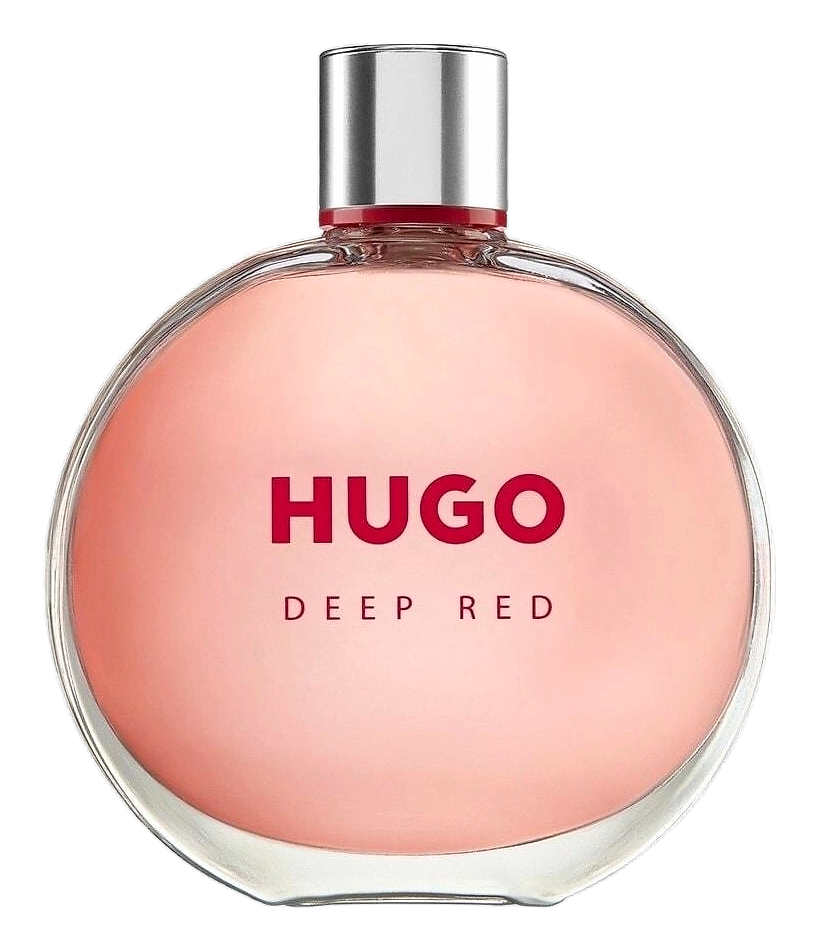
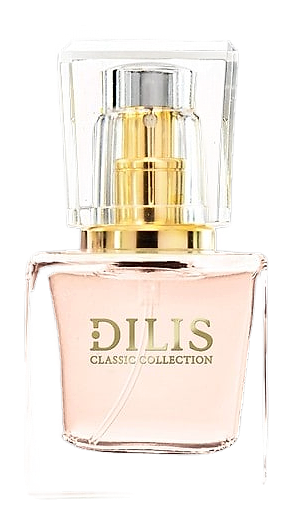
Fragrances featuring California Cedar
Brands
Brands known for California Cedar
Good to know
Questions, answered
The essentials on California Cedar in perfumery: how it smells, where it comes from, and how it behaves on skin.
What does California cedarwood smell like?
California cedarwood has a dry, pencil-shaving character with subtle resinous sweetness underneath. It reads as clean and woody rather than smoky or medicinal. The scent is lasting and warm, making it ideal for anchoring fragrance compositions.
How is California cedarwood oil extracted?
Steam distillation extracts the oil from dried heartwood chips, sawdust, and shavings. High-pressure steam vaporizes the aromatic compounds, which then cool and condense into essential oil. This method preserves the clean, natural scent without requiring chemical solvents.
Which fragrance family uses California cedarwood most often?
California cedarwood functions primarily as a base note in woody, fougere, and chypre compositions. Perfumers pair it with patchouli, vetiver, and amber materials to build depth. It also appears in clean, aquatic-leaning fragrances for its dry driftwood quality.
Is California cedarwood a natural or synthetic ingredient?
California cedarwood is a natural ingredient derived from Calocedrus decurrens, a conifer native to western North America. Responsible producers source it from sustainably managed forests, ensuring the material supports ecological balance while meeting quality standards for perfumery.
What compounds give California cedar its scent profile?
Sesquiterpene hydrocarbons, particularly atlantone, define the scent profile. These molecules produce the dry, pencil-shaving quality and the subtle balsamic undertones. The concentration of these compounds varies based on growing conditions and harvest timing.
Can California cedarwood be blended with other wood notes?
California cedarwood blends readily with sandalwood, oud, and atlas cedar to create layered woody effects. It also complements non-wood ingredients like bergamot, iris, and labdanum, adding structure without overpowering brighter top notes.
Where does California cedar grow naturally?
Calocedrus decurrens thrives across the western United States, from the Sierra Nevada to the Cascade Range. It prefers mountain elevations between 3,000 and 9,000 feet and can live for several centuries, reaching heights exceeding 125 feet.