Caffè Macchiato
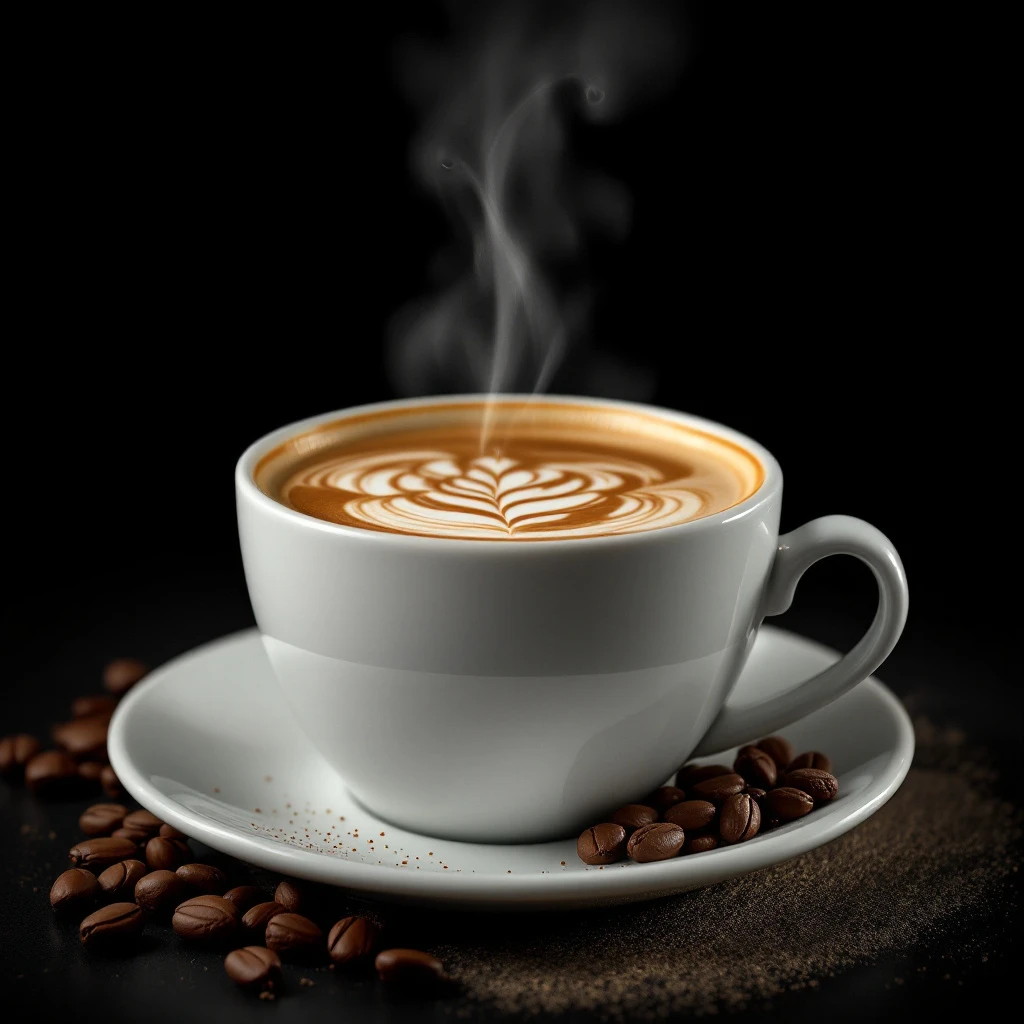
The warm, roasted embrace of espresso marked with a whisper of steamed milk. Caffè Macchiato captures that moment of morning ritual - bitter depth softened by creamy warmth, reimagined as a fragrance accord.
Character
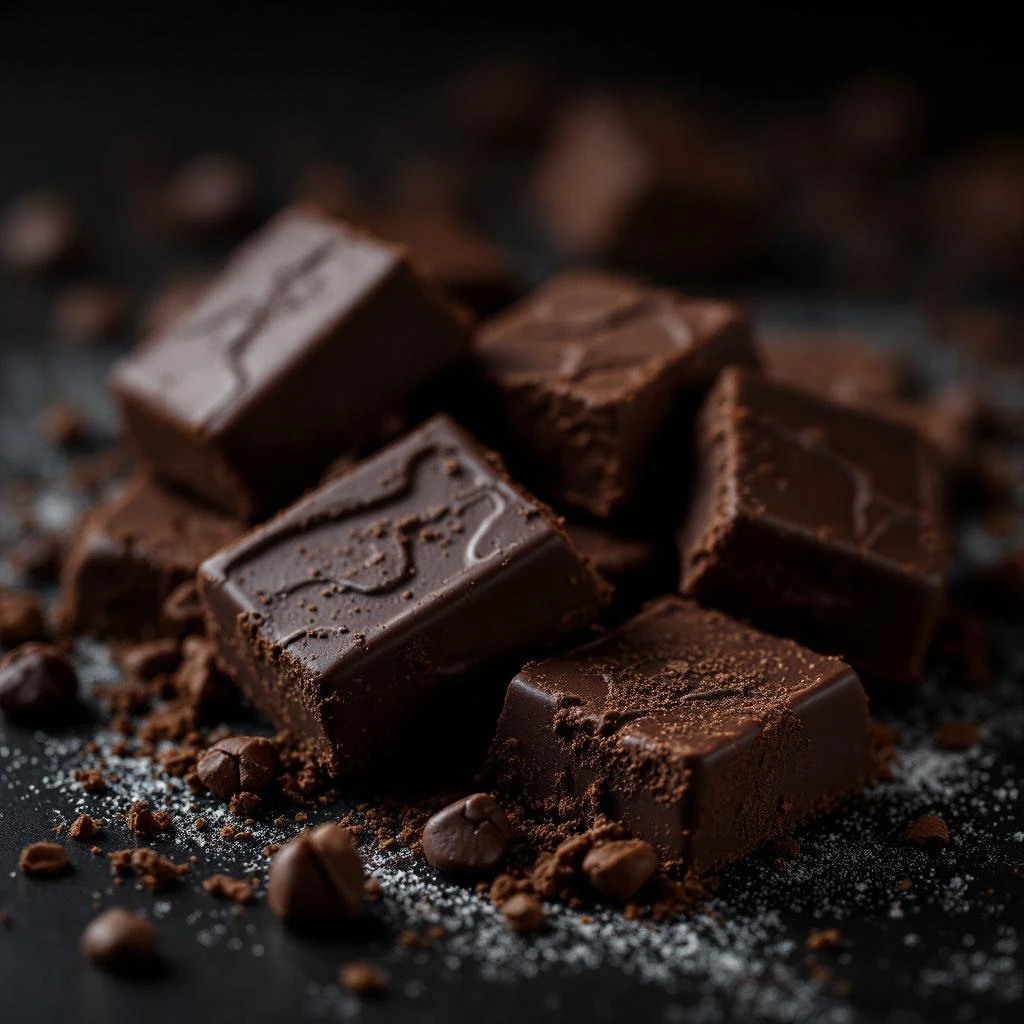
How it smells
Italian espresso marked with velvet milk.
Macchiato means 'stained' in Italian - the milk simply marks the espresso, distinguishing it from a plain shot.


Origin
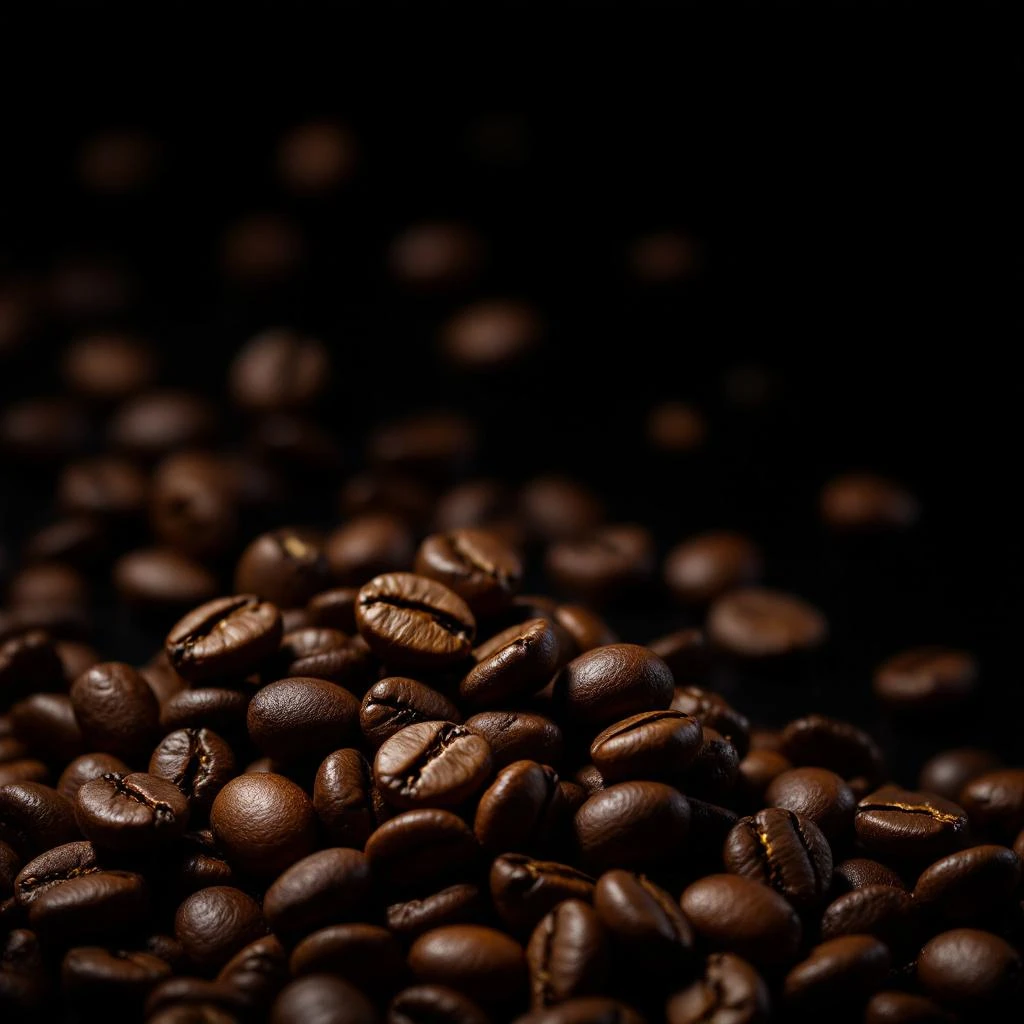
Ethiopia
The caffè macchiato originated in mid-20th century Italy as coffee culture spread through Europe. Baristas served it as an espresso 'stained' with milk, helping customers distinguish it from plain shots. The name itself - macchiato, meaning stained or spotted - describes how milk marks the dark coffee.
Coffee's journey began much earlier in the Ethiopian highlands around the 9th century. Legend tells of a goat herder named Kaldi who noticed his flock's energetic behavior after eating red cherries from a certain tree. By the 15th century, cultivation had spread to Yemen, where the port of Mocha became coffee's trading hub. European traders smuggled plants in the 1600s, establishing colonial plantations in the Caribbean, Brazil, and Indonesia that would reshape global production.
Coffee houses emerged across the Ottoman Empire and Europe, becoming centers of commerce and intellectual exchange. In perfumery, coffee as a noted ingredient appeared in the late 19th century, though it remained uncommon until the coffeehouse revival of the 1980s and 1990s inspired perfumers to capture that distinctive aroma in fragrance.
Wears it best
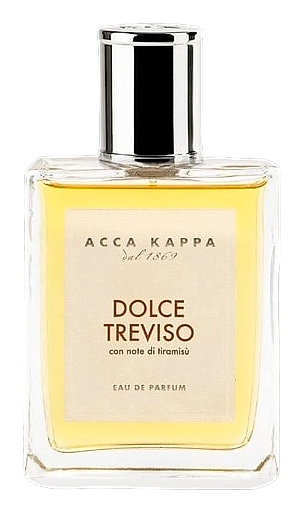
Fragrances featuring Caffè Macchiato
Brands
Brands known for Caffè Macchiato
Good to know
Questions, answered
The essentials on Caffè Macchiato in perfumery: how it smells, where it comes from, and how it behaves on skin.
What makes Caffè Macchiato different from plain coffee notes in perfume?
It combines bitter, roasted coffee with creamy lactonic notes. The milk element adds warmth and softness that plain coffee notes lack, creating a more rounded scent profile.
Is Caffè Macchiato a natural or synthetic ingredient in perfumery?
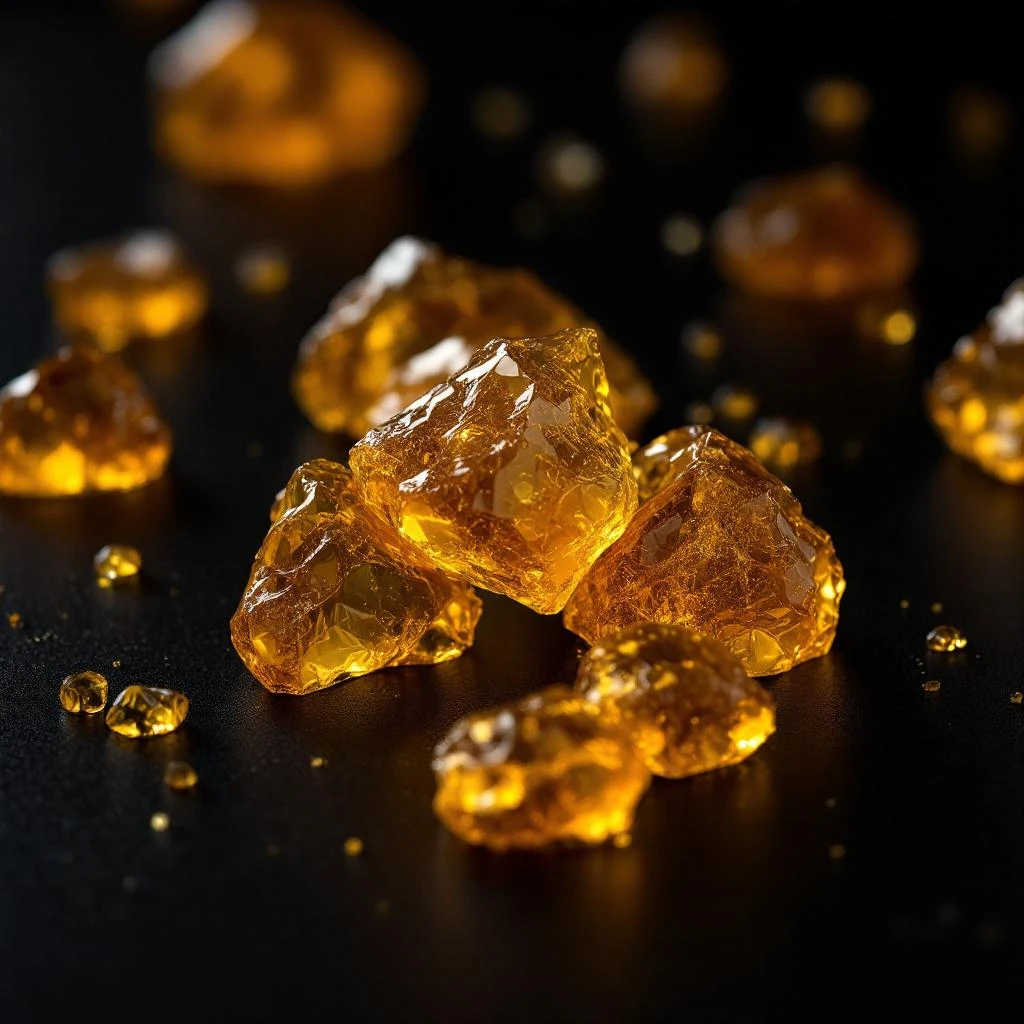
It combines both. Natural coffee extracts come from supercritical CO2 or solvent extraction of roasted beans. The milk-like lactonic notes typically derive from synthetic aroma chemicals.
What does Caffè Macchiato smell like in a fragrance?
Expect roasted espresso upfront with bitter, slightly smoky character. The drydown reveals creamy, warm lactonic notes reminiscent of steamed milk foam.
Which extraction method best preserves coffee's aroma?
Supercritical CO2 extraction maintains the most complete aromatic profile by operating just above coffee's critical temperature, capturing volatile compounds that solvents might miss.
Why is Ethiopia significant to coffee in perfumery?
Ethiopia is coffee's genetic origin, where Coffea arabica grows wild in highland forests. Ethiopian beans produce the fruity, wine-like characteristics prized in specialty perfumery ingredients.
Does Caffè Macchiato contain actual milk?
No. The milky impression comes from lactonic molecules like delta-decalactone that mimic creaminess without dairy, ensuring shelf stability and vegan compatibility.
What is the Italian meaning of 'macchiato'?
Macchiato translates to 'stained' or 'spotted.' The milk 'stains' the espresso rather than diluting it, preserving coffee's intensity while adding subtle creamy nuance.
How do perfumers balance bitter and sweet in this note?
They layer coffee's pyrazines and furans (bitter, roasted) with lactones (sweet, creamy) in specific ratios. The espresso dominates initially while milk notes emerge in the drydown.