Cabernet Wine
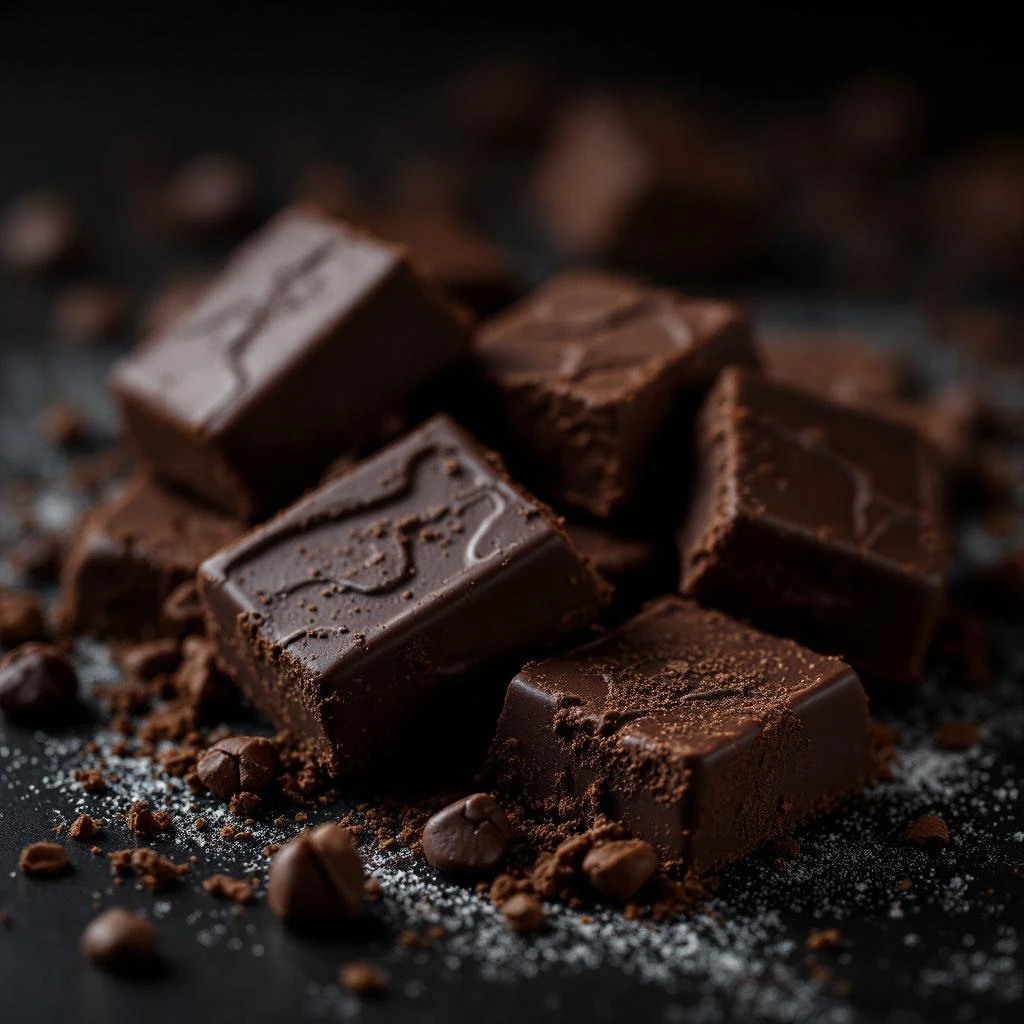
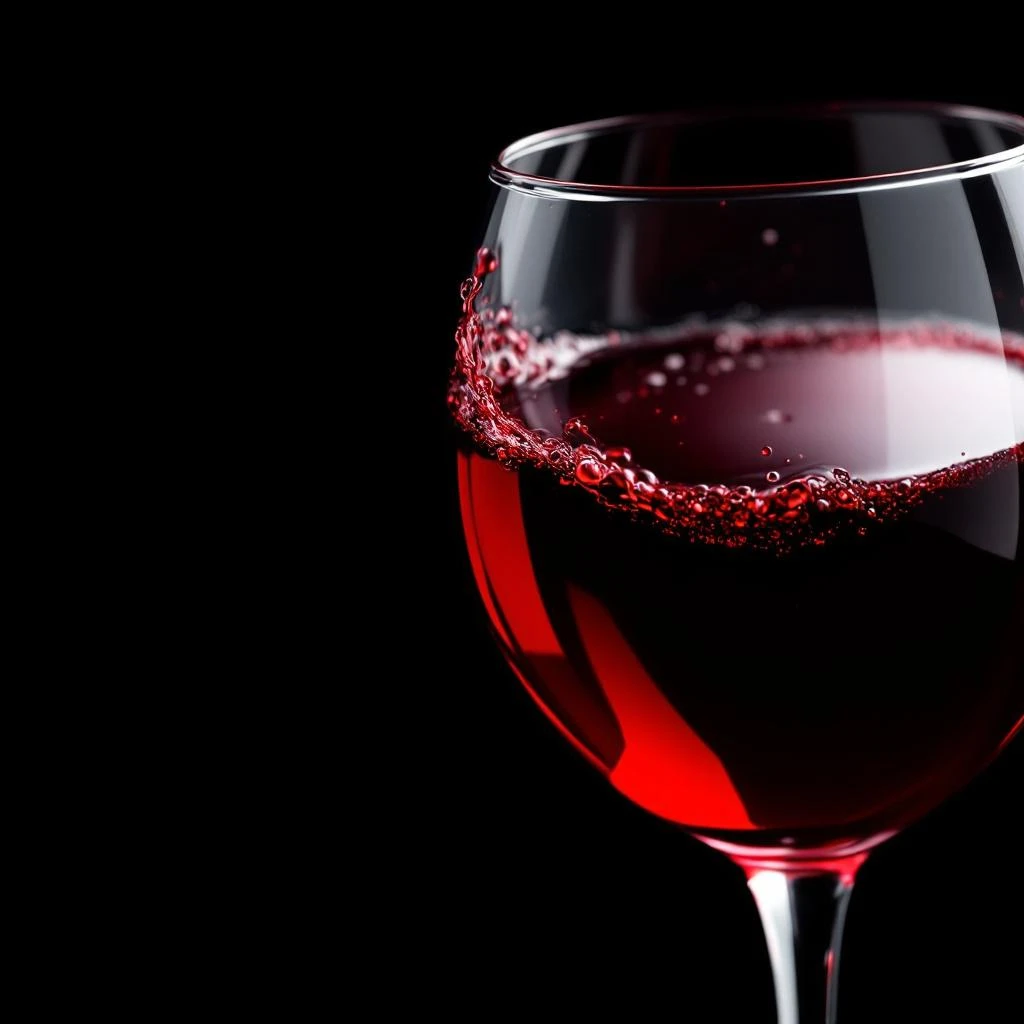
Cabernet wine notes bring rich, fermented complexity to perfumery. Deep purple fruits, subtle oak tannins, and a warm boozy undertone create opulent heart and base compositions that evoke sun-drenched vineyards and candlelit cellars.

Character
How it smells
Fermented luxury in every drop.
The same compound that gives red wine its distinctive grape character appears naturally in mulberry and blackcurrant.
Pairs beautifully with


Origin
France
Wine entered perfumery through Mediterranean trade routes during antiquity. Ancient Greeks and Romans perfumed their baths and bodies with scented oils infused using wine as a carrier.
The practice evolved through Arab perfumery during the Islamic Golden Age, when chemists first documented wine distillation techniques. French perfumers in Bordeaux formalized wine note creation during the 19th century, leveraging the region's renowned cabernet vineyards.
By the early 1900s, wine and cognac accords appeared in luxury fragrances as status symbols. The connection between French wine regions and perfumery remains strong today, with many fragrance houses sourcing materials from established cooperatives in Burgundy and Bordeaux.
Wears it best
Fragrances featuring Cabernet Wine

Brands
Brands known for Cabernet Wine
Good to know
Questions, answered
The essentials on Cabernet Wine in perfumery: how it smells, where it comes from, and how it behaves on skin.
Is Cabernet wine note natural or synthetic in perfumery?
Both natural and synthetic versions exist. Natural cabernet notes derive from wine lees hydrodistillation, while synthetic versions recreate specific esters and anthocyanins found in cabernet. Most modern fragrances use a blend for both authenticity and consistency.
What does cabernet wine smell like in a fragrance?
Cabernet wine notes smell like deep fermented grapes with dark berry undertones, subtle oak, and a warm boozy quality. The scent recalls aged red wine—rich, slightly tart, and enveloping with earthy depth.
Which fragrance families commonly use cabernet wine notes?
Cabernet wine appears most often in oriental and woody fragrances. It works exceptionally well in autumn and winter scents, adding warmth to amber bases and depth to leather or tobacco compositions.
How long has wine been used in perfumery?
Wine entered perfumery during ancient Greek and Roman times, around 500 BCE. French perfumers formalized wine-derived ingredients in the 19th century when Bordeaux vineyards supplied materials to early modern fragrance houses.
What extraction method produces wine-derived fragrance ingredients?
Hydrodistillation of wine lees creates cognac essential oil, the primary wine-derived material in perfumery. This process extracts sulfurous, fruity compounds from fermented grape sediment left after winemaking.
Does cabernet wine note differ from other wine notes in perfumery?
Yes, cabernet specifically references the Bordeaux grape variety with its characteristic dark fruit, firm tannins, and oak influence. Other wine notes like champagne or burgundy bring different profiles—lighter, brighter, or earthier respectively.
What compounds create the wine smell in fragrance?
Volatile esters like ethyl acetate and isoamyl acetate, along with anthocyanins and tannins, create wine's distinctive character. These same compounds occur naturally in various fruits, allowing perfumers to replicate wine through natural and synthetic means.
Which countries produce wine notes for perfumery?
France leads production, particularly regions like Bordeaux and Cognac where winemaking infrastructure provides wine lees. Italy, Spain, and California also contribute grape-derived materials to the fragrance industry.