Butternut Pumpkin
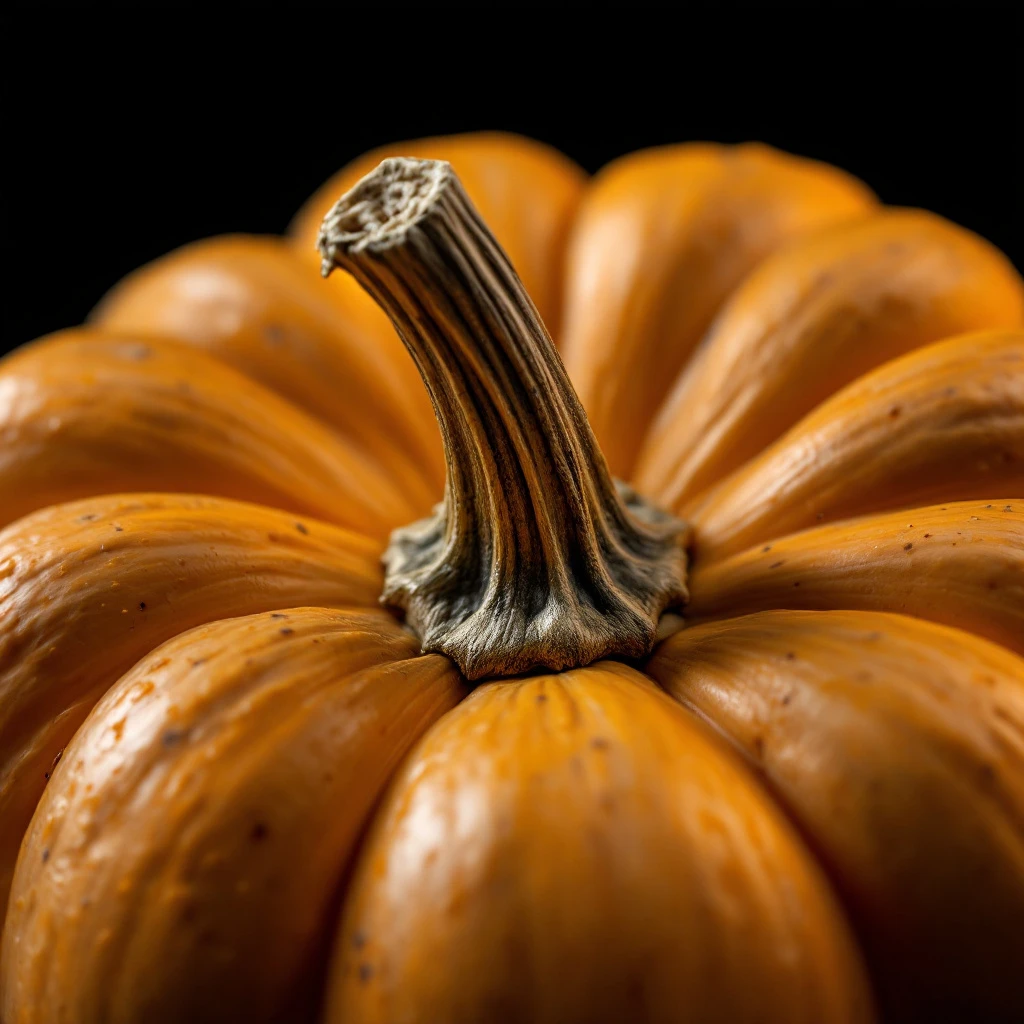
Butternut pumpkin offers a creamy, nutty sweetness with toasted undertones that anchor gourmand and autumnal compositions. Its warm, edible quality bridges savory and sweet accords.
Character
How it smells
Toasted sweetness with an earthy, buttery backbone
Cucurbita moschata varieties like butternut have been cultivated for over 4,000 years, predating the modern fragrance use that arose in the 1990s gourmand trend.
Pairs beautifully with

Origin
Mexico
Cucurbita moschata, the species that includes butternut squash, originated in Mesoamerica and was domesticated by Indigenous peoples at least 4,000 years ago. Archaeological evidence from Mexican cave sites confirms its cultivation alongside maize and beans in early agricultural systems. Pumpkins arrived in Europe after the Columbian Exchange in the late 1400s, and by the 17th century they were standard crops across France, England, and the American colonies.
The fragrance industry paid little attention to pumpkin until the early 1990s, when the gourmand movement introduced edible notes into fine perfumery. Since then, pumpkin has become a seasonal signature in candles, body products, and limited-edition eau de parfums, especially in North American autumn collections.
Wears it best
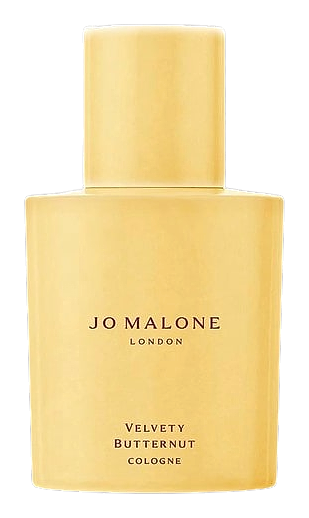
Fragrances featuring Butternut Pumpkin
Brands
Brands known for Butternut Pumpkin
Good to know
Questions, answered
The essentials on Butternut Pumpkin in perfumery: how it smells, where it comes from, and how it behaves on skin.
Is butternut pumpkin fragrance natural or synthetic?
Most butternut pumpkin notes are synthetic reconstructions. Raw pumpkin contains over 86% water and yields too little aromatic oil to make natural extraction commercially viable for perfumery.
What does butternut pumpkin smell like in perfume?
It smells creamy, nutty, and lightly spiced with toasted, caramelized depth. The note often carries hints of brown sugar, roasted seeds, and warm vanilla undertones.
When did pumpkin first appear in fragrance?
Pumpkin notes entered mainstream perfumery in the early 1990s as part of the gourmand movement, which introduced edible, food-inspired accords into fine fragrance compositions.
Are butternut pumpkin and regular pumpkin the same species?
Butternut pumpkin belongs to Cucurbita moschata, the same species as calabaza and certain cheese pumpkins. Common orange jack-o-lantern pumpkins are typically Cucurbita pepo.
What fragrance families use butternut pumpkin?
It appears in gourmand, oriental, and spicy fragrance families. It works as a base or heart note alongside cinnamon, clove, vanilla, and nutty accords.
Is butternut pumpkin extract safe for skin?
Synthetic pumpkin accords and seed CO2 extracts used in fragrance are generally recognized as safe at standard usage levels. IFRA guidelines regulate concentration limits in leave-on products.
Why is pumpkin so popular in autumn fragrances?
Pumpkin evokes harvest season, baking, and warm spices in Western culture, making it a natural anchor for limited-edition fall and holiday fragrance launches.
Can butternut pumpkin essential oil be purchased?
True pumpkin essential oil is extremely rare and costly. Most commercial 'pumpkin oil' sold for aromatherapy is actually cold-pressed from roasted seeds and has a mild, nutty aroma.





