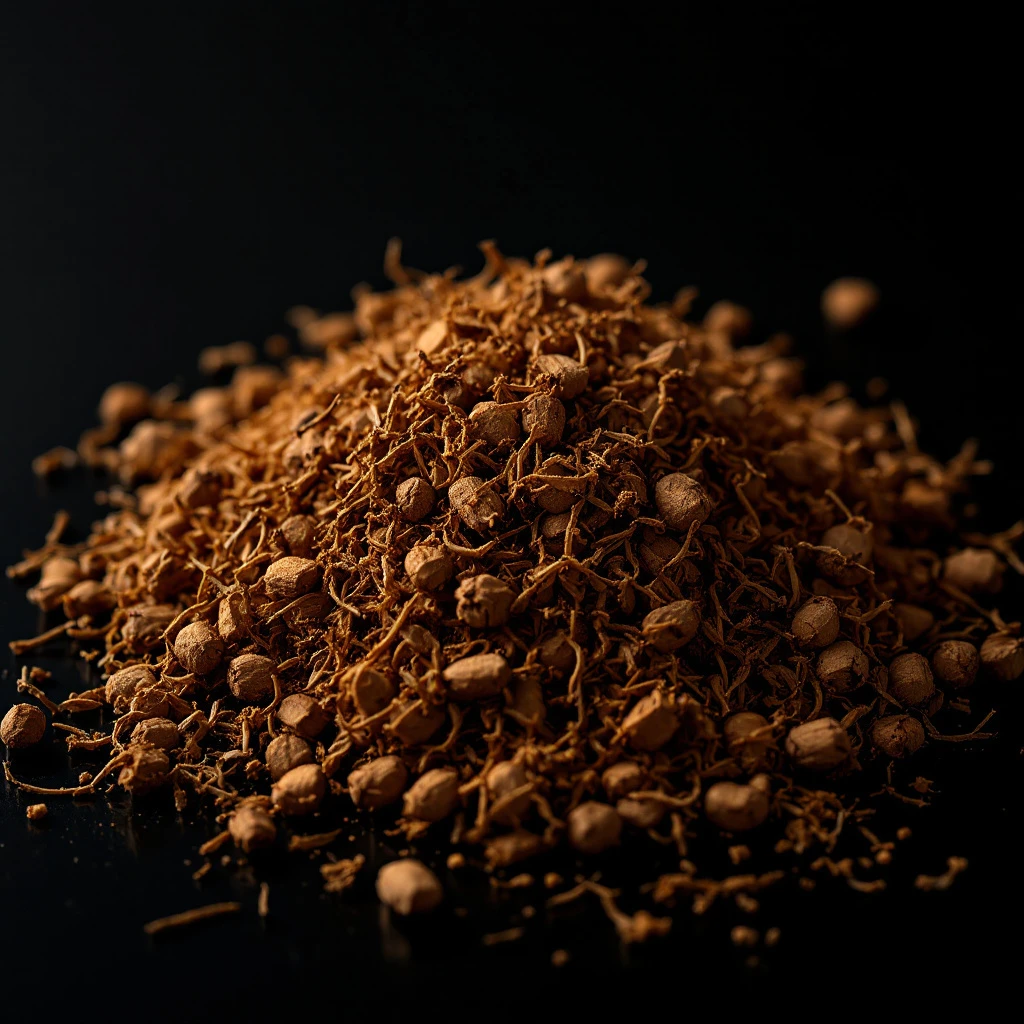
Burnt Tobacco
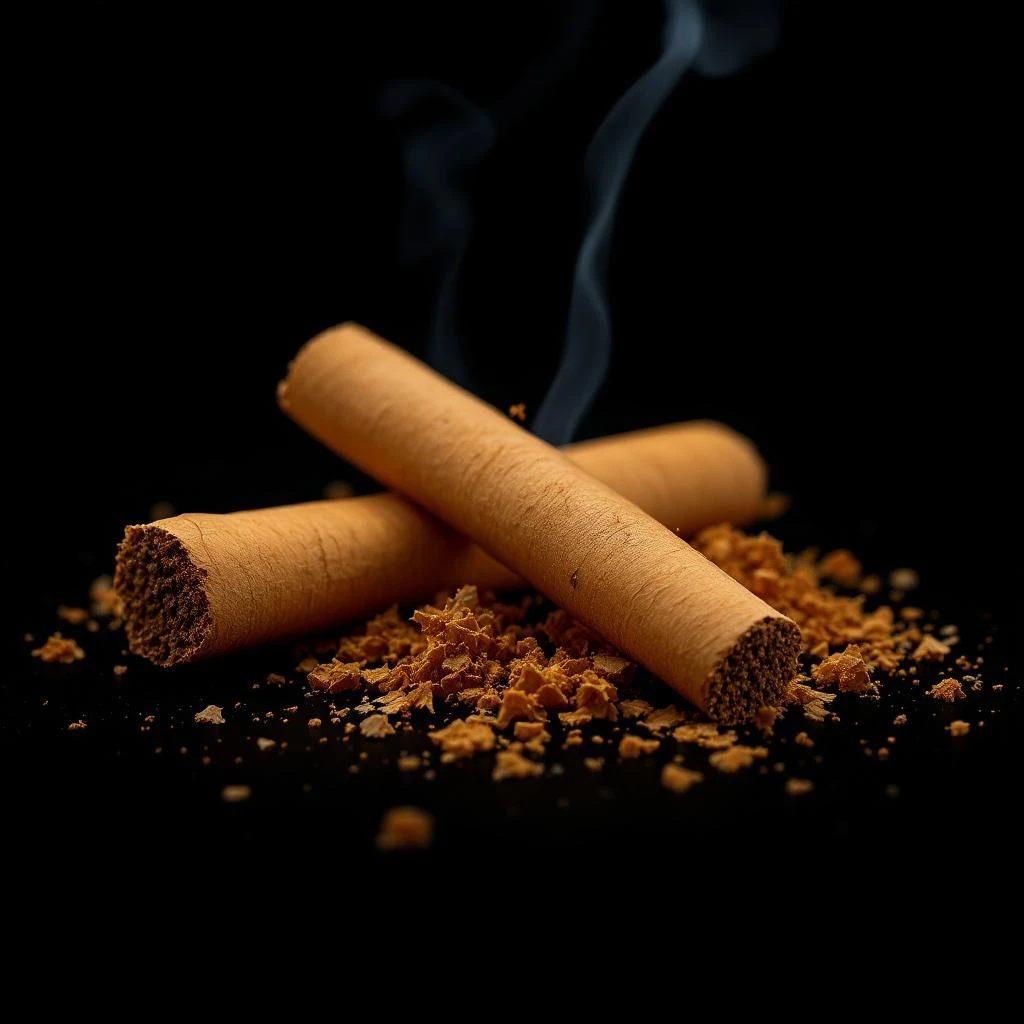
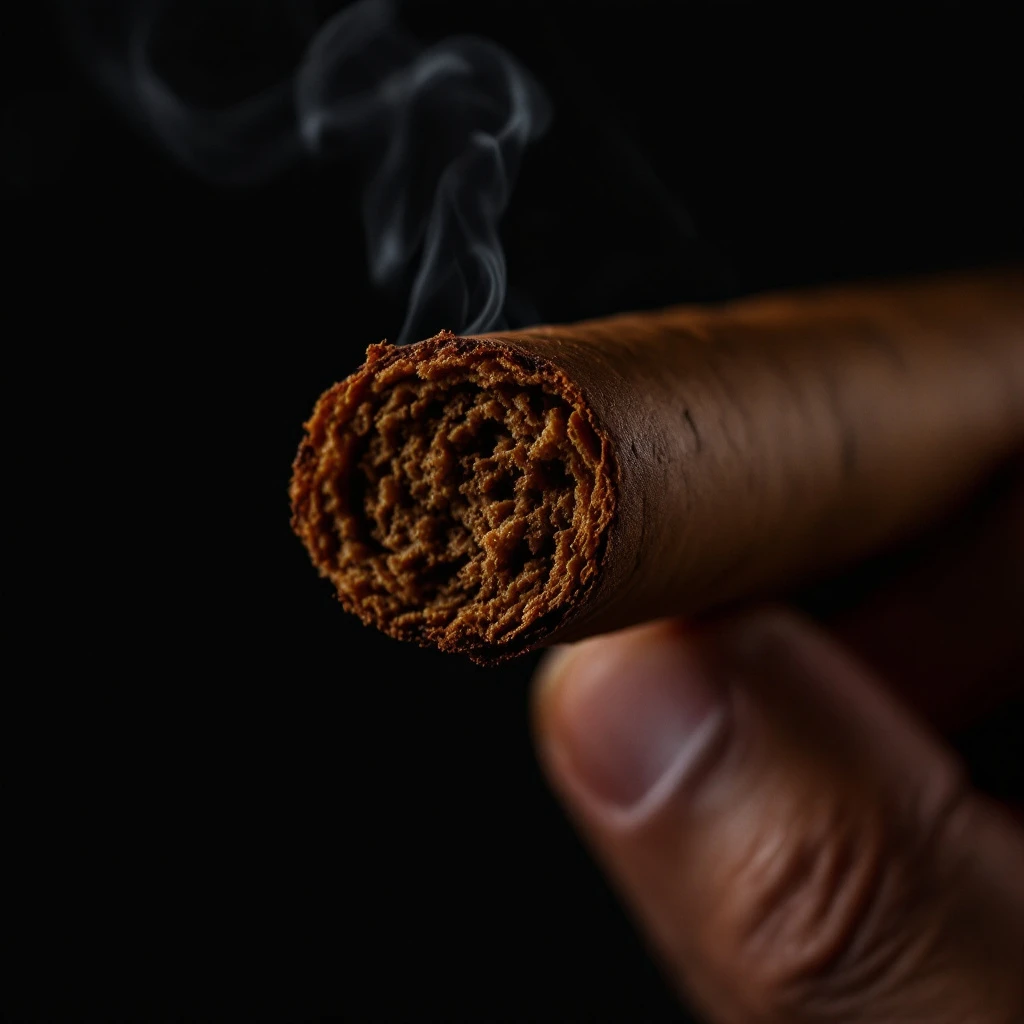
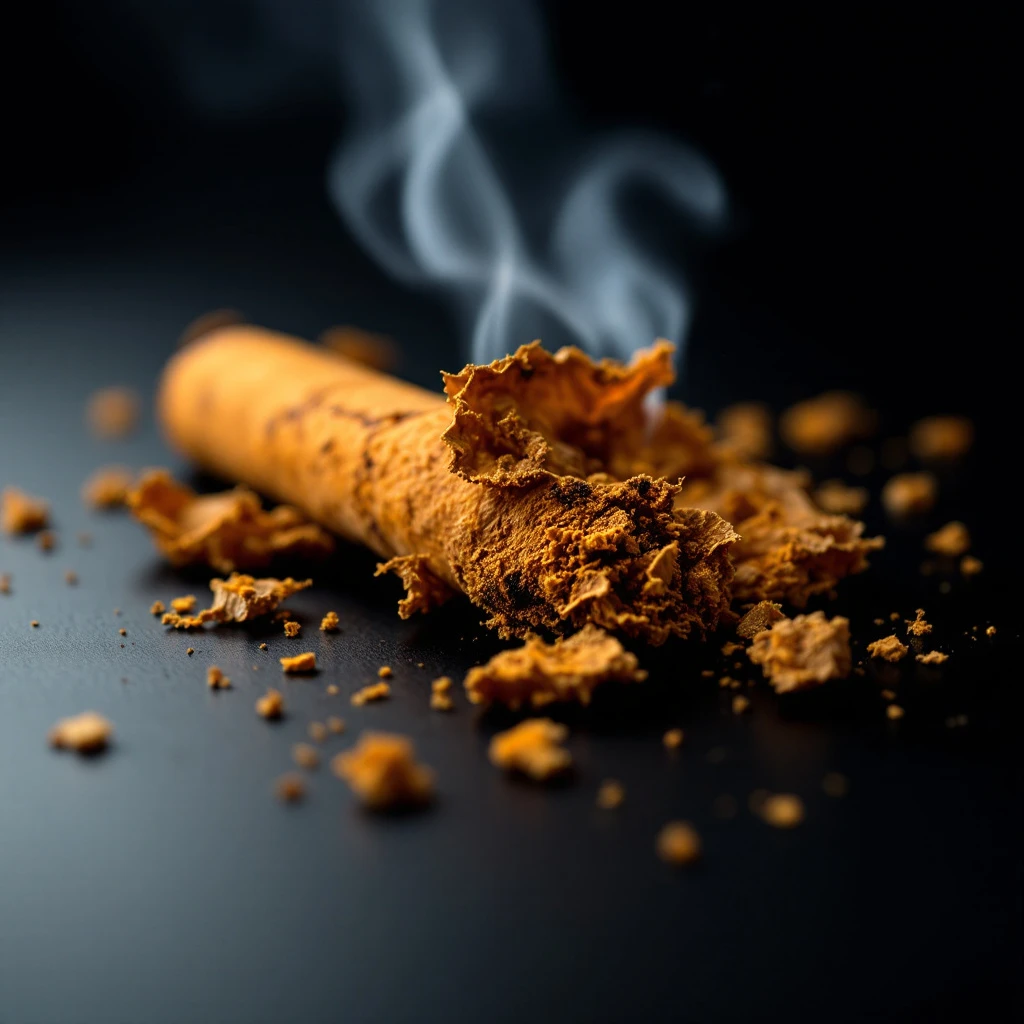
The warm, dense smoke of a glowing cigar. Burnt tobacco captures that moment when embers cool slightly, releasing rich, slightly sweet, undeniably bold warmth into the air.
Character
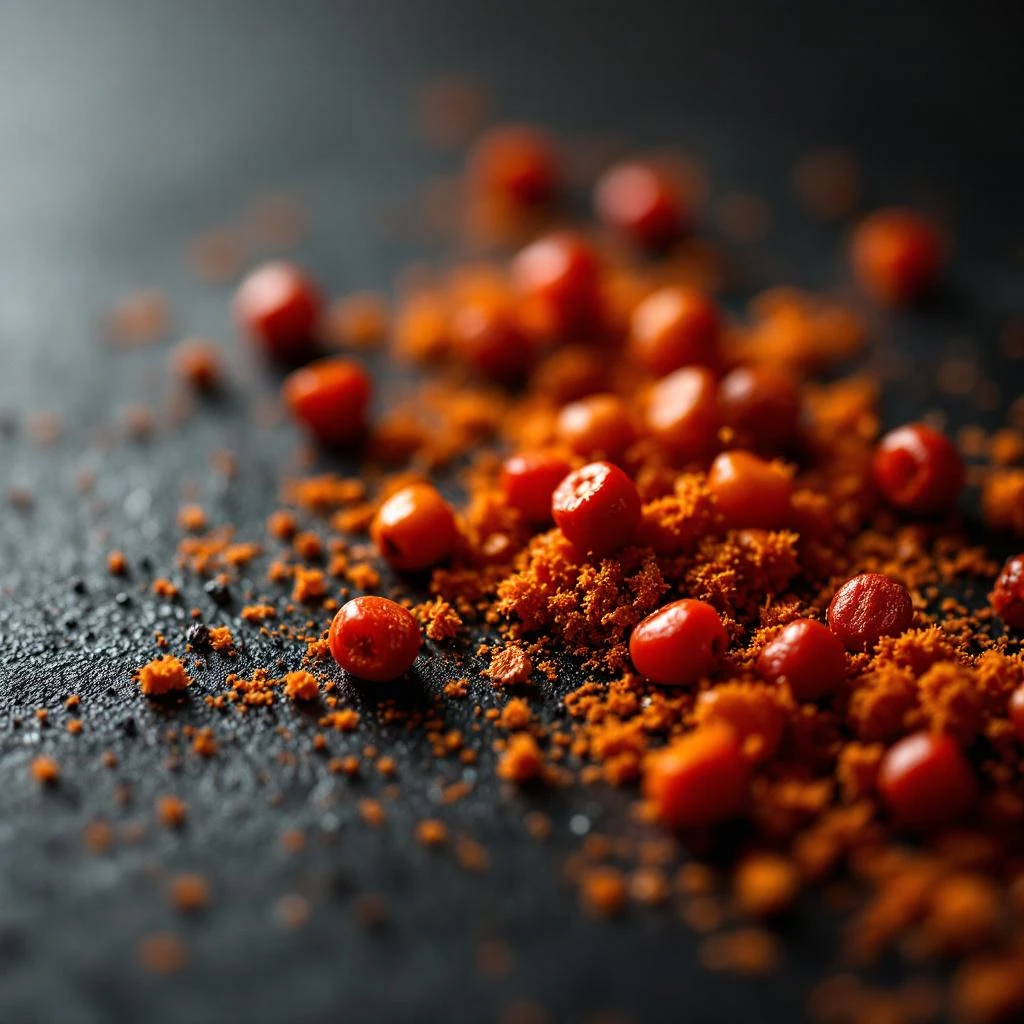
How it smells
The moment embers cool into memory.
Tobacco cultivation dates back 8,000 years, predating synthetic perfumery by millennia.
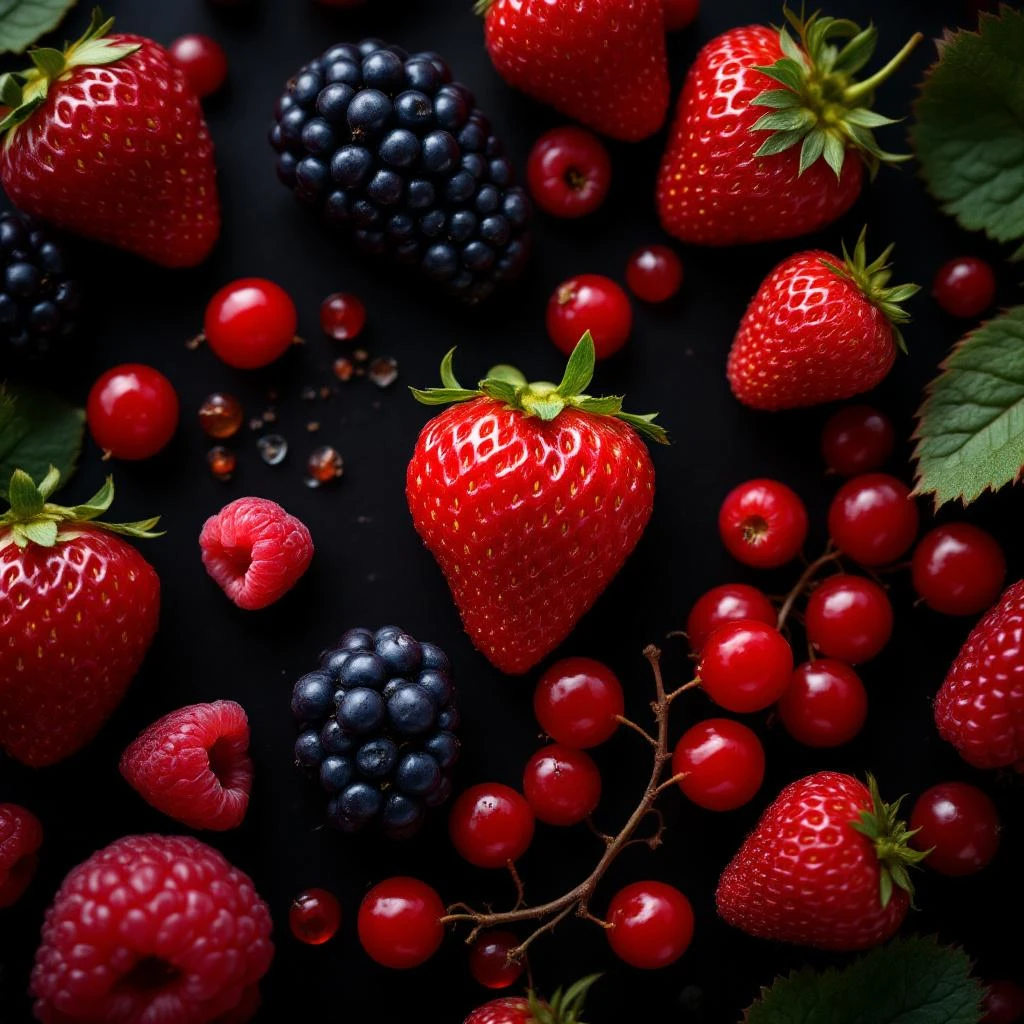
Pairs beautifully with


Origin
Bulgaria
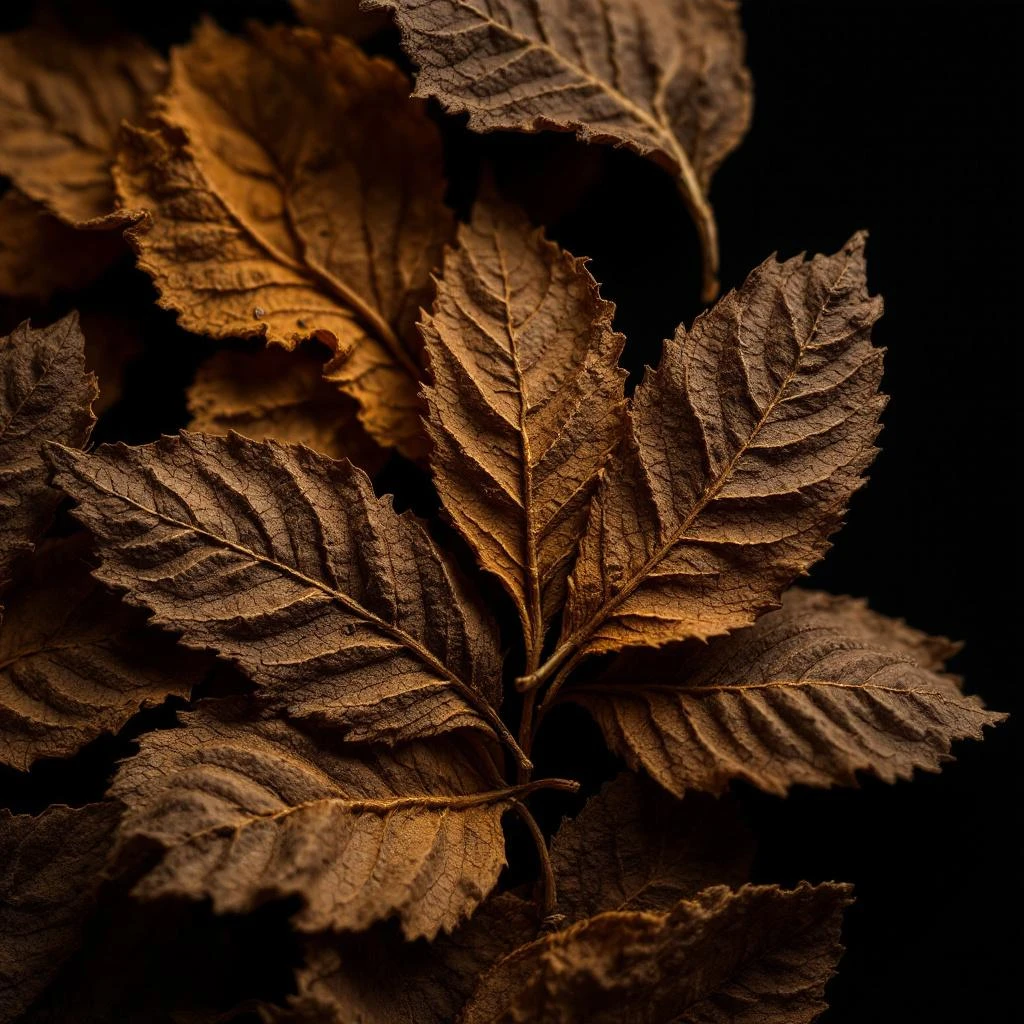
Nicotiana tabacum carries deep roots in the Americas. Indigenous peoples in what is now Mexico and the Caribbean began cultivating tobacco around 6000 BCE, using it in sacred ceremonies and as medicine. When Columbus arrived in Cuba in 1492, he witnessed indigenous populations burning and inhaling tobacco leaves.
The practice spread rapidly through Europe within decades. The word perfume itself traces back to this practice: it derives from the Latin per fumum, meaning through smoke. For thousands of years, people wore fragrance by burning it.
Incense, resins, and aromatic woods released smoke that clung to fabric and skin for days. Tobacco connects modern perfumery directly to this ancient tradition of wearing smoke.
Wears it best
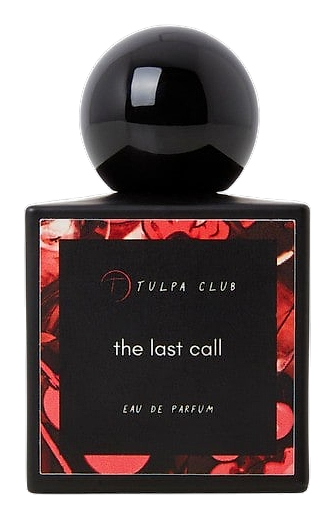
Fragrances featuring Burnt Tobacco
Brands
Brands known for Burnt Tobacco
Good to know
Questions, answered
The essentials on Burnt Tobacco in perfumery: how it smells, where it comes from, and how it behaves on skin.
What does burnt tobacco smell like?
Burnt tobacco smells warm, dense, and smoky with dry, slightly sweet undertones of dried fruit and honey. It evokes the moment embers cool after burning, offering a bold yet comforting character distinct from sharp or acrid smoke.
Is burnt tobacco a natural or synthetic ingredient?
It can be both. Natural tobacco absolute comes from solvent extraction of cured leaves, primarily from Bulgaria. Perfumers also create burnt tobacco accords using synthetic molecules like 2,5-dimethylpyrazine to achieve a precise smoky effect.
What type of fragrances use burnt tobacco?
Burnt tobacco appears most often in masculine and gender-neutral perfumes, particularly orientals and leathers. It works in both men's and women's fragrances when balanced with florals or spices for contrast.
How is tobacco absolute different from tobacco essential oil?
Tobacco absolute is produced through solvent extraction and yields a dark, viscous material with a rich, complex scent. True essential oil from tobacco is rare due to heat sensitivity. Most perfumers use the absolute for its potency and fuller aromatic profile.
What blending partners work well with burnt tobacco?
Burnt tobacco pairs excellently with vanilla, tonka bean, benzoin, and labdanum for warmth. It also combines with ISO E Super, cedarwood, and incense materials to amplify its smoky depth and add woody contrast.
Does burnt tobacco smell like smoking a cigarette?
No. Burnt tobacco in perfumery evokes the smell of premium cigars or pipe tobacco, not commercial cigarettes. It carries honeyed, leathery, dried-fruit warmth rather than the sharp, papery character of cigarette smoke.
What perfume families commonly feature burnt tobacco?
Burnt tobacco shows up in Oriental, Leather, and Woody families most frequently. It also appears in Chypre compositions and Amber fragrances where warmth and smoke provide depth and sensuality.
When did tobacco become popular in perfumery?
Tobacco entered perfumery during the 19th century alongside the rise of synthetics. By the early 2000s, it became a signature note in masculine fragrance, driving the popularity of tobacco-forward scents like Tobacco Vanille by Tom Ford.