Burnt Sage
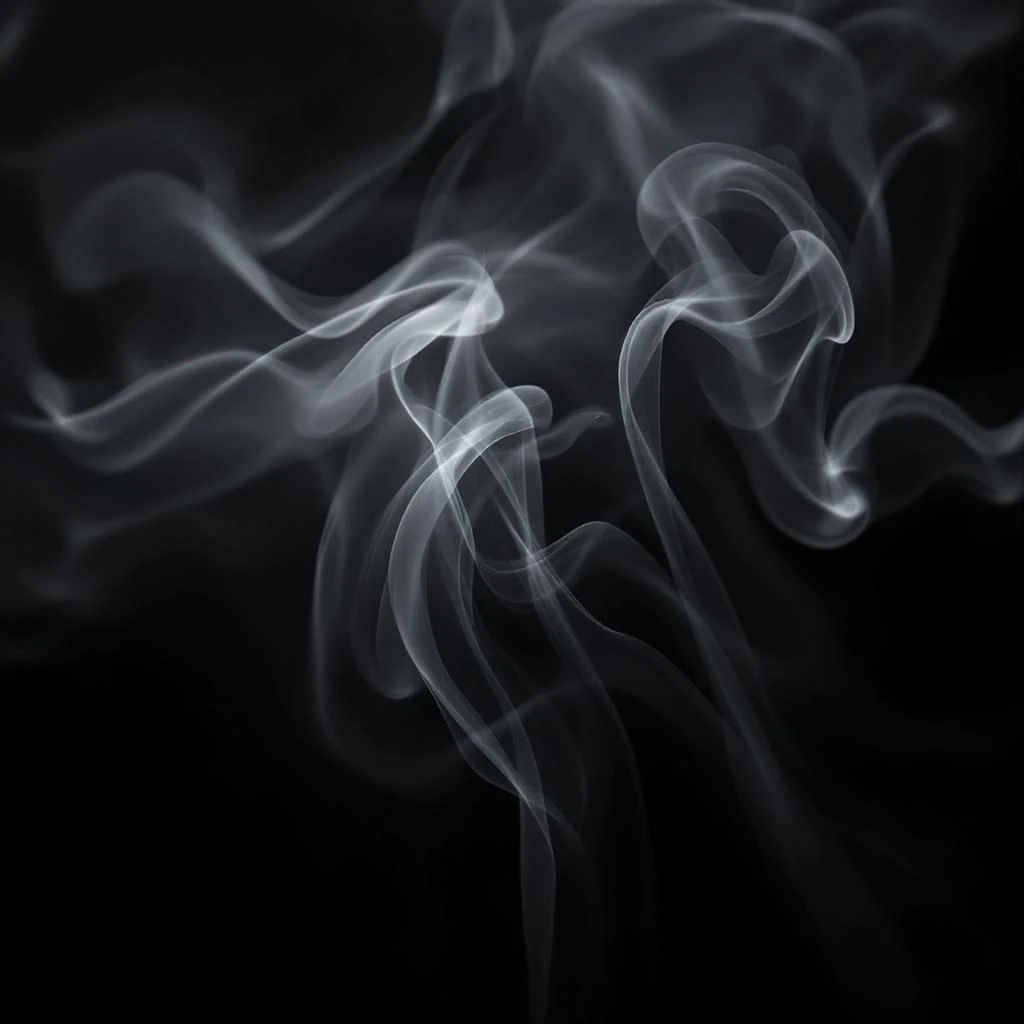
Aromatic smoke meets herbal warmth. Burnt sage brings a primal, cleansing quality to fragrance, evoking sacred rituals and sun-scorched Mediterranean hillsides in a single breath.
Character
How it smells
Smoky herbalism captured in a bottle.
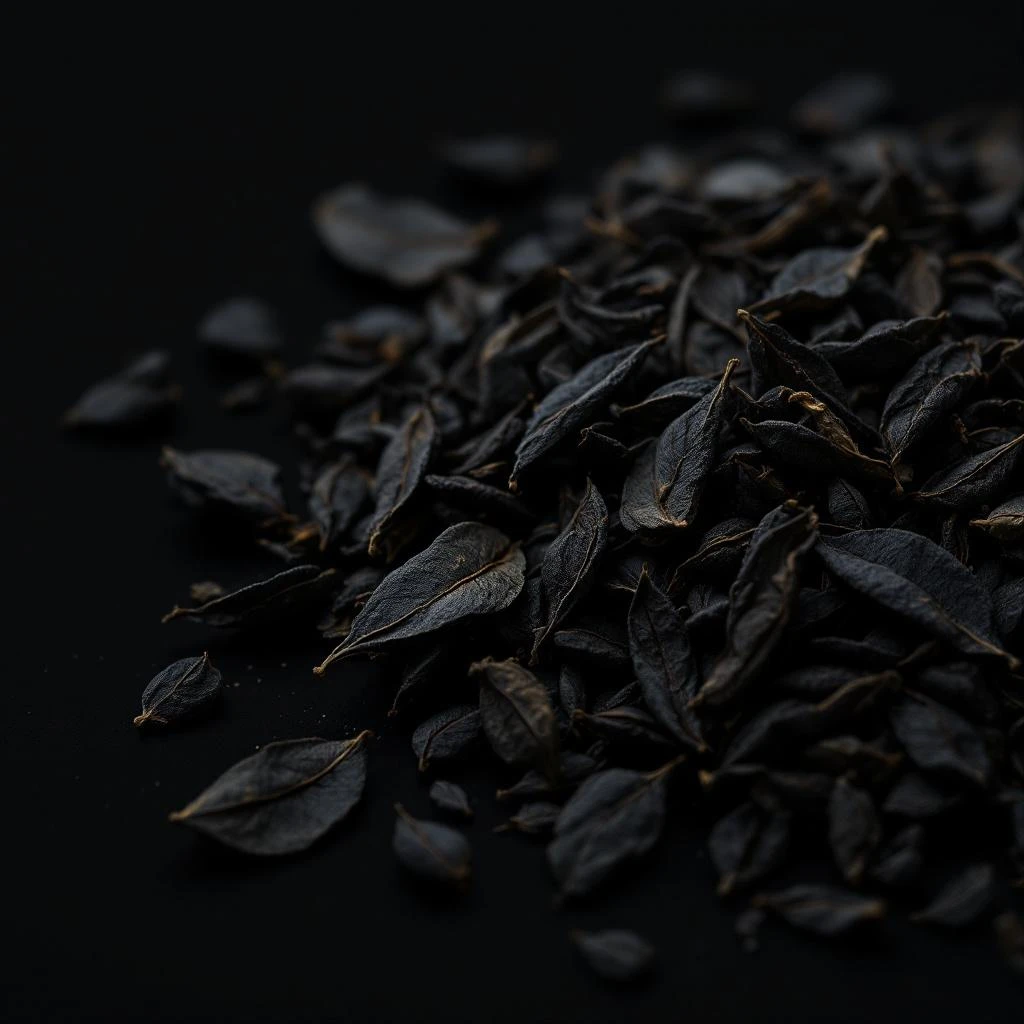
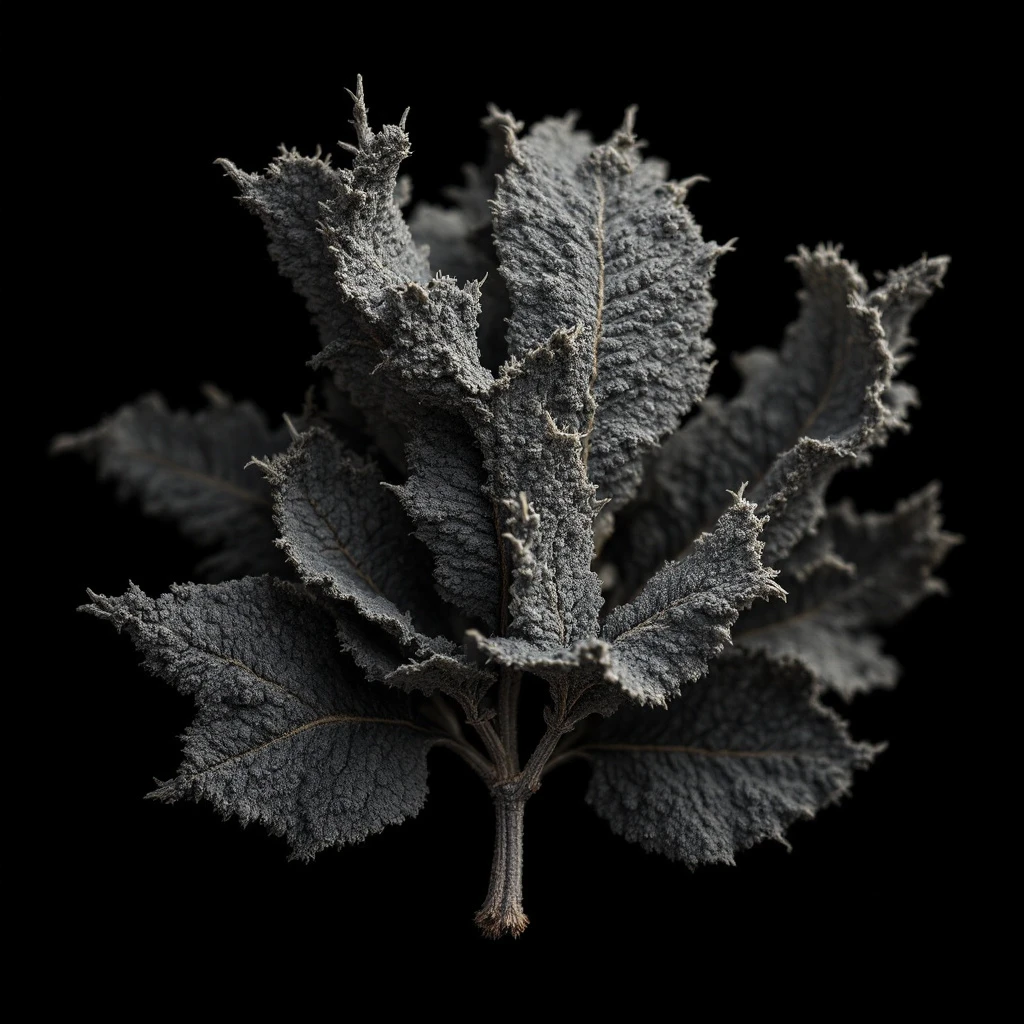
Some perfumers achieve the burnt sage note by actually singeing dried sage leaves, capturing fleeting smoke in the bottle.
Pairs beautifully with

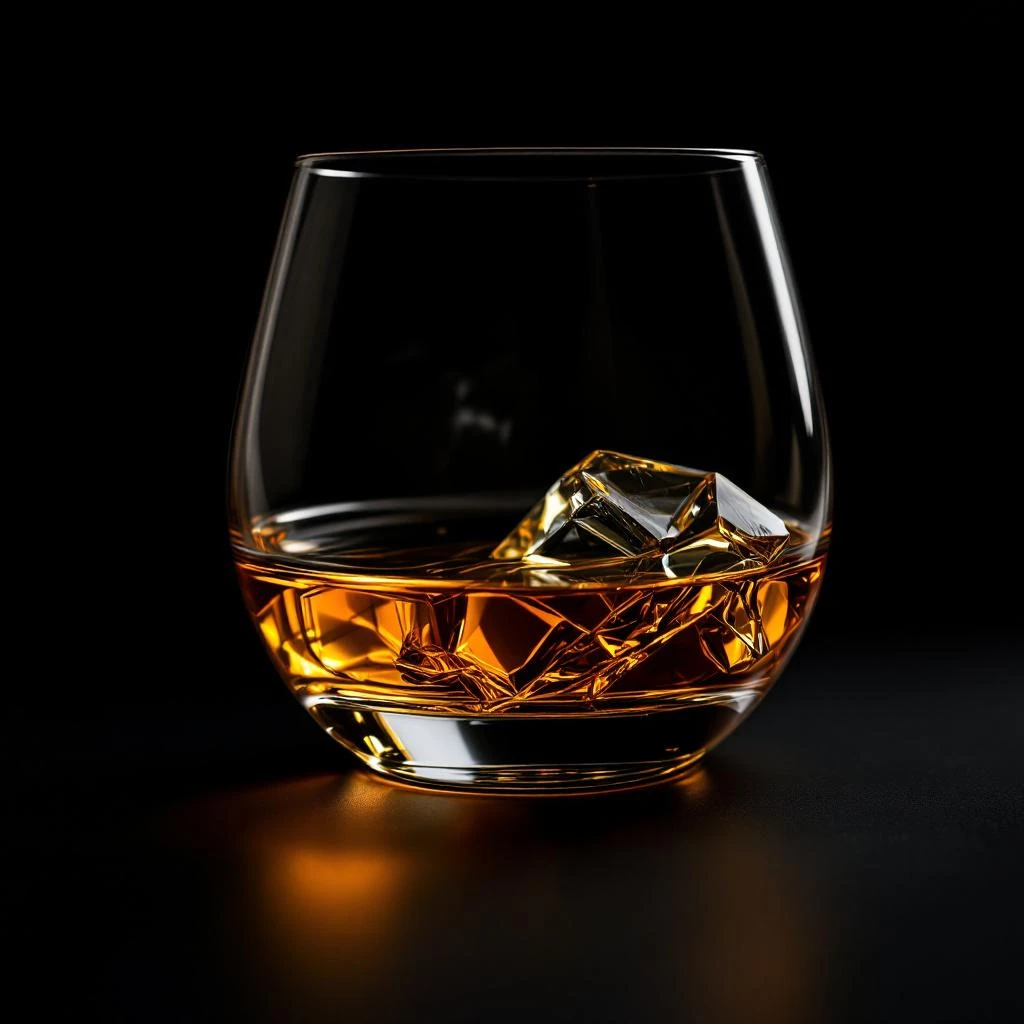
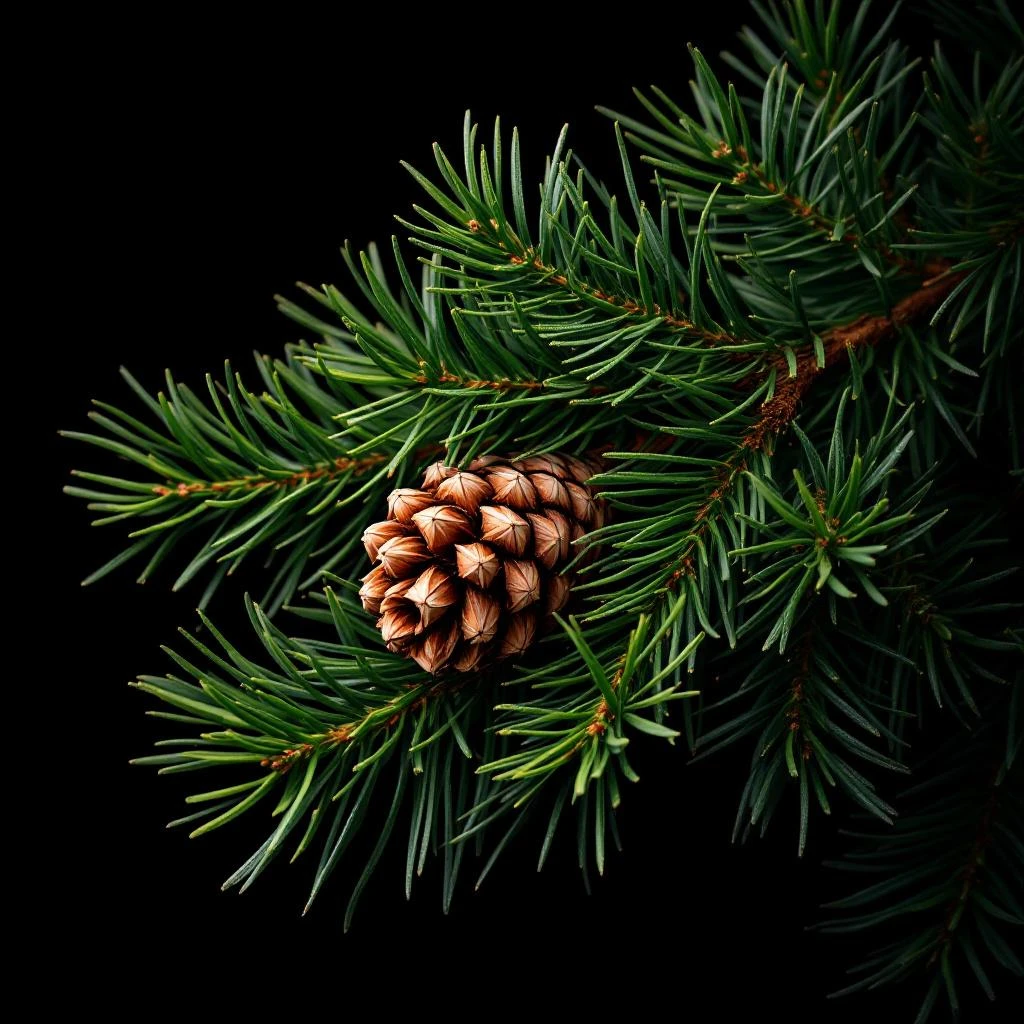
Origin
Mediterranean Basin
Sage has held sacred status across civilizations for millennia. Ancient Romans considered it a holy herb, routing the word salvia from the Latin salvus meaning saved or healing.
Mediterranean cultures burned sage during ceremonies, believing its smoke carried prayers skyward and purified spaces of negative influence. When perfumers began exploring aromatic materials in the late 19th century, they encountered sage through the lens of European perfumery traditions, adapting the ceremonial burning practice into a technique for creating distinctive fragrance materials.
The smoky, resinous character of heated sage proved irresistible to perfumers seeking depth and primal resonance. Today burnt sage appears across fine fragrances as both literal botanical material and interpretive note, carrying centuries of ritual significance into modern compositions.
Wears it best
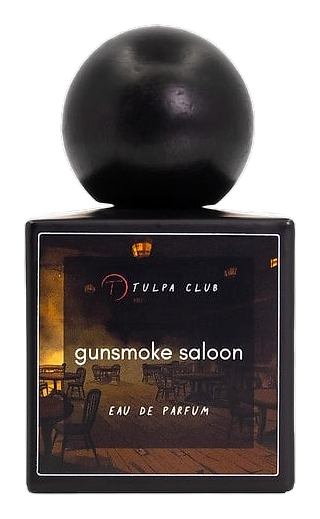
Fragrances featuring Burnt Sage
Brands
Brands known for Burnt Sage
Good to know
Questions, answered
The essentials on Burnt Sage in perfumery: how it smells, where it comes from, and how it behaves on skin.
What does burnt sage smell like in perfume?
Burnt sage combines smoky warmth with herbal bitterness. It reads as simultaneously cleansing and earthy, like incense in a sunlit room. The note brings a dry, slightly medicinal quality that grounds lighter florals and amplifies woody bases.
Is burnt sage a natural or synthetic ingredient?
It exists in both forms. Natural burnt sage comes from carefully heated dried sage leaves, while synthetic alternatives replicate the smoky, aromatic profile using lab-created molecules. Both approaches appear across fine fragrances.
What fragrances traditionally feature burnt sage?
Burnt sage appears in orientals, woody chypres, and contemporary gender-neutral compositions. It works particularly well alongside leather, amber, and other smoke notes, adding herbal complexity that prevents compositions from feeling flat.
How does burnt sage differ from white sage?
White sage (Salvia apiana) carries a lighter, more citrusy aroma with strong cleansing associations in indigenous traditions. Burnt sage typically refers to common sage (Salvia officinalis) that has been heat-treated, producing deeper, smokier characteristics.
Can burnt sage be used as a standalone fragrance?
Absolutely. Sage-based aromatics and smudge-style sprays have grown popular as room and body fragrances. The note holds its own without needing support, though it gains dimension when paired with complementary materials.
What harvest conditions affect burnt sage quality?
Mediterranean sage develops higher essential oil content in dry, calcareous soils with strong sun exposure. These stress factors concentrate the salvione and thujone compounds that become the smoky, aromatic backbone when the leaves are heated.
Does burnt sage contain any allergens?
Sage oil contains thujone, a compound restricted in IFRA regulations for its potential sensitization risk. Perfumers work within strict usage guidelines to ensure consumer safety while maintaining the note's characteristic profile.
How long has burnt sage been used in perfumery?
European perfumers began experimenting with heated and smoked botanicals in the early 20th century, though sage's aromatic use dates back millennia in ceremonial contexts. The smoke notes gained prominence in perfumery during the late 1800s alongside other aromatic materials.