Burning Wood
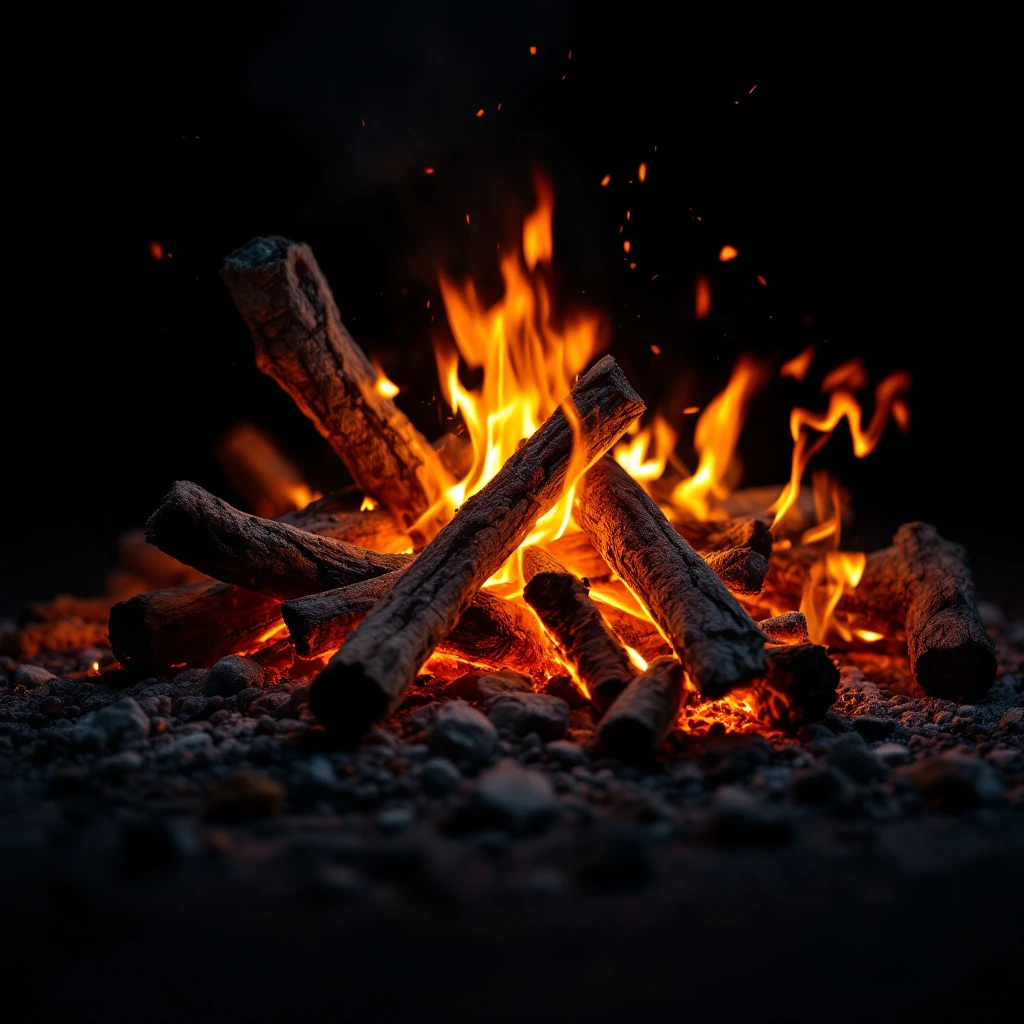
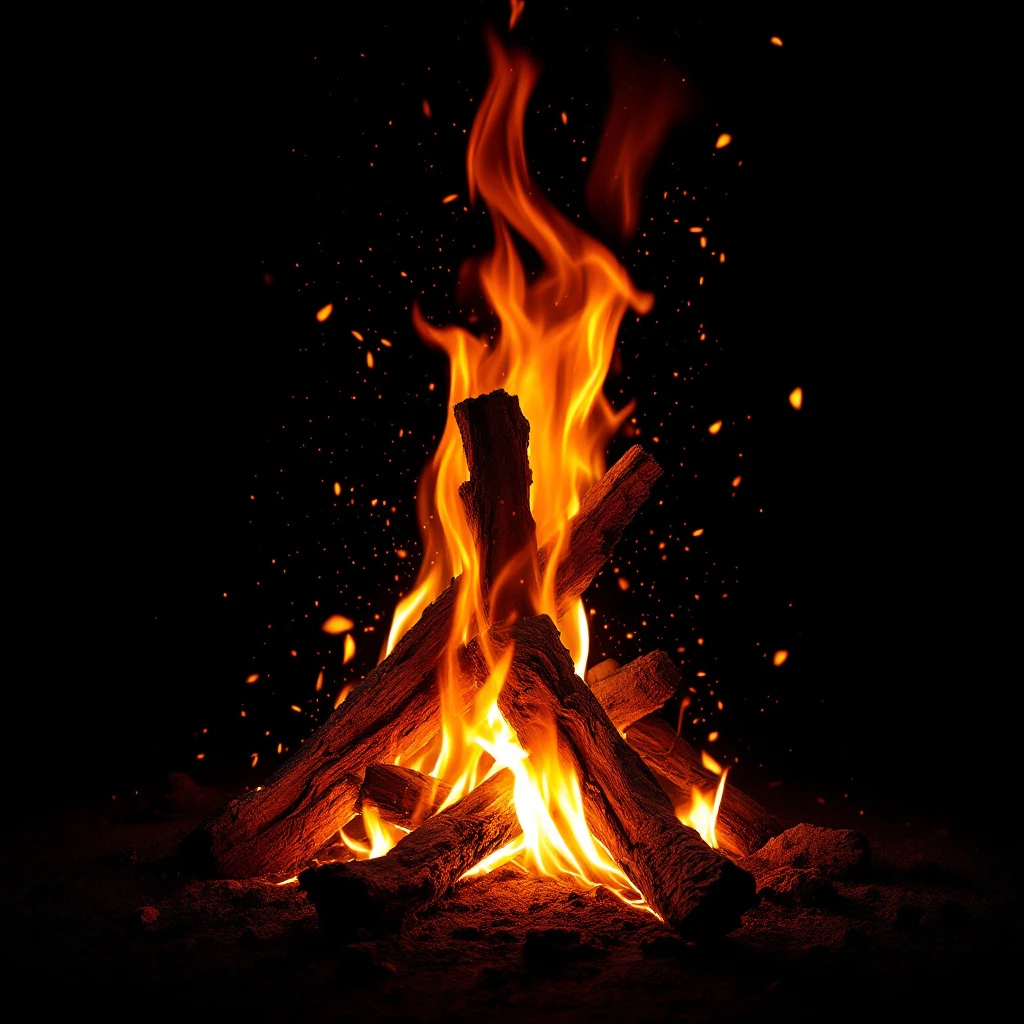
The primal scent of wood meeting flame—smoky, warm, and ancient. This note captures the moment fire transforms raw timber into something sacred, releasing aromatic compounds that have perfumed human rituals for millennia.
Character
How it smells
Fire's gift to the nose
The word 'perfume' comes from the Latin 'per fumum,' meaning 'through smoke'—a direct nod to burning woods and resins that started it all.
Pairs beautifully with



Origin
Mesopotamia (Modern Iraq)
When Mesopotamians first burned aromatic woods around 4000 BCE, they unknowingly launched the fragrance industry. The etymology proves it: 'perfume' translates directly to 'through smoke,' referencing those earliest rituals where cedar, sandalwood, and resins filled sacred spaces. Egyptian priests continued this practice, using burning woods in temple ceremonies that could last hours.
The Greeks and Romans adopted these traditions, spreading them across their empires. Even after liquid perfumes emerged in the 19th century, perfumers retained burning wood notes—they evoke something primal, connecting modern wearers to humanity's oldest aromatic tradition.
Wears it best
Fragrances featuring Burning Wood
Brands
Brands known for Burning Wood
Good to know
Questions, answered
The essentials on Burning Wood in perfumery: how it smells, where it comes from, and how it behaves on skin.
What does burning wood smell like in perfumery?
Burning wood delivers smoky warmth with hints of charred cedar, toast, and,有时候还有烟熏树脂。实验室分析显示,这些化合物来自木材热解过程中产生的愈创木酚和苯酚。
Is burning wood a natural or synthetic note?
Both exist in modern perfumery. Natural sources include charred oak, guaiacwood, and oud chips. Synthetic versions combine guaiacol with vanillin derivatives to reproduce the effect reliably.
Which fragrances feature burning wood notes prominently?
Woody and oriental fragrances most commonly showcase burning wood. These include smoky leathers, whiskey-inspired scents, and incense-forward compositions.
Does burning wood fade quickly in a fragrance?
Burning wood typically lasts 2-4 hours as a heart note. Its volatility means it bridges top and base notes rather than anchoring the drydown.
How does burning wood differ from incense?
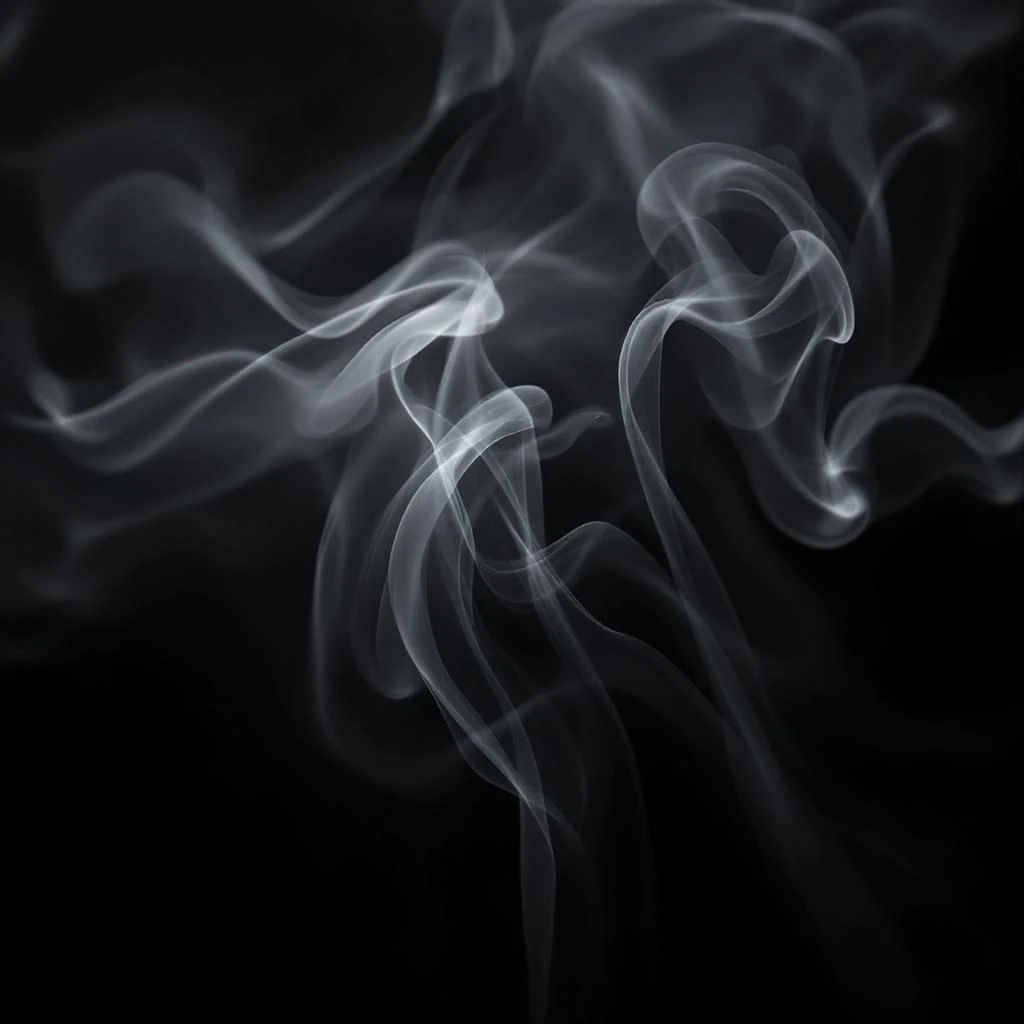
Incense emphasizes resins and aromatic gums that burn slowly. Burning wood focuses on the specific scent of wood itself meeting flame, creating a smokier, more carbonaceous quality.
Can burning wood be combined with sweet notes?
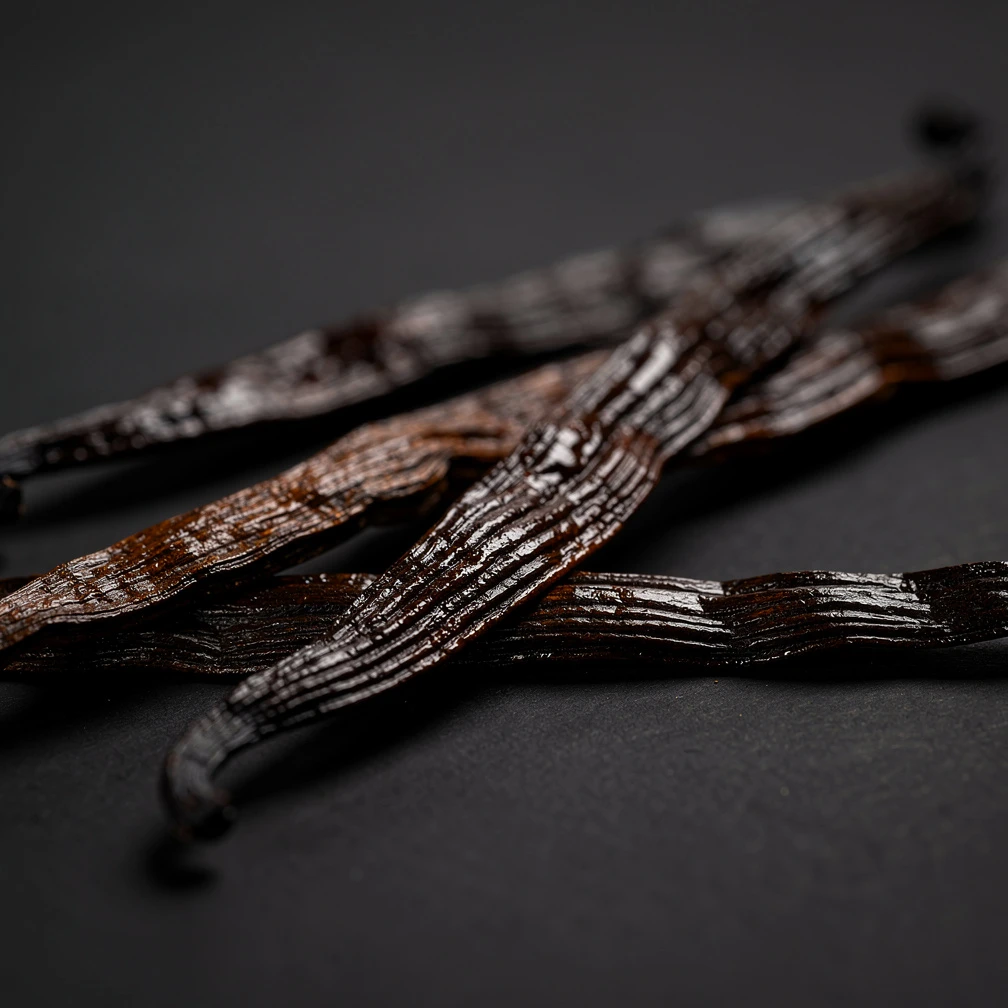
Yes. This contrast—smoke against sweetness—defines many modern compositions. Tobacco, honey, and vanilla create compelling tension with burning wood.
Is burning wood suitable for summer fragrances?
Burning wood suits cooler seasons best. The warmth and smoke read as heavy in heat. Perfumers typically feature it in autumn and winter releases.
What wood types produce the best burning wood notes?
Cedar, oak, and birch yield most burning wood notes. Each adds distinct character: cedar brings turpenes, oak adds vanillin, and birch contributes wintergreen undertones.