Buckwheat Tea
A warm, toasted aroma extracted from roasted buckwheat seeds, bringing nutty, slightly bitter, and deeply comforting facets to fragrance compositions.
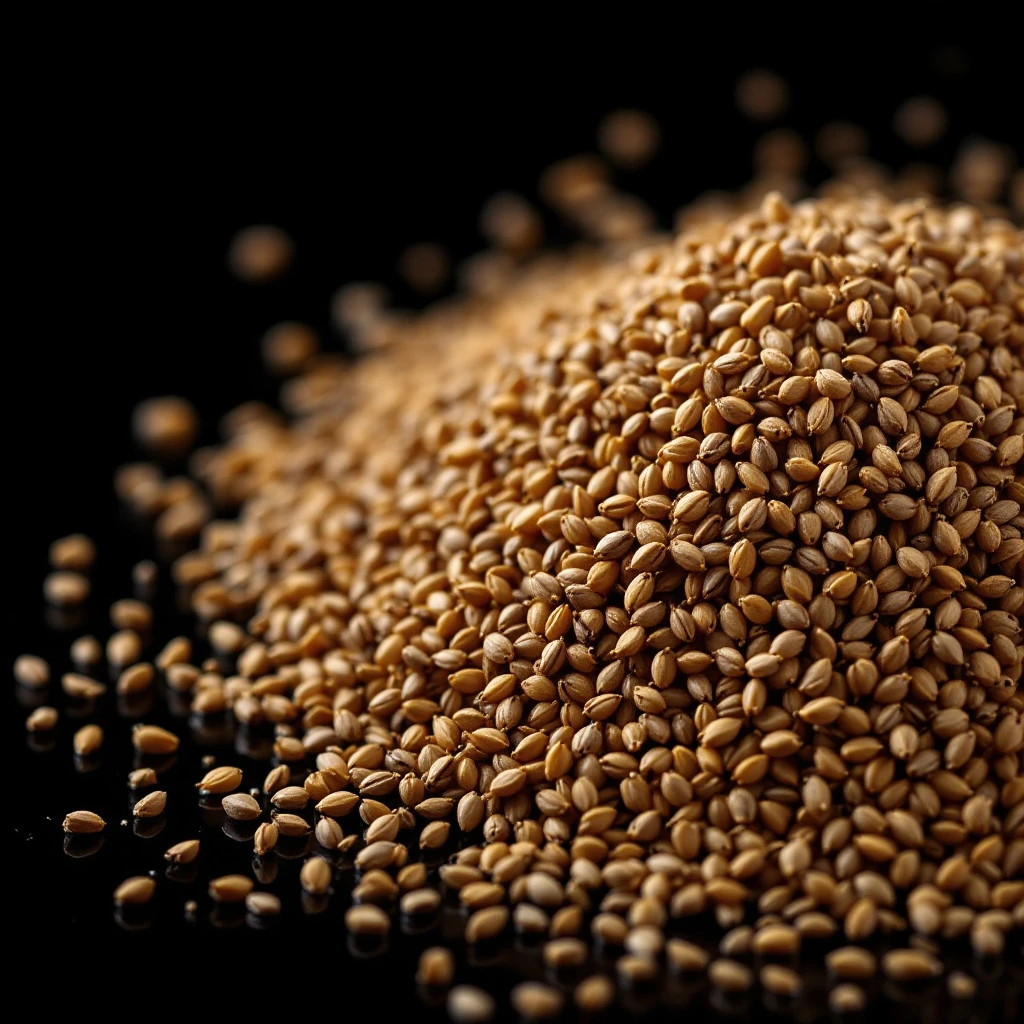
Character
How it smells
Toasted buckwheat warmth in a bottle.
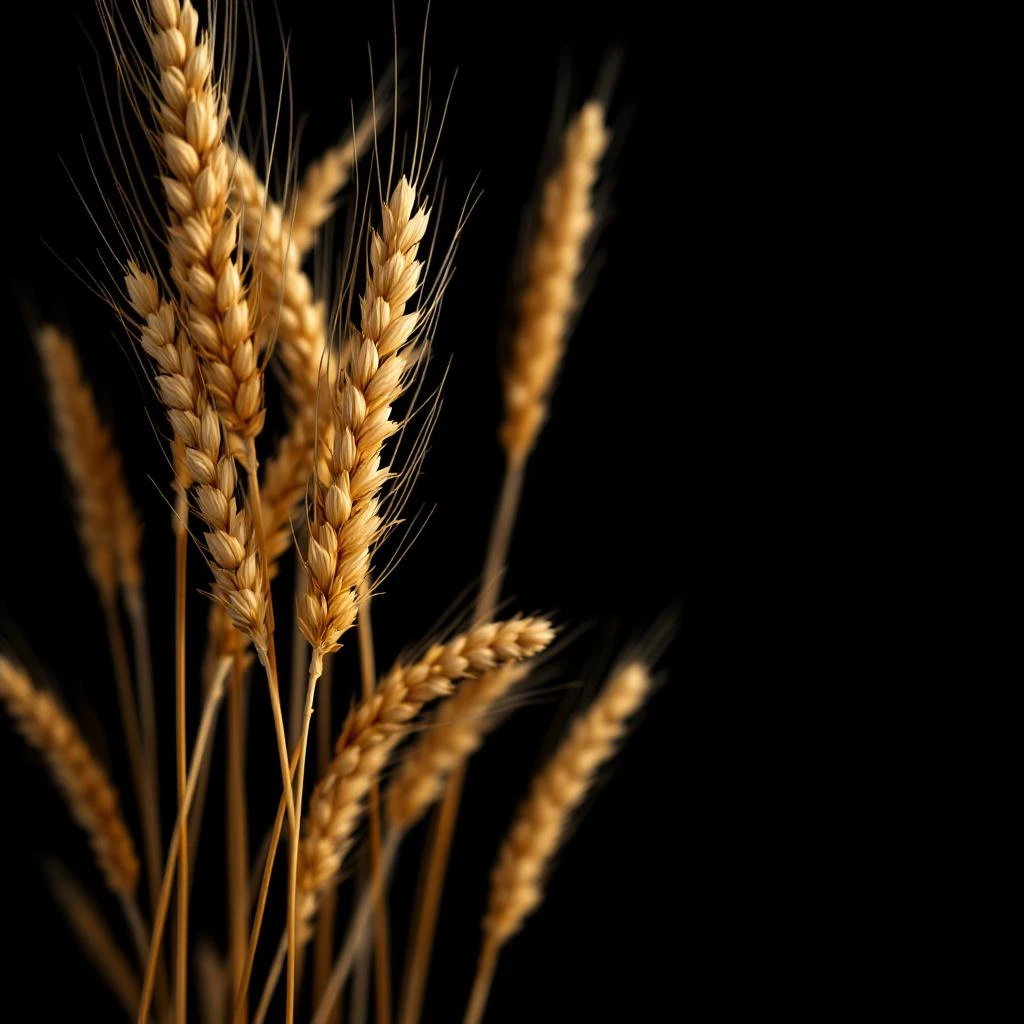
Despite its name, buckwheat contains no wheat and is actually related to rhubarb and sorrel.
Pairs beautifully with



Origin
China
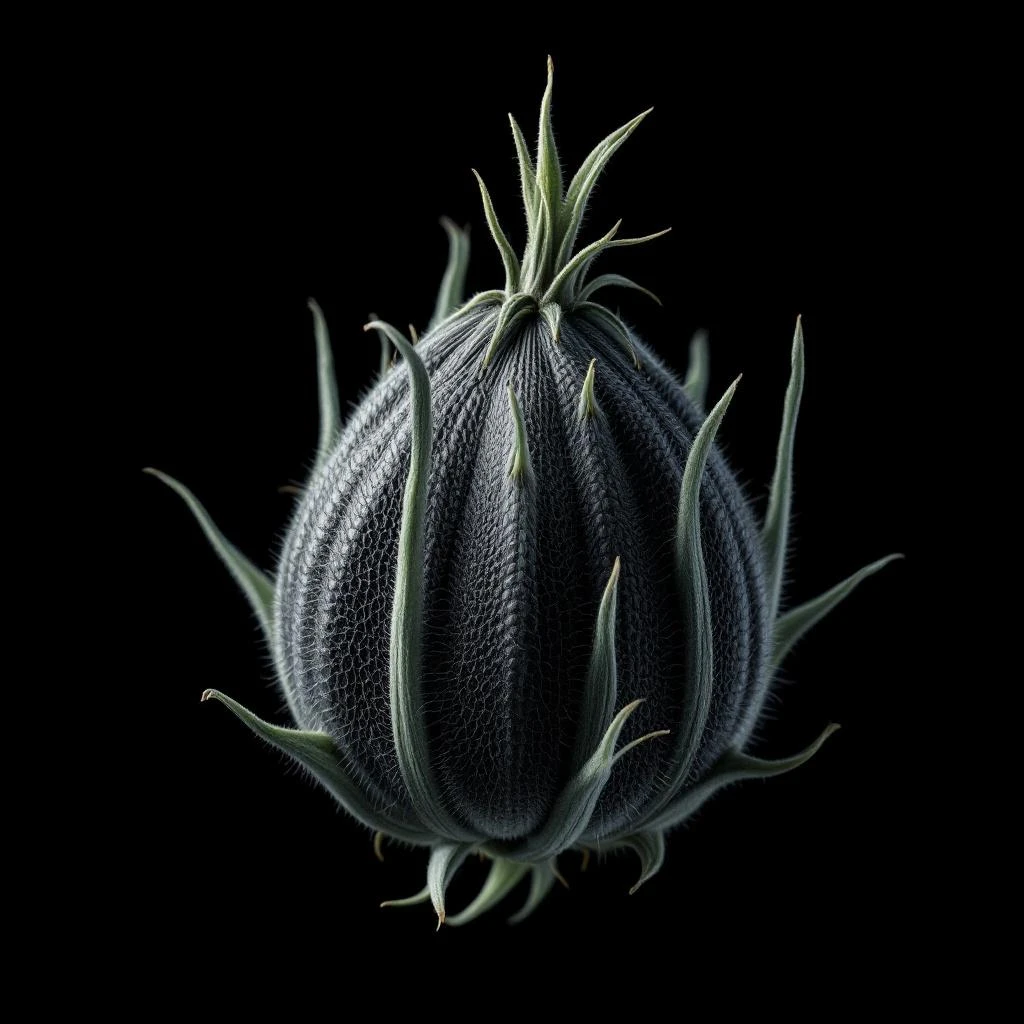
Buckwheat, scientifically known as Fagopyrum esculentum, originated in the mountainous regions of Yunnan province in southwestern China, where cultivation dates back over 6,000 years. The plant spread along ancient trade routes to Korea, Japan, and eventually across Europe, becoming particularly embedded in Eastern European culinary traditions. Traditional buckwheat tea, called soba-cha in Japan and memil-cha in Korea, has been consumed for centuries not only as a beverage but also for its medicinal properties, believed to support circulation and digestive health.
While Camellia sinensis dominated the world of tea perfumery, adventurous perfumers began exploring regional tea traditions as sources of unique aromatic materials. The integration of buckwheat tea into modern perfumery reflects a broader movement toward reimagining humble agricultural ingredients as luxury fragrance materials, transforming an everyday peasant beverage into an evocative note that bridges Eastern and Western aromatic sensibilities.
Wears it best
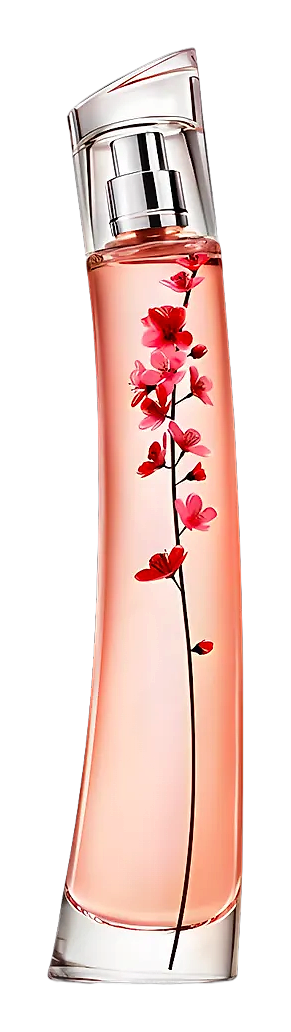
Fragrances featuring Buckwheat Tea
Brands
Brands known for Buckwheat Tea
Good to know
Questions, answered
The essentials on Buckwheat Tea in perfumery: how it smells, where it comes from, and how it behaves on skin.
What does buckwheat tea smell like in perfume?
Buckwheat tea brings warm, nutty, and toasted characteristics with subtle bitter undertones. It evokes the smell of roasted grain and fresh-brewed herbal tea, adding comforting depth to fragrance compositions.
Is buckwheat tea a natural or synthetic ingredient in perfumery?
Both versions exist. Natural buckwheat tea essence comes from roasted seeds through solvent extraction. Perfumers also create synthetic accords using pyrazines and furanones to replicate the roasted, nutty aroma.
Which fragrance families commonly use buckwheat tea?
Oriental, gourmand, and fresh fragrance families most frequently incorporate buckwheat tea. Its warm, comforting profile pairs well with vanilla, amber, and green tea notes.
Does buckwheat tea have fixative properties?
Yes. The roasted seed extract acts as a moderate fixative, helping lighter top notes evaporate more slowly and extending the fragrance's longevity on skin.
What colors does buckwheat tea extract typically have?
The extract yields a viscous amber to dark brown liquid, which can tint final fragrance formulations with warm golden or honeyed hues.
Can buckwheat tea cause allergic reactions?
Buckwheat allergies exist but are uncommon. Those with documented buckwheat sensitivity should avoid products containing this ingredient. Regulatory assessments generally consider it safe for cosmetic use.
What complementary ingredients pair well with buckwheat tea?
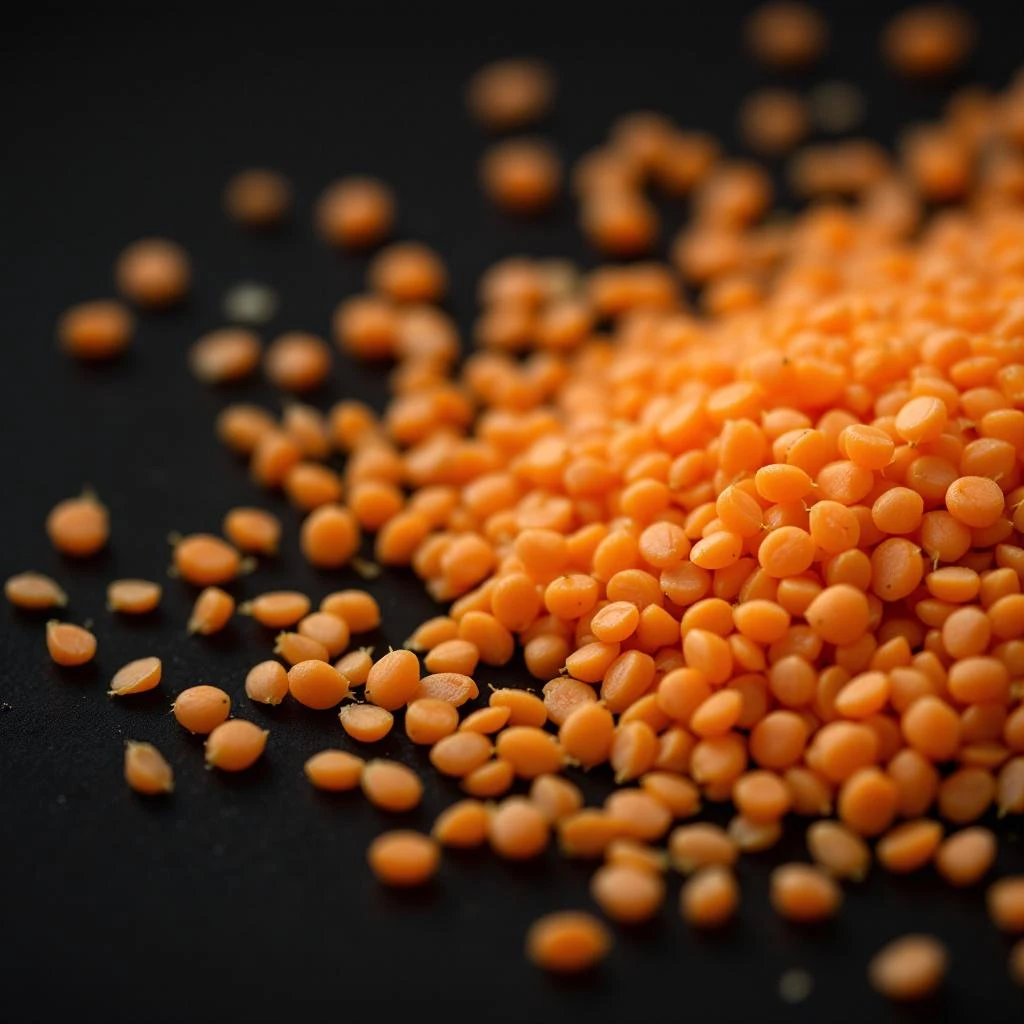
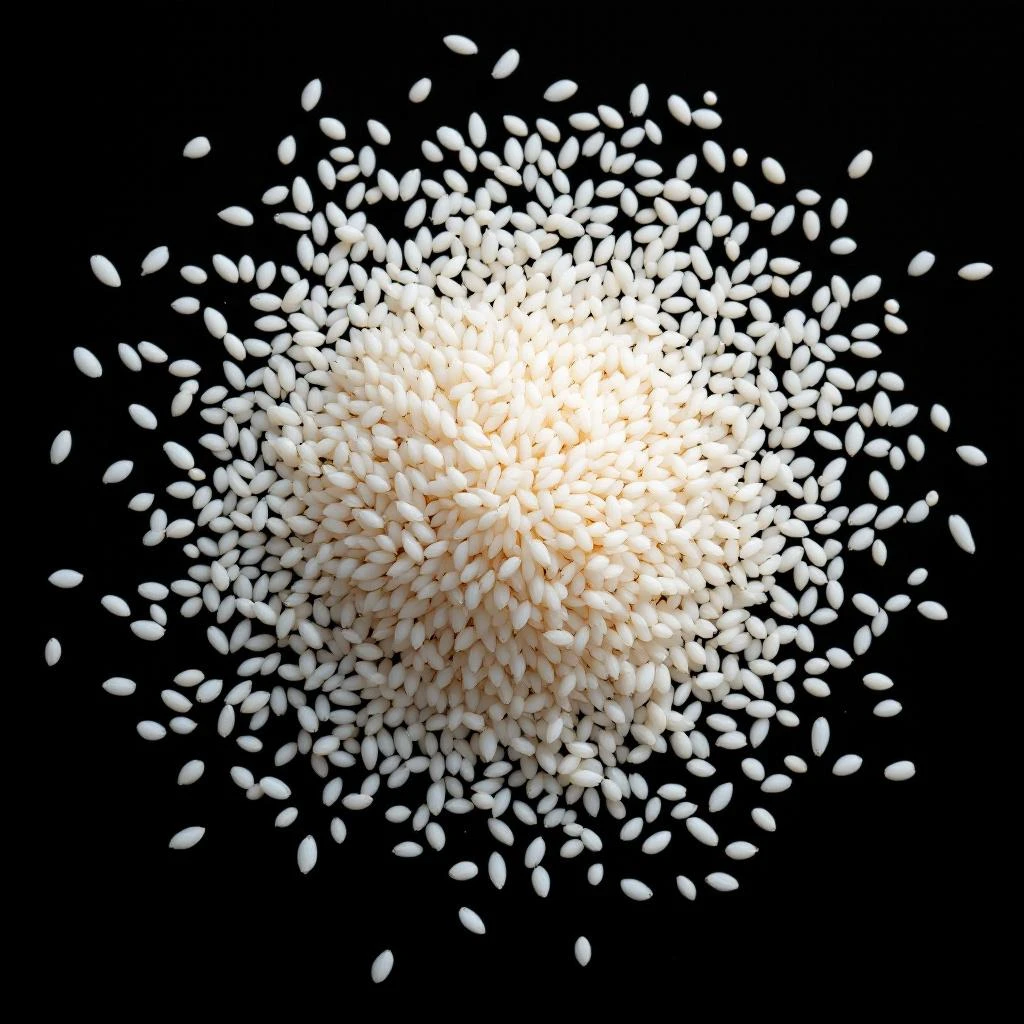
Honey, vanilla, amber, green tea, chestnut, rice, osmanthus, and slight bitterness from coffee or cocoa create harmonious combinations with buckwheat tea's warm profile.
How long has buckwheat been used in perfumery?
While buckwheat tea as a beverage spans millennia, its use in perfumery emerged more recently, with specialty ingredients becoming available in the early 2000s as perfumers sought unique regional tea profiles beyond traditional Camellia sinensis extracts.