Brown Rice
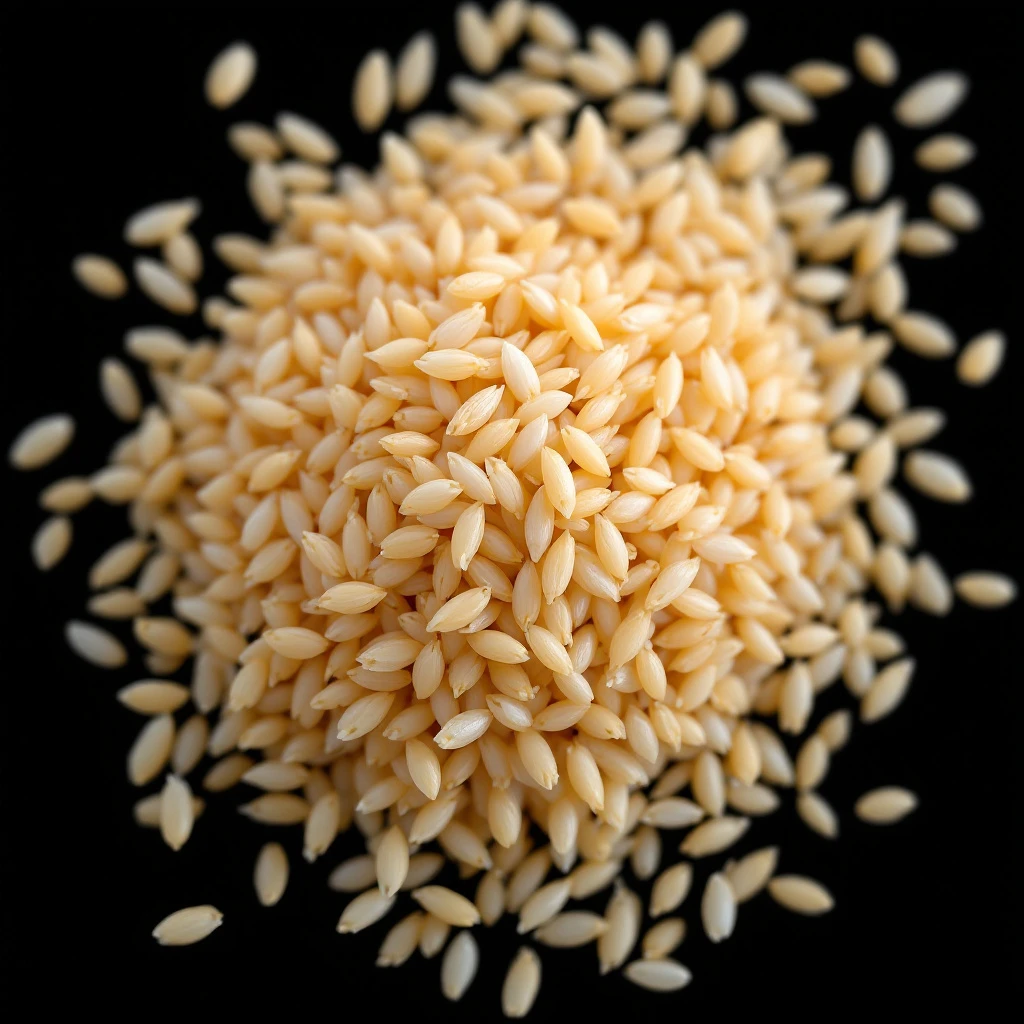
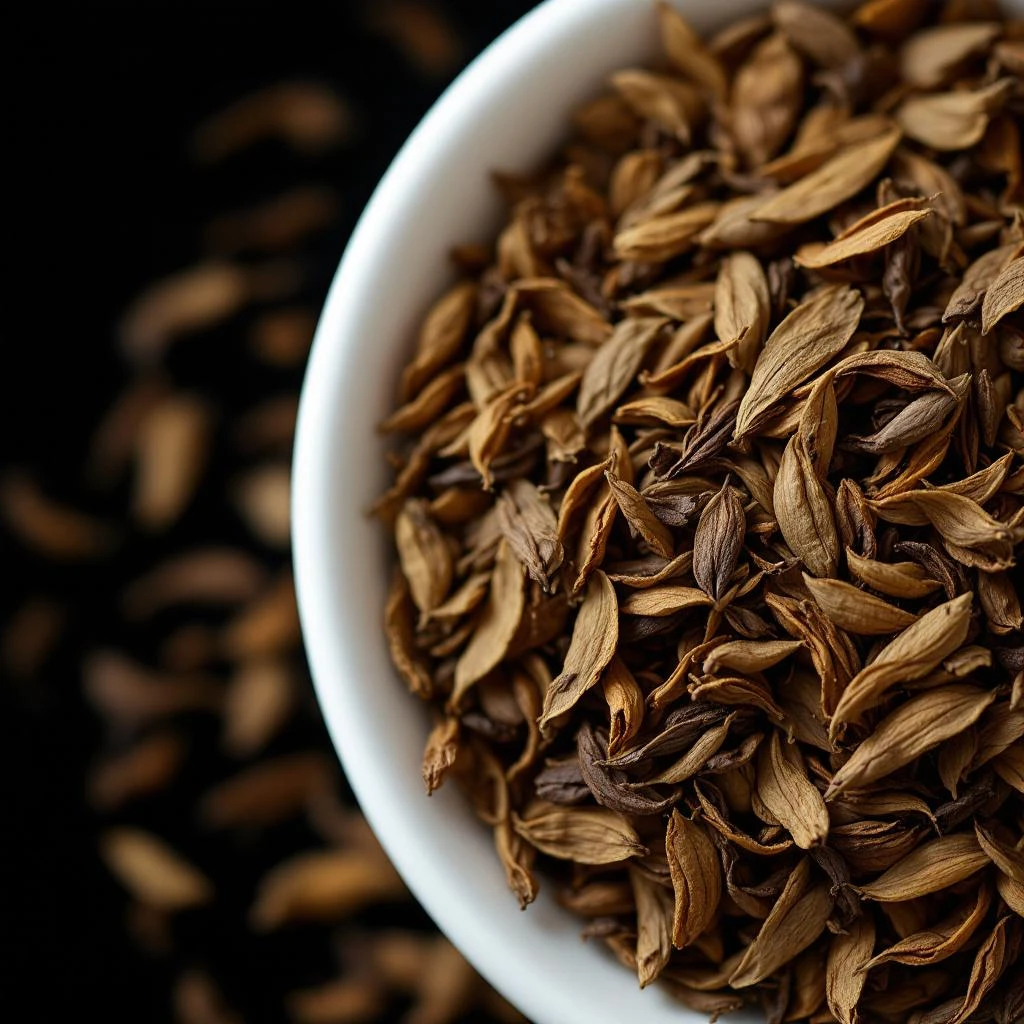
Brown rice brings a warm, nutty grain accord to perfumery, evoking toasted cereals, soft husks, and gentle earthiness. Its subtle savory sweetness adds an unexpected layer to modern compositions.
Character
How it smells
Toasted grain warmth in a bottle.
The Maillard reaction that gives cooked rice its characteristic aroma produces over 100 volatile compounds, yet perfumers isolate only a handful for fragrance use.
Pairs beautifully with

Origin
Japan
Rice has been a dietary cornerstone across Asia for over 9,000 years, with archaeological evidence of cultivation in China's Yangtze River valley by 6500 BCE. Yet its path into perfumery is remarkably recent. The grain aroma entered fragrance vocabulary only in the late 20th century, when gourmand perfumery emerged as a distinct category.
Before that, cereal notes were considered too domestic, too humble for fine fragrance. The shift began when perfumers recognized that toasted, cooked grains shared chemical territory with warm skin scents and sun-dried hay. In Japan, where rice holds deep cultural meaning, artisans experimented with rice-based incense for centuries, though these traditions focused on burning the grain rather than distilling it.
Today, brown rice aromatics appear in niche compositions seeking comfort through unconventional materials. The note represents perfumery's expanding appetite for everyday materials, transforming kitchen familiarity into wearable art while honoring a grain that fed civilizations.
Wears it best
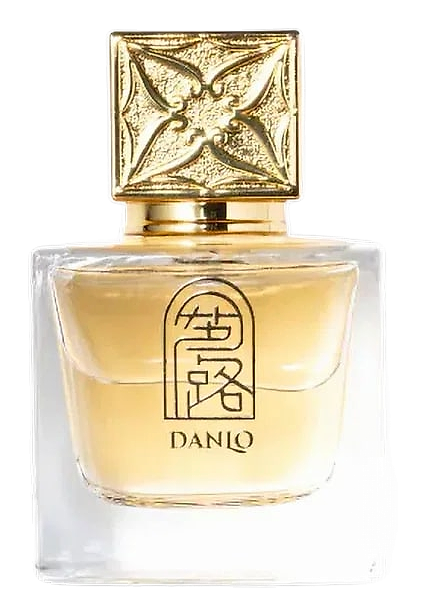
Fragrances featuring Brown Rice
Brands
Brands known for Brown Rice
Good to know
Questions, answered
The essentials on Brown Rice in perfumery: how it smells, where it comes from, and how it behaves on skin.
What does brown rice smell like in perfumery?
Brown rice contributes a warm, nutty aroma with toasted cereal undertones and a soft, starchy sweetness. The scent is subtle and skin-like, often described as comforting rather than bold. It blends particularly well with vanilla, sandalwood, and milky notes.
Is brown rice a natural or synthetic fragrance ingredient?
Both exist. Natural brown rice extracts come from steam-distilled or solvent-extracted cooked grain. Synthetic versions typically isolate 2-acetyl-1-pyrroline, the key aromatic compound. Many modern perfumers blend both to achieve consistent, balanced grain accords.
Why is brown rice used in perfume instead of white rice?
Brown rice retains its bran layer, which contains higher concentrations of aromatic oils and volatile compounds. White rice strips this outer layer during milling, resulting in a milder scent profile. The bran gives brown rice its characteristic nutty depth.
When did brown rice first appear in perfumery?
Brown rice as a fragrance note emerged in the late 20th century alongside the gourmand perfumery movement. Before that, cereal scents were considered too domestic for fine fragrance. Japanese artisans had long used rice-based incense, but cooked-grain accords in perfume are a modern innovation.
What fragrance families does brown rice belong to?
Brown rice falls primarily within the gourmand family, sharing territory with notes like bread, milk, and honey. It also bridges into woody and skin-scent categories due to its warm, slightly earthy qualities. This versatility makes it useful in both edible and atmospheric compositions.
How is brown rice aroma extracted for perfume?
Producers typically cook the rice first to release volatile compounds, then apply steam distillation or solvent extraction with ethanol or hexane. Advanced methods include headspace capture and supercritical CO2 extraction, which preserve delicate nutty and malty notes without heat damage.
Are there sustainability concerns with brown rice harvesting for perfume?
Brown rice for perfumery uses food-grade grain, so sourcing overlaps with existing agricultural supply chains. Extraction yields are low, requiring significant raw material per unit of aromatic product. However, most producers source from established rice regions, supporting existing farming communities rather than creating new demand.
Which perfumes feature brown rice as a prominent note?
Several Japanese and niche European houses have explored rice accords, particularly in comfort-driven and tea-inspired compositions. The note appears alongside matcha, yuzu, and hinoki in many East Asia-inspired fragrances. Specific releases vary by year, so checking current niche catalogs yields the freshest examples.