Black Bean
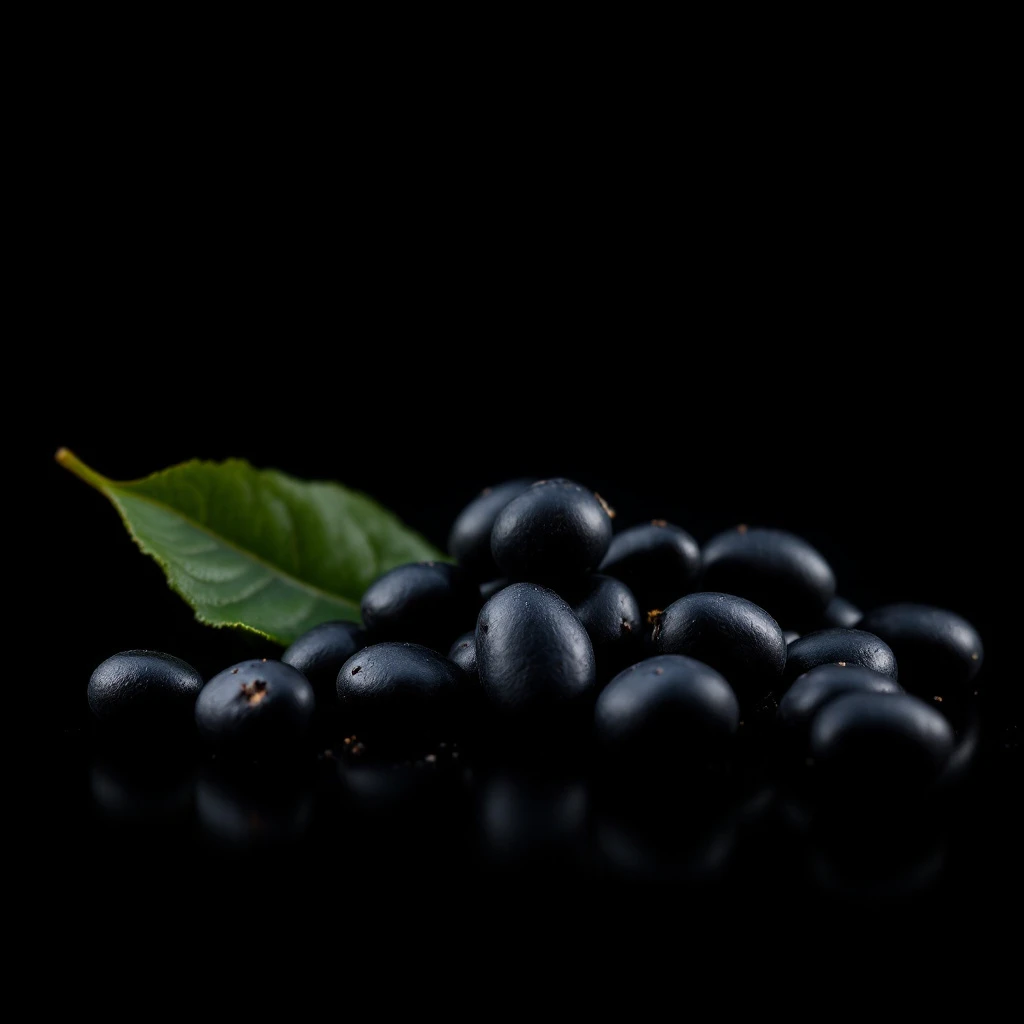
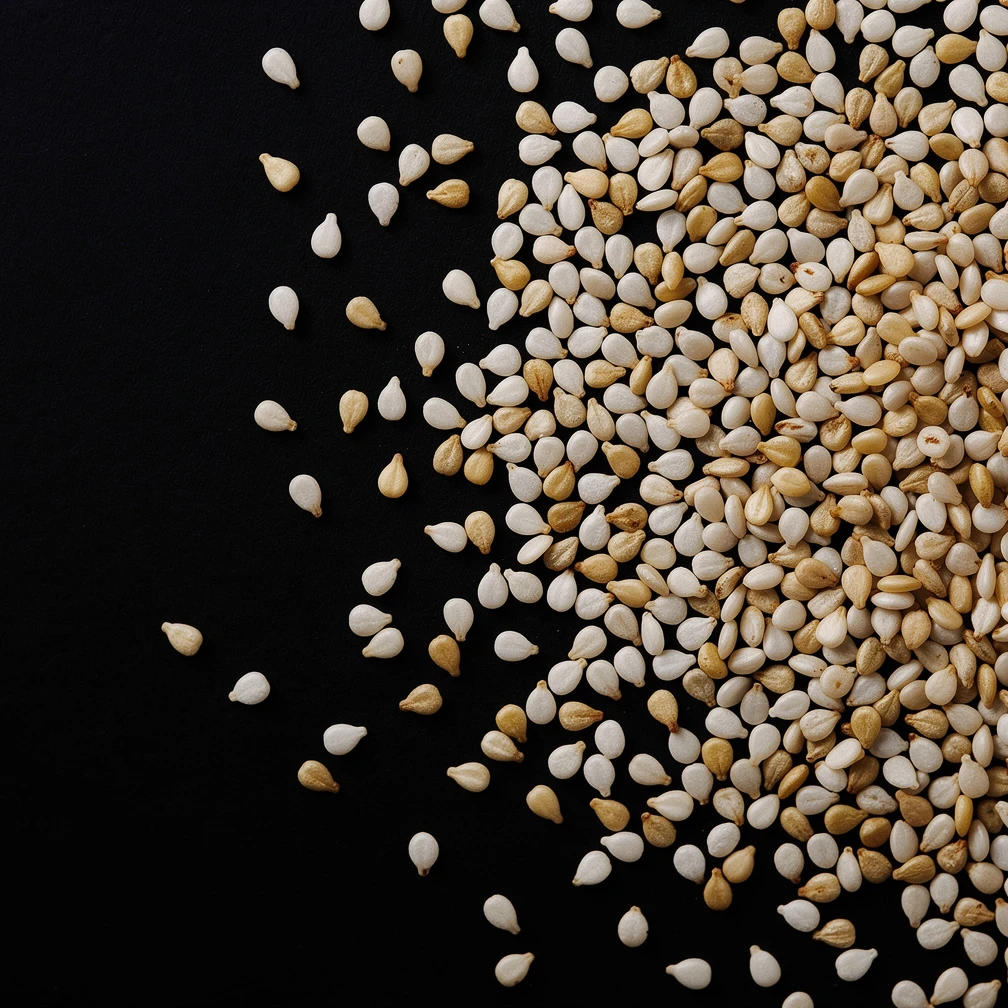
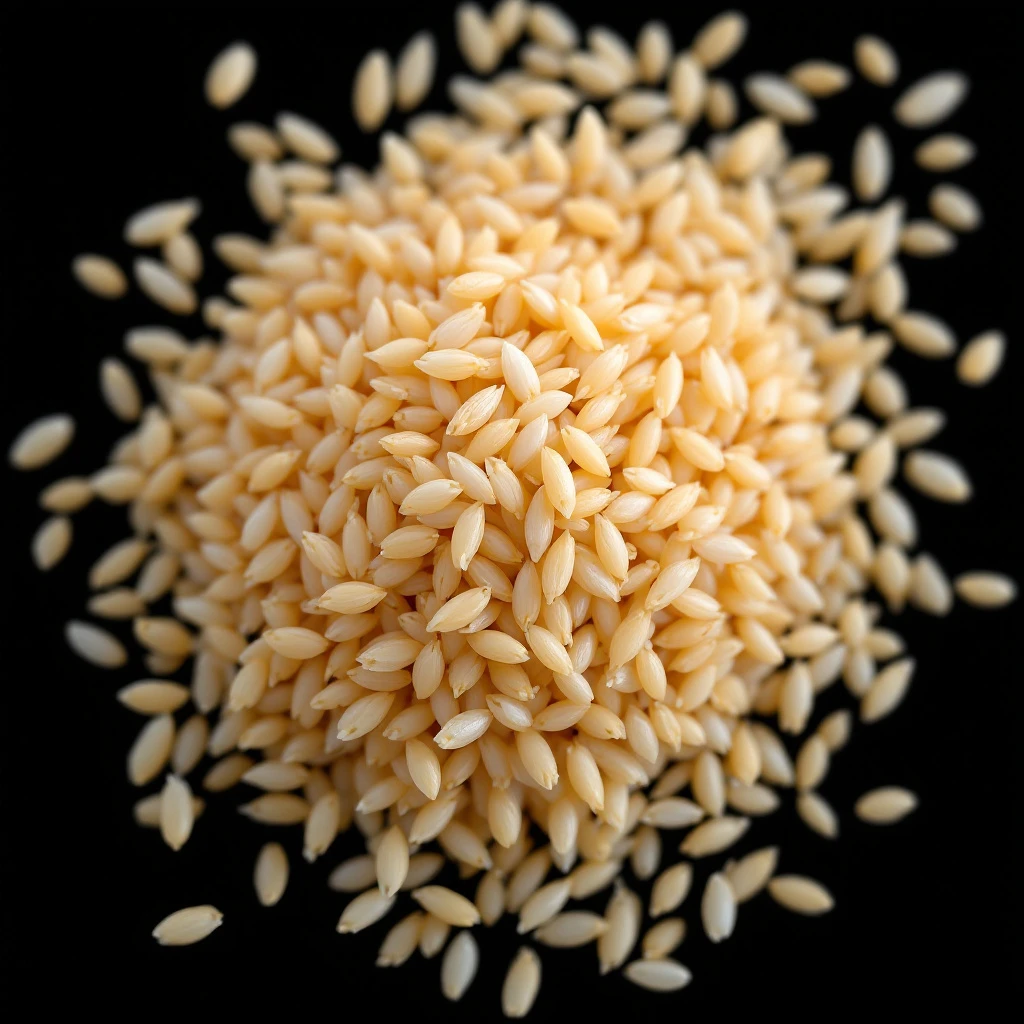
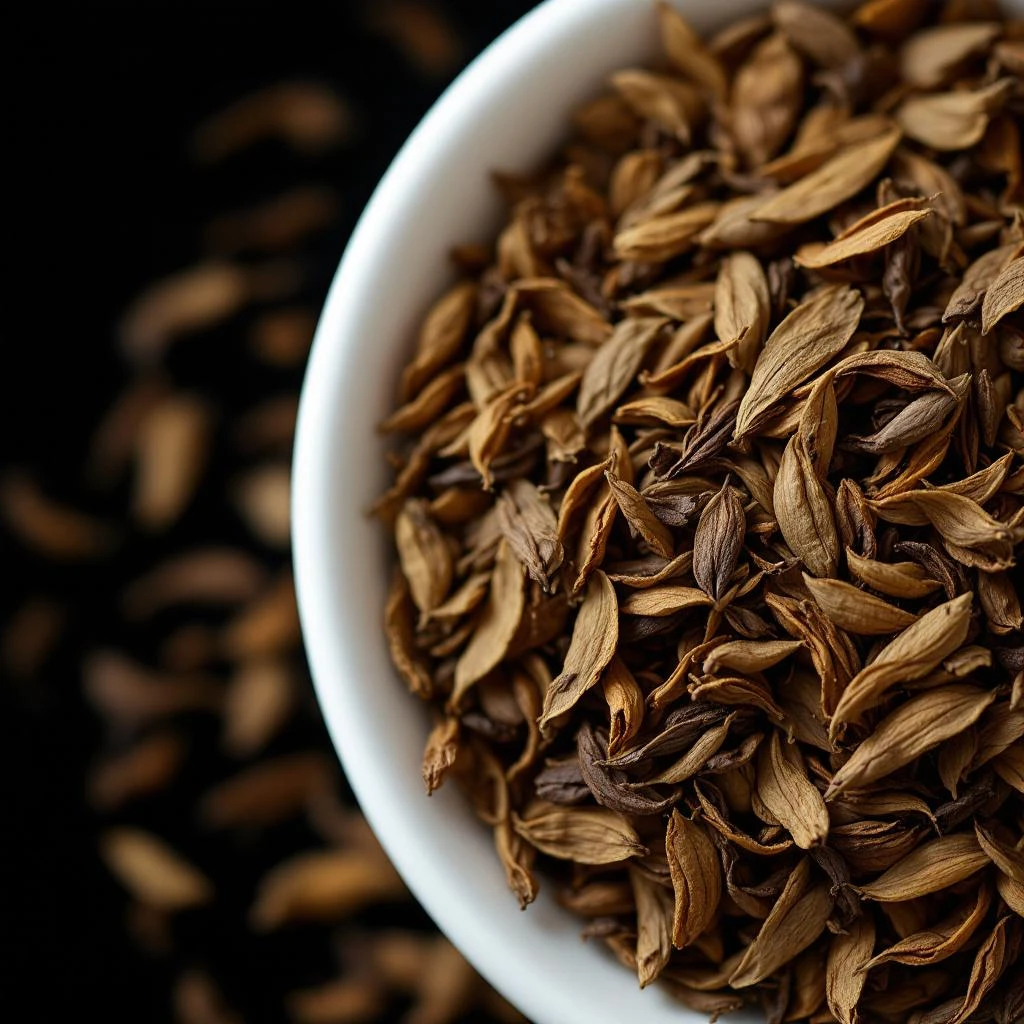
Black bean delivers a roasted, nutty warmth with hints of cocoa and subtle smokiness. This unconventional note adds depth and a gourmand richness that grounds modern compositions.
Character
How it smells
Roasted depth with gourmand soul
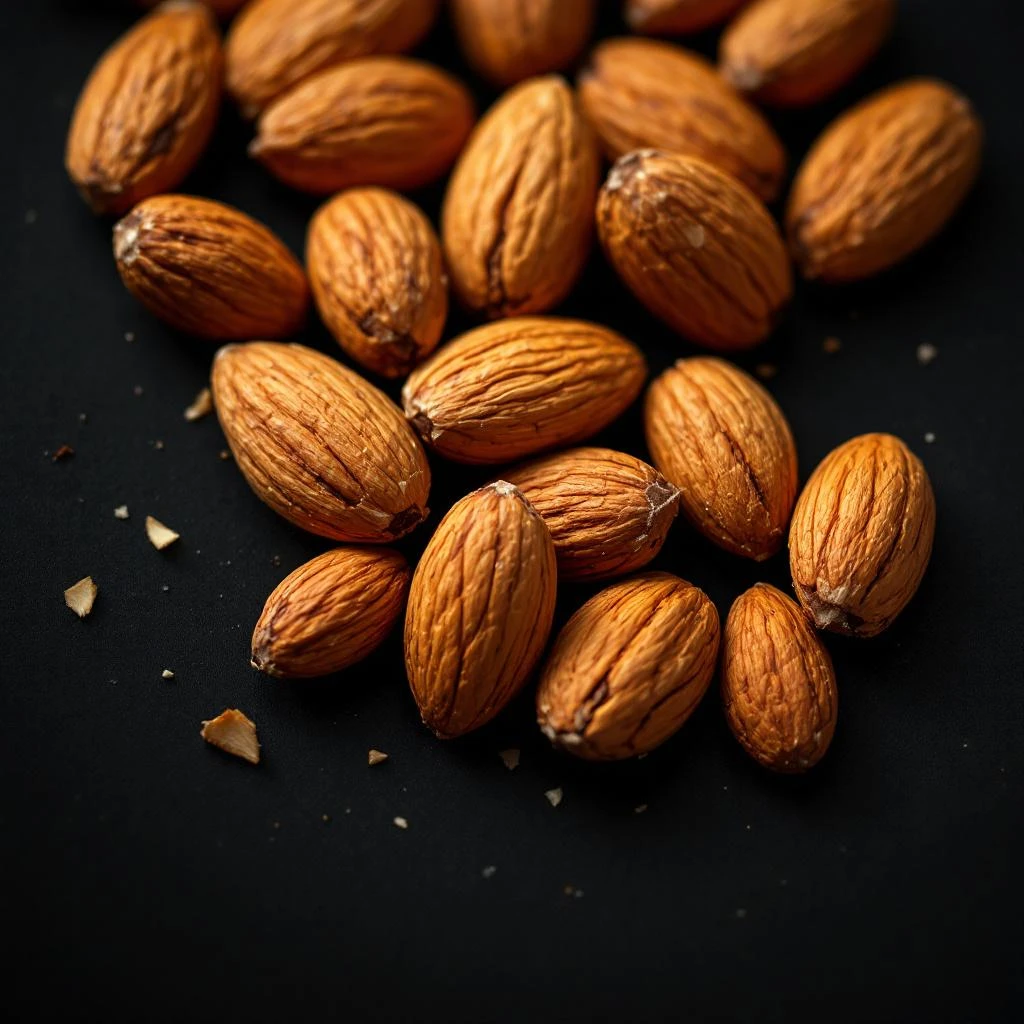
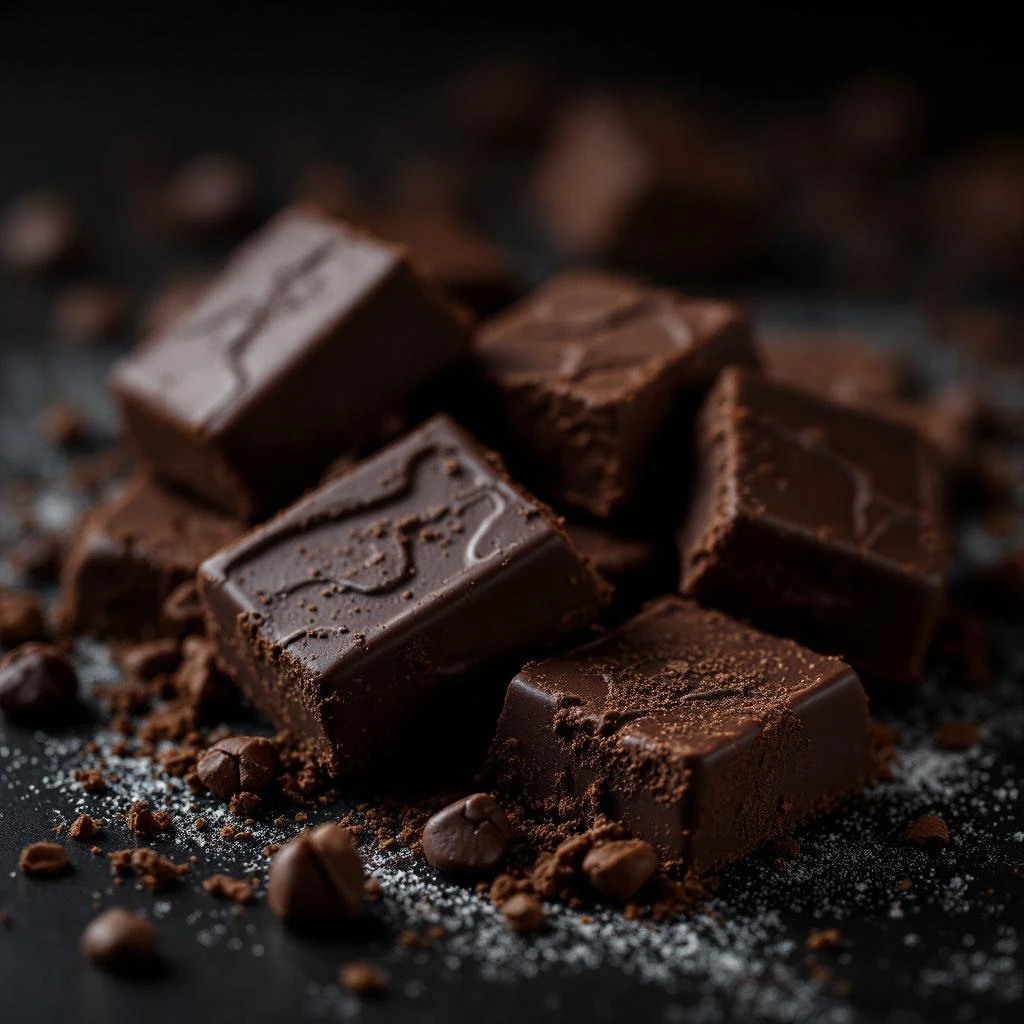
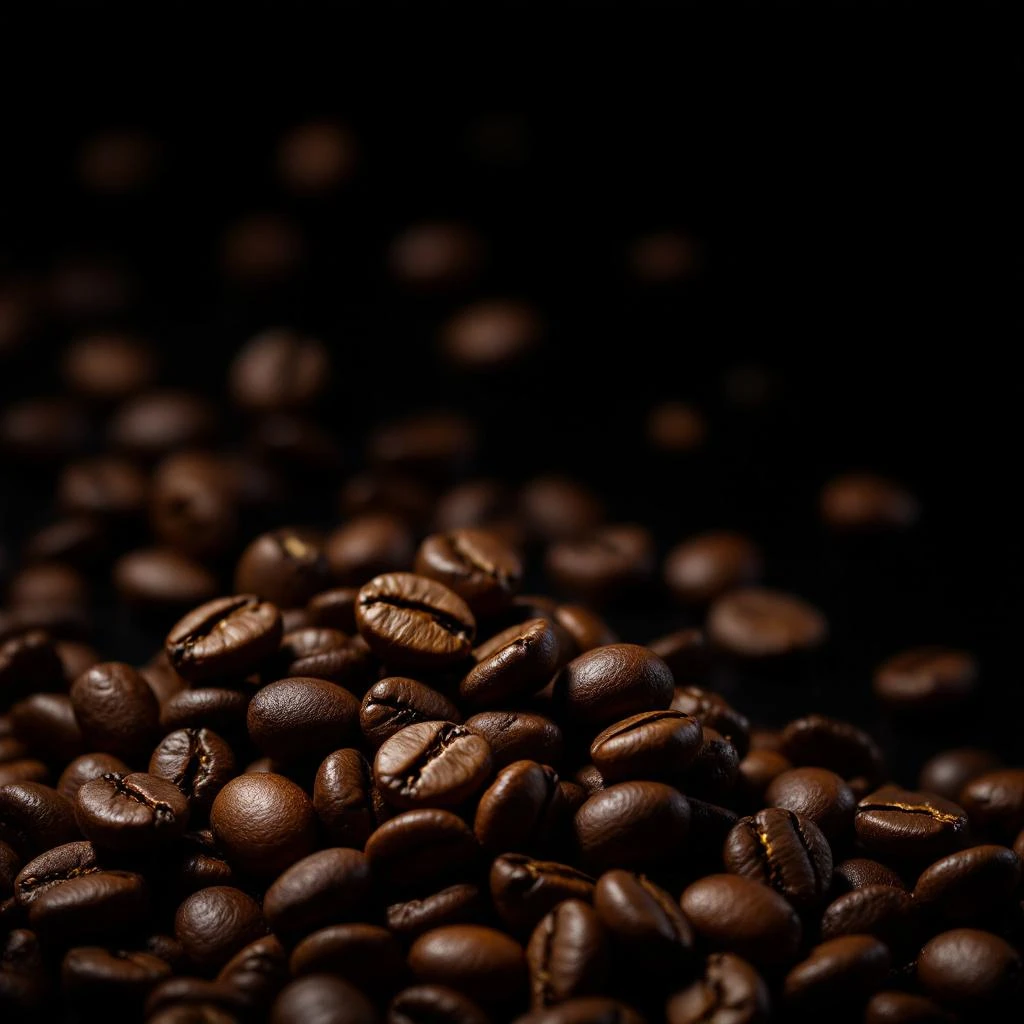
Despite the savory name, black bean note smells closer to dark chocolate and toasted espresso than any pantry staple.
Pairs beautifully with
Origin
China
Black bean entered the perfumer's palette relatively recently, emerging as part of the late 20th and early 21st century gourmand movement. While traditional perfumery relied on familiar beans like tonka, the shift toward culinary-inspired compositions opened doors to less conventional materials.
Japanese perfumers in particular began exploring fermented and roasted food notes during the 1990s, treating kitchen ingredients as legitimate aromatic materials. The note gained traction in niche perfumery as creators sought to capture the smell of freshly brewed coffee, dark chocolate, and toasted grains.
By the 2010s, black bean had crossed from experimental Japanese ateliers into Western niche and selective mainstream launches. Its appearance signals a perfumer's interest in pushing beyond sweet vanillic warmth into something earthier, more savory, and distinctly modern.
Wears it best
Fragrances featuring Black Bean
Brands
Brands known for Black Bean
Good to know
Questions, answered
The essentials on Black Bean in perfumery: how it smells, where it comes from, and how it behaves on skin.
What does black bean smell like in perfume?
Black bean note smells roasted and nutty, with warm cocoa and gentle smokiness. The aroma comes from natural pyrazines, the same family of compounds found in freshly brewed coffee and toasted bread crusts.
Is black bean a natural or synthetic fragrance note?
Both forms exist. Natural extraction uses solvent methods on dried leguminous seeds, while synthetic versions isolate individual pyrazine molecules for consistency. Most modern perfumers prefer synthetic versions for reliability.
When did black bean become popular in perfumery?
Black bean gained popularity in niche perfumery during the 2010s, building on the gourmand movement that began in the 1990s. Japanese perfumers led early experimentation with fermented and roasted food notes.
What fragrance families feature black bean?
Black bean appears primarily in gourmand and oriental compositions. It pairs naturally with coffee, chocolate, vanilla, and tonka, adding roasted depth that complements sweet and woody accords.
How does black bean differ from tonka bean?
Black bean delivers a darker, more savory roasted quality with cocoa notes, while tonka bean offers sweeter vanilla and almond character from coumarin. Black bean reads earthier and less confectionery overall.
Are black bean fragrances sustainable?
Synthetic versions offer strong sustainability advantages since they avoid agricultural harvest. Natural black bean extraction depends on specific Asian legume crops, making supply and pricing variable year to year.
Which perfumes famously use black bean notes?
Several Japanese niche houses feature black bean prominently in coffee and chocolate themed compositions. The note has spread into Western indie perfumery throughout the 2010s and 2020s.
Can black bean notes smell like actual cooked beans?
No. The perfumery version captures the warm roasted and cocoa qualities while avoiding savory bean associations. Skilled blending ensures the note reads as gourmand richness rather than kitchen realism.