Blackcurrant CO2
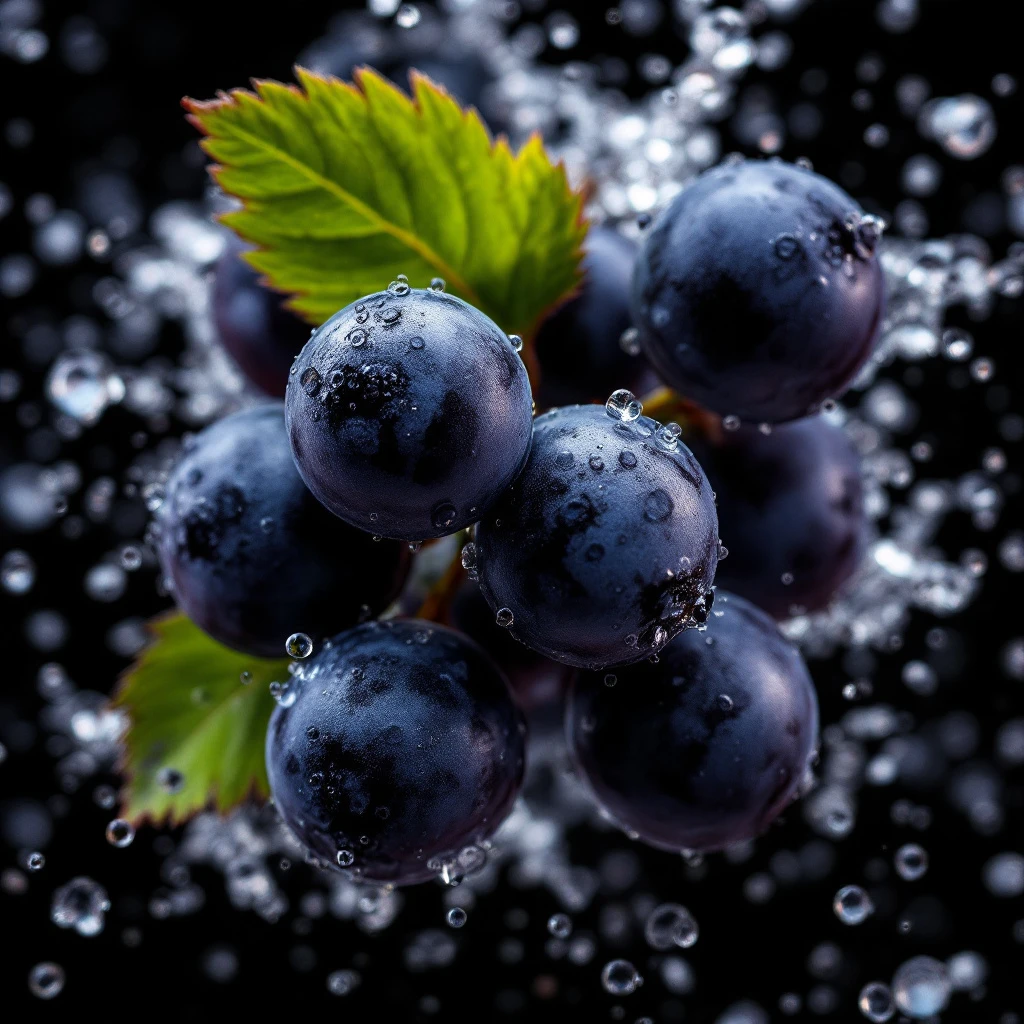
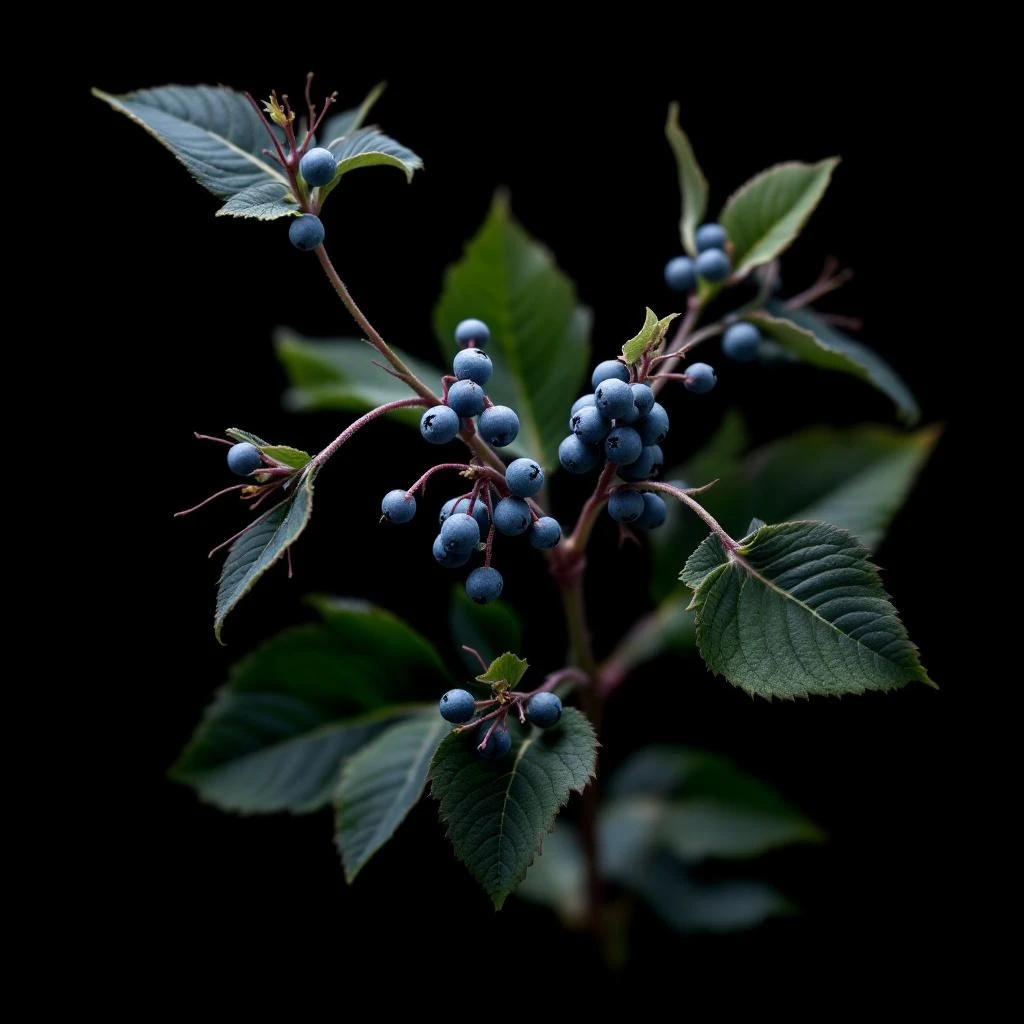
Blackcurrant CO₂ extract captures the fresh, tart character of cassis buds. Its assertive fruity profile with sulfurous undertones creates an unmistakable green complexity that transforms floral, chypre, and oriental compositions.
Character
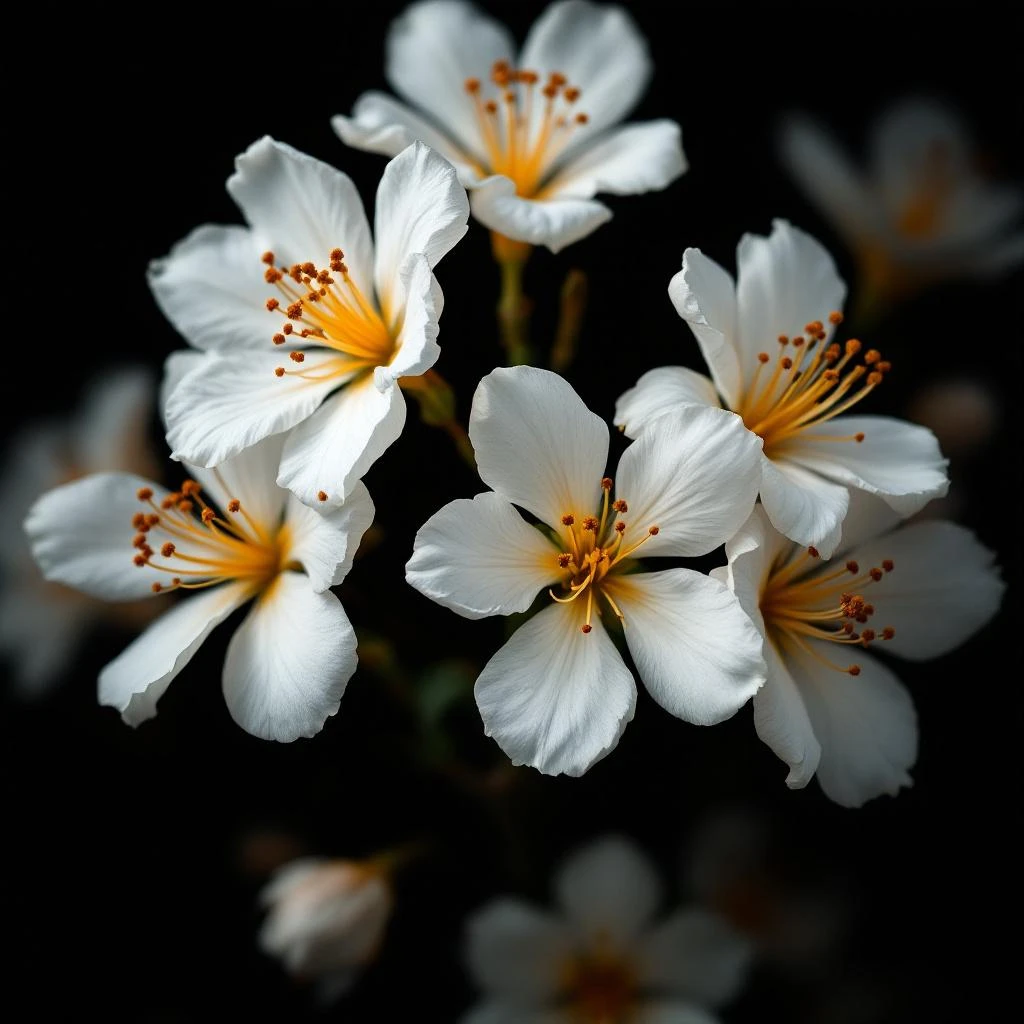
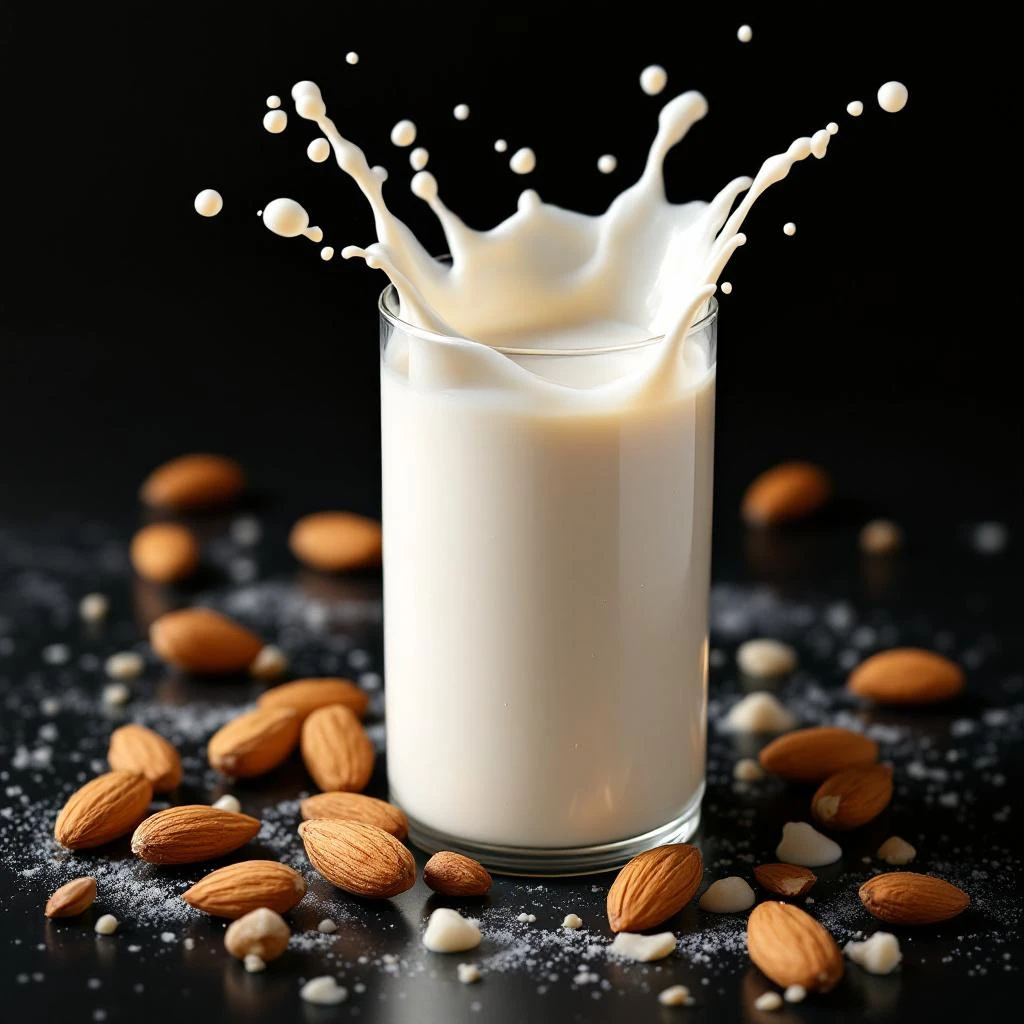
How it smells
The tart, green soul of cassis.
Blackcurrant buds contain mercaptans, sulfurous compounds responsible for their distinctive catty, gamey character that perfumers actively seek.



Origin
France
While blackcurrant has ancient origins in northern European foraging traditions, its use in perfumery emerged only in the 1960s-1970s when perfumers began systematically working with cassis bud absolute. The ingredient proved revolutionary for adding fruity depth to compositions, particularly in the chypre and green fragrance families.
Early perfumers sourced buds from traditional blackcurrant cultivation regions across France and Eastern Europe, handpicking in late winter when aromatic concentration peaks. The development of supercritical CO₂ extraction in recent decades elevated this ingredient further, providing a cleaner, more faithful representation of the bud's natural olfactory profile without compromising sustainability.
Wears it best
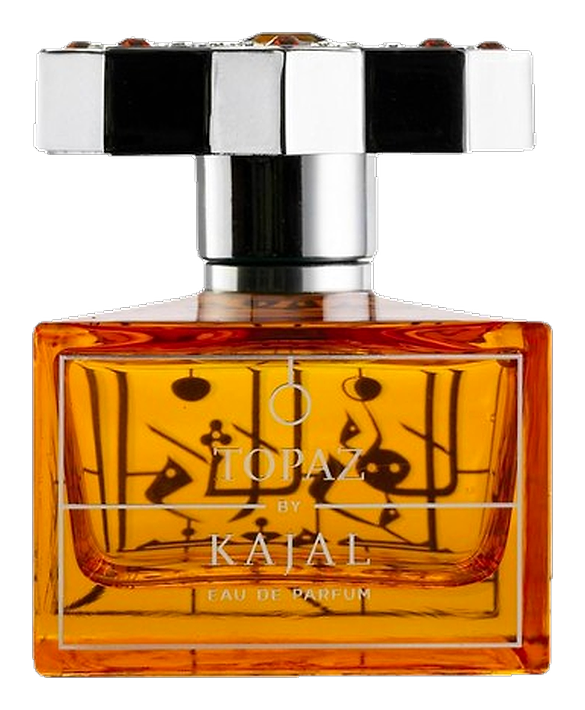
Fragrances featuring Blackcurrant CO2
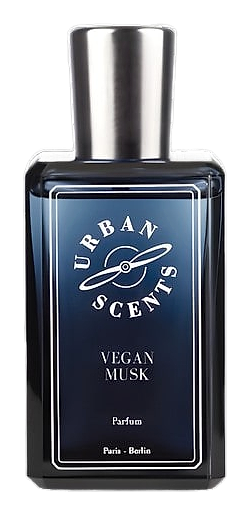
Brands
Brands known for Blackcurrant CO2
Good to know
Questions, answered
The essentials on Blackcurrant CO2 in perfumery: how it smells, where it comes from, and how it behaves on skin.
What does blackcurrant CO₂ smell like?
Blackcurrant CO₂ delivers a tart, fruity aroma with green and slightly sulfurous undertones. The scent carries a distinctive catty quality reminiscent of the living bud, along with berry-like sweetness. It adds depth andlift to fragrance compositions without sweetening them.
How is blackcurrant CO₂ different from blackcurrant bud absolute?
Blackcurrant CO₂ extract undergoes supercritical carbon dioxide extraction, while absolute results from ethanol extraction of the CO₂ concrete. CO₂ extraction preserves more delicate compounds and leaves no solvent residue, producing a profile closer to the fresh bud than traditional absolutes.
Why does blackcurrant bud smell sulfurous?
Blackcurrant buds contain mercaptans, naturally occurring sulfur compounds responsible for their distinctive catty, gamey character. These compounds are present in the living plant and remain in the extract, contributing to blackcurrant's recognizable olfactory signature.
Is supercritical CO₂ extraction considered natural?
Yes. Supercritical CO₂ extraction uses carbon dioxide as the only solvent, which occurs naturally and leaves no residue. The CO₂ is recycled and reused, making this method both natural and environmentally responsible. Regulatory bodies classify the result as a natural extract.
What fragrance families use blackcurrant CO₂?
Perfumers employ blackcurrant CO₂ primarily in fruity, green, chypre, and floral compositions. It adds unexpected brightness to rose and jasmine bases, provides fruity lift to woody and musky foundations, and creates distinctive top notes in modern designer fragrances.
Which parts of the blackcurrant plant are used in perfumery?
Perfumers use two distinct parts of Ribes nigrum: the bud and the fruit. Bud absolute captures green, Sulfurous, fruity complexity, while fruit essence delivers sweeter, jammyberry notes characteristic of the ripe blackcurrant.
How is the origin of blackcurrant CO₂ tracked?
LMR Naturals operates dedicated blackcurrant cultivation in France's Grasse region, processing extracted materials at their Aumont-Aubrac facility. This vertical integration enables full traceability from plantation to final extract, supporting consistent quality and sustainable sourcing.
Does blackcurrant CO₂ occur naturally in perfumery?
Blackcurrant CO₂ exists as a natural aromatic extract derived from Ribes nigrum buds. The supercritical CO₂ extraction process reproduces what exists in nature, concentrating the plant's inherent volatile compounds without creating synthetic aroma chemicals.