Black Hemlock
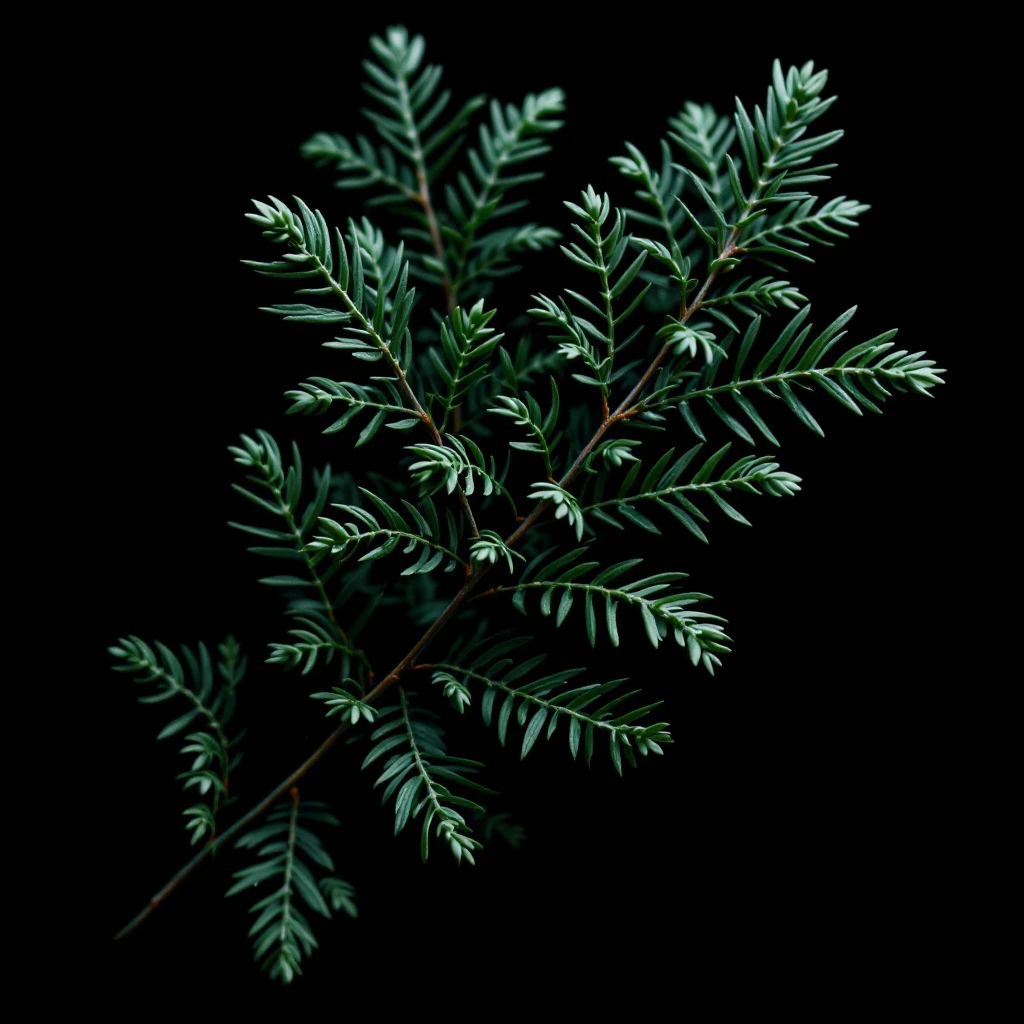
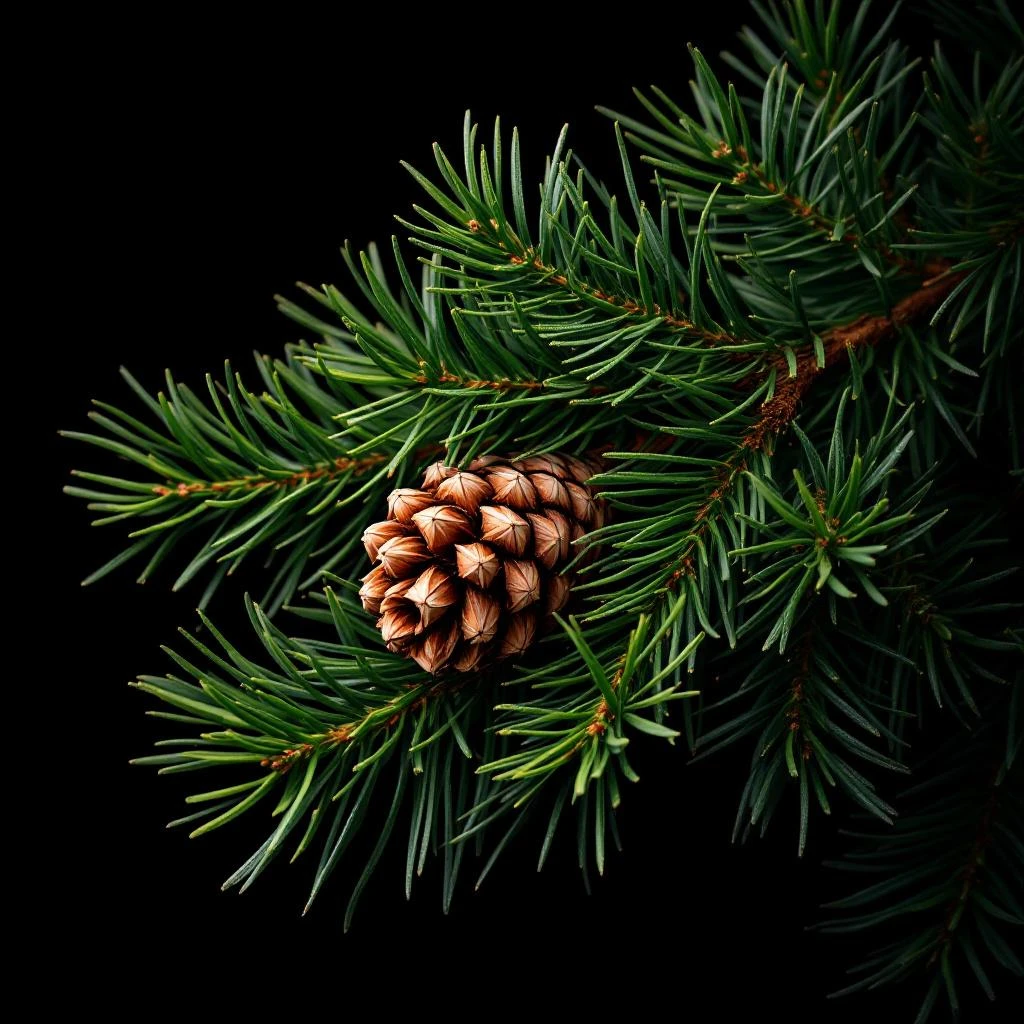
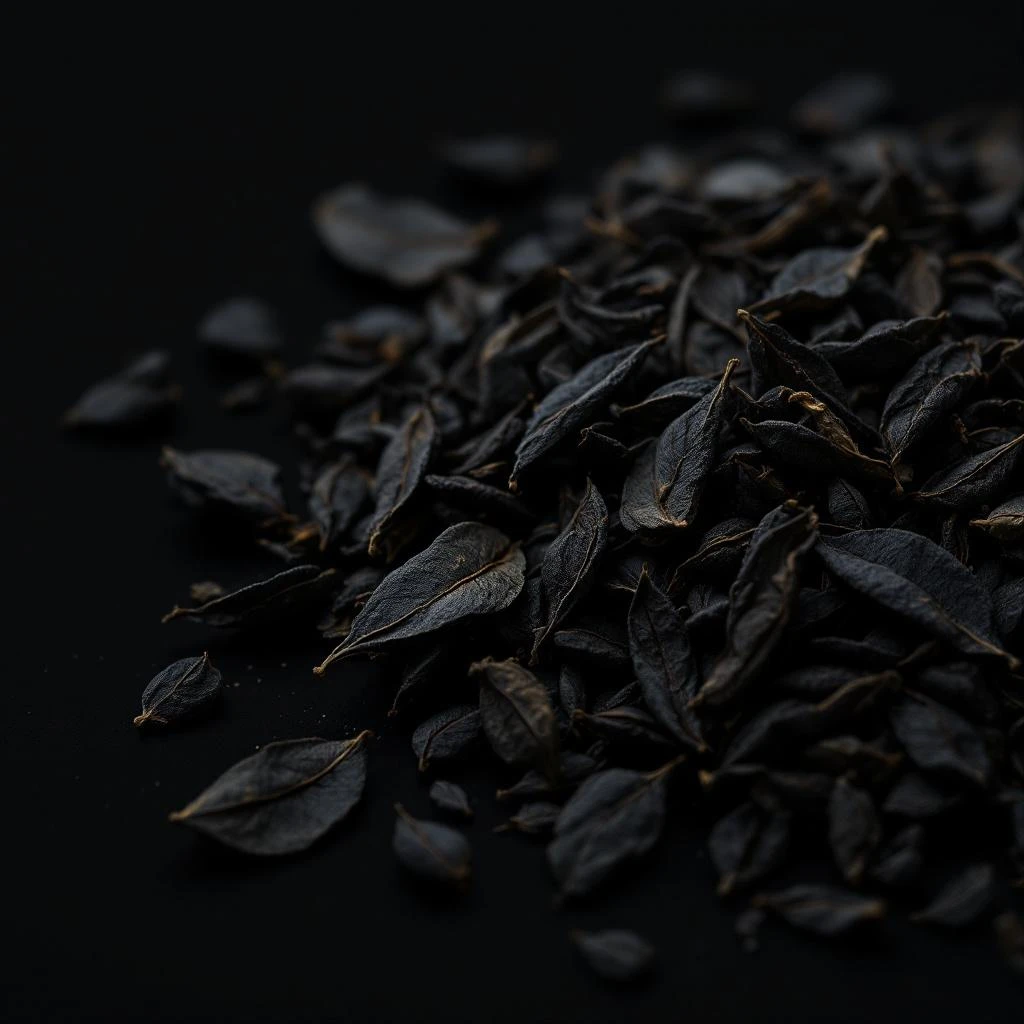
Black Hemlock absolute carries the olfactory soul of Canadian boreal forests: dark, foggy, and leathery, with smoky undertones and a sweet balsamic finish that lingers like morning mist.
Character
How it smells
The shadowy heart of the Canadian boreal forest.
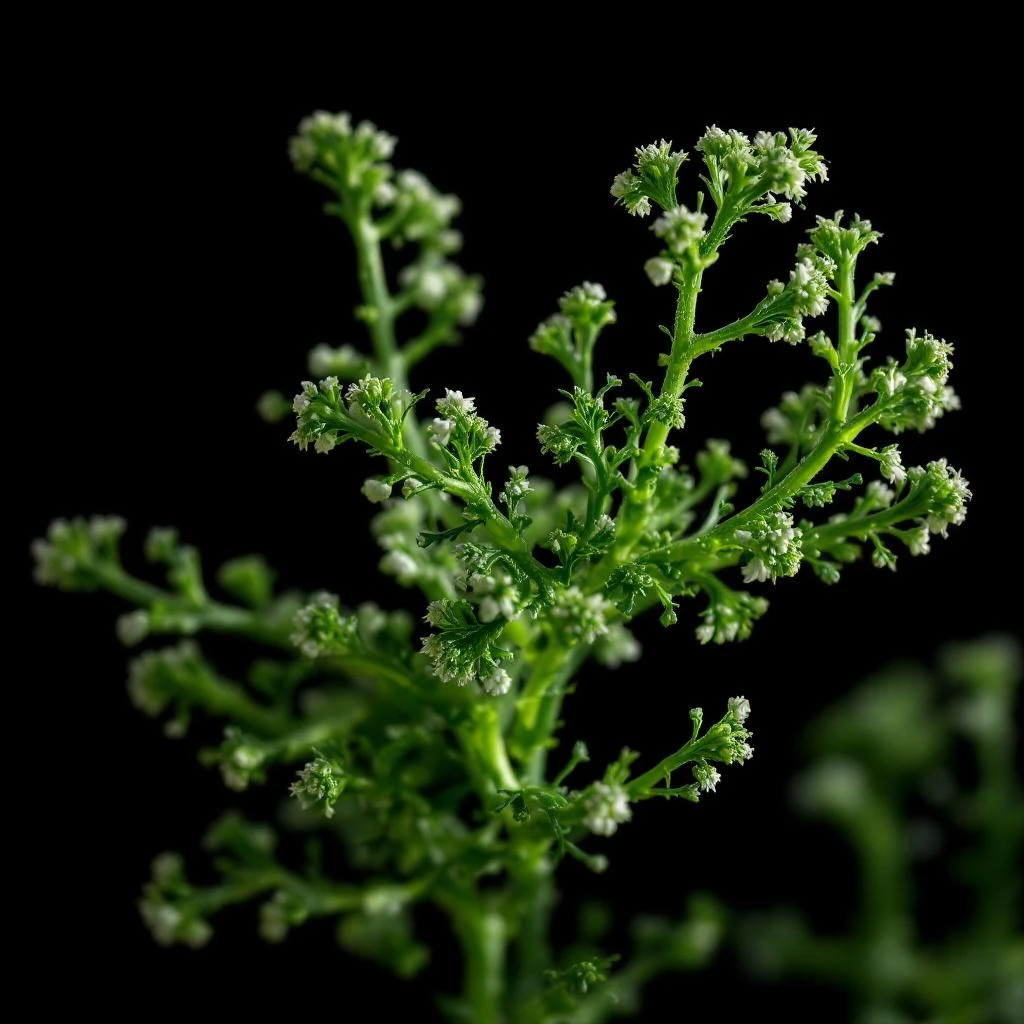
Despite sharing a name with the infamous poison, Black Hemlock (Tsuga canadensis) is non-toxic and entirely safe in perfumery. The confusion stems from a distant botanical cousin, not the tree itself.




Origin
Canada
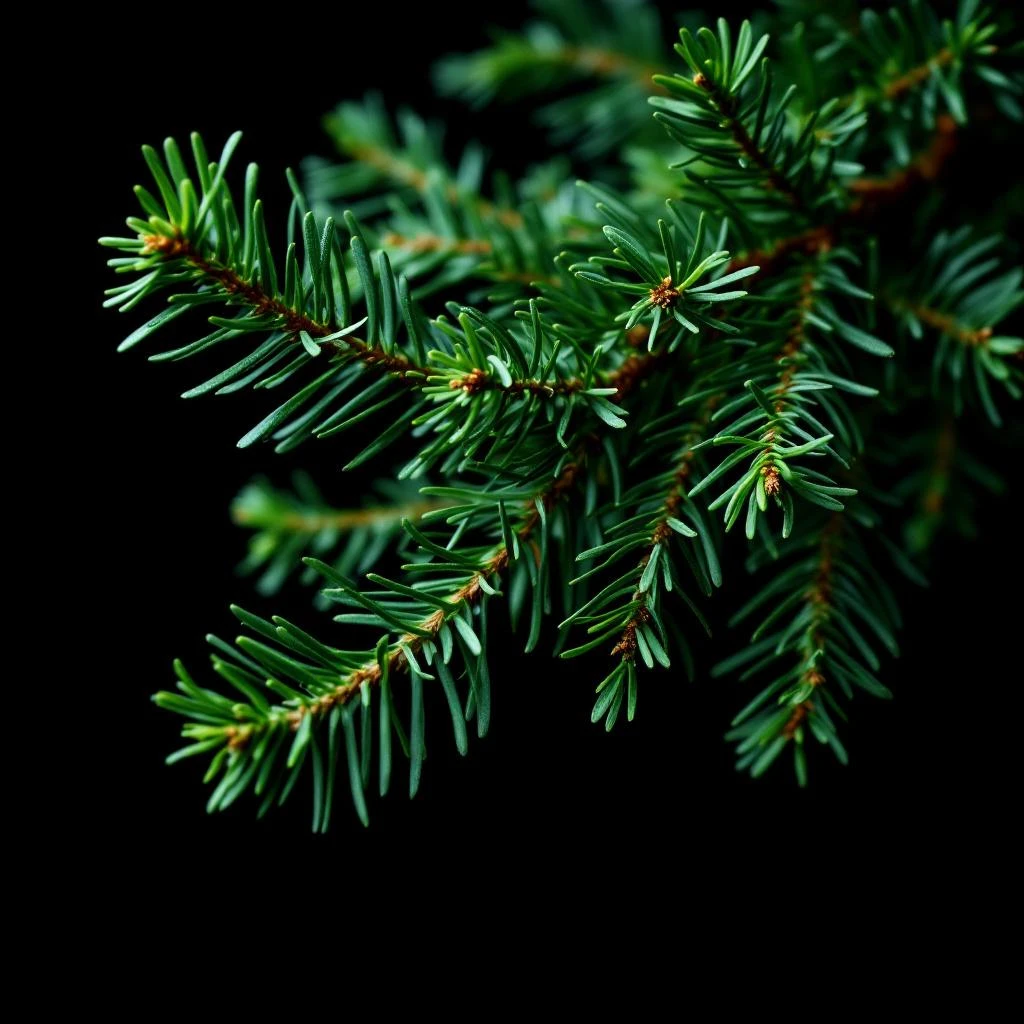
Indigenous peoples of northeastern North America used Eastern Hemlock for medicinal and practical purposes long before it entered the fragrance world. The needles were brewed into teas and used in poultices, valued for their astringent properties. Hemlock bark, rich in tannin, served as a tanning agent for leather.
Within perfumery, Black Hemlock is a relatively recent discovery, emerging as perfumers sought unconventional woody materials to expand their olfactory palettes beyond classics like cedar and sandalwood. The ingredient gained traction in the late 20th and early 21st centuries as naturalist and dark forest themes grew popular in niche perfumery. Its rise aligns with a broader industry movement toward unusual natural materials sourced from underutilized botanical sources.
Today, Black Hemlock occupies a distinct niche in modern fragrance, prized for its ability to evoke dense, fog-laden forest atmospheres that more common conifer oils cannot replicate.
Wears it best
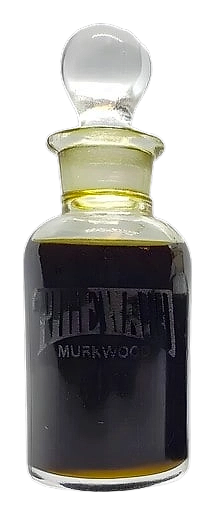
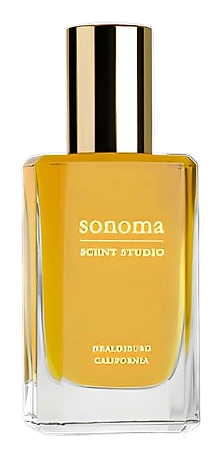
Fragrances featuring Black Hemlock
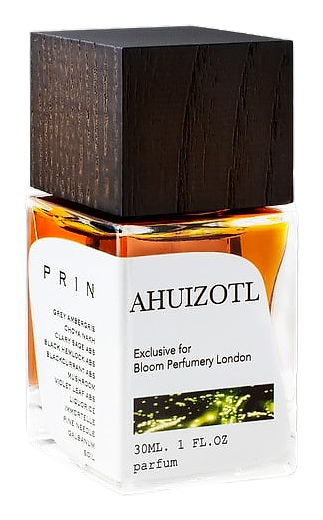
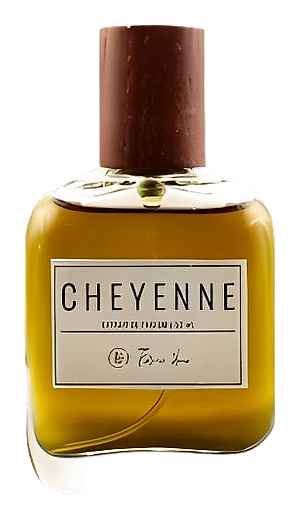
Brands
Brands known for Black Hemlock
Good to know
Questions, answered
The essentials on Black Hemlock in perfumery: how it smells, where it comes from, and how it behaves on skin.
Is Black Hemlock safe to use in perfumery?
Yes. Black Hemlock (Tsuga canadensis) is non-toxic and widely used in fine fragrance. Its name shares a botanical category with the infamous poison hemlock (Conium), but the two are unrelated species with no toxic overlap.
What does Black Hemlock smell like?
Black Hemlock smells dark, foggy, and leathery with sweet balsamic notes similar to black spruce, accented by smoky and blackcurrant-like undertones that add remarkable depth to fragrance compositions.
How is Black Hemlock oil extracted?
Black Hemlock is produced via steam distillation of the needles and small twigs. This method yields a moderate volume of absolute with the full aromatic complexity intact, preserving the conifer's darker character.
Where does Black Hemlock originate from?
Black Hemlock primarily originates from the boreal forests of Canada, particularly the northeastern regions where Tsuga canadensis thrives in the cool, humid climate of the Canadian wilderness.
Which fragrance families use Black Hemlock?
Black Hemlock appears most frequently in chypre, woody, and leather fragrance families. Perfumers use it to add dark forest atmosphere and smoky depth to both masculine and gender-neutral compositions.
Is Black Hemlock related to the poison hemlock plant?
No. Despite sharing a common name, Black Hemlock (Tsuga) belongs to the Pinaceae family while poison hemlock (Conium) is an Apiaceae plant. They are botanically distinct and share no toxicity concerns.
What makes Black Hemlock different from other conifer oils?
Unlike cedar or pine oils, Black Hemlock carries a uniquely smoky, leather-like darkness. Its sweet balsamic base with blackcurrant accents sets it apart from brighter, more traditional needle oils.
Can Black Hemlock be synthesized or is it always natural?
Black Hemlock is primarily sourced as a natural absolute from Tsuga canadensis. Synthetic analogues for specific aromatic components exist, but the full complex profile of natural Black Hemlock remains difficult to reproduce artificially.