Black grape
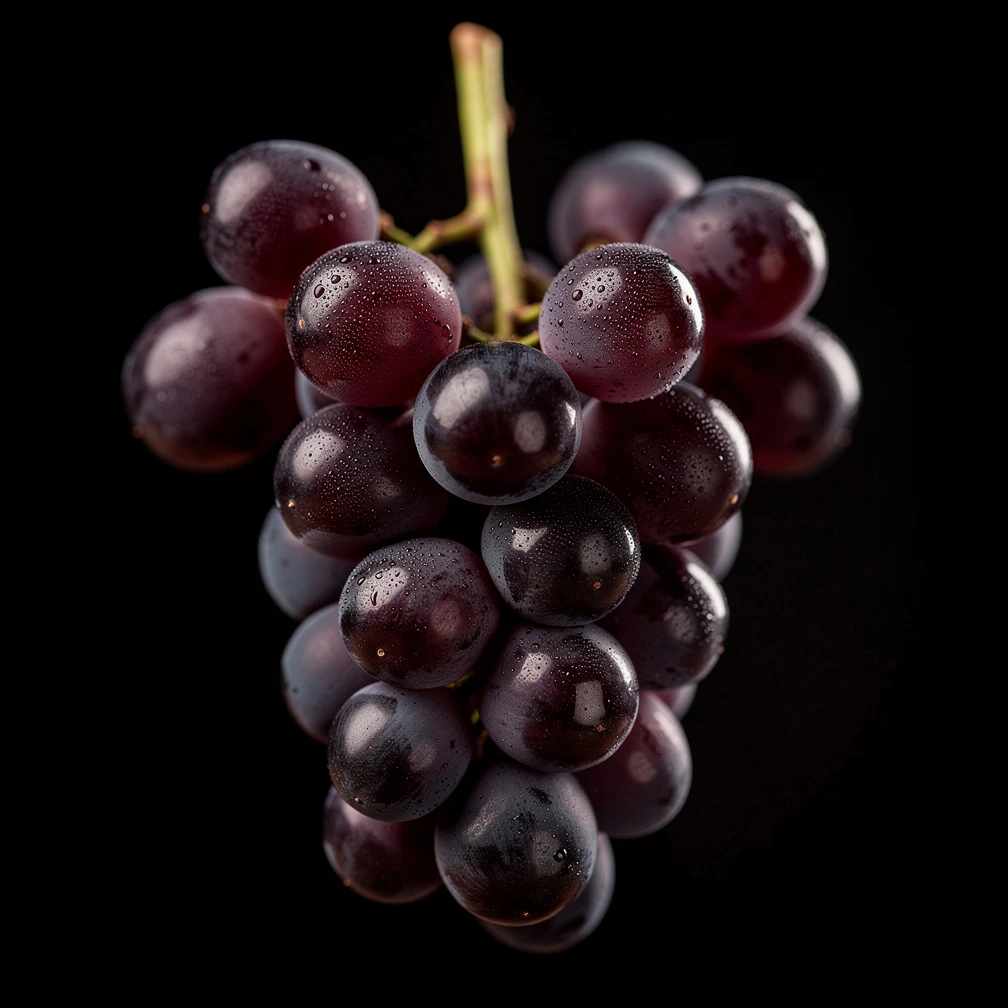
Black grape brings a rich, jammy sweetness with wine-like depth to perfumery. The note captures the succulent flesh of ripe Concord grapes, blending fruity sweetness with subtle balsamic undertones. It anchors fruity-floral compositions and adds dimension to chypre bases.
Character
How it smells
Ripe Concord grapes captured in liquid form, sweet and deeply aromatic.
Methyl anthranilate, the compound responsible for grape's distinctive scent, was first isolated in 1898 by French chemist Ernest Loub.








Origin
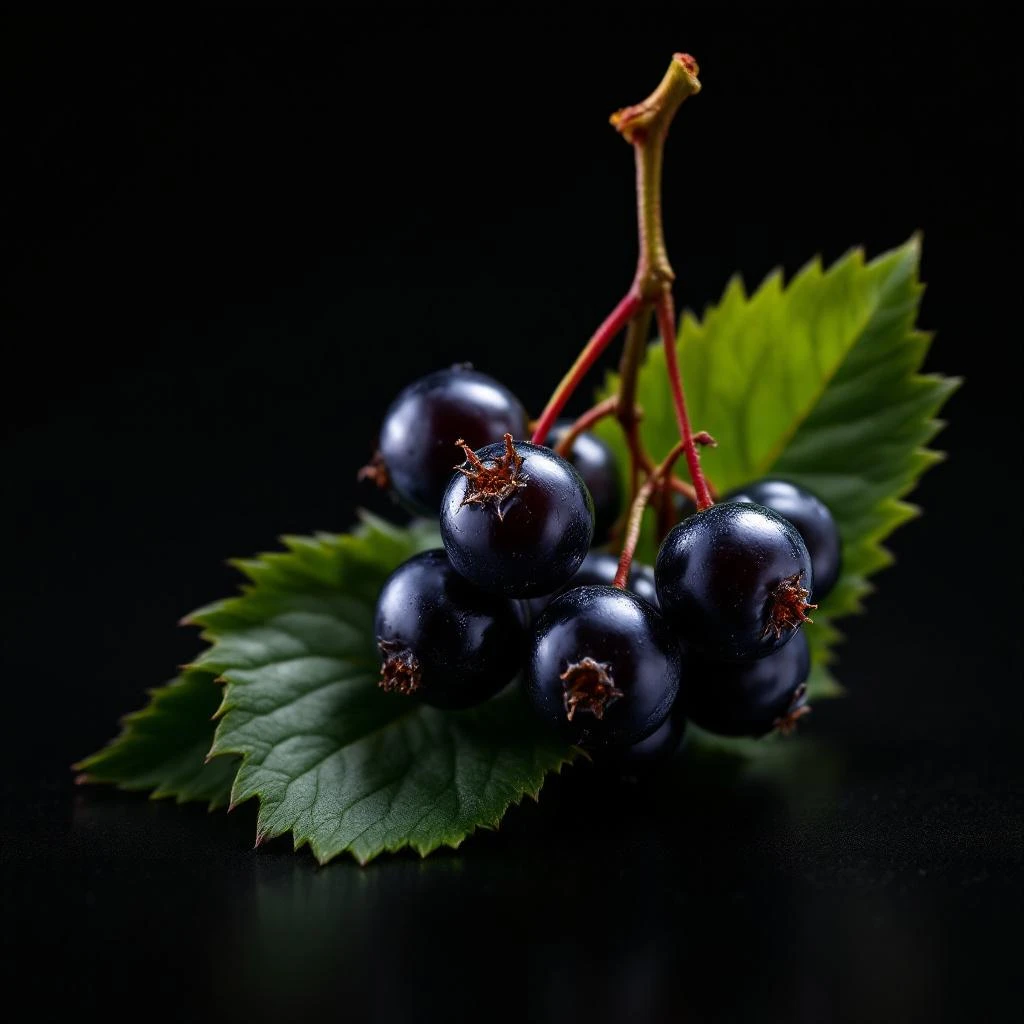
United States
The use of grapes in perfumery extends to ancient Egypt, where grape-based preparations appeared among the earliest documented fragrance formulas around 2000 BCE. Archaeological evidence from Cyprus, where the world's oldest known perfume factory operated during this period, suggests grapes were among the botanical materials processed alongside myrrh, cinnamon, and other aromatics. Greek, Roman, Persian, and Arab civilizations continued refining these early techniques over subsequent millennia.
The grape's symbolic significance in ancient cultures influenced its transition into perfumery. Dionysus, the Greek god of wine, represented the intoxicating qualities of fermented grape, and grape motifs appeared throughout Mediterranean religious and luxury contexts. Wealthy Romans used grape-scented oils and unguents, while Arab perfumers developed early distillation methods that could theoretically capture grape aromatics, though practical grape extraction remained limited until later centuries.
The modern era of grape in perfumery began with 19th-century organic chemistry breakthroughs. French chemist Ernest Loub's isolation of methyl anthranilate in 1898 provided perfumers with a key molecule to authentically recreate grape scent. Today, black grape appears prominently in fruity chypre structures, wine-aqua fragrances, and gourmand compositions, allowing contemporary perfumers to evoke the sensory memory of sun-warmed vineyards and cellar-aged vintages.
Wears it best
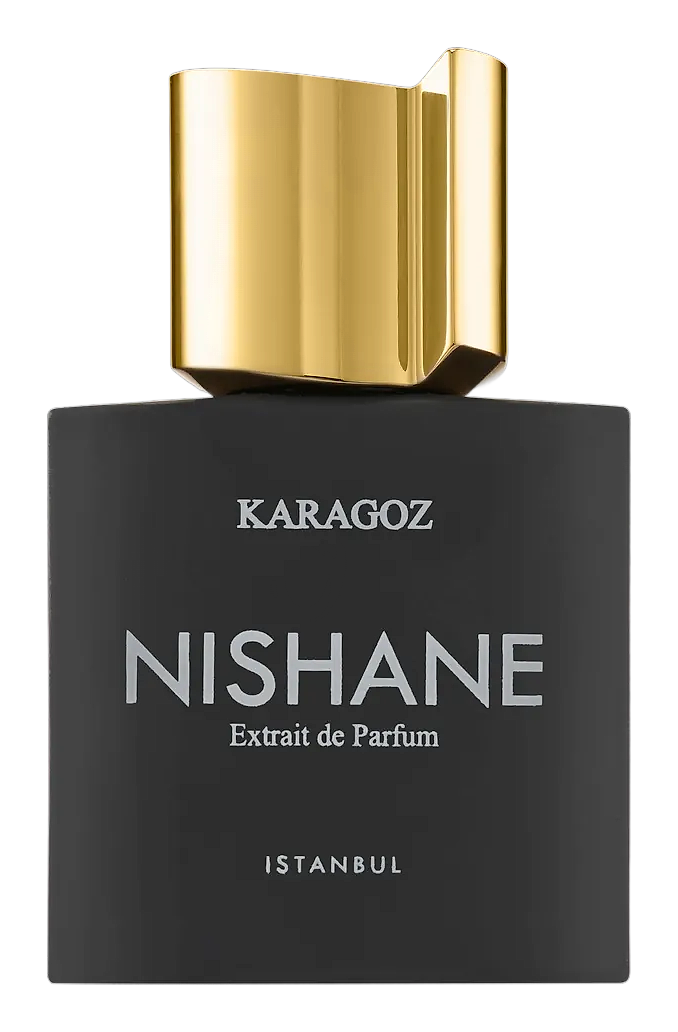
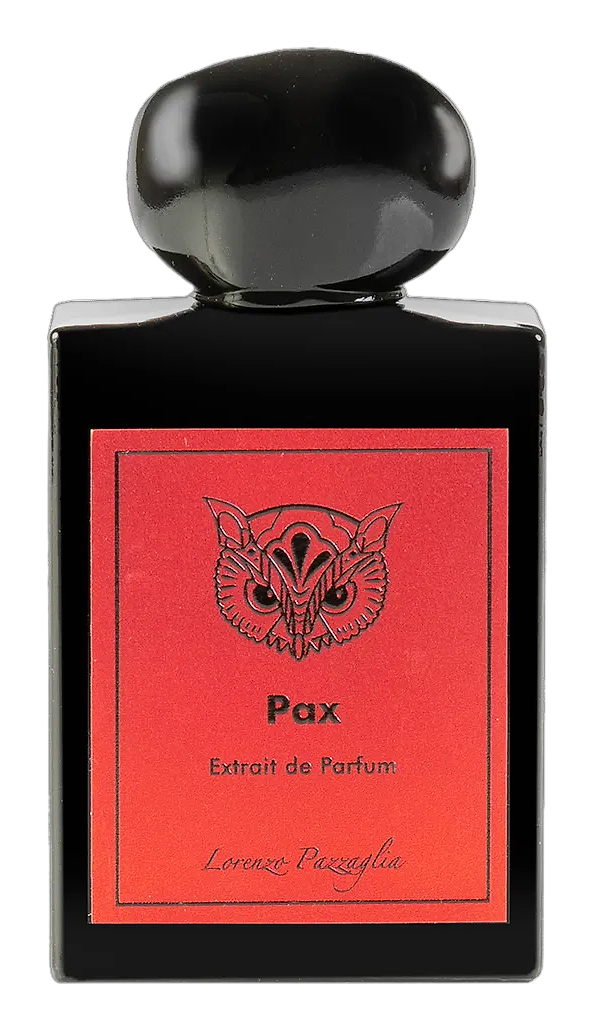
Fragrances featuring Black grape
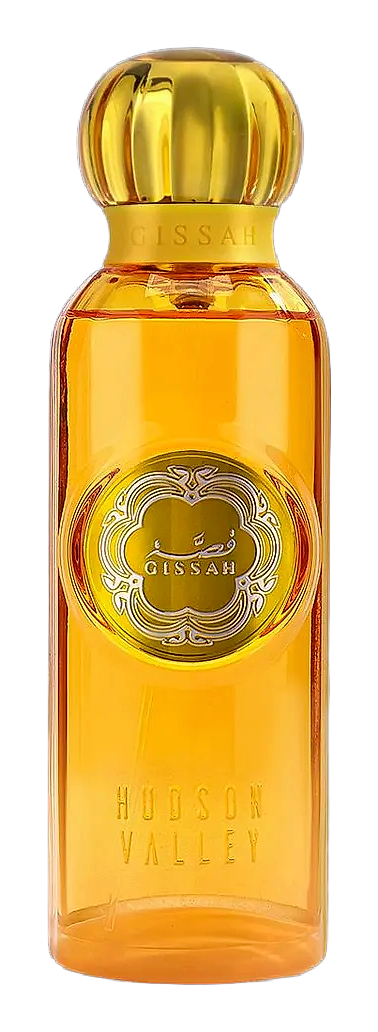
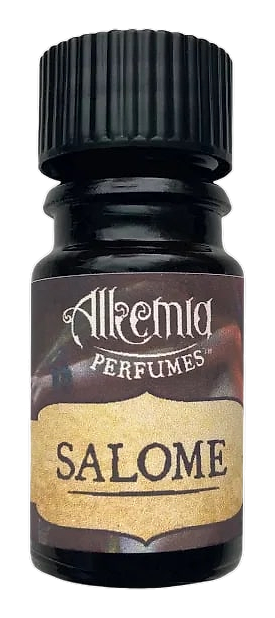
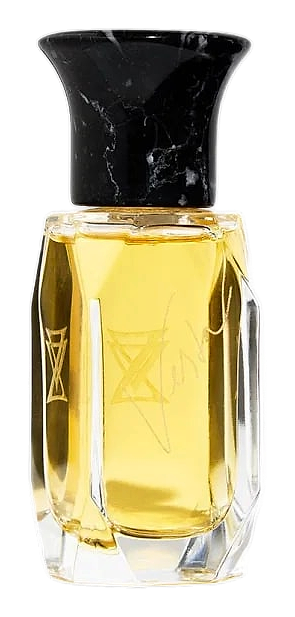
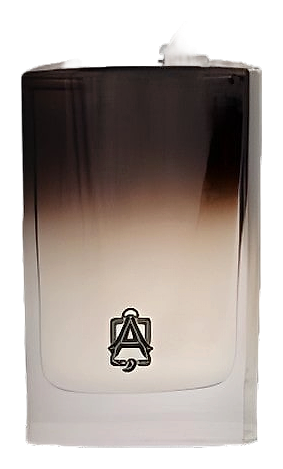
Brands
Brands known for Black grape
Good to know
Questions, answered
The essentials on Black grape in perfumery: how it smells, where it comes from, and how it behaves on skin.
What does Black grape smell like in perfume?
Black grape in perfume smells fruity, sweet, and wine-like with a characteristic jammy quality. Key compounds methyl anthranilate and cis-3-hexen-1-ol create the distinctive grapey aroma. The scent reads as ripe Concord grapes with succulent flesh and subtle balsamic undertones.
Why is Black grape used in perfumery?
Black grape adds rich fruity sweetness and wine-like depth that few other notes can replicate. It creates memorable opening sequences and pairs well with both floral and woody bases. The note triggers sensory associations with harvest seasons and vineyard landscapes.
Is Black grape in perfume natural or synthetic?
Modern black grape fragrance typically uses both natural grape isolates and synthetic reproductions. Methyl anthranilate is often synthesized for consistency, as isolating it from natural grapes yields approximately 0.1-0.2% concentration. Blending natural and synthetic sources achieves both complexity and reliability.
What famous perfumes contain Black grape?
Black grape appears in numerous fragrances including Dolce Gabbana Light Blue, Versace Versense, and various Aquallegra flankers. The note features prominently in fruity chypres and gourmand-oriental compositions where its wine-like quality adds sophistication.
Is Black grape a top note, heart note, or base note?
Black grape functions primarily as a top to heart note in most compositions, projecting strongly during the first 30 minutes to 2 hours. Its molecular volatility means it fades before heavier base materials. Concentrated absolutes can extend its presence in specialty accords.
What notes pair well with Black grape in perfume?
Black grape pairs excellently with bergamot, peony, and jasmine for fruity-floral effects. For deeper compositions, it combines well with sandalwood, amber, and musk. Green pairing with galbanum or fig leaf enhances its fresh grape character.
How is Black grape extracted?
Black grape aroma is obtained through solvent extraction of Concord grape pulp and skin, yielding a concentrated absolute. Methyl anthranilate and fruit esters are isolated or synthesized separately to create consistent fragrance materials. This method preserves delicate aromatic compounds that heat-based distillation would destroy.
Is Black grape used in men's or women's fragrances?
Black grape appears across gender categories in contemporary perfumery. It features prominently in women's fruity-floral fragrances and in gender-neutral lifestyle scents. For men's fragrances, it typically appears in fresh aquatic or spicy-fruity compositions rather than heavy oriental structures.