Black Cherry Syrup
Dark, jammy, and intensely sweet. Black cherry syrup in perfumery is a gourmand accord that captures the syrupy depth of cooked fruit, balancing sugary richness with a subtle tart edge.
Character
How it smells
Cooked fruit, bottled.
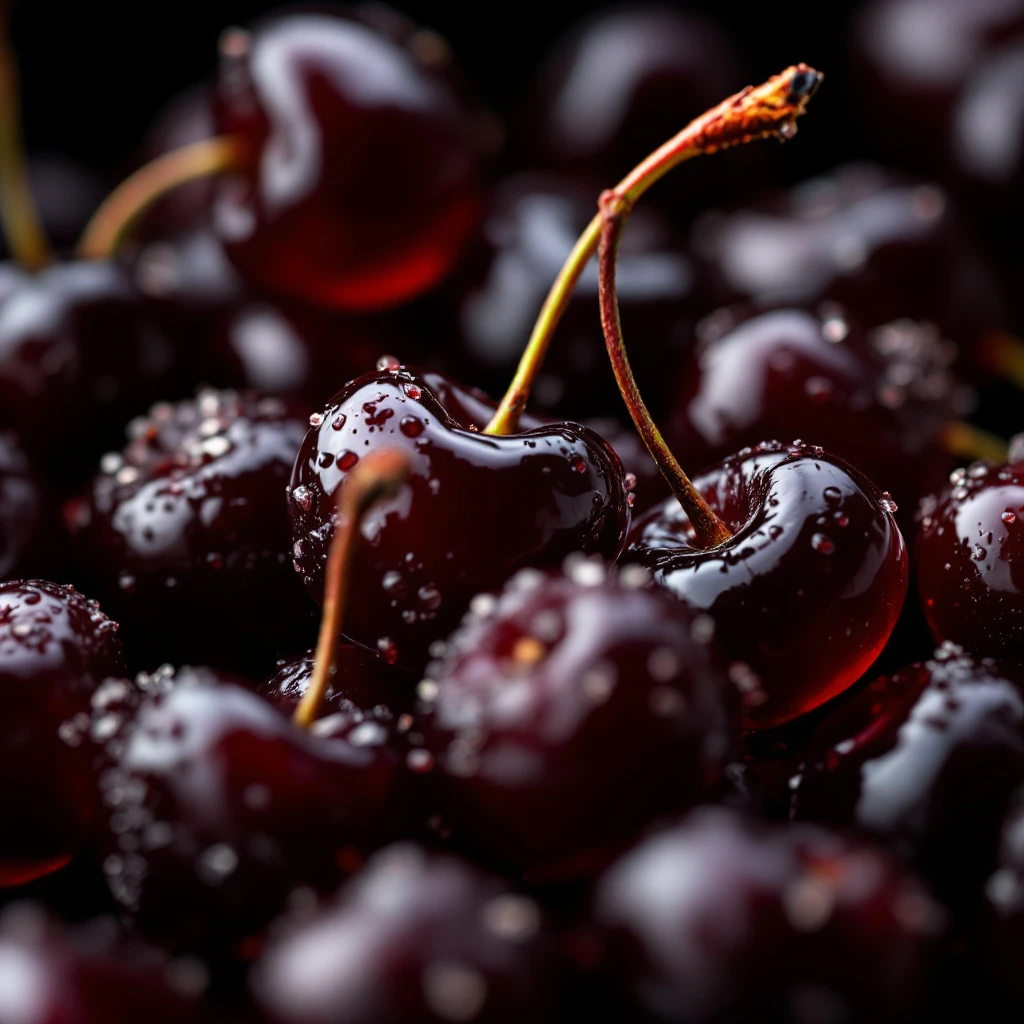
Black cherries originated in Asia Minor, between the Black and Caspian Seas, before spreading across Europe via birds dispersing seeds.
Pairs beautifully with
Origin
Turkey
The cherry tree traces its wild ancestors to the region between the Black Sea and the Caspian Sea, where birds first spread its seeds westward into Europe thousands of years ago. Cultivated sweet cherries reached Rome by 72 BCE and were carried across the empire along trade routes. By the Middle Ages, cherries had become a staple in monastery orchards throughout Europe, and preserved cherry syrups appeared in apothecary records as remedies for coughs and digestive complaints.
The familiar association between cherry and medicinal syrup likely dates to this period, when fruit syrups served as delivery systems for herbal extracts. In modern perfumery, the dark cherry accord gained momentum in the late twentieth century as gourmand compositions entered mainstream fragrance design. Louise Turner's reformulation work helped popularize almond-cherry tonalities in mass-market fragrances during the 1990s.
Today's black cherry syrup note leans heavily on synthetic reconstruction, since the delicate volatile profile of real cooked cherries resists traditional distillation.
Wears it best
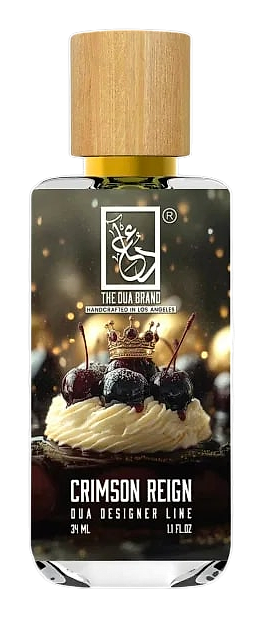
Fragrances featuring Black Cherry Syrup
Brands
Brands known for Black Cherry Syrup
Good to know
Questions, answered
The essentials on Black Cherry Syrup in perfumery: how it smells, where it comes from, and how it behaves on skin.
What does black cherry syrup smell like in perfume?
Black cherry syrup in perfumery reads as dark, jammy, and intensely sweet, with a cooked-fruit richness and a faint tart edge. It carries hints of bitter almond from natural benzaldehyde and warmth from vanilla and caramel furanones. The overall impression is confectionary rather than fresh fruit.
Is black cherry syrup a natural or synthetic note?
Almost always synthetic. Natural cherries yield very little essential oil, and their delicate aroma compounds degrade under heat. Perfumers reconstruct the note using benzaldehyde, fruity esters, vanillin, and furanones blended into an accord.
Why does black cherry sometimes smell like cough syrup?
Cherry and medicinal syrups share historical roots in European apothecaries, where fruit syrups carried herbal extracts. Today, the overlap comes from shared aroma chemicals, particularly benzaldehyde and certain esters used in both flavoring and pharmaceutical syrups.
Where do black cherries originally come from?
Black cherries trace their wild ancestry to Asia Minor, specifically the region between the Black Sea and the Caspian Sea in modern-day Turkey. Birds dispersed seeds westward, and cultivated varieties later spread across Europe and eventually the world.
What other notes pair well with black cherry syrup?
Black cherry syrup pairs naturally with bitter almond, vanilla, tonka bean, and sandalwood for warmth. It also lifts beautifully alongside rum, cinnamon, and rose, which sharpen the jammy character and add aromatic complexity.
Is black cherry syrup different from maraschino cherry?
Yes. Maraschino cherry notes lean toward the bright, almond-laced character of preserved fruit in liqueur, often featuring sour cherry distillates. Black cherry syrup reads darker, sweeter, and more cooked, leaning on vanillin and caramel-like furanones.
Can black cherry syrup be extracted as an essential oil?
Not practically. Cherries contain over 90 percent water and produce negligible amounts of volatile oil through steam distillation. Commercial cherry notes are built through solvent extraction of the fruit or entirely synthetic reconstruction.
When did cherry notes become popular in perfumery?
Cherry accords gained widespread popularity in the late twentieth century alongside the rise of gourmand fragrances. Reformulation work in the 1990s, including contributions from perfumer Louise Turner, helped establish cherry as a mainstream fruity note.





