Bee Pollen
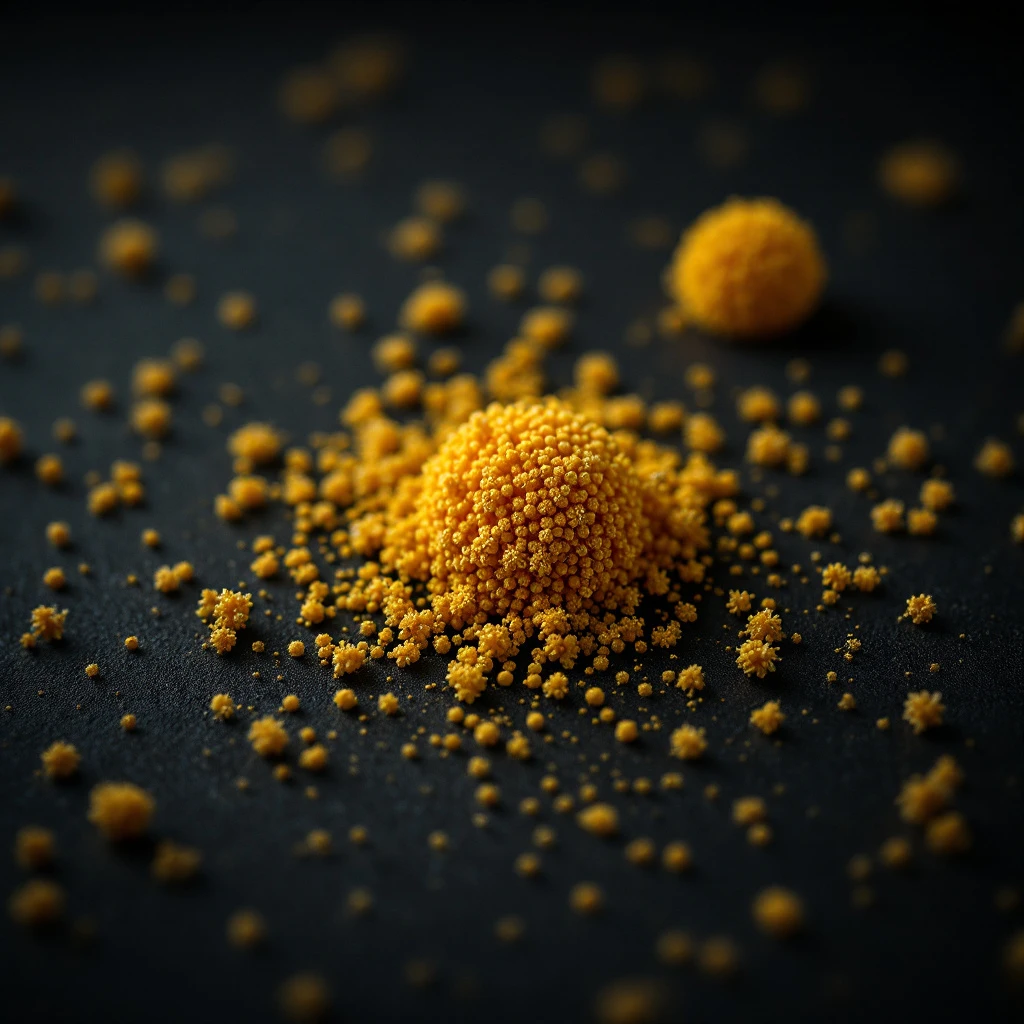
Bee pollen in perfumery is a reconstructed note, not a direct extract. Perfumers build its warm, golden character from coumarin-rich hay, powdery-dusty elements, and light floral terpenes to evoke that distinctive meadow-gathered scent.
Character
How it smells
Golden grains, borrowed warmth.
Despite its name, bee pollen never enters the perfumer's organ as a raw ingredient. The entire note is an artistic reconstruction using compounds like coumarin and floral terpenes to mimic its honeyed, dusty sweetness.
Pairs beautifully with


Origin
France
Bees and their pollen harvests have fascinated humans since antiquity. Egyptian tomb paintings from around 2,000 BC depict beekeeping scenes, though these early apiaries served food, medicinal, and ritual purposes rather than perfumery. The ancient Egyptians mastered cold maceration and hot enfleurage to capture scent in fatty bases, yet they worked primarily with floral resins, woods, and balms.
The aromatic compounds that perfumers now use to evoke bee pollen, particularly coumarin, entered Western perfumery much later. Coumarin was isolated from tonka beans in 1820 and soon became a cornerstone of the Fougère family after its appearance in Houbigant's Fougère Royale in 1882. The conceptual leap from tonka hay notes to a full 'bee pollen' accord came with 20th-century perfumery's increasing fascination with textural, gourmand-adjacent compositions.
Modern perfumers seeking to capture the sensory memory of golden pollen dust on a summer flower petal assemble these historical building blocks into something entirely new, a note that exists only in the perfume bottle.
Wears it best
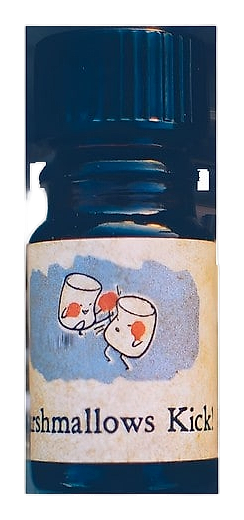
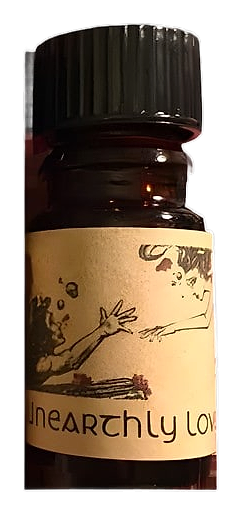
Fragrances featuring Bee Pollen
Brands
Brands known for Bee Pollen
Good to know
Questions, answered
The essentials on Bee Pollen in perfumery: how it smells, where it comes from, and how it behaves on skin.
Is bee pollen a real perfume ingredient?
No. Bee pollen is not used as a direct fragrance material. The note is reconstructed by perfumers using coumarin from hay or tonka, powdery iris compounds, and light floral terpenes to mimic its honeyed, dusty character.
What does bee pollen smell like in perfume?
The note reads warm, sweet, and slightly powdery with golden honey tones. Coumarin provides the hay-like sweetness, while dusty iris notes add a dry, granular texture reminiscent of pollen dust on flower petals.
Which perfumes feature a bee pollen note?
Several niche and artisanal houses have explored pollen-themed compositions. The note appears more frequently in indie perfumery than in mainstream launches, often paired with honey, hay, or beeswax accords.
Why don't perfumers use actual bee pollen?
Raw bee pollen is a biological food product containing proteins and sugars that are unstable, allergenic, and unsuitable for distillation or extraction. Reconstructing the scent from aromatic compounds avoids these practical problems.
Is the bee pollen note natural or synthetic?
It is a synthetic-natural hybrid. The individual building blocks like coumarin and linalool can be isolated from natural sources, but the note itself is an artistic reconstruction assembled in the perfumer's studio.
When was coumarin, the base of this note, discovered?
Coumarin was first isolated from tonka beans in 1820. It became a foundational perfumery material after its use in Houbigant's Fougère Royale in 1882, which launched the entire Fougère fragrance family.
Does bee pollen work well with other notes?
Yes. It pairs naturally with honey, propolis, hay, and beeswax for gourmand compositions, or with iris, violet, and white florals to amplify its powdery-dusty dimension in more abstract formulations.
Can people with bee allergies wear bee pollen perfumes?
Generally yes, since the note contains no actual bee pollen proteins. The reconstructed accord uses coumarin and terpenes. However, anyone with severe allergies should review the full ingredient list with a qualified professional.