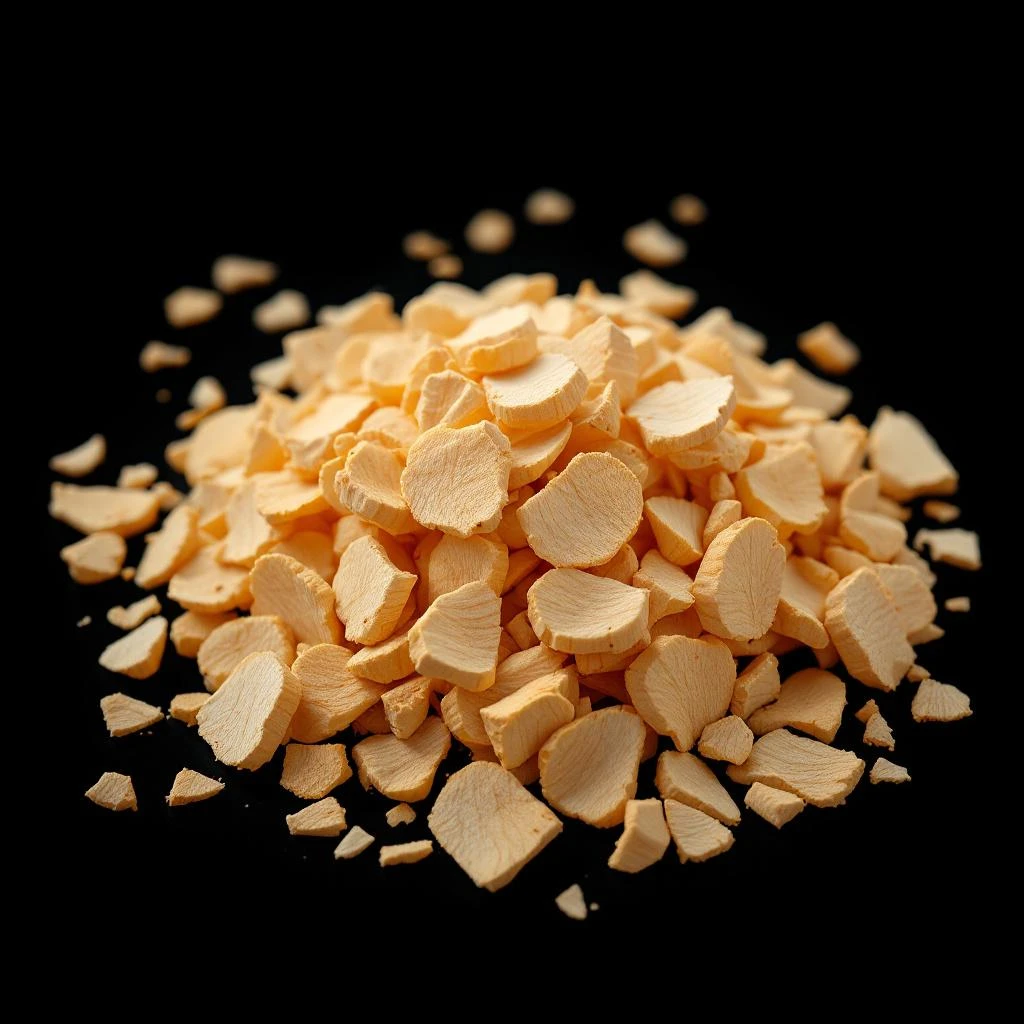
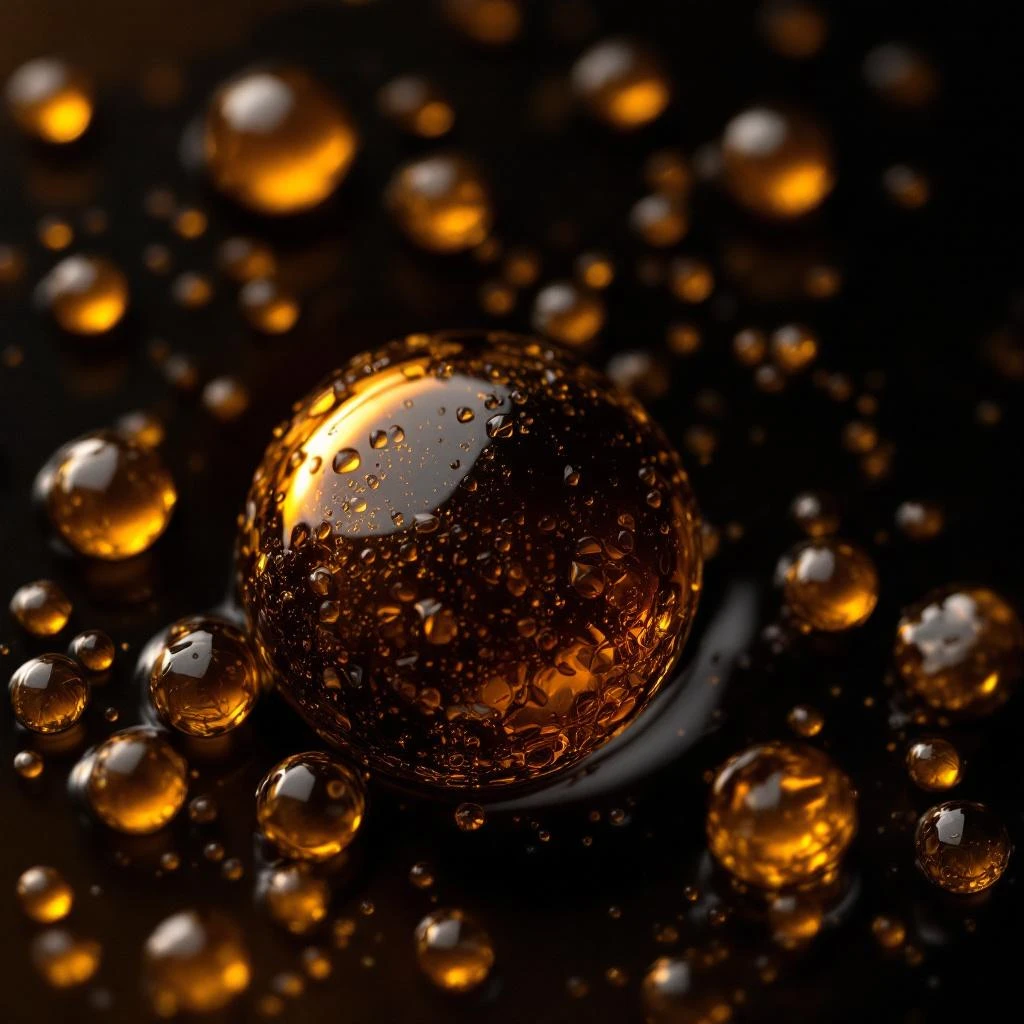
Balms
Balms are semi-solid, resinous materials that bring warmth, depth, and a sweet, honey-like quality to fragrances. They anchor compositions with their rich, enveloping presence.
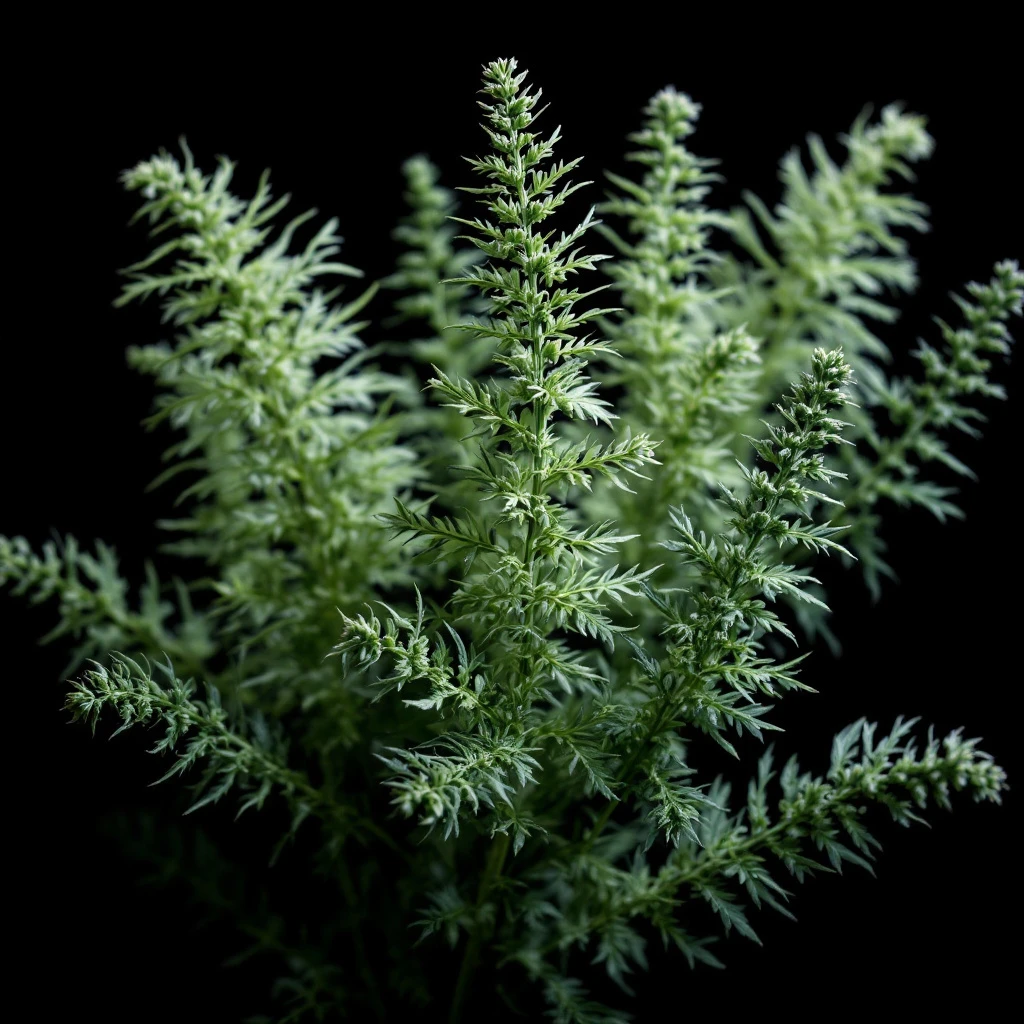
Character
How it smells
Ancient warmth captured in scent.
Ancient Egyptians stored precious fragrances in fats, creating the first balms that could be worn and preserved for rituals and daily adornment.
Pairs beautifully with


Origin
Laos
The Egyptians developed one of the earliest fragrance preservation methods by infusing aromatic plant materials into fats, creating balms that could maintain their scent over extended periods. These preparations served both religious purposes and personal grooming, with priests and royalty using them for temple ceremonies and daily adornment.
Hieroglyphic records from around 3000 BCE document scented balms applied to wigs, garments, and skin. Trade routes eventually spread these prized resinous materials across the Mediterranean, where Greek and Roman perfumers adopted and refined Egyptian techniques.
By the medieval period, apothecaries across Europe stocked balsams for both medicinal and fragrant purposes. Today, balms remain foundational to oriental and amber fragrance families, prized for their warm, enveloping qualities that lend remarkable longevity to compositions.
Wears it best
Fragrances featuring Balms
Brands
Brands known for Balms
Good to know
Questions, answered
The essentials on Balms in perfumery: how it smells, where it comes from, and how it behaves on skin.
What are fragrance balms?
Fragrance balms are semi-solid resinous materials derived from trees, producing warm, sweet, and slightly vanillic notes. They serve as fixatives in perfume compositions, lending depth and exceptional longevity to fragrances.
What does a balm note smell like?
Balms offer warm, honeyed, and resinous scents with subtle vanilla and benzoin undertones. Peru balsam brings sweet, cinnamon-like warmth, while benzoin delivers rich, vanillic depth. Each variety has distinct characteristics.
Which fragrance families use balms?
Balms appear most often in oriental and amber families, where their warmth and fixative properties are essential. They also show up in fougère, chypre, and certain woody compositions seeking resinous depth.
Are natural balms harvested sustainably?
Responsible harvesting involves controlled tapping that allows trees to heal and regenerate. Ethical suppliers ensure the trees remain healthy while producing consistent yields of high-quality resin year after year.
Can balms be created synthetically?
Biotech-derived alternatives now replicate key aromatic compounds found in natural balms. These synthetics offer consistency and sustainability, though natural balms remain prized for their complex, multi-layered profiles.
How do perfumers use balm materials?
Perfumers typically dilute balms in alcohol or oil to create tinctures for easier blending. They measure these tinctures carefully, as balms are potent ingredients that can overwhelm lighter notes if used carelessly.
What distinguishes balms from essential oils?
Balms are semi-solid at room temperature, while essential oils are fully liquid. Balms contain larger aromatic molecules that evaporate slowly, creating their characteristic fixative effect and long-lasting drydown.
How long does a balm note last on skin?
The balm note typically remains detectable on skin for 6-8 hours, considerably longer than most floral or citrus materials. Their resinous, tenacious nature makes them ideal for fragrances requiring extended wear.