Autumn Crocus
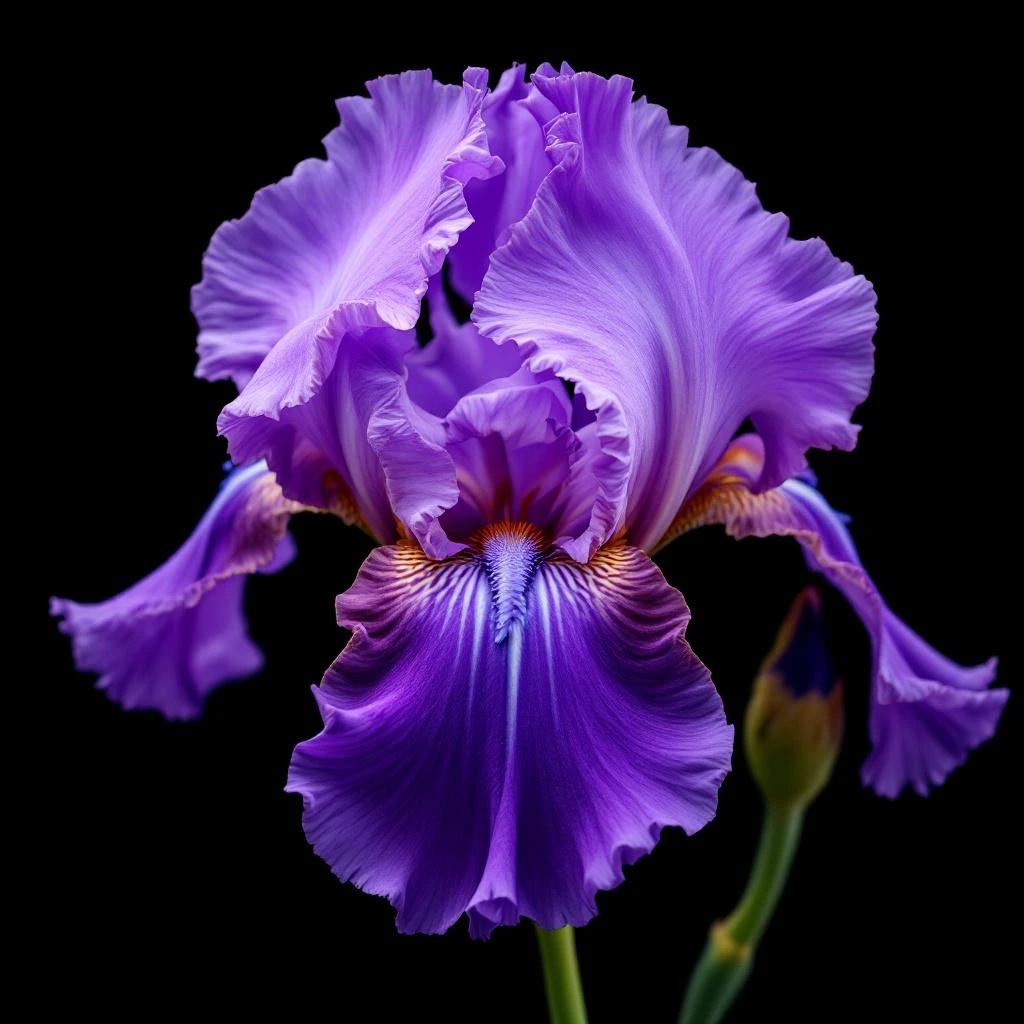
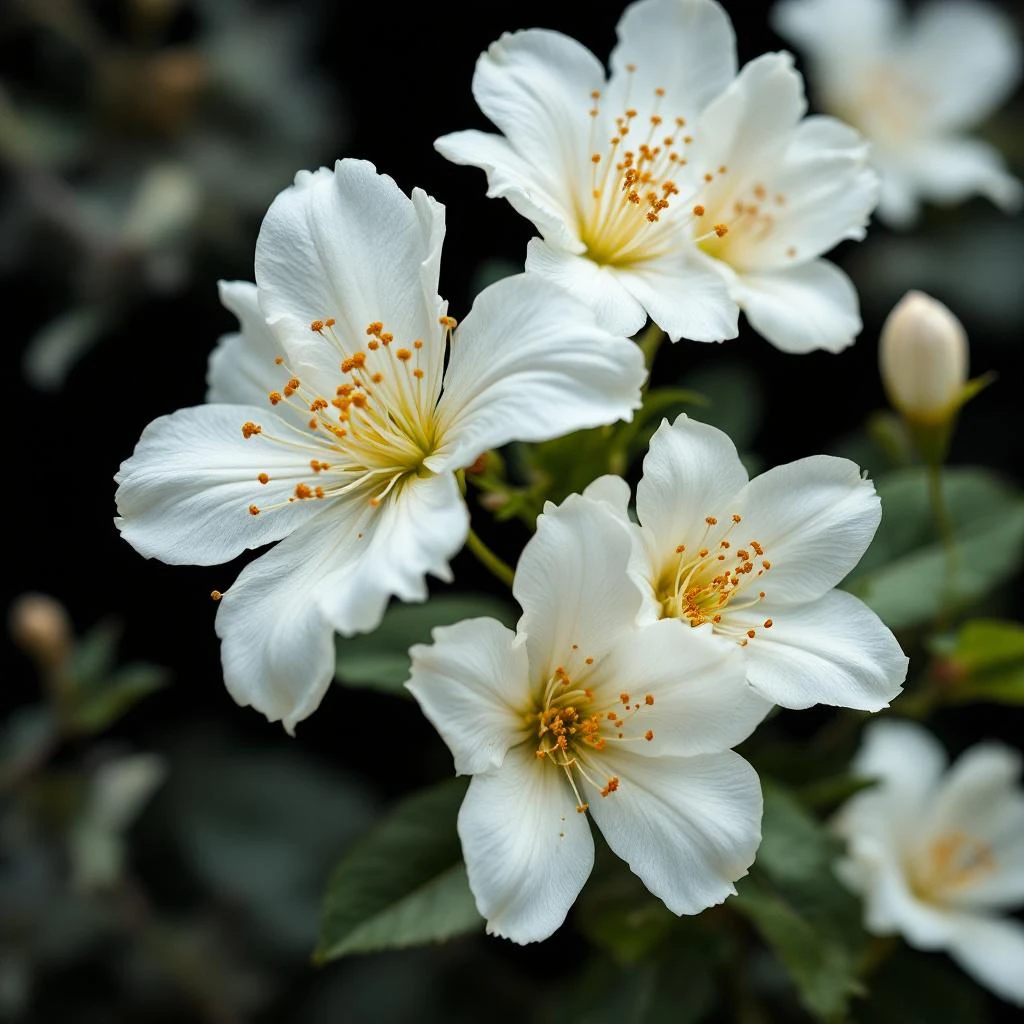
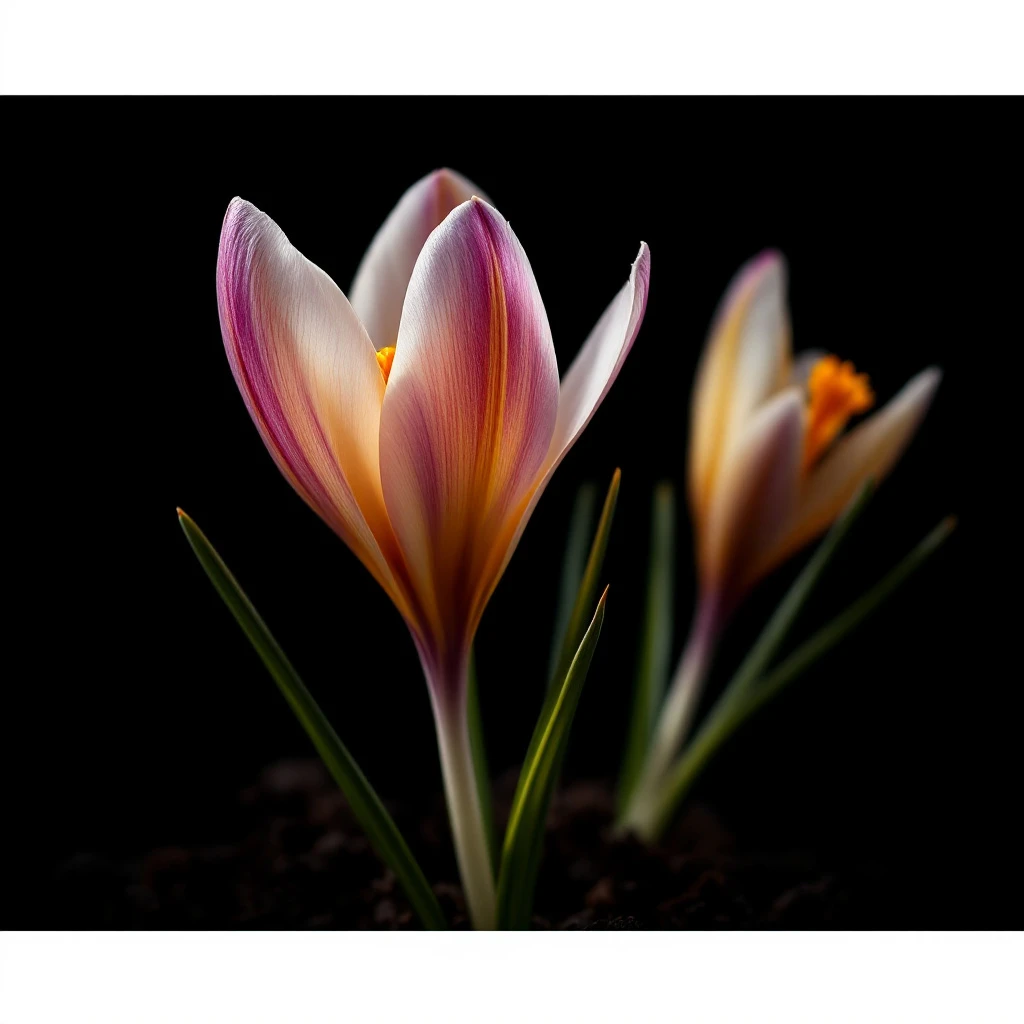
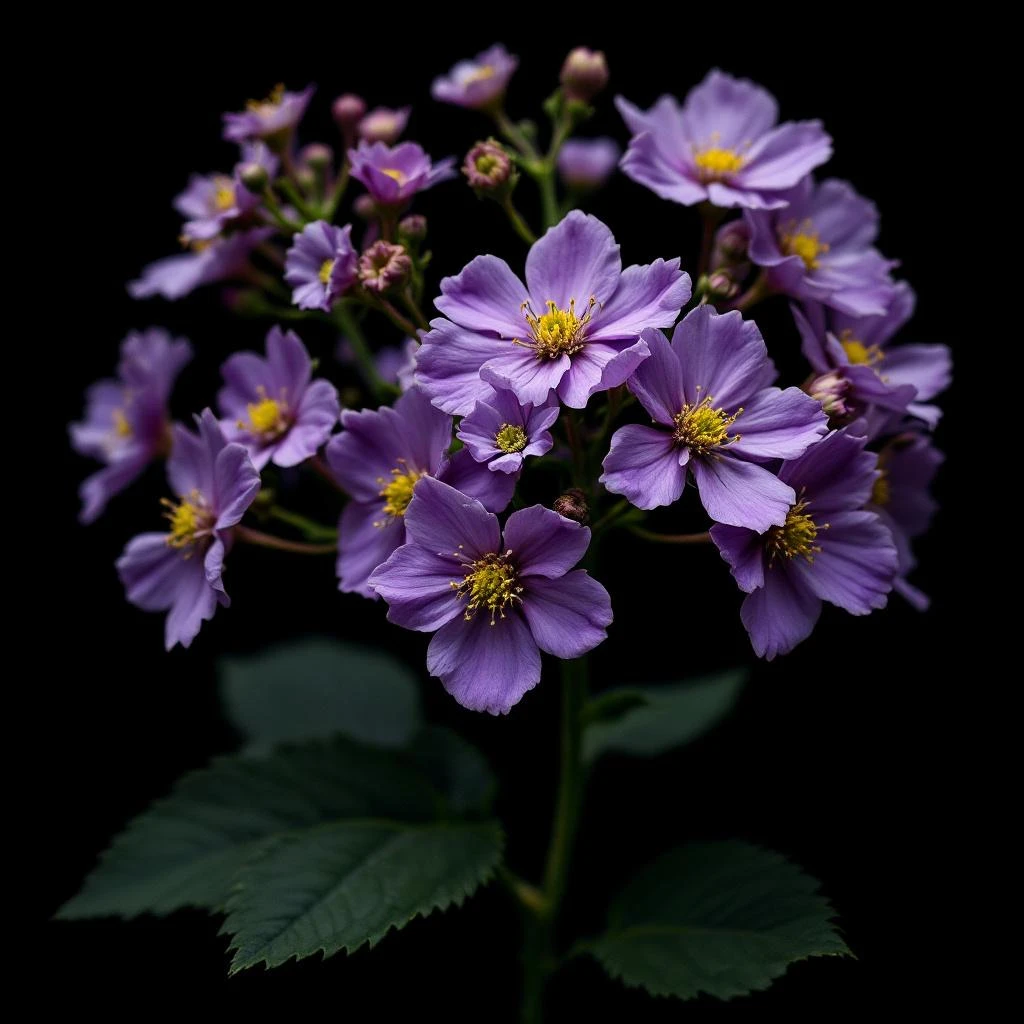
A paradox of late-blooming beauty. Autumn Crocus earns its 'naked ladies' nickname by flowering sans leaves, carpeting damp meadows in violet-lilac just as summer fades. In perfumery, it brings an austere floralcy rarely encountered.
Character
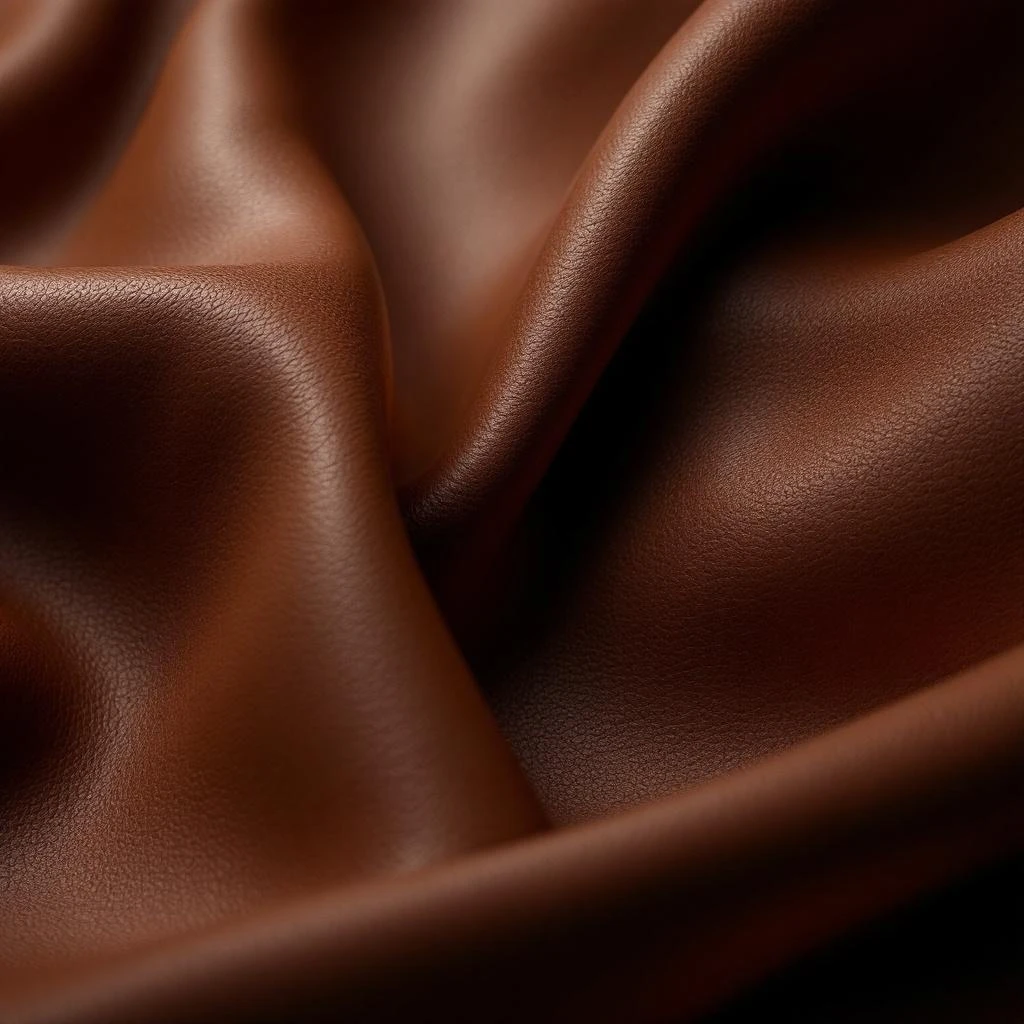
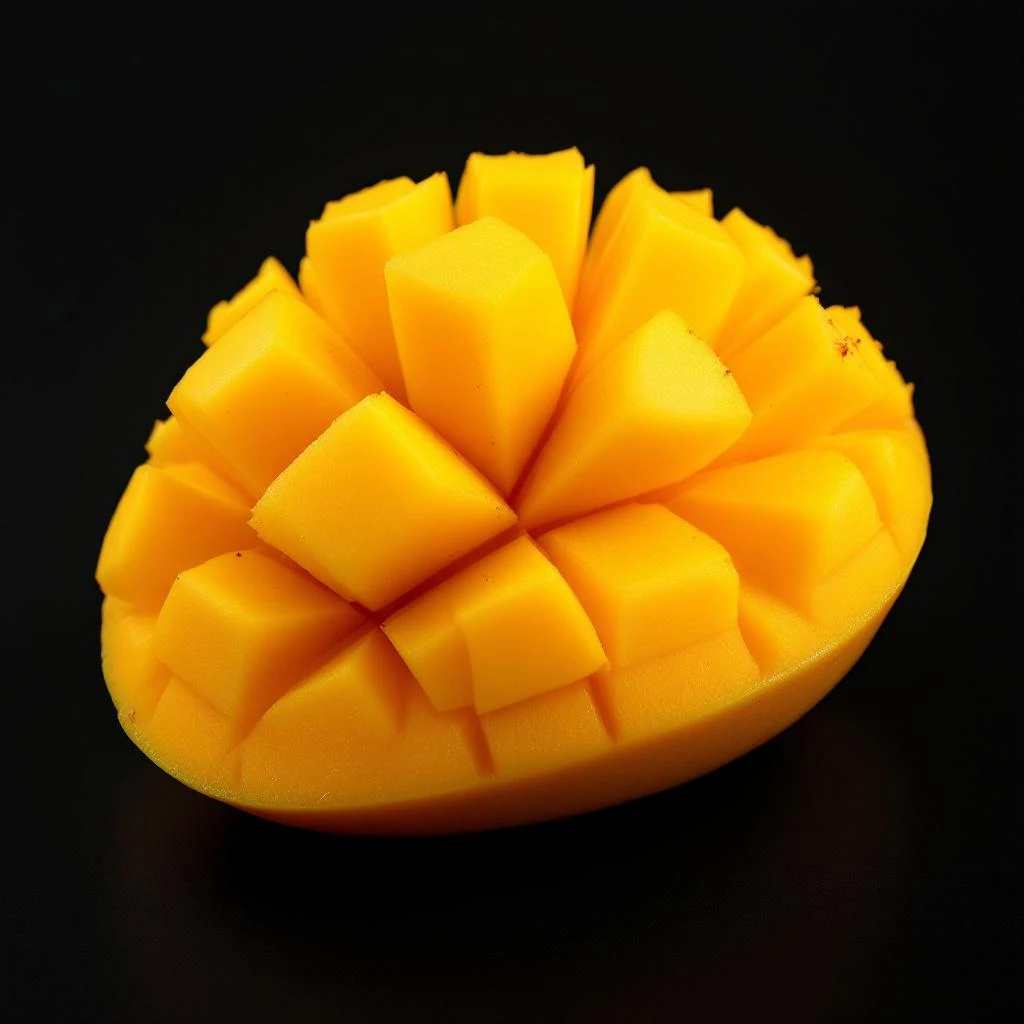
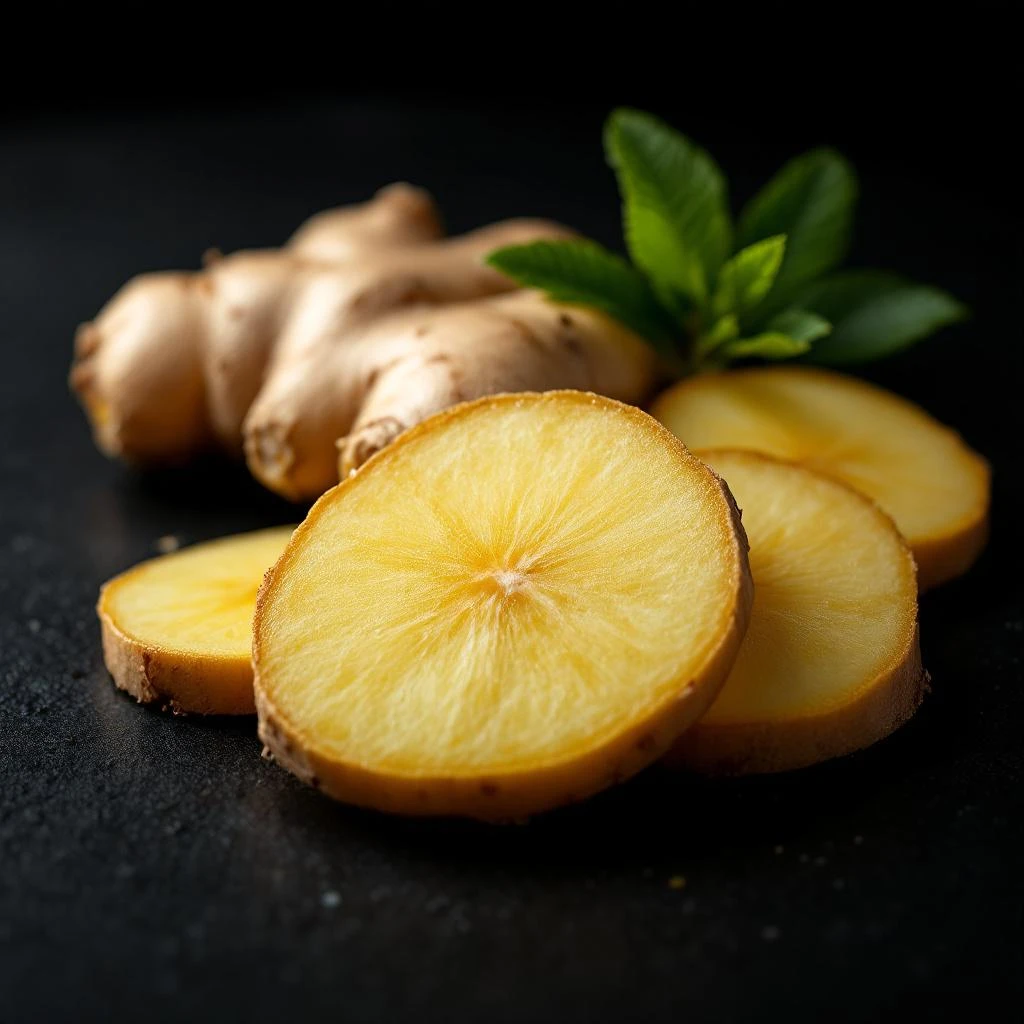
How it smells
Autumn's fleeting violet bloom, captured in fragrance.
Autumn Crocus contains colchicine, a compound so potent that the plant once served as a tool for assassinations in ancient Persia.



Origin
Europe
The Autumn Crocus has grown in European meadows since antiquity, though it was never prized for fragrance by ancient civilizations. Physicians in classical Greece observed its peculiar behavior: the plant would send up flowers in autumn, seed the following spring, then produce leaves only in summer, cycling through seasons in reverse order.
This botanical oddity earned it a place in medicinal texts rather than perfumery records. Medieval herbalists used minute, carefully measured doses to treat gout and rheumatism, understanding both its power and peril.
The name 'meadow saffron' occasionally confused it with the true Crocus sativus, though the two plants share neither family nor safety profile. Today, Autumn Crocus remains a footnote in fragrance history, appearing rarely as a reference point for certain austere, late-season floral accords.
Wears it best
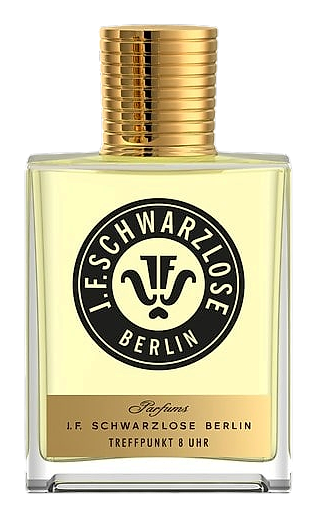
Fragrances featuring Autumn Crocus
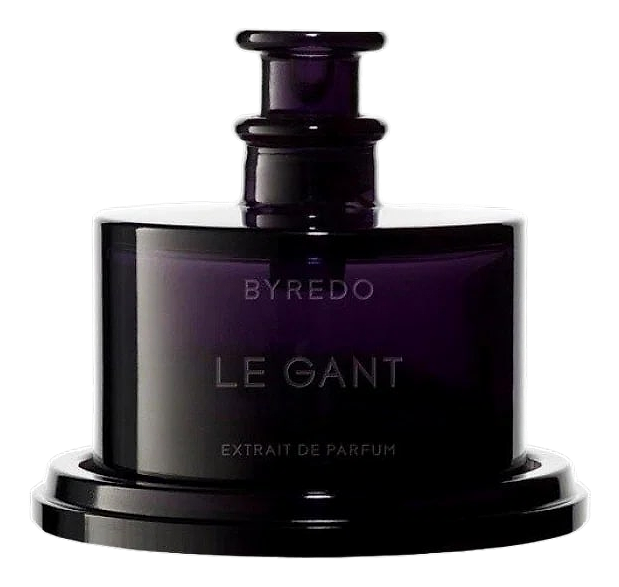
Brands
Brands known for Autumn Crocus
Good to know
Questions, answered
The essentials on Autumn Crocus in perfumery: how it smells, where it comes from, and how it behaves on skin.
Is Autumn Crocus used directly in perfume?
No. Due to extreme toxicity, natural Autumn Crocus is not used in perfumery. Synthetic reproductions capture the scent profile without any safety risk.
What does synthetic Autumn Crocus smell like?
It offers a restrained floral note with honeyed undertones and an austere, mineral quality reminiscent of late-season meadows and damp earth.
Why is Autumn Crocus called 'naked ladies'?
The plant produces flowers in autumn without any accompanying leaves. The blossoms emerge from bare soil, earning this evocative nickname.
Is Autumn Crocus related to saffron?
No. Despite being called 'meadow saffron,' Autumn Crocus belongs to a different plant family entirely and contains completely different compounds.
What toxic compound does Autumn Crocus contain?
The plant contains colchicine, a potent alkaloid that disrupts cell division. Ingestion can cause severe poisoning, organ failure, and death.
Where does Autumn Crocus grow naturally?
It thrives in damp meadows and woodland edges across Central and Southern Europe, typically flowering from September through November.
Has Autumn Crocus been used historically in perfumery?
No significant historical use exists. It appears only as a rare modern reference note for specific austere, late-season floral accords.
Are there any safe medicinal uses for Autumn Crocus?
Pharmaceutical-grade colchicine, derived from the plant under strict controls, treats gout and familial Mediterranean fever. Self-medication is extremely dangerous.