Australian pink pepper
Australian pink pepper brings a bright, effervescent spice from the antipodes. Harvested from Schinus molle trees thriving in Australia's warm climates, this modern perfumery staple offers a cooler, fruitier character than traditional peppercorns. A botanical impostor in the most elegant sense.
Character
How it smells
A bright antipodean spice with cool, fruity elegance.
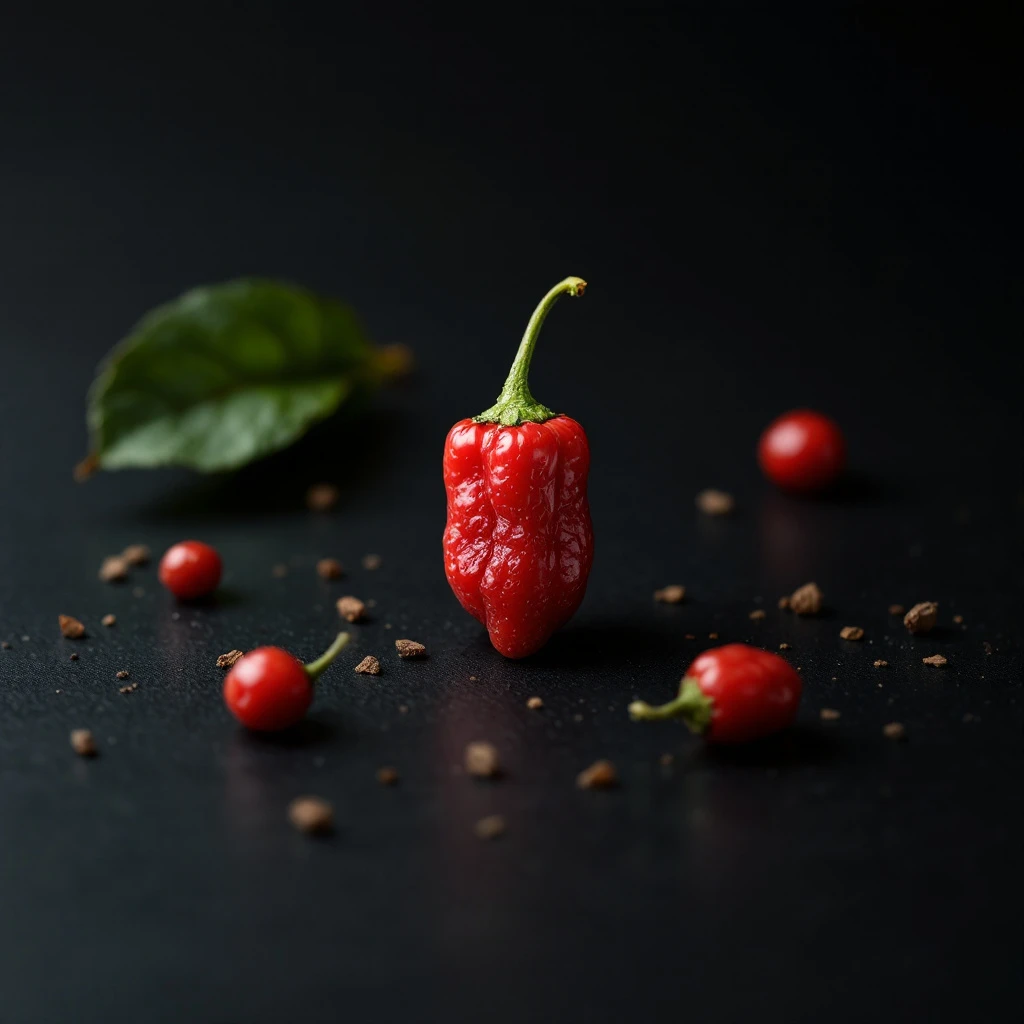
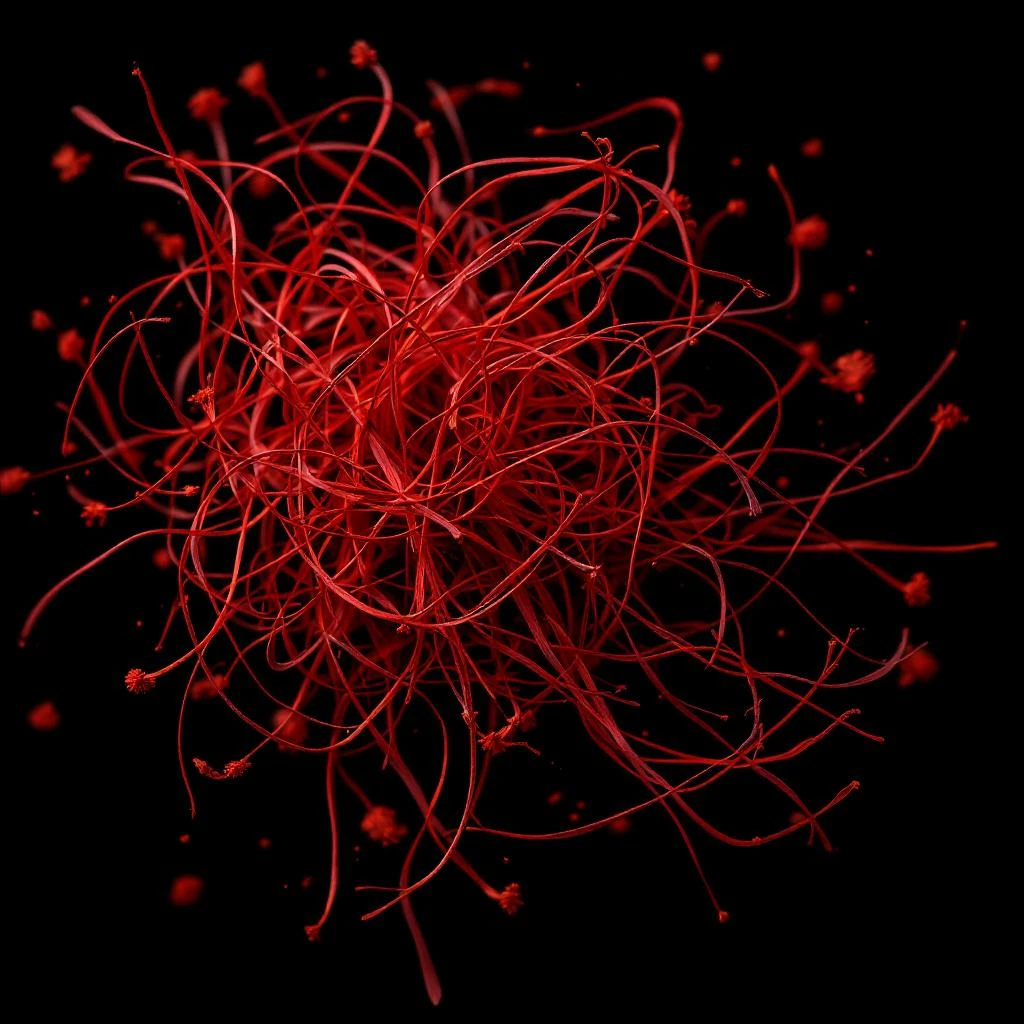
Despite its name, Australian pink pepper belongs to the same family as mangoes and cashews—not true peppercorns. The aromatic berries are actually the dried fruit of the Brazilian pepper tree.




Origin
Australia
The Brazilian pepper tree (Schinus molle) traces its roots to South America, particularly Peru and Brazil, where indigenous peoples used the plant in traditional medicine for centuries. Early European settlers brought Schinus molle seeds to Australia in the 19th century, where the trees adapted remarkably well to the varied climates across the continent. The plant naturalized across warm regions from Queensland to South Australia, where it became known as both an ornamental and a commercial crop.
Australian perfumers began exploring the native-grown berries in the early 2000s as part of a broader movement toward local botanicals and sustainable fragrance production. Today, Australia ranks among significant producers of pink pepper for the fragrance industry, with plantations concentrated in subtropical coastal regions. The ingredient gained momentum as perfumers sought lighter, more versatile spice notes that departed from traditional warming spices.
Pink pepper now appears in countless contemporary fragrances, valued for its ability to add sparkle and freshness without overwhelming a composition.
Wears it best
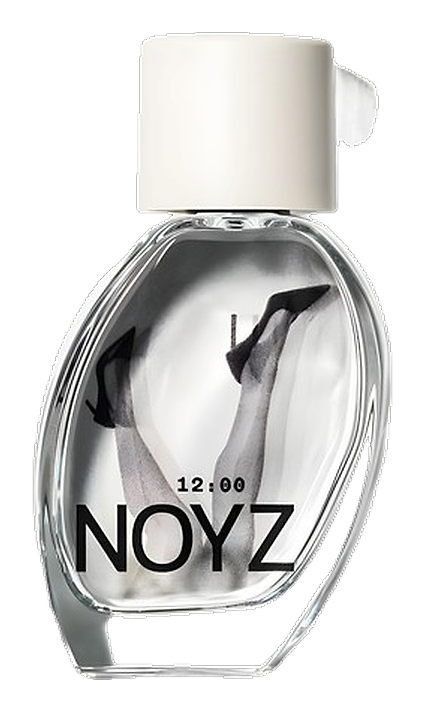
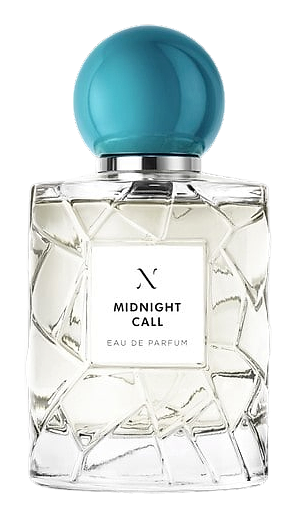
Fragrances featuring Australian pink pepper
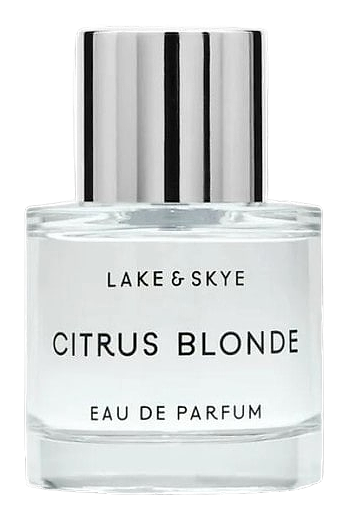


Brands
Brands known for Australian pink pepper
Good to know
Questions, answered
The essentials on Australian pink pepper in perfumery: how it smells, where it comes from, and how it behaves on skin.
What makes Australian pink pepper different from other pink pepper varieties?
Australian pink pepper comes from Schinus molle trees cultivated in Australia's warm coastal regions. The terroir produces berries with a brighter, slightly more citrusy character compared to South American sources.
Is pink pepper actually related to black pepper?
No. Pink pepper (Schinus molle) belongs to the Anacardiaceae family alongside mangoes and cashews. True black, white, and green pepper come from Piper nigrum, an entirely different plant genus.
How is pink pepper oil extracted for perfumery?
The two primary methods are steam distillation and solvent extraction. Steam distillation produces essential oil; solvent extraction yields an absolute with more concentrated aromatics. Both capture pink pepper's characteristic fresh-spicy scent.
What role does pink pepper play in fragrance compositions?
Pink pepper typically functions as a top or heart note. It adds sparkling, spicy volume while bridging fresh citrus and warm woody elements. Perfumers use it to create lift and energy without heaviness.
Does Australian pink pepper have sustainability certifications?
Many Australian producers operate under sustainable farming practices, though certification varies by supplier. Australia has strong agricultural regulations and traceability systems that support responsible sourcing.
How does pink pepper smell compared to other spices?
Pink pepper offers sweet, aromatic spice with fruity and citrus undertones. Unlike warming black pepper, it registers as cooler and more delicate. The scent has been described as fresh and clean despite its red, berry-like appearance.
Which fragrance families commonly feature pink pepper?
Pink pepper appears frequently in fresh woody, aromatic, and floral fragrances. It works across gender categories and has become especially popular in modern citrus and aquatic compositions since the 2000s.
Is pink pepper safe to use in cosmetic and skin care products?
Pink pepper oil has been evaluated by fragrance safety organizations and is generally considered safe for cosmetic use at standard dilutions. It does not require the restrictions that apply to certain other spice derivatives.