The Story
Why it exists.
The beginning
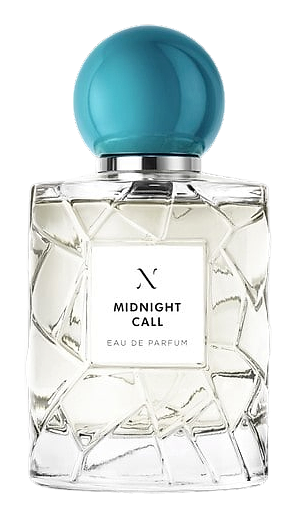
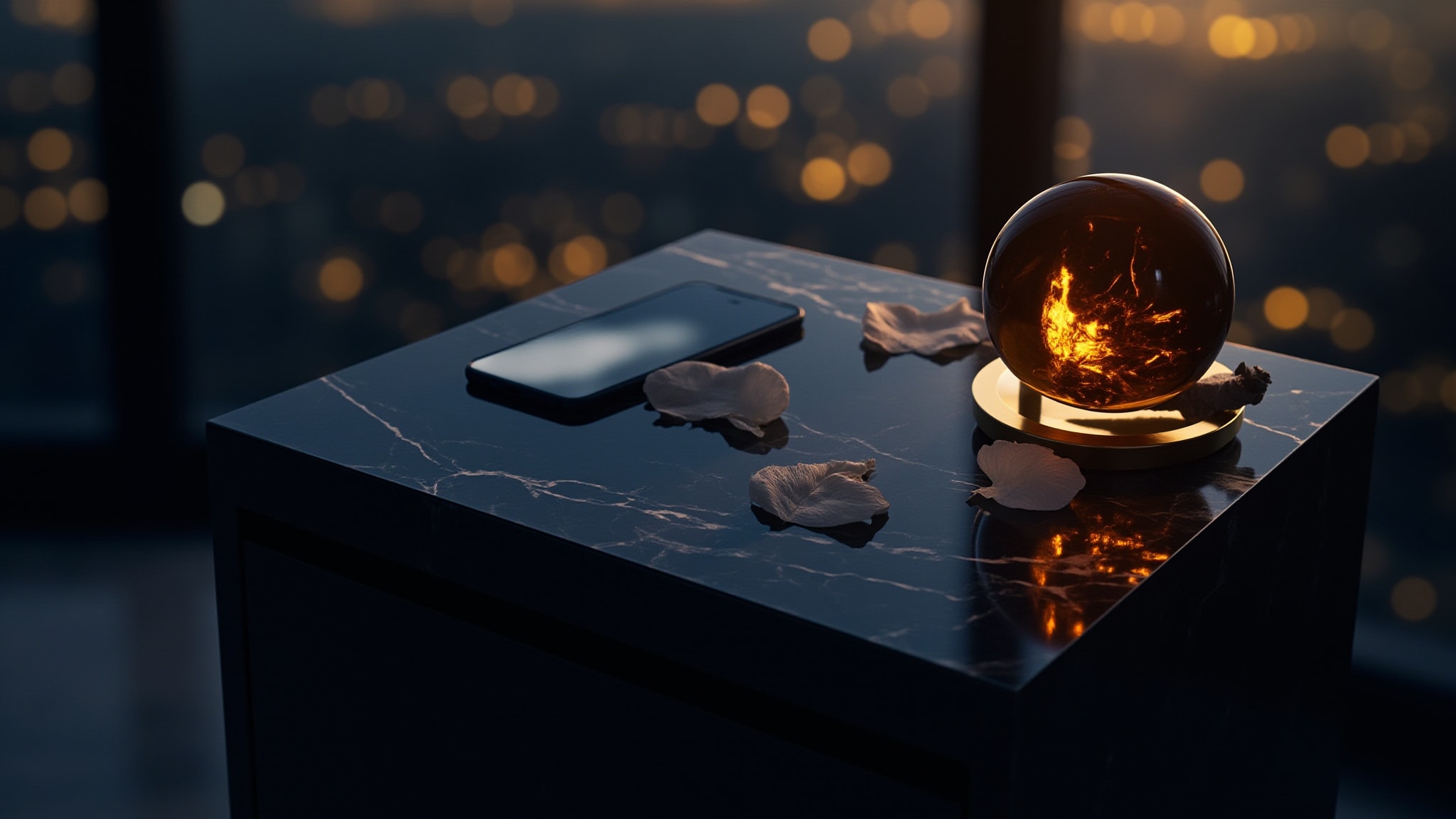
Midnight Call came from wanting to bottle a specific feeling, that electric pause before a phone rings, before a door opens, before the next chapter starts. The perfumers worked with a narrow palette: bergamot, pink pepper, mimosa, violet, amber, cedarwood. Nothing decorative. Every note earns its place by building tension or releasing it. The name came last, after the scent was finished, the testers all described it the same way: something was about to happen.
What makes this structure interesting is the hand-off between phases. The pink pepper and bergamot open bright and brisk, but they don't linger, they're the announcement, not the speech. The mimosa absolute carries the middle with a waxy, almost honeyed warmth that most mass-market florals skip entirely. Violet adds the powdery undertone that keeps the whole thing from feeling too sweet. By drydown, the amber and cedarwood create something skin-close and warm without heavy woodiness. It's a fragrance that knows when to step back.
The evolution
The opening hits within seconds, bergamot's citrus brightness meets pink pepper's clean spice, a combination that reads as both fresh and slightly electric. This phase lasts maybe fifteen minutes before the florals take over. Mimosa and violet arrive together, creating a powdery, almost talc-like warmth that replaces the initial sparkle with something softer, more intimate. The transition isn't dramatic, it's more like the room settling after everyone leaves. The drydown is where Midnight Call earns its name: amber and cedarwood stay close to the skin for hours, warming quietly without projecting aggressively. On fabric, the cedarwood lingers into the next day, faint but present, like a memory you can't quite shake.
Cultural impact
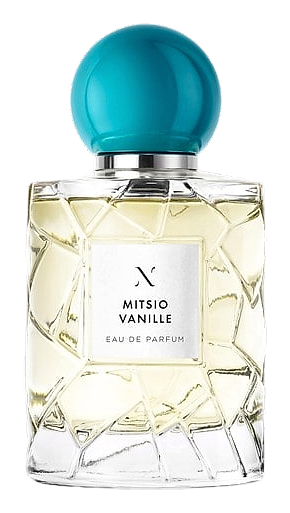
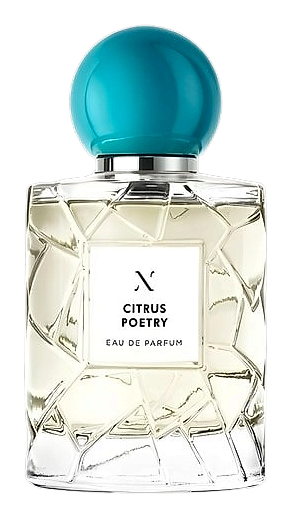
Midnight Call arrived during a period when niche perfumery was shifting toward quieter, more intimate compositions. The fragrance emerged from Les Soeurs de Noe, a house that has consistently focused on understated elegance rather than bold statements. Its 2023 debut coincided with a broader cultural movement toward subtlety in personal expression, where fragrance wearers increasingly sought presence over projection. The use of mimosa absolute, a material rarely featured in mainstream or even niche releases, signaled a return to forgotten olfactory materials. This choice positioned the fragrance as both modern and nostalgic, appealing to collectors who appreciate perfumery's history while seeking contemporary relevance.