Arabian Resins
Amber, warm, and ancient. Arabian resins like frankincense, myrrh, and oud form the sacred backbone of Middle Eastern perfumery, prized for millennia for their deep, meditative, and skin-like drydown.
Character
How it smells
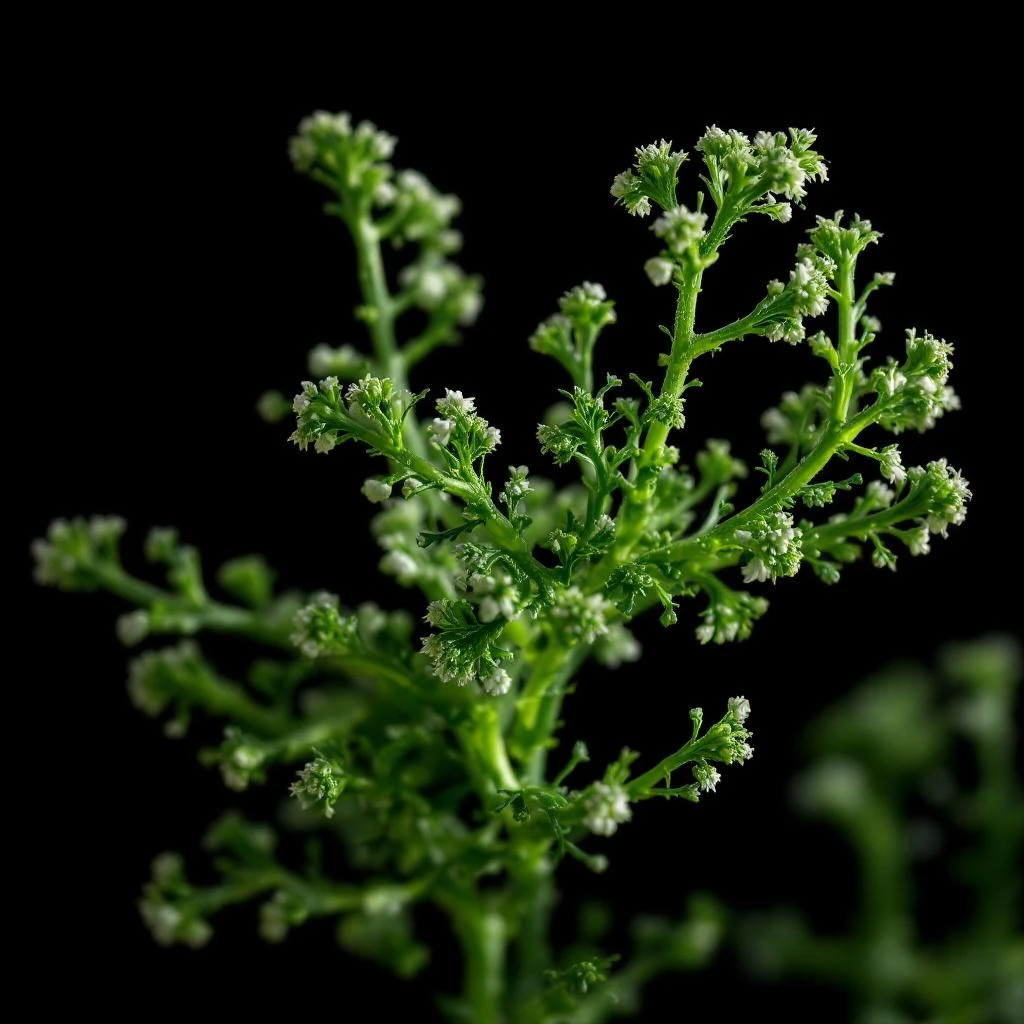
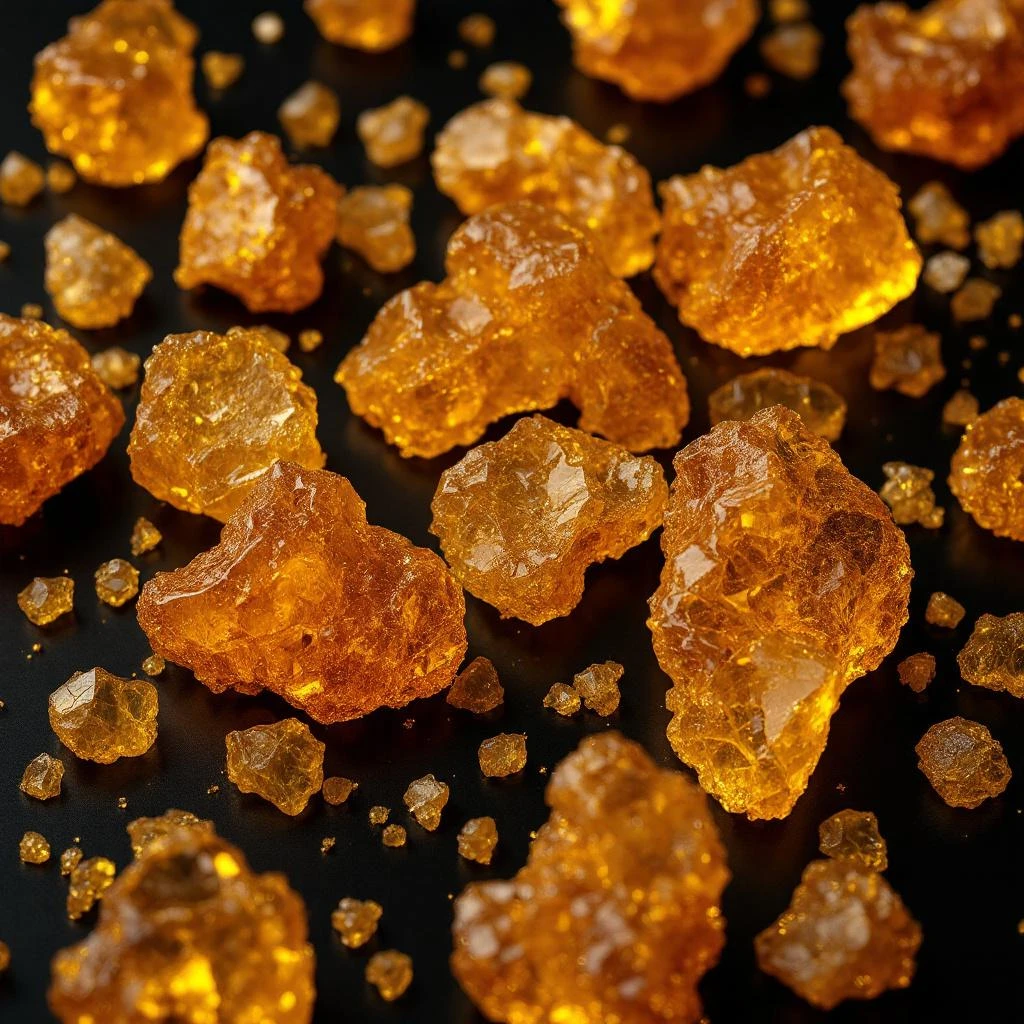
Ancient tree sap, bottled warmth.
Frankincense and myrrh were once worth more than gold in the ancient trade routes connecting Southern Arabia to Egypt, Rome, and beyond.
Pairs beautifully with


Origin
Oman
The story of Arabian resins begins in the arid Dhofar mountains of present-day Oman and Yemen, where frankincense trees have grown wild for over 6,000 years. The Hadramaut region served as the heart of the ancient Incense Route, ferrying boswellia and commiphora resins to Mesopotamia, Egypt, and the Mediterranean at extraordinary profit. Myrrh appears in the Ebers Papyrus of 1550 BCE as a key ingredient in Egyptian incense, embalming oils, and sacred temple rituals.
The rise of Islam in the seventh century transformed resin use into a sophisticated perfumery tradition. Tenth-century scholars in Baghdad documented resin distillation in detail, and Ibn Sina refined steam extraction methods that allowed oils to separate cleanly from plant matter. These techniques spread through Andalusia into Europe by the twelfth century, reshaping global perfumery.
Today, oud remains a cultural symbol across the Gulf, where guests are honored with scented resin chips burned over charcoal.
Wears it best
Fragrances featuring Arabian Resins
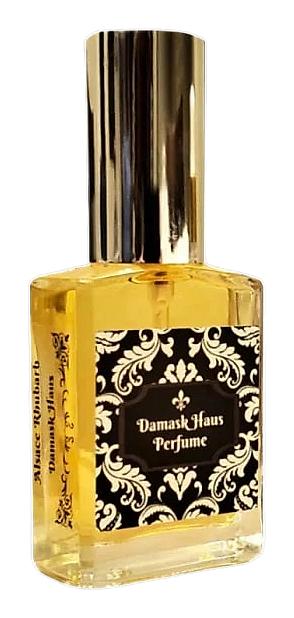
Brands
Brands known for Arabian Resins
Good to know
Questions, answered
The essentials on Arabian Resins in perfumery: how it smells, where it comes from, and how it behaves on skin.
What are Arabian resins in perfumery?
Arabian resins are aromatic tree exudates including frankincense from Boswellia, myrrh from Commiphora, labdanum from cistus, and oud from Aquilaria heartwood. They provide warm, balsamic base notes that anchor many Middle Eastern compositions and extend wear on skin significantly.
Why are Arabian resins so valuable?
Resin trees grow slowly in harsh arid climates, and harvest is labor-intensive. Oud requires Aquilaria trees to become infected by a specific mold before producing aromatic compounds, a process that can take decades. This scarcity, paired with centuries of demand, keeps prices high.
What does frankincense smell like?
Frankincense essential oil offers a bright, citrusy, pine-like aroma with cooling camphoraceous edges and a dry, lemony resinous undertone. Its high alpha-pinene content gives an almost eucalyptus-like clarity that softens into warm balsamic notes as it dries down.
How is oud oil produced?
Aquilaria trees produce aromatic resin only when infected by the fungus Phialophora parasitica. Harvesters search forests for infected heartwood, then steam-distill the darkened wood chips for days. A single kilogram of quality oud oil can require 20 or more kilograms of wood.
Are Arabian resins sustainable?
Sustainability varies by source. Over-tapping of wild Boswellia in Somalia and Ethiopia threatens frankincense supply, and Aquilaria species are now CITES-regulated. Plantation Aquilaria farming and ethical wild-harvest cooperatives in Oman and Yemen are working toward long-term resin security.
What's the difference between myrrh and frankincense?
Frankincense smells brighter, lemony, and coniferous due to high pinene content. Myrrh smells darker, bitter, and medicinal with warmer balsamic undertones from its unique sesquiterpene profile. Both come from similar tree species but produce distinctly different aromatic profiles.
Which ancient civilizations used Arabian resins?
Egyptians burned frankincense and myrrh in temple rituals and embalming. Babylonians traded them at enormous scale. The ancient Greeks valued them as sacred offerings. Romans imported tons annually through the Incense Route for religious, cosmetic, and medicinal purposes.
Can Arabian resins be used as standalone fragrances?
Yes. Pure oud oils and single-resin distillates are worn on their own throughout the Gulf region. These concentrated applications require only tiny amounts, as the raw materials are potent and project strongly for hours on warm skin.