Arabian Musk
The warm, enveloping heart of countless iconic fragrances. Arabian Musk blends animalic depth with soft skin-like warmth, creating a second-skin effect that feels intimate and timeless.

Character
How it smells
The ancient fixative that gave Arabian perfumery its soul.
Musk appeared in the 6th century, brought from India by Greek explorers, and Arab perfumers immediately recognized its power to bind and deepen fragrance.



Origin
India
Arab perfumers of the 6th century were among the first documented users of musk in fragrance creation. It arrived via Greek explorers who carried it from India, and Arabian perfumers quickly made it central to their craft. Musk became sacred, appearing in religious rituals and social celebrations across the peninsula. It was a fixative, an amplifier, the soul of perfume.
In tiny amounts, musk does not shout. It warms everything around it, turning florals deeper and orientals rounder. When European perfumers encountered Arabian fragrances through trade, musk became one of the most coveted ingredients in the world. Its scarcity made it priceless.
Natural musk remained in use until the late 19th century, when economic pressure and ethical awareness drove the shift to synthetic alternatives. Today, the Arabian peninsula still leads global demand for musk-forward fragrances, honoring a tradition that began over fourteen centuries ago.
Wears it best
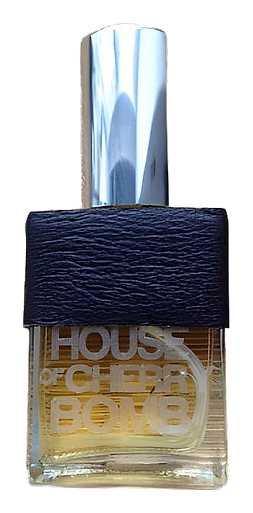
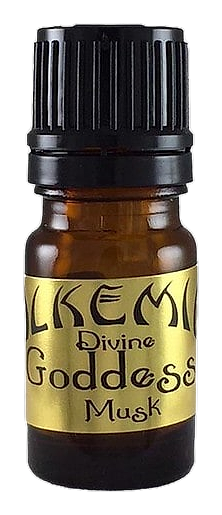
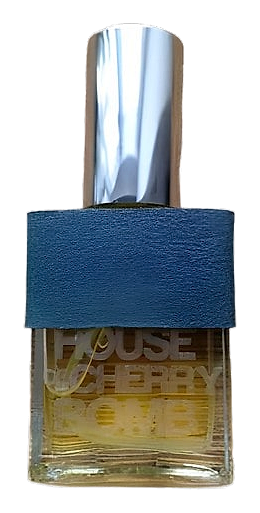
Fragrances featuring Arabian Musk
Brands
Brands known for Arabian Musk
Good to know
Questions, answered
The essentials on Arabian Musk in perfumery: how it smells, where it comes from, and how it behaves on skin.
Is Arabian Musk natural or synthetic?
Modern Arabian Musk is entirely synthetic. Natural musk from the musk deer has been banned since 1979 due to conservation concerns, and all perfumery today uses safe, lab-created alternatives.
What does Arabian Musk smell like?
It smells warm, animalic, and skin-close. Think clean skin, warm fabric, and subtle sweetness. It wraps other ingredients together rather than standing alone.
Why is musk called a fixative?
Musk slows the evaporation of lighter fragrance ingredients, extending wear time by hours. This is why even tiny amounts create outsized impact in a formula.
When did synthetic musk replace natural musk?
The shift began in the late 19th century and accelerated after the 1979 CITES ban. By then, chemistry had produced reliable alternatives that cost a fraction of the natural product.
What countries use Arabian Musk most?
The Arabian peninsula, particularly Saudi Arabia and the UAE, remains the global center of musk-focused perfumery, where the note holds deep cultural and religious significance.
Does Arabian Musk have religious significance?
Yes. Musk appears in Islamic tradition and was historically used in religious rituals across the Middle East, making it more than a perfume ingredient in the region.
How much musk is used in a typical fragrance?
Often less than 1 percent of the formula. Musk is potent in minute quantities, and overuse produces an overpowering, unpleasant effect rather than warmth.
Can you smell natural musk today?
No. Natural musk deer populations remain protected under international law. Any claim of natural musk in modern perfumery is either illegal or fraudulent.