Arabian Jasmine
Arabian jasmine (Jasminum sambac) has perfumed gardens and temples across Asia for over 3,000 years. Its heady, indolic bloom anchors floral compositions with a richness that synthetic alternatives have never truly captured.
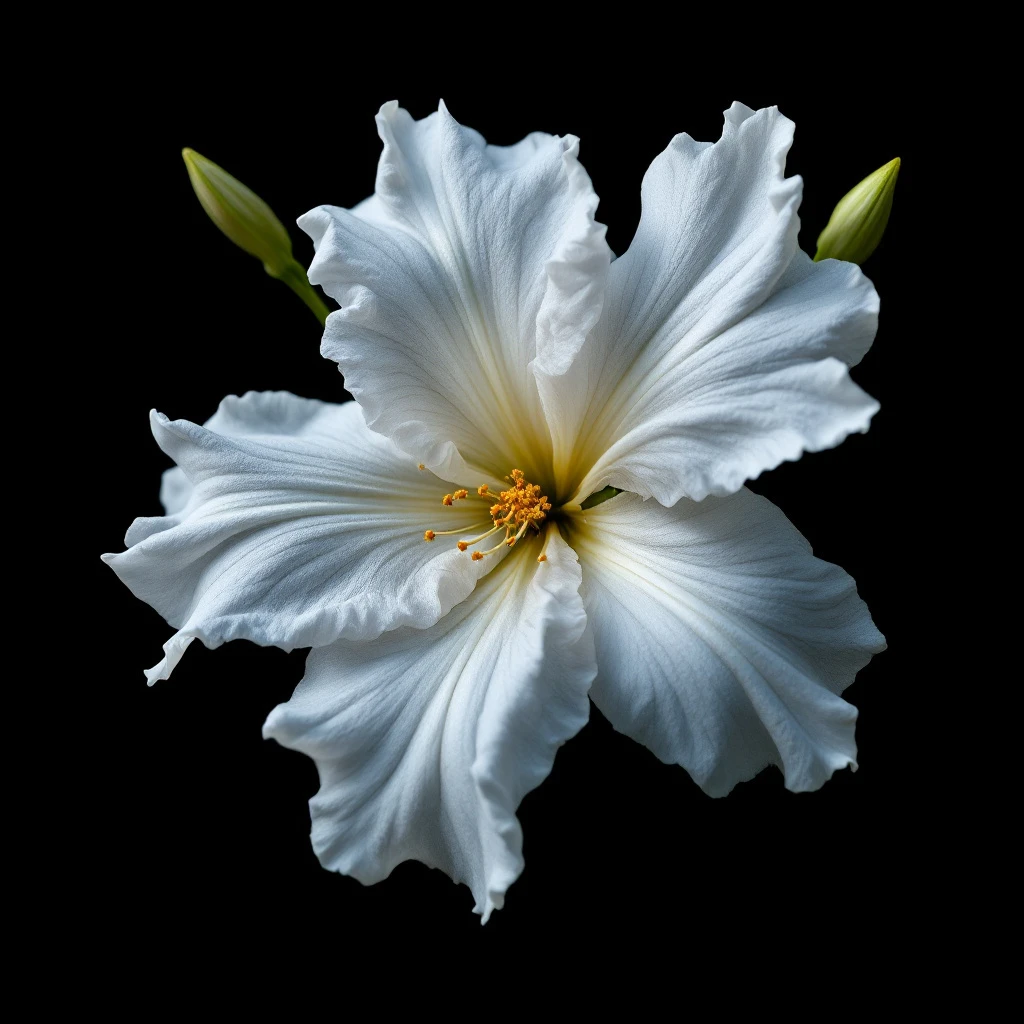
Character
How it smells
The ancient queen of night-blooming florals.
It takes 8 million jasmine blossoms to produce just one kilogram of absolute.
Pairs beautifully with



Origin
India
Arabian jasmine traces its roots to the Indian subcontinent, where it has been cultivated since at least 1000 BCE. The flower held sacred status in ancient Hindu and Buddhist ceremonies, woven into garlands for deities and temple offerings. Trade routes carried the plant eastward to China and Southeast Asia, where Chinese emperors prized it for cosmetic applications.
By the 1600s, Moorish traders introduced jasmine to the Iberian Peninsula, and the fragrance swept northward through Italy into France. Grasse emerged as the European capital of jasmine cultivation, developing sophisticated enfleurage techniques that would later evolve into modern solvent extraction. French perfumers considered jasmine indispensable to their craft, blending it into nearly every prestigious floral composition.
India remains the world's largest producer today, with Tamil Nadu's jasmine markets supplying raw material to fragrance houses worldwide.
Wears it best
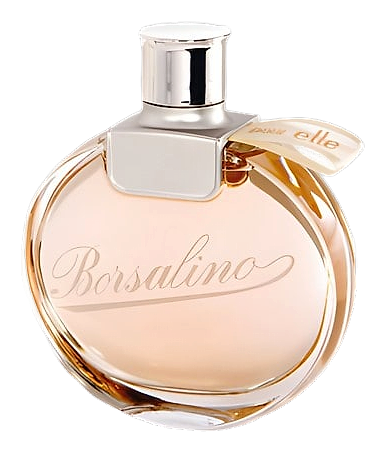
Fragrances featuring Arabian Jasmine
Brands
Brands known for Arabian Jasmine
Good to know
Questions, answered
The essentials on Arabian Jasmine in perfumery: how it smells, where it comes from, and how it behaves on skin.
What does Arabian jasmine smell like?
Arabian jasmine delivers a rich, heady floral scent with sweet, fruity top notes and deeper indolic undertones reminiscent of living night-blooming flowers. The fragrance is both sensual and slightly animalic, offering exceptional warmth and complexity in composition.
Where does Arabian jasmine grow?
India produces the majority of the world's Arabian jasmine, particularly in Tamil Nadu. Egypt and France also cultivate jasmine for perfumery. The plant thrives in warm climates and requires hand-harvesting at dawn for optimal aromatic yield.
How is jasmine absolute extracted?
Jasmine absolute undergoes solvent extraction. Freshly picked petals are washed with a food-grade solvent that dissolves aromatic compounds. This produces a concrete, which is then washed with alcohol and filtered to yield the absolute—a viscous, deeply aromatic product.
How many jasmine flowers are needed for one kilogram of absolute?
Approximately 8 million jasmine blossoms yield just one kilogram of absolute. Each flower must be harvested by hand during a narrow morning window, making jasmine one of the most labor-intensive and expensive natural ingredients in perfumery.
Is jasmine absolute considered natural?
Yes. Jasmine absolute is classified as a natural aromatic material because it is extracted directly from living jasmine flowers using solvent extraction. No synthetic aroma chemicals are added during the production process.
What is the difference between jasmine absolute and jasmine essential oil?
Jasmine absolute comes from solvent extraction and contains all aromatic compounds the solvent pulls from the flower, including those not recoverable through distillation. True jasmine essential oil does not exist because jasmine's delicate aromatics cannot survive steam distillation. Many products labeled as jasmine oil are actually absolutes.
What fragrance families pair well with jasmine?
Arabian jasmine pairs beautifully with citrus, rose, sandalwood, vanilla, and amber. In perfumery, it serves as a versatile heart note that bridges fresh top accords with deeper base materials, lending warmth and sensuality to floral, oriental, and chypre compositions.
Does jasmine have historical significance beyond perfumery?
Jasmine has sacred significance in Hindu and Buddhist traditions, where it has been used in temple offerings for over 3,000 years. Ancient Chinese medicine employed jasmine in cosmetics and remedies. The Moors introduced jasmine to Spain in the 1600s, from where it spread to become a cornerstone of European perfumery.





