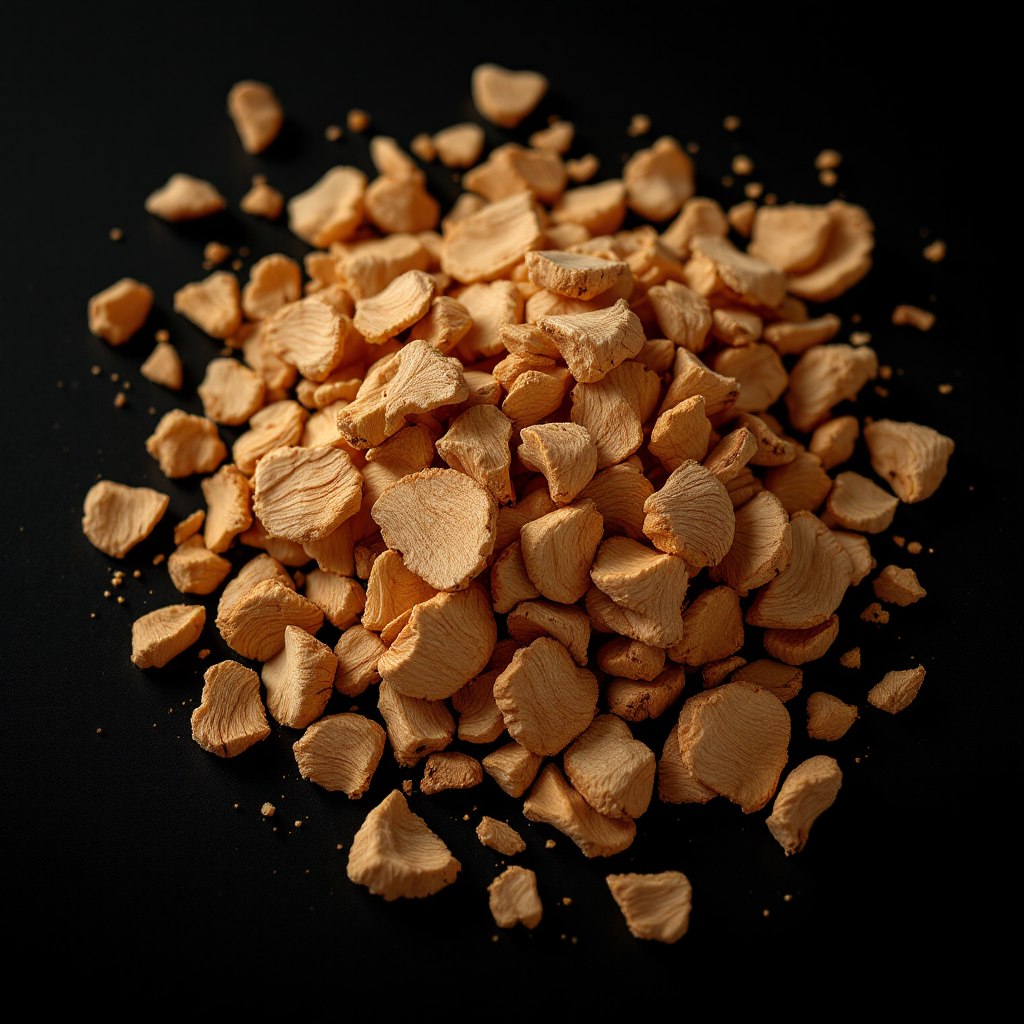
Apricot Wood
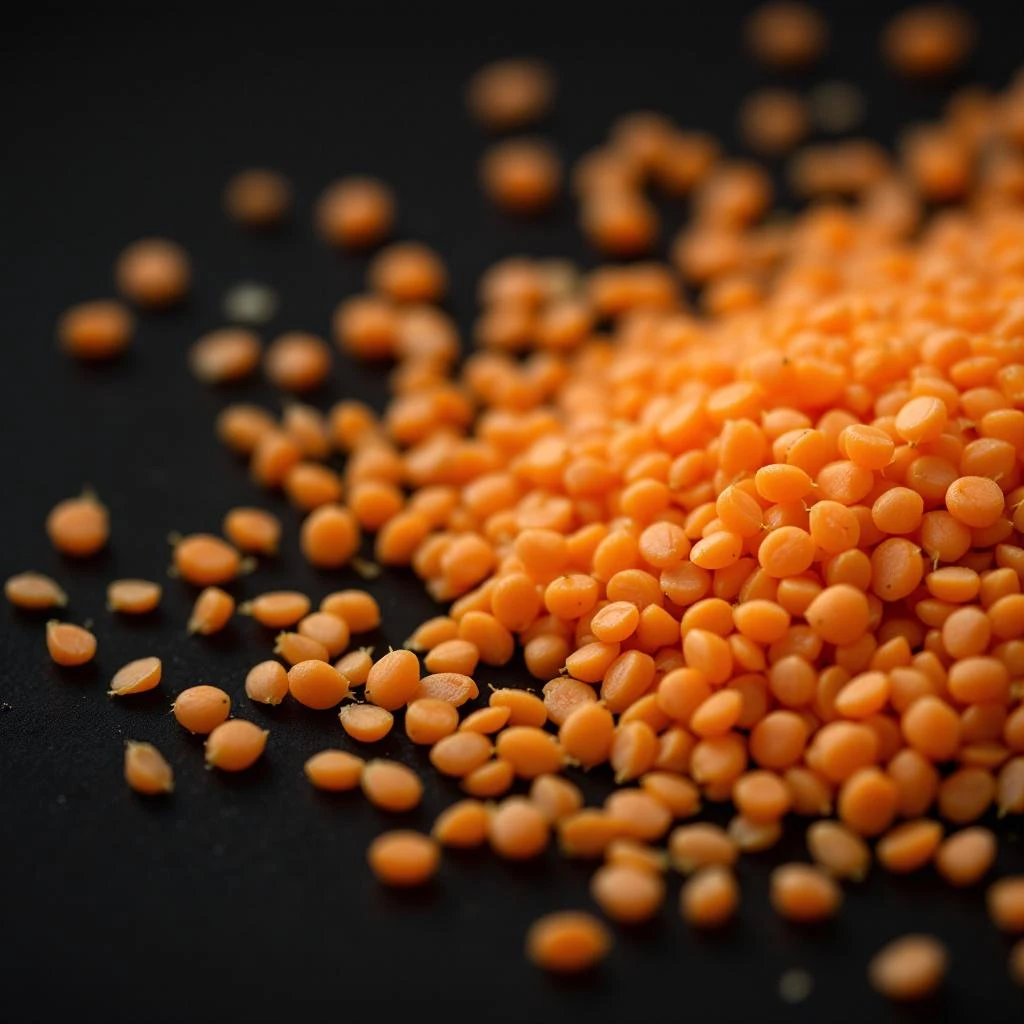
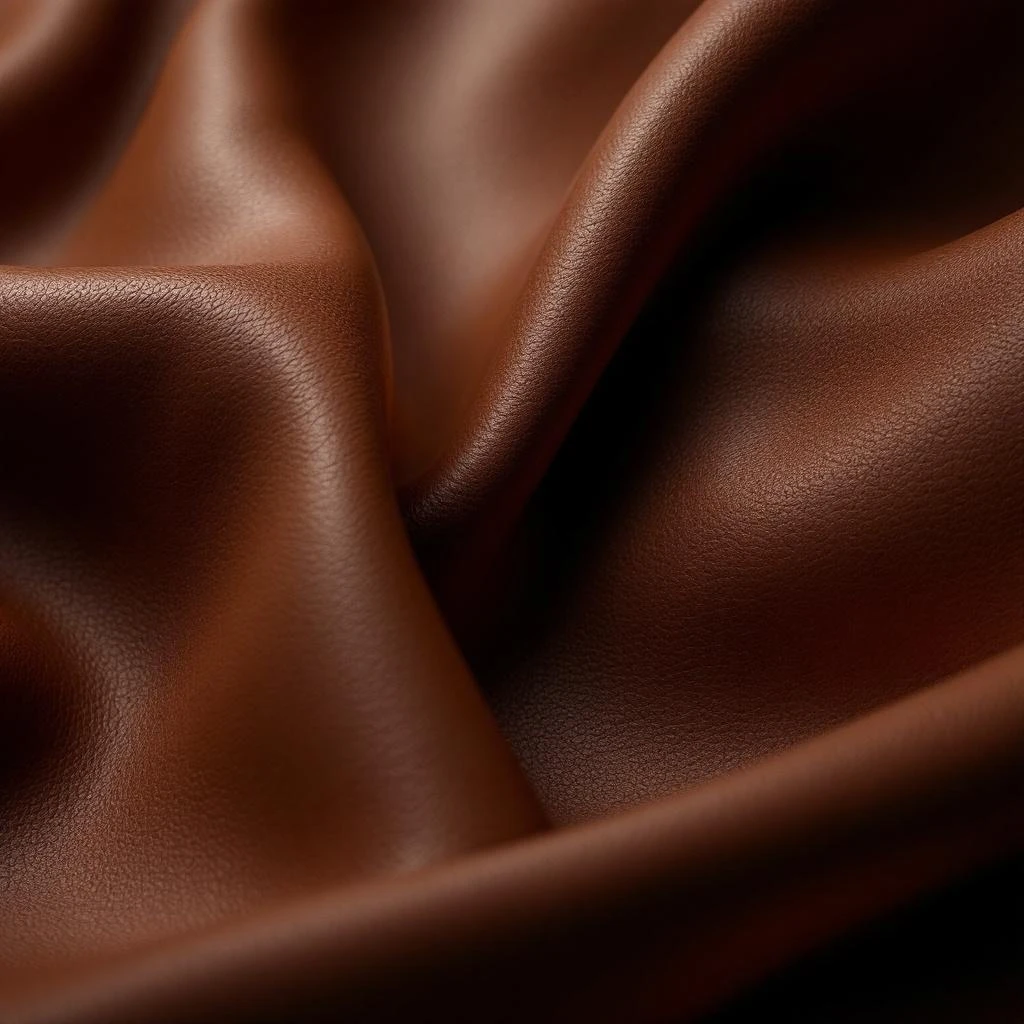
The sweet, sun-warmed heartwood of the apricot tree, apricot wood delivers a soft, velvety base with hints of dried fruit and faint almond warmth. Rare in perfumery, it adds a natural, skin-like quality that grounds lighter notes.
Character
How it smells
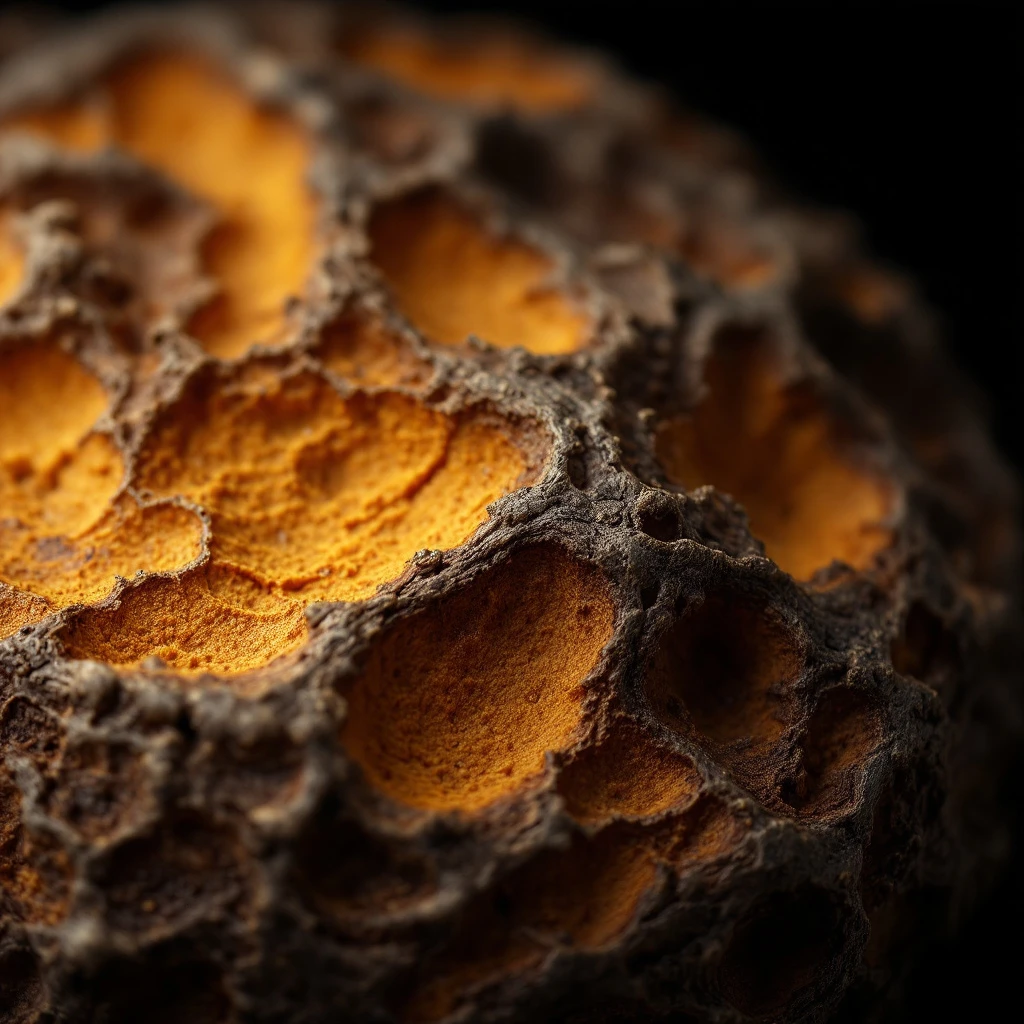
Soft woody warmth with dried fruit and almond undertones.
The apricot tree was sacred in ancient Persia and believed to grant longevity—its wood carries that sense of enduring warmth.


Origin
Turkey
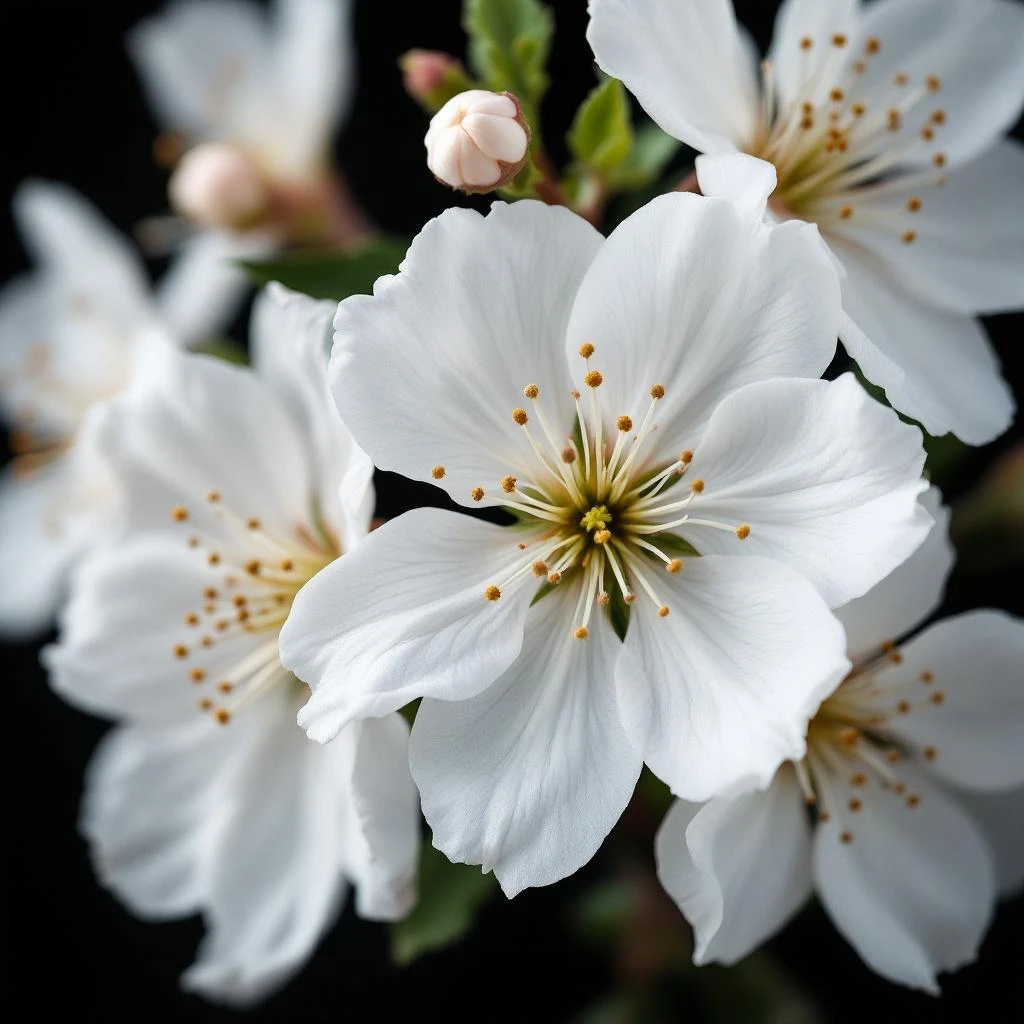
Apricot cultivation traces back over 4,000 years to the mountainous regions of Central Asia, where it was valued as both food and medicine. Ancient Persian and Chinese texts reference the apricot tree in rituals of protection and longevity. While the fruit and blossoms dominated culinary and decorative use, perfumers eventually discovered the wood's quiet aromatic potential.
Traditional perfumers in the Mediterranean began incorporating apricot wood shavings into potpourris and early fragrant preparations. The rise of natural perfumery in the late 20th century brought renewed interest in unconventional ingredients, placing apricot wood on the perfumer's palette as a subtle, grounding base note with cultural resonance spanning millennia.
Wears it best
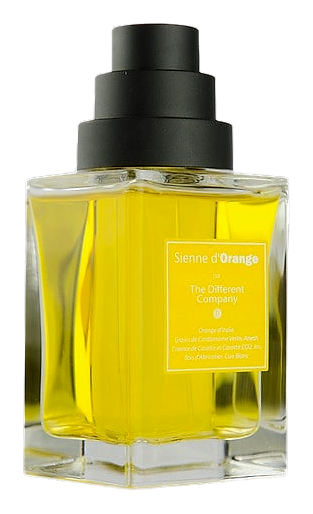
Fragrances featuring Apricot Wood
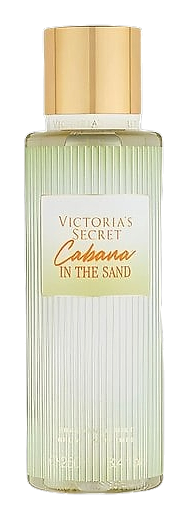
Brands
Brands known for Apricot Wood
Good to know
Questions, answered
The essentials on Apricot Wood in perfumery: how it smells, where it comes from, and how it behaves on skin.
What does apricot wood smell like?
Apricot wood has a soft, warm woody scent with subtle dried fruit and faint almond notes. It reads as quiet and velvety, adding natural warmth rather than bold intensity to fragrance compositions.
Is apricot wood a natural or synthetic ingredient?
Apricot wood exists as both a natural extract (from steam distillation or CO2 extraction) and a synthetic approximation. Natural versions are rare and prized in artisanal perfumery.
What fragrance families commonly use apricot wood?
Apricot wood appears primarily in woody, chypre, and oriental compositions. It suits soft, skin-like fragrances and natural-themed perfumes where subtle warmth matters more than dramatic projection.
Does apricot wood have olfactory similarities to other ingredients?
It shares characteristics with sandalwood's softness and cedar's woody structure, but with a distinctive fruity undertone that sets it apart. The almond-like drydown is unique to Prunus-derived materials.
Why is apricot wood uncommon in mainstream perfumery?
Low extraction yield and seasonal availability make apricot wood difficult to source consistently. Most commercial fragrances use synthetic woody materials that replicate its effect at scale.
Can apricot wood work as a fixative?
Yes. Like other woody materials, apricot wood contributes fixative properties that slow the evaporation of lighter top notes, though its fixative strength is moderate compared to resins or musks.
What extraction method preserves apricot wood's best qualities?
CO2 extraction typically captures the fullest aromatic profile of apricot wood, preserving delicate fruity-woody compounds that steam distillation might diminish through heat.
Is apricot wood sustainable to use?
Responsible sourcing uses pruned branches and wood from existing orchards, avoiding the need to fell trees specifically for extraction. Turkey, California, and Mediterranean regions supply most commercial material.