Angelica flower
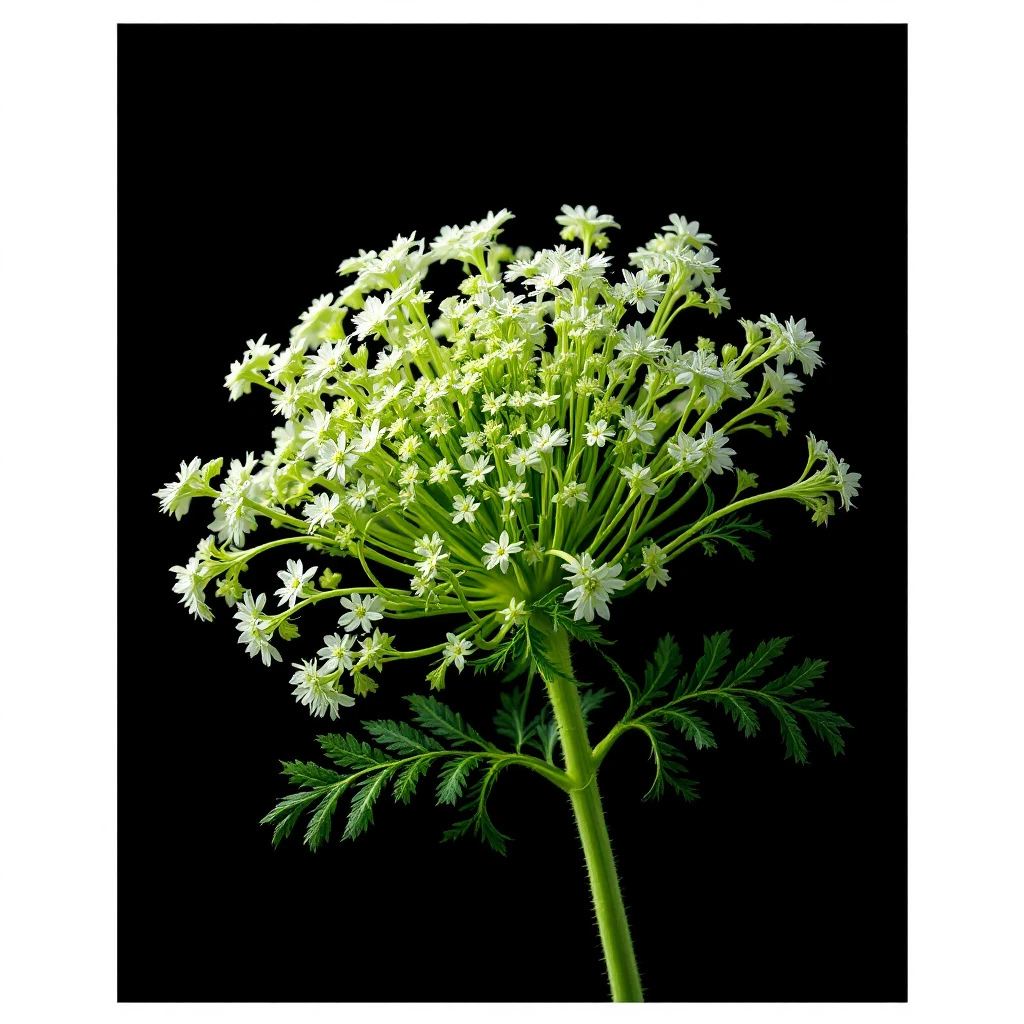
Angelica offers perfumers a rare combination: the dry, dusty warmth of roots lifted by a bright, green facet that borders on peppery. Native to northern Europe, Angelica archangelica delivers a complex aromatic signature that bridges herbal and musky territories.
Character
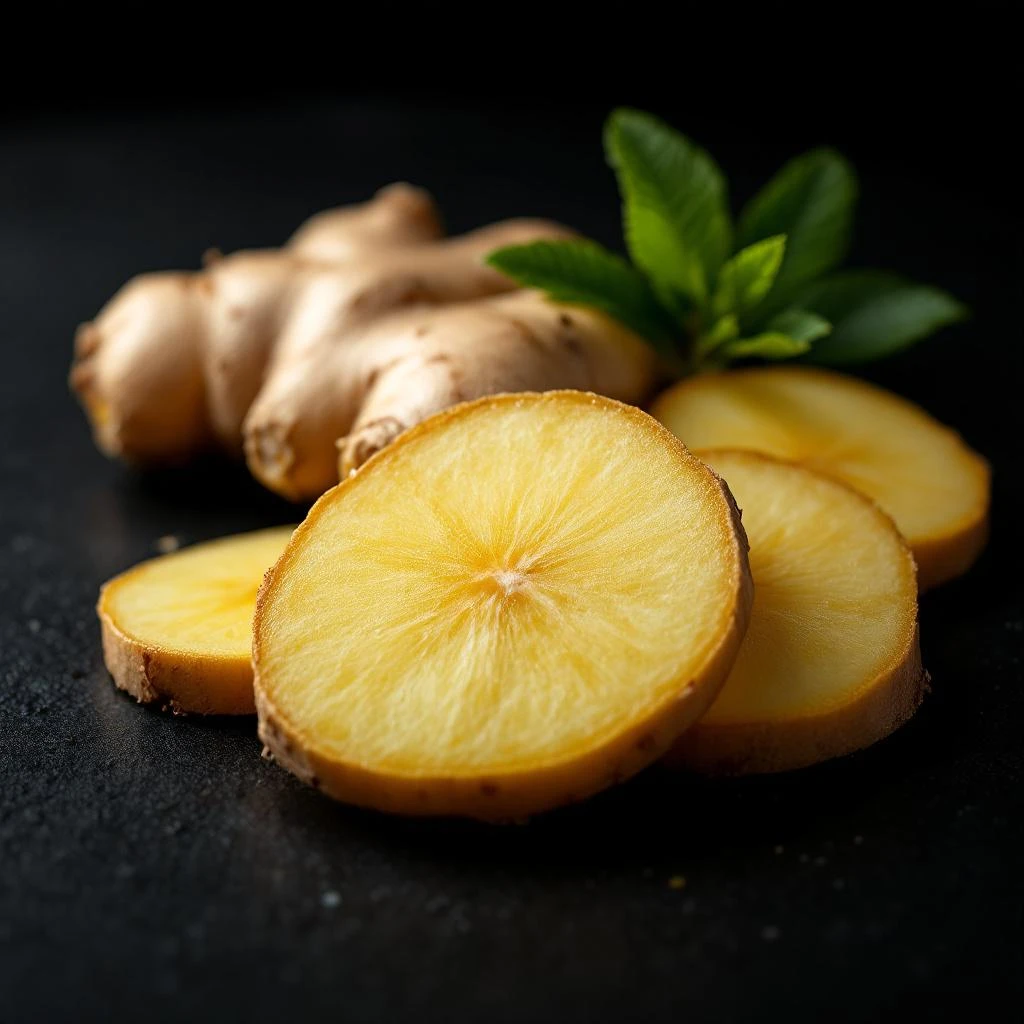
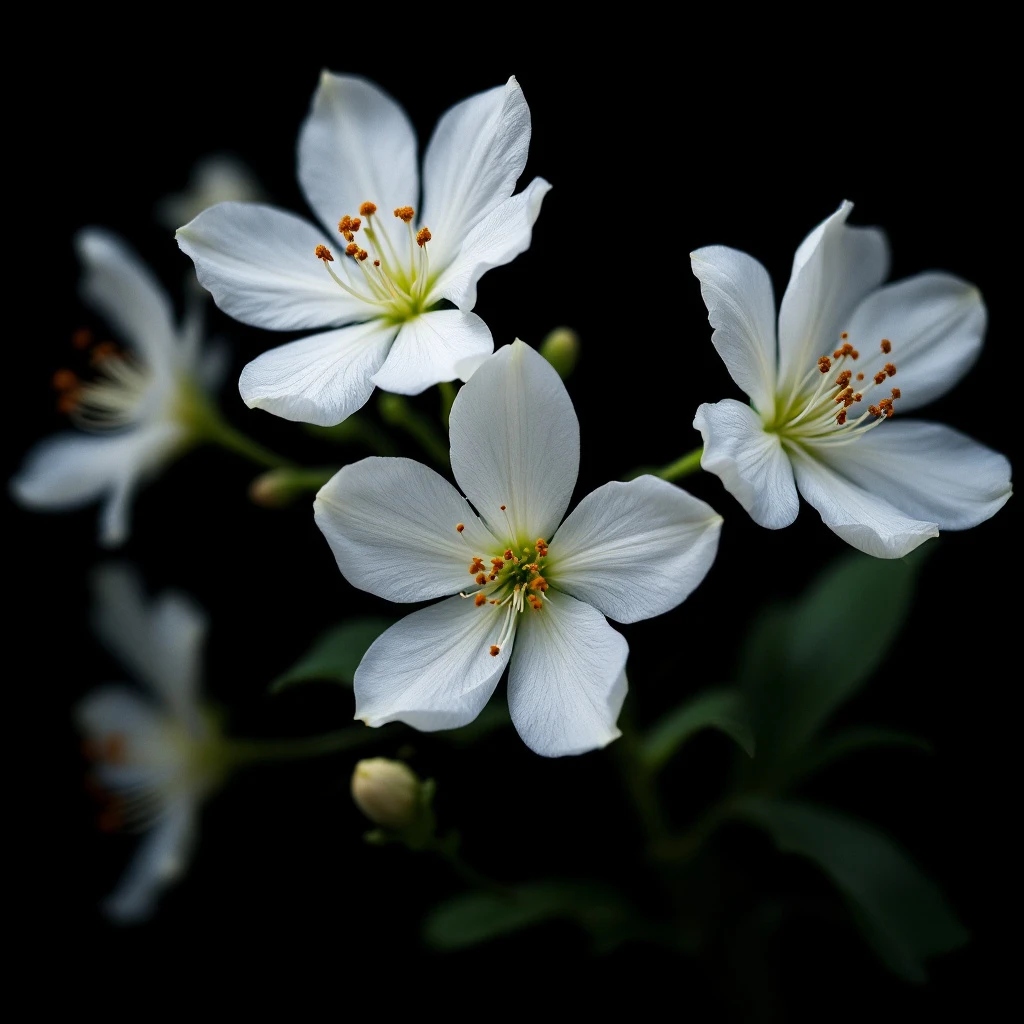
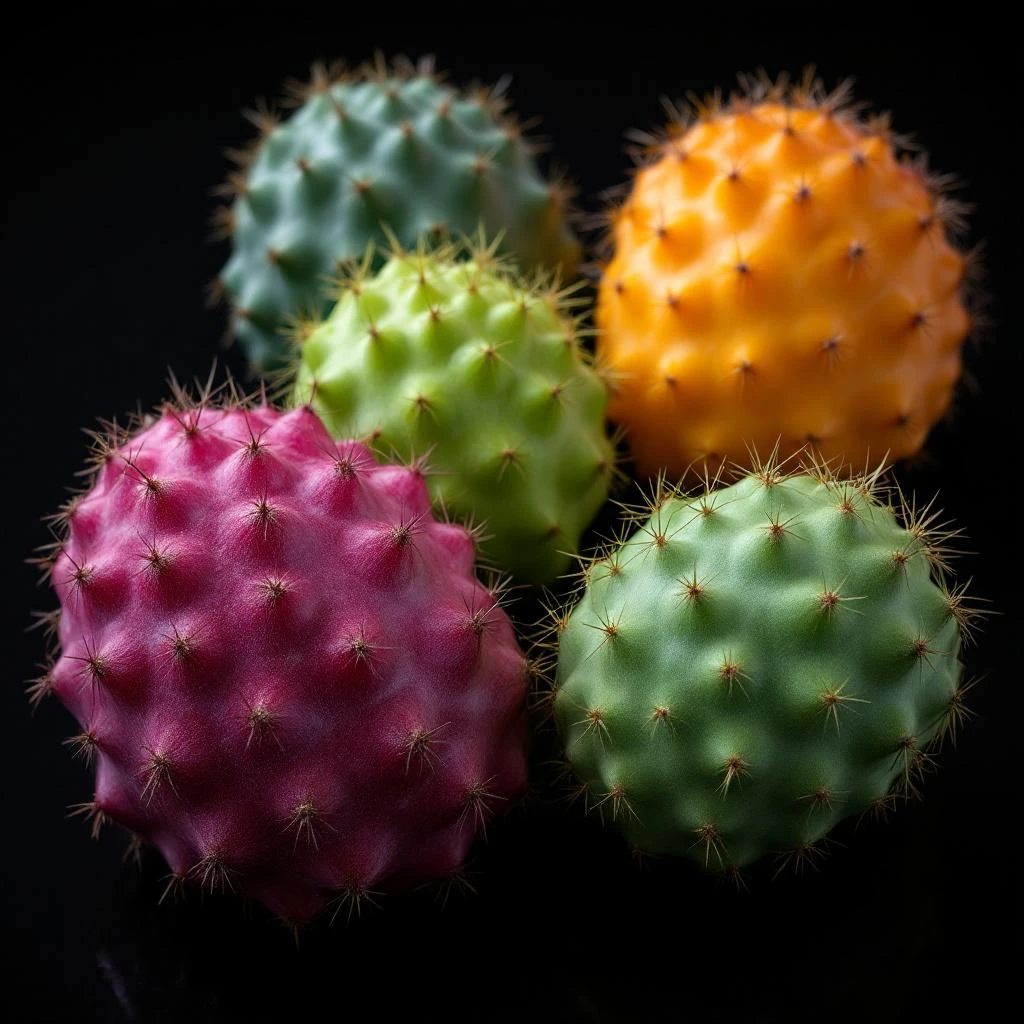
How it smells
Green, musky, and subtly peppery
In medieval Europe, angelica was believed to ward off evil spirits and the plague, earning it the name "angel grass."



Origin
Northern Europe
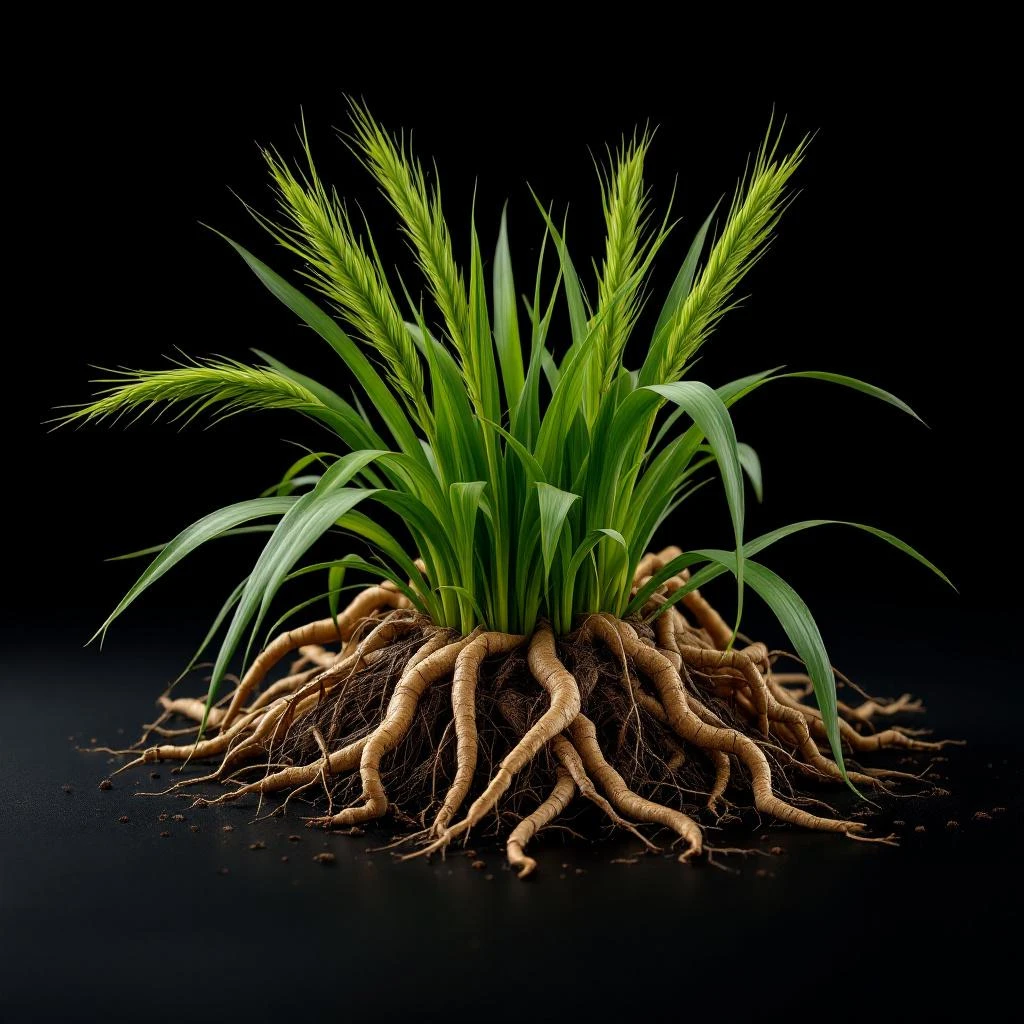
Angelica archangelica has grown wild across northern Europe's damp meadows and mountainous regions since before recorded history. European monastic gardens cultivated the plant during the Middle Ages, and legend credits a monk with receiving the herb as a divine vision, hence its scientific name archangelica. Apothecaries prized the root for its purported protective properties against witchcraft and disease.
By the 16th century, French and Belgian herbalists had established commercial cultivation, with the plant eventually becoming a cornerstone of the European aromatic pharmacopoeia. Its transition from folk remedy to perfumery ingredient occurred gradually as modern distillation techniques revealed its complex olfactory potential.
Wears it best
Fragrances featuring Angelica flower
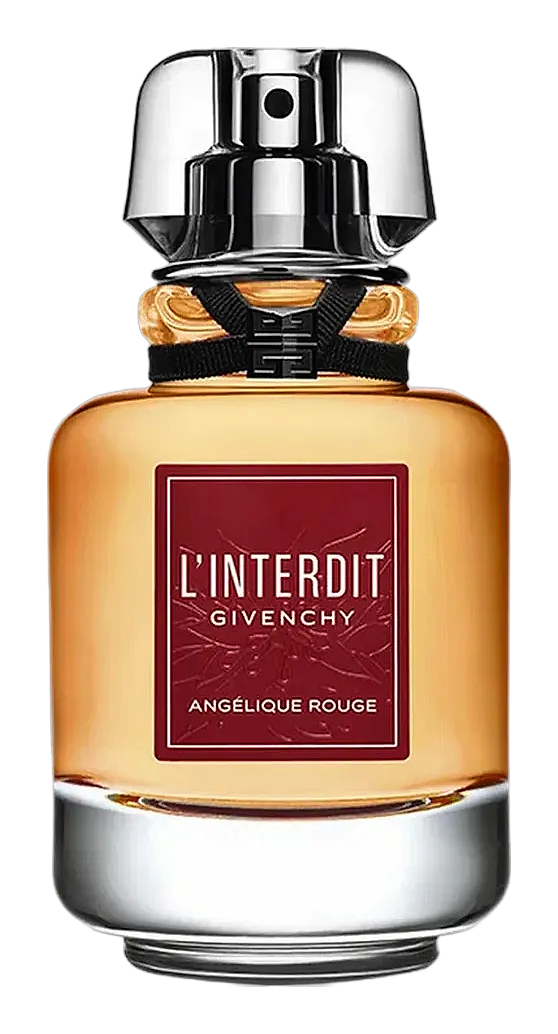
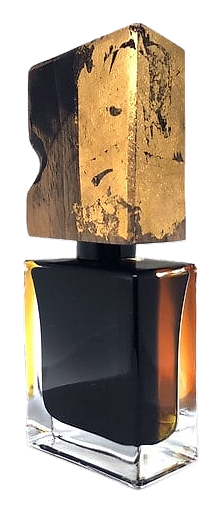
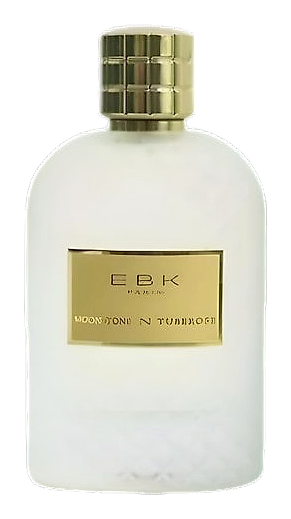
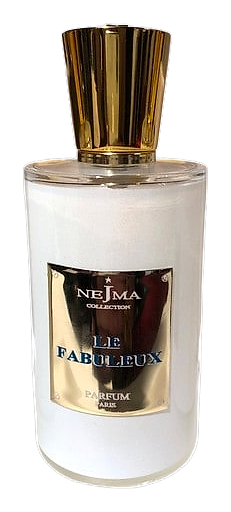
Brands
Brands known for Angelica flower
Good to know
Questions, answered
The essentials on Angelica flower in perfumery: how it smells, where it comes from, and how it behaves on skin.
What does angelica smell like?
Angelica presents a musky, green scent with subtle peppery warmth. The roots offer deeper, earthier tones, while seed oil delivers brighter, more aromatic qualities. Both share an herbaceous character that blends herbal and musky families.
Which parts of angelica are used in perfumery?
Perfumery uses the roots and seeds of Angelica archangelica, not the flowers. Root absolute and seed essential oil each contribute distinct aromatic profiles to fragrance compositions.
Where does angelica grow?
Angelica thrives in northern Europe's damp, mountainous regions. France and Belgium have cultivated it commercially for centuries, with wild populations continuing across Scandinavia and the British Isles.
How is angelica root absolute produced?
Producers dry angelica roots and process them through solvent extraction, yielding a thick, dark brown to amber absolute with rich, complex aromatic compounds.
What fragrances pair well with angelica?
Angelica complements woods, citrus, florals, and aromatic compositions effectively. Its musky-green profile bridges herbal and woody fragrance families, adding depth without heaviness.
Is angelica root oil different from angelica seed oil?
Yes, significantly. Root absolute is darker, heavier, and earthier from solvent extraction. Seed oil, obtained through steam distillation, is lighter and more aromatic with pronounced green-peppery notes.
How long does angelica take to mature for harvest?
Roots require two to three years of growth before harvest, making angelica a relatively long-term cultivation commitment compared to many other aromatic botanicals.
Why is angelica called archangelica?
The name derives from medieval legend, which held that an angel revealed the plant's healing properties to a monk. The plant earned its sacred designation during the Middle Ages when it was believed to offer divine protection.