
The Story
Why it exists.
The beginning
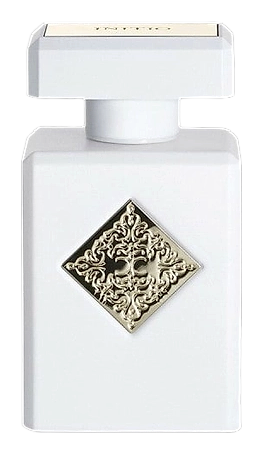
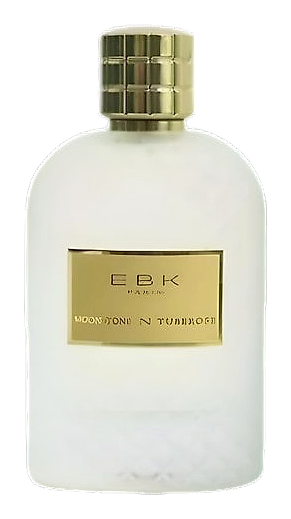
Tuberose is rarely accused of restraint. The note usually arrives heavy, creamy, demanding space. Moonstone N Tuberose was built as a counter-argument, a 2019 release that reframes the white floral as something cold, green, and mineral rather than tropical and sweet. The name carries the weight: moonstone, a feldspar associated with cool light, pale sheen, and surfaces that feel colder than the air around them. That temperature quality became the brief. Not warmth. Not comfort. Something cooler and more specific. EBK arrived that same year with three debutants, Aquamarine N Powder, Alexandrite N Patchouli, and this. The trio established the house's naming logic, all color-and-note combinations that function like labels rather than poetry. Moonstone N Tuberose announced itself as the cold option.
Angelica is the spoiler here. In most fragrances it plays supporting notes, herbaceous, fleeting, easily buried. In Moonstone N Tuberose it opens cold and unsweet, herby in a way that pushes back against the tuberose rather than complementing it. Community reviews use the word "laundromat" unironically, the scent reads as soapy, clean, mineral-wet rather than creamy or tropical. Gardenia and jasmine arrive in the heart but don't soften the composition the way most noses would expect. Vetiver threads through from beginning to end, its earthy root quality preventing the white florals from going full innocence.
The evolution
The opening arrives cold and herbal, angelica's green bite arrives first, sharp as crushed stems. Tuberose follows within minutes but refuses to sweeten. It reads earthy, rooty, closer to the living plant than the absolute usually permits. Gardenia and jasmine try to introduce softness but vetiver's mineral undertone keeps pulling the composition back toward cold stone. By the second hour the florals settle into a quiet conversation. The heart phase isn't warm, it's cool, soapy, the kind of clean that implies cold water rather than hot. White musk becomes the surface character, amplifying skin rather than covering it. The sillage drops from moderate to intimate around the three-hour mark. The drydown is vetiver and white musk. An earthy, close-to-the-skin base that stays consistent for another four or five hours on normal skin. On dry skin, the performance drops noticeably. The scent doesn't reinvent itself at the end, it simply becomes quieter, mineral, the ghost of a cold garden that was never trying to be pretty.
Cultural impact
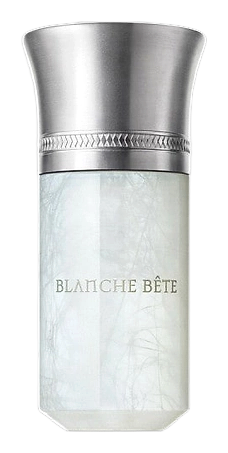
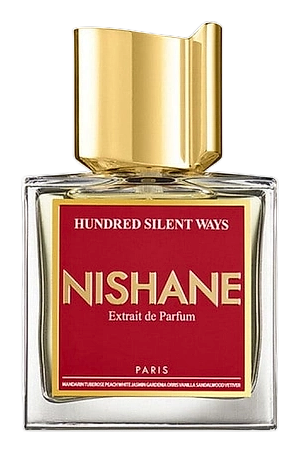
Moonstone N Tuberose found its audience in the indie fragrance community that emerged alongside social media's fragrance content boom in the early 2020s. The green, mineral, soapy character that divided reviewers in the enthusiasts community also attracted a specific following: people who loved tuberose but wanted it stripped of its usual tropical associations. In a landscape crowded with creamy white florals and skin-like musks, Moonstone offered something colder, greener, and more mineral. It occupied the same territory as Les Liquides Imaginaires Blanche Bête and Nishane Hundred Silent Ways but leaned harder into the herbal and cold.