White blossoms absolute
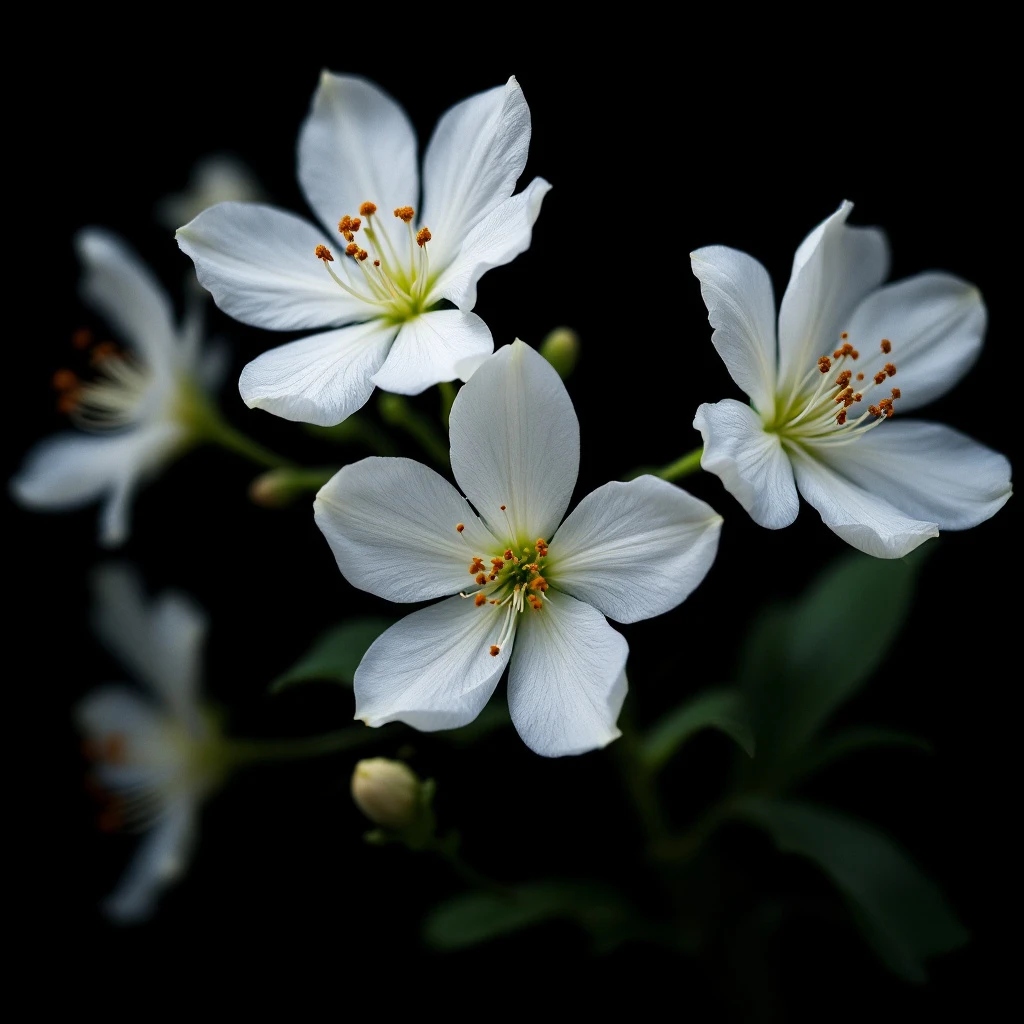
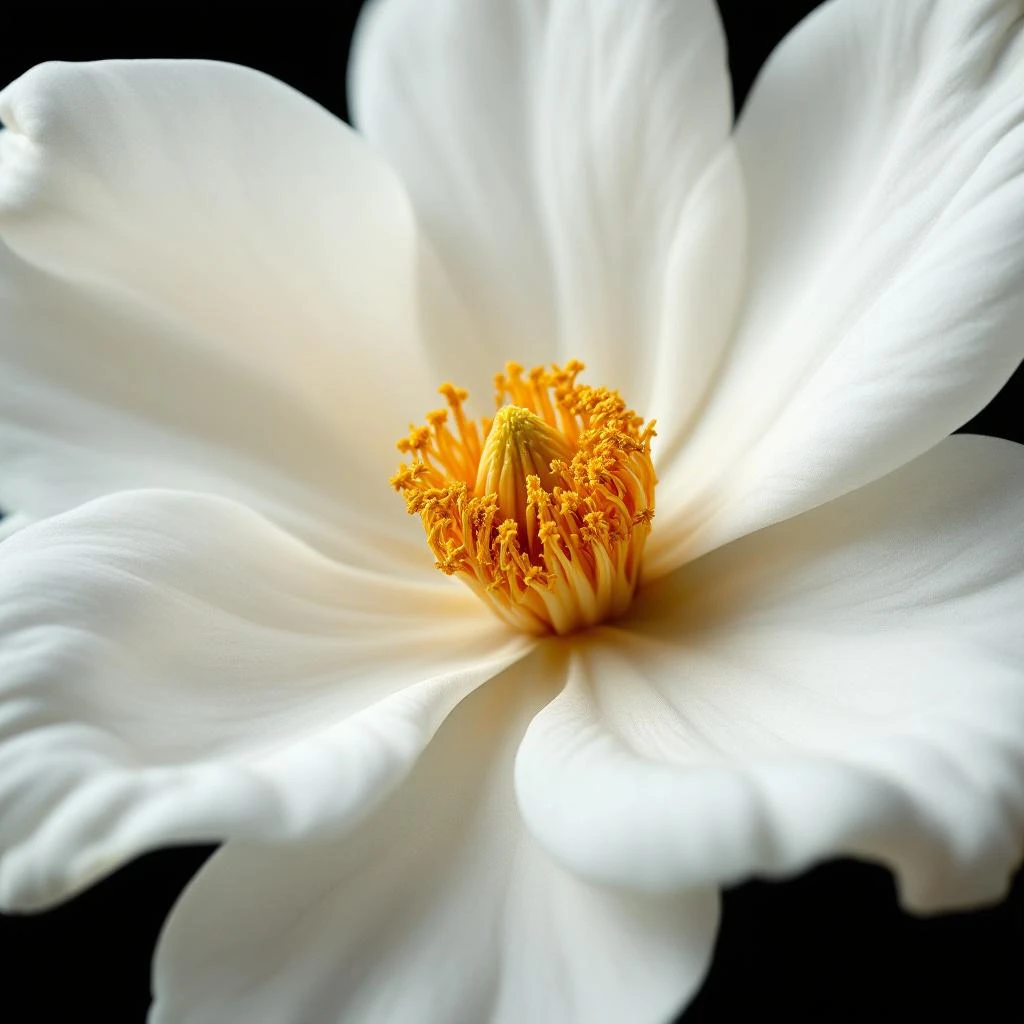
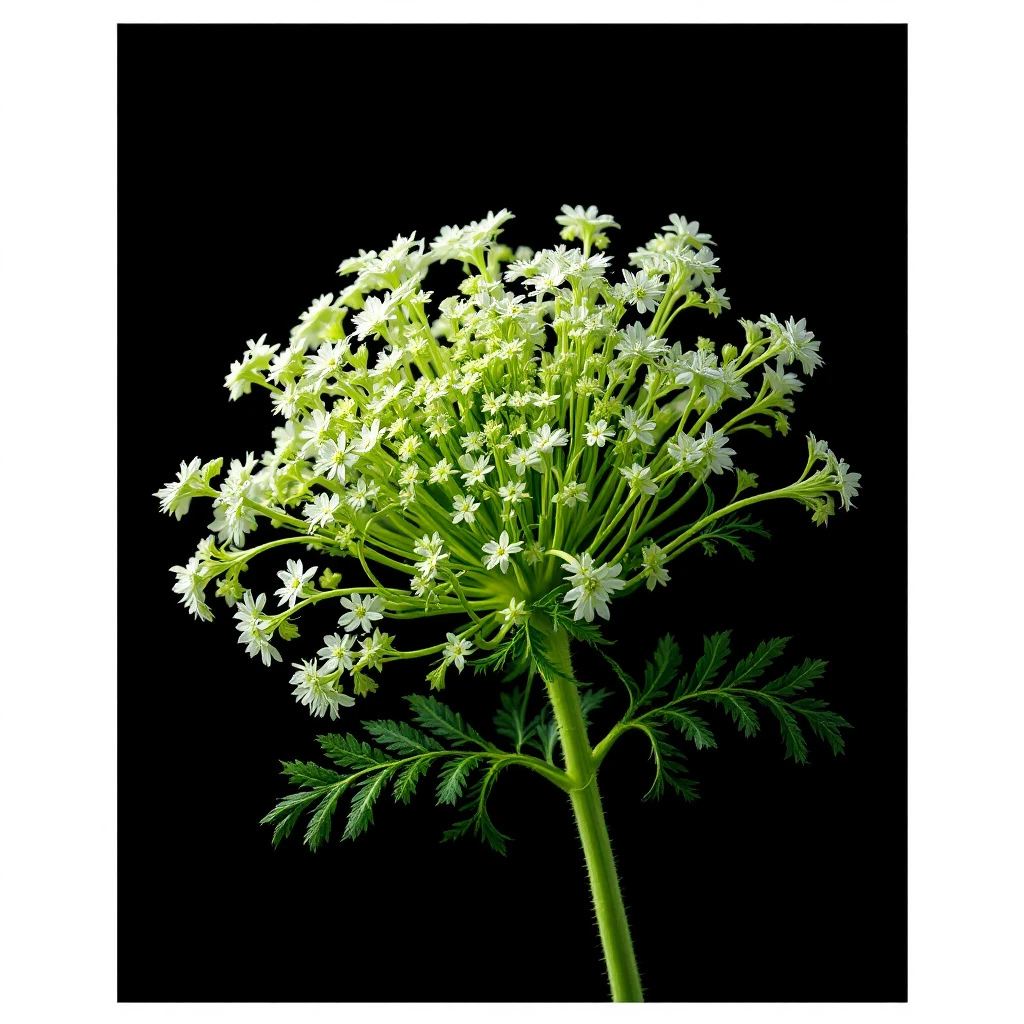
White blossoms absolute distills the luminous scent of jasmine, tuberose, and orange blossom into a highly concentrated aromatic material prized across fine perfumery for its rich floral depth and natural complexity.
Character
How it smells
Perfumery's most coveted floral absolutes.
It takes over 8 million jasmine flowers, all hand-picked at dawn, to yield a single kilogram of absolute.



Origin
India
Ancient Egyptians first captured white blossom fragrance for ritual and cosmetic purposes, using rudimentary enfleurage techniques with fat to preserve floral scents. The practice spread through the Mediterranean, with royalty and clergy incorporating orange blossom water into skincare and sacred ceremonies. By the 18th century, Grasse in southern France emerged as the center of white blossom cultivation, with families dedicating generations to perfecting jasmine and tuberose growing.
The industrialization of solvent extraction in the late 19th century made white blossom absolutes more accessible to perfumers while retaining their authentic character. Today, India, Egypt, and Morocco remain primary sources, though Grasse maintains its reputation for quality through meticulous hand-harvesting traditions passed down through centuries.
Wears it best
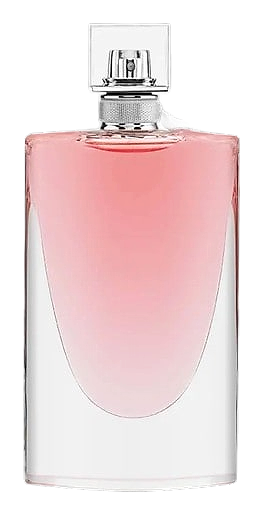
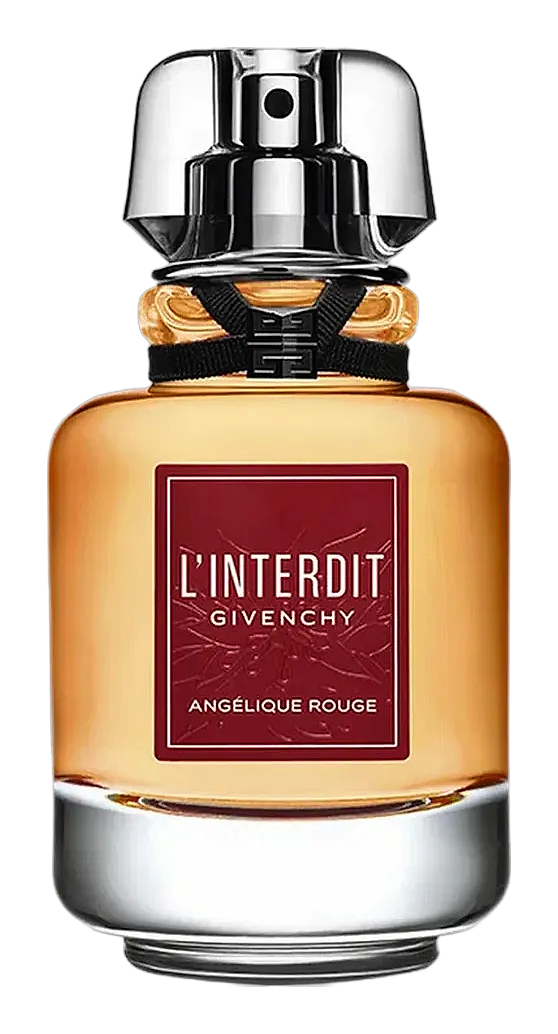
Fragrances featuring White blossoms absolute
Good to know
Questions, answered
The essentials on White blossoms absolute in perfumery: how it smells, where it comes from, and how it behaves on skin.
What exactly is white blossoms absolute?
White blossoms absolute is a highly concentrated aromatic material extracted from delicate white flowers, primarily jasmine, tuberose, and orange blossom. Solvent extraction captures their full fragrance profile, producing a viscous material with exceptional depth and longevity in perfumery.
How does white blossom absolute differ from essential oils?
Absolutes contain heavier aromatic molecules that steam distillation cannot capture. Solvent extraction preserves these compounds, yielding a more complete olfactory representation of the living flower. Essential oils from white blossoms, like neroli from orange flower, represent only a portion of the scent.
Which flowers produce white blossom absolutes?
The primary sources are jasmine sambac, tuberose, and orange blossom. Fragrant white flowers like gardenia, stephanotis, and certain lilies contribute to specialty blends, though jasmine and tuberose remain the most significant in fine perfumery.
Where do white blossoms for perfumery grow?
India leads jasmine and tuberose production, with Tamil Nadu and Karnataka as major growing regions. Egypt and Morocco produce orange blossom absolutes. Southern France, particularly the Grasse region, supplies premium-quality material despite smaller volumes.
What does white blossom absolute smell like?
The scent opens with immediate freshness from orange blossom and honeysuckle, followed by indolic richness from jasmine and tuberose. The dry-down reveals deeper, honeyed tones with a creamy, almost waxy warmth characteristic of natural floral absolutes.
Why is white blossom absolute expensive?
The combination of hand-harvesting requirements, extremely low yield ratios (800+ flowers per gram of absolute), and rapid degradation of harvested material makes production labor-intensive. Jasmine flowers must be picked within hours of opening, requiring skilled workers and precise logistics.
How do perfumers use white blossom absolute?
Perfumers treat it as a heart note, adding volume and natural complexity to floral, oriental, and chypre compositions. A small amount—often less than 5% of the formula—provides signature character. It blends well with sandalwood, vanilla, and other rich base materials.
Does white blossom absolute expire?
Properly stored away from light and temperature extremes, it remains usable for decades. Ancient Egyptian tomb paintings depict white floral garlands, suggesting these materials have been preserved for millennia. However, oxidation gradually alters the scent profile over many years.