Amazon Moonflower
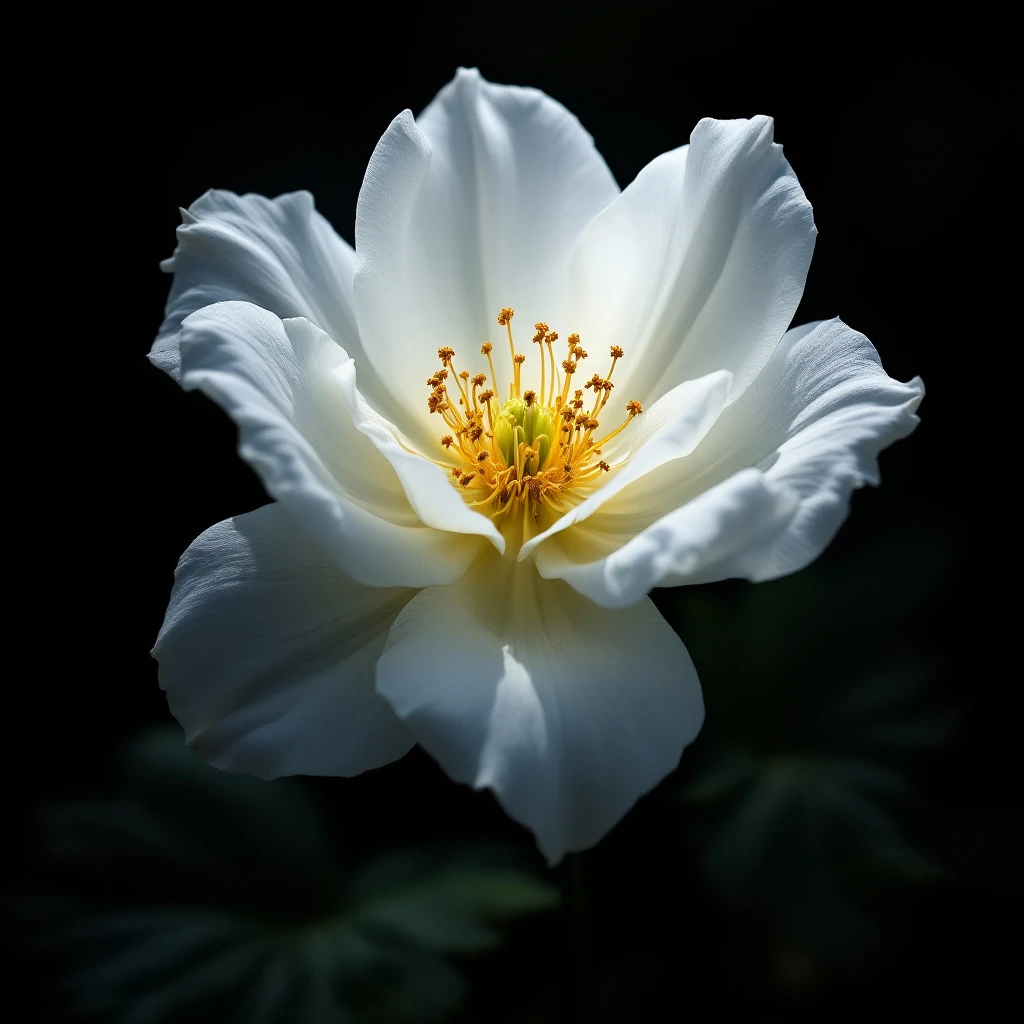
Amazon Moonflower is a perfumer's fantasy accord, not a true botanical extract. Built from the creamy indolic sweetness of jasmine and tuberose, it conjures the scent of a tropical bloom that opens only under moonlight.
Character
How it smells
A moonlit bloom that never was
No commercial extraction exists. Amazon Moonflower is built entirely in the laboratory, a constructed accord designed to evoke a flower perfumers have never been able to capture from nature.
Pairs beautifully with
Origin
Conceptual (evokes the Amazon basin; constructed globally)
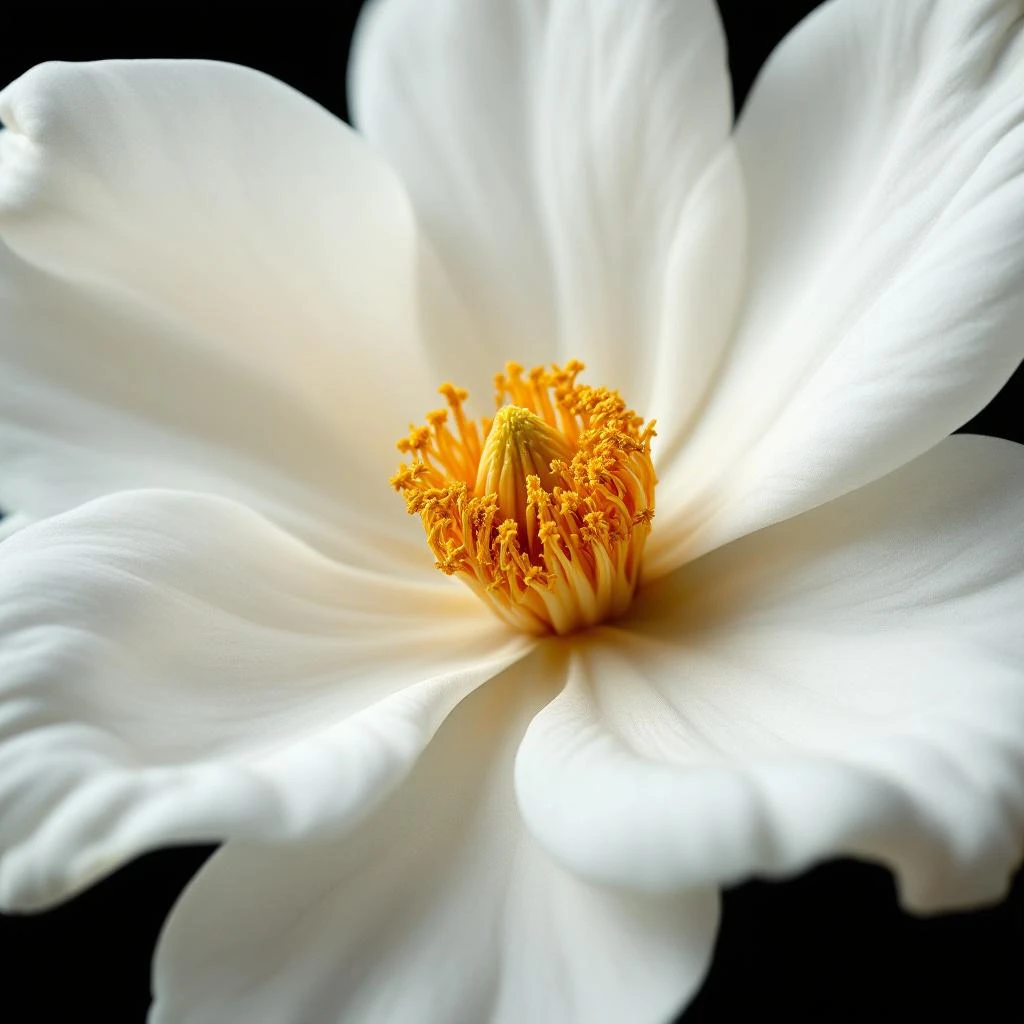
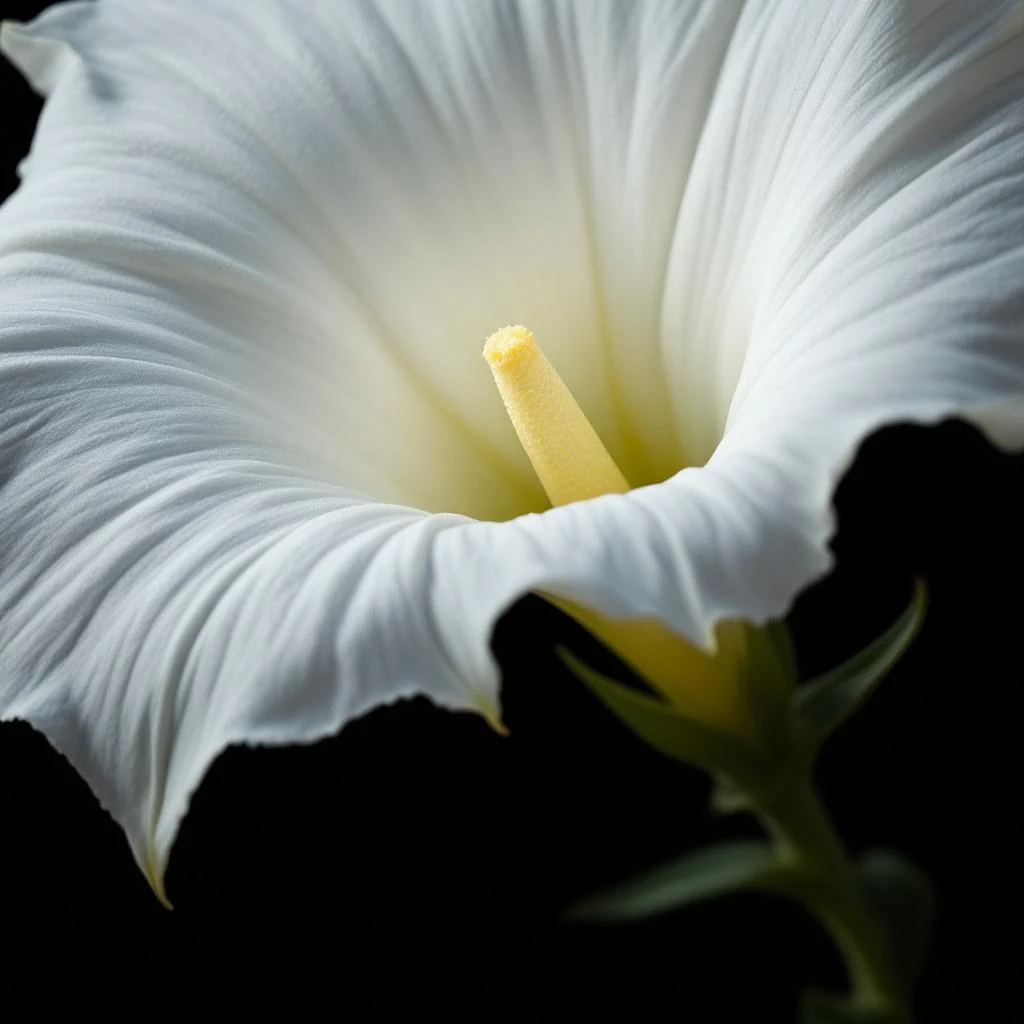
The true moonflower, Ipomoea alba, climbs through the tropical Americas from Argentina north through the Amazon basin and into the Caribbean. Spanish missionaries in the 16th century documented its habit of unfurling white blooms at dusk, releasing fragrance through the night to attract hawkmoths. Botanists have long noted its potent scent, yet the flower resists every traditional capture technique.
By the late 19th century, when organic synthesis opened the door to constructing nature in the laboratory, perfumers turned away from chasing the impossible extract and toward building an accord instead. This approach crystallized in the 20th century as white-floral compositions grew more ambitious. Modern Amazon Moonflower notes draw on jasmine and tuberose absolutes first developed for French haute perfumery in the 1950s, blended with aroma chemicals refined during the post-war synthetic expansion.
Today the accord remains a creative fiction that honors a flower the industry has never captured.
Wears it best
Fragrances featuring Amazon Moonflower
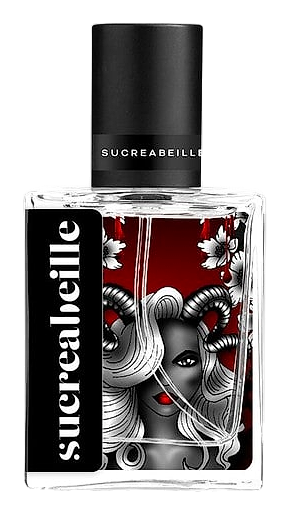
Brands
Brands known for Amazon Moonflower
Good to know
Questions, answered
The essentials on Amazon Moonflower in perfumery: how it smells, where it comes from, and how it behaves on skin.
Is Amazon Moonflower a real flower?
Amazon Moonflower in perfumery is a fantasy accord, not a literal extract. It references the tropical Ipomoea alba, which opens at night, but no commercial extraction exists. Perfumery builds it from jasmine, tuberose, and synthetic indole.
Why cannot perfumers extract real moonflower?
The living Ipomoea alba yields virtually no usable oil through steam distillation or solvent extraction. Its delicate petals and nocturnal biology make traditional capture methods impractical, which is why the accord is constructed instead.
What does Amazon Moonflower smell like?
It smells like a creamy, indolic white floral with green undertones. The accord leans on jasmine's sweet narcotic character, tuberose's buttery warmth, and indole's animalic edge, evoking petals warmed by tropical air.
Is Amazon Moonflower natural or synthetic?
It is entirely synthetic in composition, though it can include natural jasmine and tuberose absolutes as part of the blend. No moonflower plant material is processed. Each component is sourced from standard perfumery supply chains.
Where does the Amazon Moonflower name come from?
The name borrows from Ipomoea alba, a night-blooming vine native to the Amazon basin and wider tropical Americas. Early botanical expeditions romanticized its moonlit opening, a mood perfumers translated into a constructed note.
Which perfumes feature Amazon Moonflower?
It appears in a small number of niche and indie fragrances aiming for a tropical night-bloom impression. Most mainstream houses prefer direct jasmine or tuberose notes, since the accord is a specialty construction rather than a commodity ingredient.
How is a fantasy accord like this created?
Perfumers combine natural absolutes, isolates, and aroma chemicals to imitate an unextractable flower's scent. For Amazon Moonflower, jasmine absolute, tuberose absolute, indole, and methyl jasmonate form the core, balanced to suggest night warmth.





